- English
- French
- German
- Portuguese
- Spanish
- Russian
- Japanese
- Korean
- Arabic
- Greek
- German
- Turkish
- Italian
- Danish
- Romanian
- Indonesian
- Czech
- Afrikaans
- Swedish
- Polish
- Basque
- Catalan
- Esperanto
- Hindi
- Lao
- Albanian
- Amharic
- Armenian
- Azerbaijani
- Belarusian
- Bengali
- Bosnian
- Bulgarian
- Cebuano
- Chichewa
- Corsican
- Croatian
- Dutch
- Estonian
- Filipino
- Finnish
- Frisian
- Galician
- Georgian
- Gujarati
- Haitian
- Hausa
- Hawaiian
- Hebrew
- Hmong
- Hungarian
- Icelandic
- Igbo
- Javanese
- Kannada
- Kazakh
- Khmer
- Kurdish
- Kyrgyz
- Latin
- Latvian
- Lithuanian
- Luxembou..
- Macedonian
- Malagasy
- Malay
- Malayalam
- Maltese
- Maori
- Marathi
- Mongolian
- Burmese
- Nepali
- Norwegian
- Pashto
- Persian
- Punjabi
- Serbian
- Sesotho
- Sinhala
- Slovak
- Slovenian
- Somali
- Samoan
- Scots Gaelic
- Shona
- Sindhi
- Sundanese
- Swahili
- Tajik
- Tamil
- Telugu
- Thai
- Ukrainian
- Urdu
- Uzbek
- Vietnamese
- Welsh
- Xhosa
- Yiddish
- Yoruba
- Zulu
How to Identify a Reliable F53 Main Unit Manufacturer
When sourcing a replacement F53 main unit for Fujitsu F53 ATM systems, getting the manufacturer selection wrong is expensive. The KD03234-C011 configuration covers the core of the entire machine — power supply, motherboard, and cash dispenser interface — so a mismatched or poorly sourced component can ground an entire ATM fleet. This guide walks procurement managers and technical directors through the key signals that separate a trustworthy supplier from one that will cost you far more than the invoice price.
Understanding the Core Challenges in Selecting an F53 Main Unit Manufacturer


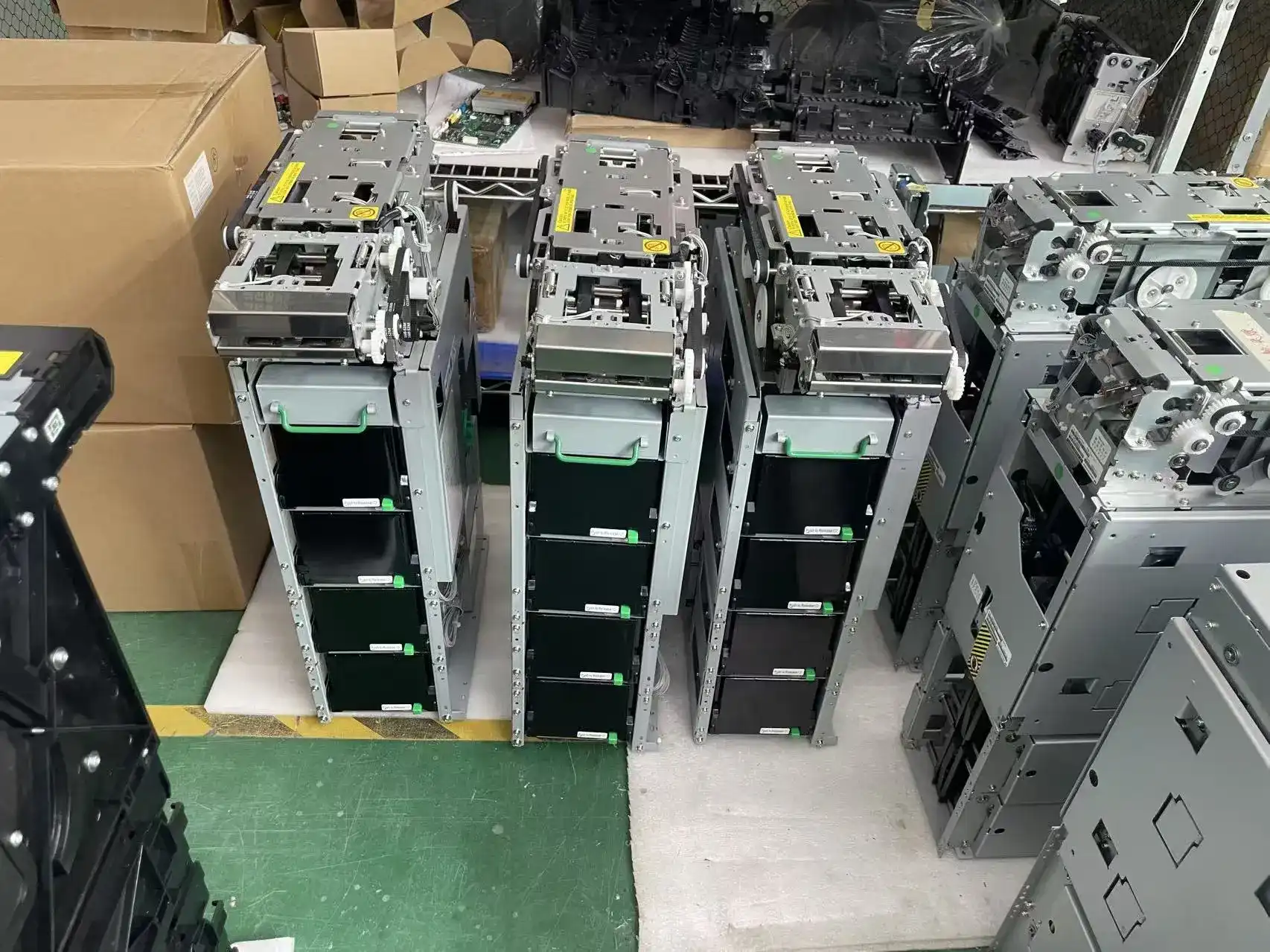
There is one problem with the Fujitsu ATM market: Fujitsu stopped making ATM hardware in 2014. That means that most OEM support channels are now closed, and the installed base around the world—mostly in Latin America, Southeast Asia, Eastern Europe, and India—must now rely on third-party suppliers. This really raises the risk of procurement.
Specification Mismatch Risks
If a main unit is listed as "compatible" without having its part numbers checked, it could fail at the interface level. There are set pin layouts, voltage tolerances, and dispenser interface parameters for the KD03234-C011 configuration. If a supplier can't give you a formal Compatibility Statement that is linked to that specific configuration number, they are only guessing and not guaranteeing.
Certification and Documentation Gaps
A lot of gray-market sellers don't get ISO approval or can't show quality records that can be tracked. Buyers can't be sure that production is consistent across batches without ISO9001 documentation and a structured quality control process. This is a big problem when they need to order 50 to 100 units for a refurbishment run.
Post-Sale Support Failures
One of the biggest issues in the ATM parts industry is that customers don't get enough help after they buy something. If a provider can't offer online technical support within 24 hours, workshop workers waste time trying to figure out installation problems that a support team with more experience could quickly fix.
Key Criteria to Evaluate When Choosing an F53 Main Unit Manufacturer


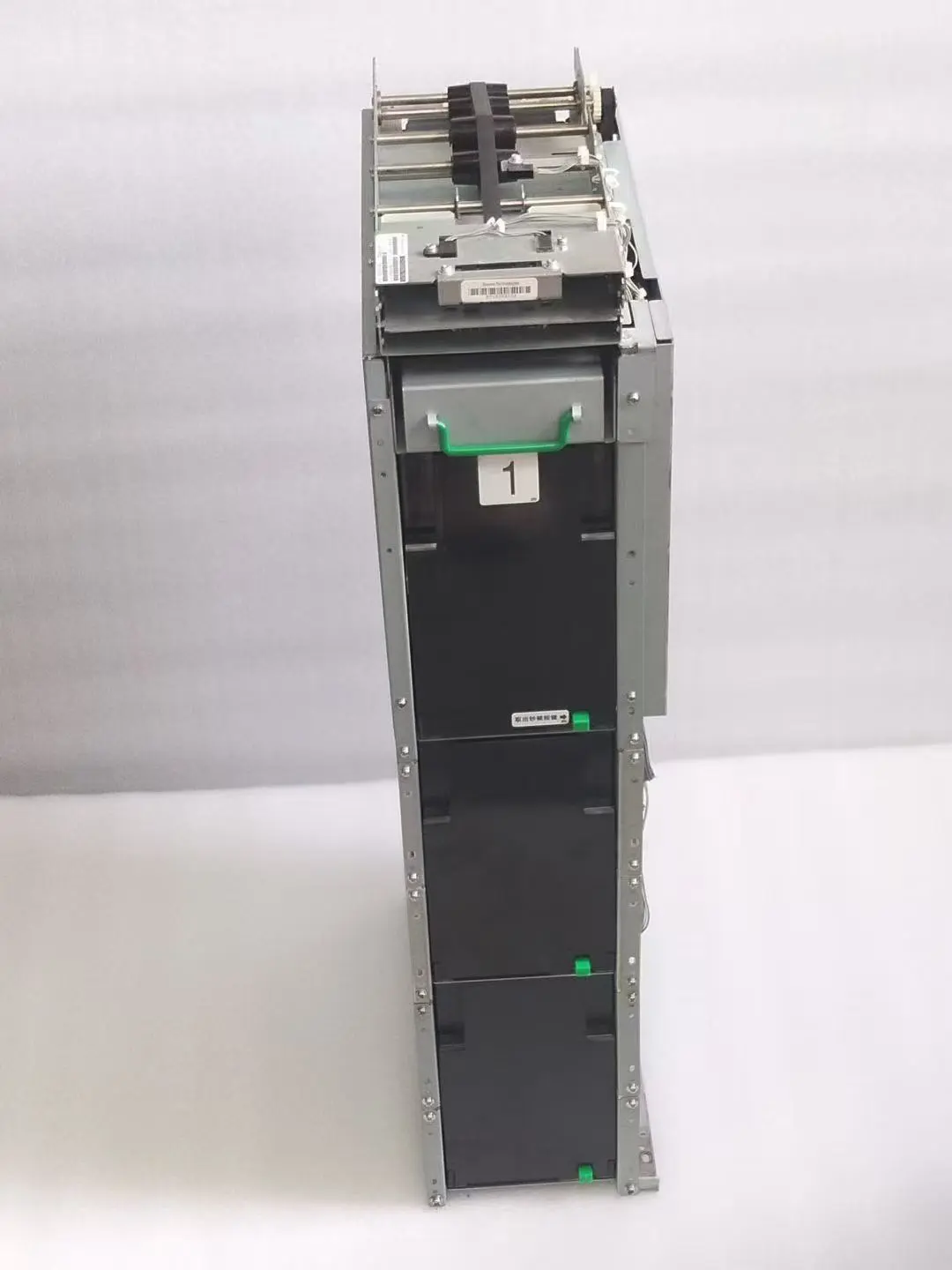
Knowing what to look for turns a guesswork purchase into a structured decision. Below are the criteria that experienced ATM refurbishers prioritize when qualifying a new supplier.
Technical Specification Alignment
The first filter is whether the supplier can confirm exact part number compatibility for the F53 main unit.
| Parameter | Details |
|---|---|
| Product Name | F53 Main Unit |
| Configuration | KD03234-C011 Main Unit |
| Compatible System | Fujitsu F53 |
| Condition | Brand New or Refurbished |
| Warranty | 30 Days + Online Support |
| Lead Time | 15–20 Working Days |
| Stock Status | In Stock |
| Origin | China |
ISO Certification and Quality Systems
A manufacturer operating under ISO9001 standards runs documented processes for incoming inspection, production control, and final testing. This is not a marketing label — it means every unit that leaves the facility has passed through defined checkpoints. Suppliers without this certification introduce uncontrolled variability into your supply chain.
Warranty Terms and Extended Coverage Options
A 30-day warranty is a baseline standard in this product category. When evaluating suppliers for long-term procurement relationships — particularly for refurbishment programs targeting 5–8 years of additional service life — ask whether extended warranty options of 6 to 12 months are available. Suppliers confident in their product quality will offer them.
Comparative Insights: F53 Main Unit Manufacturer vs. Competitors
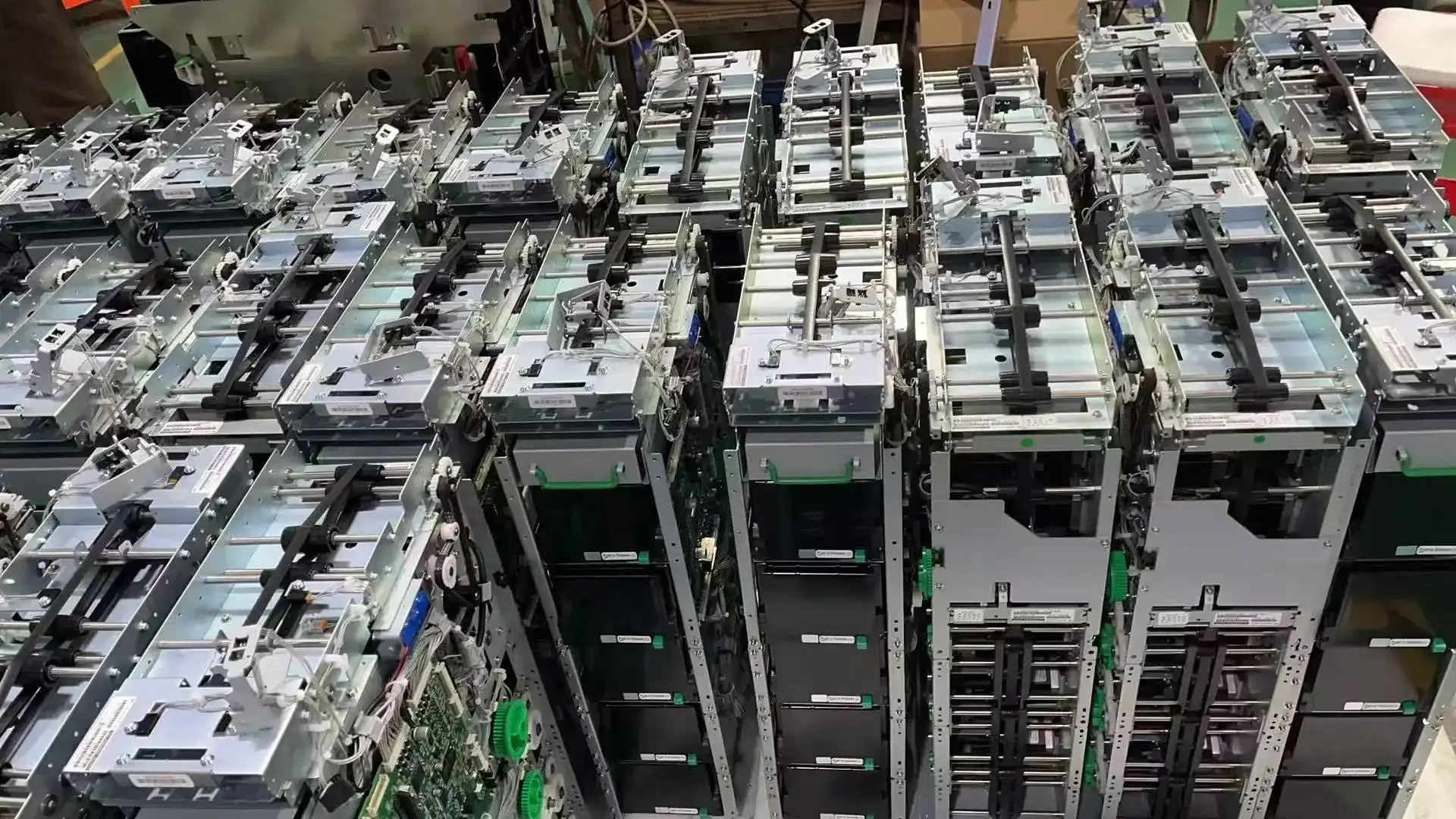
When it comes to the Fujitsu F53 aftermarket, not all providers work at the same level. It's important to do a structured comparison before committing because the differences are often not clear until after the first trial order.
Performance Benchmarks
Check out statistics on operating stability from a number of different installation settings. A seller that has been selling Fujitsu F53 parts for at least five years will have field data from places like India, Latin America, and the Middle East, where working conditions are very different.
Pricing Transparency and Total Cost
The unit price at the start is only one part of the situation. Think about the costs of reworking units that don't work together, the costs of logistics for split shipments, and the time it takes for workshop technicians to figure out problems with parts that aren't well documented. A slightly higher unit price from a reputable supplier usually means a lower overall cost per refurbished machine.
Supplier Network and Logistics Capability
The most common problem on an assembly line is missing parts. If the supplier can combine the whole bill of materials—gears, card readers, sensors, and the F53 main unit itself—into a single shipment, this problem is solved. Check with your supplier to see if they offer shipping by sea, air, or land, and if they can handle both small orders (5–10 units) and large orders (50–100 units) without affecting the lead time.
Practical Steps to Verify and Build Trust with F53 Main Unit Suppliers
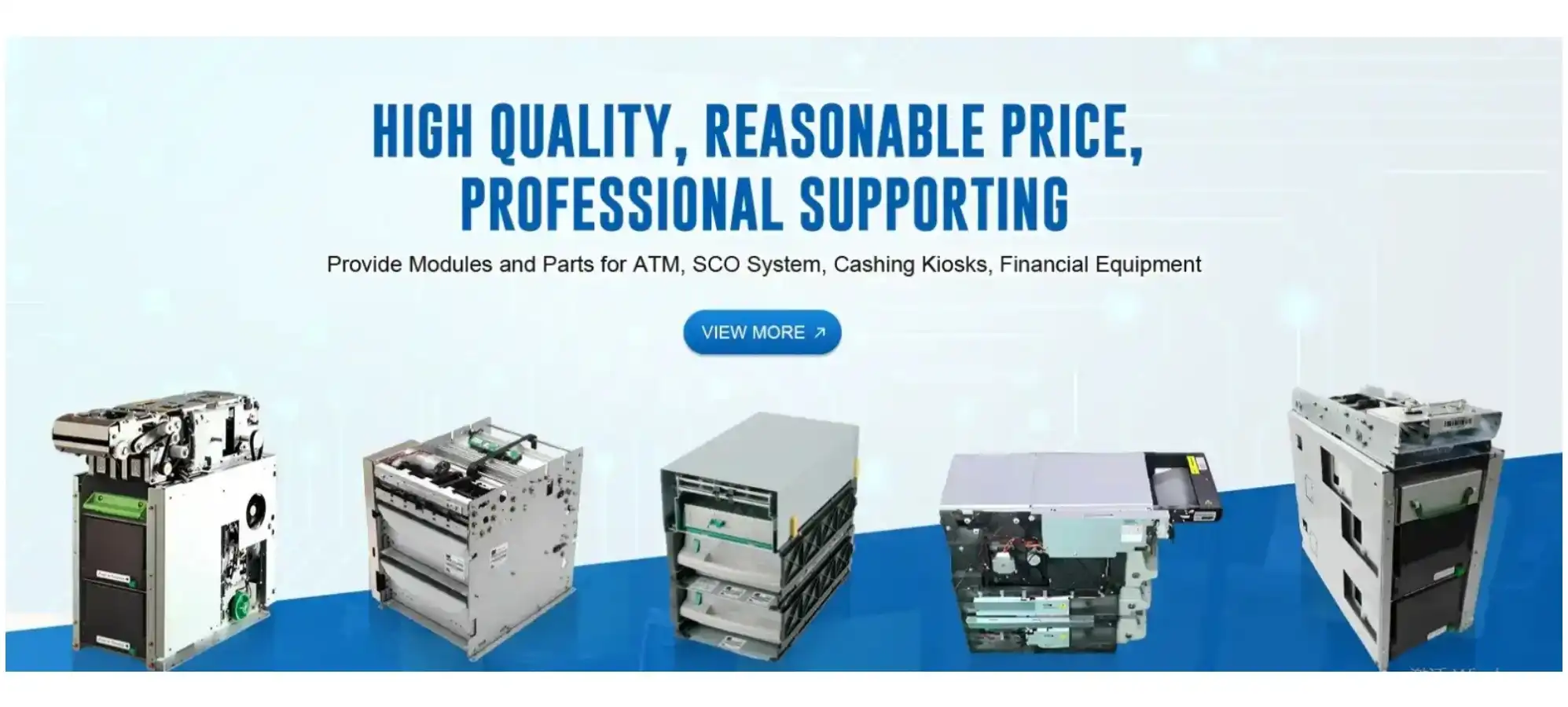
Both the technical and business sides of the purchase are protected by a short but thorough verification process before the first order is placed.
This is what buying teams should do to make sure about a seller before they agree to work with them:
- Request a sample unit or bench demonstration. A credible supplier will allow pre-shipment testing. Verify that the KD03234-C011 unit powers on correctly, interfaces cleanly with the dispenser module, and passes basic functional checks in your workshop environment.
- Review the technical data sheet in full. Confirm voltage ranges, connector types, and firmware compatibility. A supplier who provides detailed documentation rather than a generic product description demonstrates genuine product knowledge.
- Check production capacity and facility size. A 3,000 sq.m manufacturing facility with a dedicated QC department, mold room, and injection molding department indicates a supplier built for volume — not one assembling units on a workbench.
- Ask for client references in your region. Suppliers active in Latin America, Southeast Asia, or Eastern Europe will have reference accounts you can contact. Testimonials from verified ATM refurbishers carry more weight than any marketing material.
Most procurement teams find that the list of qualified candidates gets shorter quickly after this process of verification. This makes the final choice much easier to defend internally.
How to Initiate Procurement Safely and Efficiently?
A organized trial order method lowers the risk to your finances while building a strong relationship with a supplier.
Start with a Trial Order
Most buyers with experience in the ATM refurbishment business start with 5 to 10 units of the F53 main unit. This covers one workshop cycle, makes sure that your techs can install it, and makes sure that the wait time is correct before you make a bigger commitment.
Negotiate Delivery and Documentation Terms
Make sure the supplier gives you full packing lists, part number markings on individual parts, and export paperwork that meets your country's requirements. Export refurbishers that ship goods to Africa or Central Asia must have complete and correct paperwork. The typical timeline for this stage is as follows:
| Procurement Stage | Typical Timeline |
|---|---|
| Part Number Matching + Quote | 1–2 Weeks |
| Trial Order (5–10 Units) | 30–45 Days |
| Small Batch Order (50–100 Units) | 45–60 Days |
| Long-Term Supply Agreement | 3–6 Month Cycle |
Confirm After-Sale Support Channels
Check the supplier's technical support response time before signing any purchase agreement. For refurbishment projects that run on workshop schedules, a pledge to responding to online help questions within 24 hours is the bare minimum.
Conclusion
Finding a reliable maker to buy a Fujitsu F53 main unit comes down to four things: checking the exact part number, having documented quality systems, being able to supply all sub-components, and having quick expert support. When there is no longer OEM support in the market, these criteria are what keep your refurbishment program from failing and costing a lot of money. The KD03234-C011 configuration is a clear and specific standard. Make sure that any supplier you're thinking about can meet it exactly and provide proof that they can.
FAQ
Q1: What configuration does the Fujitsu F53 main unit use?
A: The standard configuration for Fujitsu F53 ATM systems is KD03234-C011. This covers the power supply interface, motherboard, and cash dispenser connection. Always confirm this part number with any supplier before placing an order.
Q2: How do I verify that a supplier's unit is genuinely compatible with the Fujitsu F53?
A: Request a written Compatibility Statement tied to the KD03234-C011 part number. Ask for test reports or installation records from existing clients using the same machine model. A supplier who cannot produce either document cannot confirm compatibility with confidence.
Q3: What warranty should I expect from a reputable supplier?
A: A standard 30-day warranty with online technical support is the baseline. For larger procurement programs, ask whether 6–12 month extended warranty options are available.
Q4: Can one supplier provide sub-components alongside the main unit?
A: Yes — and this matters. A supplier who can consolidate gears, sensors, card components, and the main unit into a single order eliminates the risk of incomplete assemblies arriving at your workshop.
Q5: What lead time is realistic for an F53 main unit order?
A: Standard lead time runs 15–20 working days from order confirmation, depending on quantity and configuration requirements.
Ready to Source the F53 Main Unit Supplier You Can Count On?
HONGKONG RONG MEI TECHNOLOGY CO., LIMITED has supplied Fujitsu F53 main unit components for over 20 years, operating from a 3,000 sq.m ISO9001-certified facility in Shenzhen. With the KD03234-C011 configuration in stock and full sub-component availability, RM supports everything from trial orders to long-term supply agreements. Contact our team at Tony@atm-part.com to request a specification sheet and quote today.
References
1. ATMIA (ATM Industry Association). Global ATM Security Guidelines and Best Practices. 2022.
2. RBR London. Global ATM Market and Forecasts. 2023.
3. International Organization for Standardization. ISO 9001:2015 Quality Management Systems — Requirements. 2015.
4. Retail Banking Research. ATM Software and Services Report. 2021.
5. ATMIA. Third-Party ATM Maintenance and Independent Service Organizations Report. 2020.
6. Financial Technology Association. B2B Procurement Standards for Financial Equipment Components. 2022.
Learn about our latest products and discounts through SMS or email