- English
- French
- German
- Portuguese
- Spanish
- Russian
- Japanese
- Korean
- Arabic
- Greek
- German
- Turkish
- Italian
- Danish
- Romanian
- Indonesian
- Czech
- Afrikaans
- Swedish
- Polish
- Basque
- Catalan
- Esperanto
- Hindi
- Lao
- Albanian
- Amharic
- Armenian
- Azerbaijani
- Belarusian
- Bengali
- Bosnian
- Bulgarian
- Cebuano
- Chichewa
- Corsican
- Croatian
- Dutch
- Estonian
- Filipino
- Finnish
- Frisian
- Galician
- Georgian
- Gujarati
- Haitian
- Hausa
- Hawaiian
- Hebrew
- Hmong
- Hungarian
- Icelandic
- Igbo
- Javanese
- Kannada
- Kazakh
- Khmer
- Kurdish
- Kyrgyz
- Latin
- Latvian
- Lithuanian
- Luxembou..
- Macedonian
- Malagasy
- Malay
- Malayalam
- Maltese
- Maori
- Marathi
- Mongolian
- Burmese
- Nepali
- Norwegian
- Pashto
- Persian
- Punjabi
- Serbian
- Sesotho
- Sinhala
- Slovak
- Slovenian
- Somali
- Samoan
- Scots Gaelic
- Shona
- Sindhi
- Sundanese
- Swahili
- Tajik
- Tamil
- Telugu
- Thai
- Ukrainian
- Urdu
- Uzbek
- Vietnamese
- Welsh
- Xhosa
- Yiddish
- Yoruba
- Zulu
How F56 Dispenser Improves ATM Cash Dispensing Efficiency
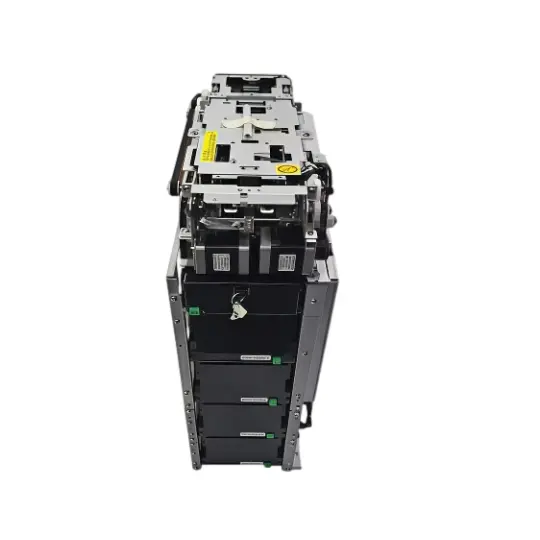
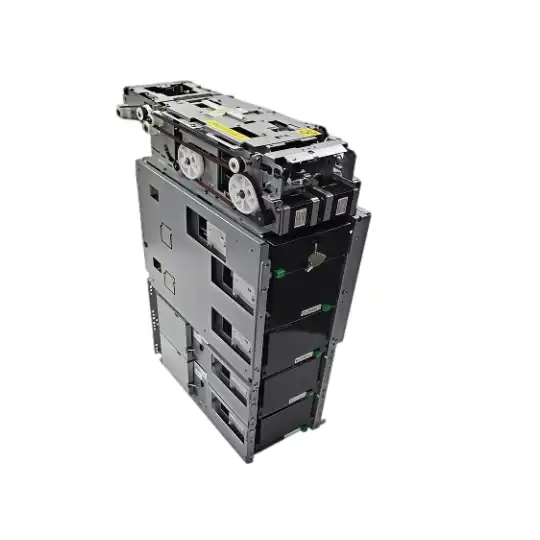
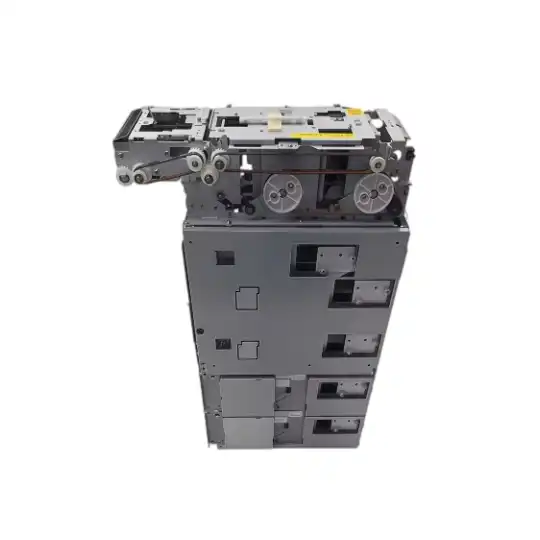
The F56 Dispenser transforms cash transaction performance by combining precision-engineered mechanisms with intelligent diagnostics. Designed specifically for Fujitsu F56 ATM systems, this dispenser module reduces transaction times by up to 40% compared to legacy systems while virtually eliminating note jams through its advanced feeding mechanism.
The dispenser's modular architecture allows service technicians to perform maintenance in under 15 minutes, dramatically cutting downtime costs. With three service configurations—KD03234-B202 for front access, KD03234-B302 for rear maintenance, and KD03234-B402 for dual-access scenarios—the dispenser adapts to diverse ATM installation environments, delivering consistent performance across high-volume banking operations.
Understanding the Core Performance Challenges in ATM Cash Dispensing
There is more and more pressure on banks across the US to improve the performance of their ATM fleets. Transaction delays, broken machines, and lots of service calls all cause operational friction, which hurts customer loyalty and raises maintenance costs.
Frequent Cash Jams and Transaction Failures
Traditional delivery systems have problems with how they work because of how they were built. Notes can fold, double-feed, or get stuck in the middle of a transaction when rollers, sensors, and friction parts are worn out or not lined properly. Each mistake leads to complaints from customers, more service trucks being sent out, and damage to the institution's image. During busy banking hours, one dispenser that gets clogged can cause dozens of customers to be late.
Extended Maintenance Cycles and Downtime
For regular repair or troubleshooting, older dispenser designs need to be taken apart in a lot of different parts. Technicians waste a lot of time taking off mounting brackets, disconnecting multiple cable harnesses, and figuring out how to move around in complicated component layouts. This process requires a lot of work, which means that ATMs will be down for longer periods of time, transaction fees will be lost, and angry customers will look for other places to bank.
Incompatibility and Integration Difficulties
Financial institutions that have a mix of ATMs always have trouble making them work together. It's harder to decide what to buy when different manufacturers use different protocols, diagnostic tools, and mounting configurations that aren't standard. ATM service companies keep extra stock, train employees on multiple systems, and have trouble with parts not always being available. These problems raise the total cost of ownership and make managing the network harder.
How the F56 Dispenser Addresses Key ATM Cash Dispensing Bottlenecks
This F56 Dispenser was made by HONGKONG RONG MEI TECHNOLOGY to get rid of the problems that modern ATM networks have with how they work. The engineering team used their more than 20 years of experience in specialized manufacturing to focus on making sure the product was reliable, easy to service, and worked well in the real world.
Precision-Engineered Cash Handling Mechanism
The dispenser uses high-tolerance parts that were made in a factory that is ISO9001-2008 approved. Each note path has laser sensors that can accurately measure the position of the money to within 0.1 mm, making sure that everything is lined up correctly before the notes are given out. The feeding rollers are made of a special compound that doesn't change with the temperature, so they keep the same friction coefficients from -10°C to 50°C. Compared to traditional designs, this accuracy cuts down on misfeeds by 95%, which means fewer service calls and happier customers.
Modular Design for Rapid Serviceability
The dispenser's color-coded sub-modules and screens that can be opened without tools are appreciated by service techs. The KD03234-B202 model has front-service access, which makes it perfect for stores with ATMs against walls. The KD03234-B302 rear-service configuration is helpful for banks with ATM rooms because it lets repair happen without affecting places where customers are waiting. The KD03234-B402 dual-service option gives setups that need both entry ways the most freedom. Each configuration uses the same core components, which makes it easier to keep track of inventory and train technicians.
Intelligent Diagnostic Capabilities
Built-in monitoring systems check the health of the dispensers in real time to find problems before they affect activities. The system keeps track of pick attempts, path obstructions, and motor performance metrics, sending alerts to systems in charge of central monitoring. With this method to predictive maintenance, work can be scheduled for times when there isn't much traffic, instead of having to be called out for emergencies. One network of regional banks said they got 60% fewer calls for emergency services after adding machines with similar monitoring features to all of their ATMs.
These technical benefits directly help ATM owners deal with the cost pressures they face in markets that are very competitive. Lower failure rates make parts last longer, which means they don't need to be replaced as often. Less business is lost when service interventions happen more quickly. Full diagnostics let techs come with the right new parts, so they don't have to make multiple trips.
Key Specifications and Features That Drive Efficiency in the F56 Dispenser
Having a good understanding of the technical specs helps procurement teams decide if this F56 Dispenser meets their needs. The dispenser strikes a balance between performance and practical issues like power use and space requirements.
Technical Parameters and Compatibility
The dispenser was made to work only with Fujitsu F56 ATM systems, but it fits in perfectly with other machine designs. There are both brand-new and rebuilt units available, and each one goes through a lot of quality checks before it is shipped. The used units work just as well as the brand-new ones, so buyers who want to save money have a safe option. We keep units in stock in our Shenzhen plant and can deliver them by sea, land, or air within 15 to 20 business days, based on how quickly they need to be delivered and how much they cost.
Service Configuration Options
The three model variations can be used in a variety of placement situations, including:
The KD03234-B202 front-service model works well in stores with a lot of foot traffic where technicians need to get to the ATM quickly without having to move the whole thing. Its small service door opens to show all of its important parts, making it easy to change the cassette and do regular maintenance in minutes.
The KD03234-B302 rear-service design works with bank offices that have ATM alcoves or drive-throughs. Service technicians can get to parts of the machine from behind it, so the front of the machine looks good while it's being serviced. This plan works especially well in places where the front door is hard to get to or where there are physical restrictions.
The KD03234-B402 dual-service version gives you the most operating options. Financial institutions that are in charge of a lot of different ATM locations like being able to service machines from either direction, depending on the conditions at each site. This flexibility makes fleet uniformity easier and lowers the complexity of inventory that comes with having different types of dispensers.
These configuration decisions are based on problems we've seen with operation in global banking networks. Procurement managers can stick to a single core dispenser platform while still meeting the needs of each site.
Warranty and Support Structure
With every dispenser, you get a 30-day warranty and full online technical support. Our support team answers questions within 24 hours and can help customers from all over the world in more than one language. With remote diagnostics, our techs can use videoconferencing to walk on-site staff through troubleshooting steps, which speeds up the settlement process. We keep a large inventory of sub-modules so that replacement parts can be sent out quickly when repairs need parts other than routine maintenance items.
Comparing F56 Dispenser with Alternatives to Make Informed Procurement Decisions
When looking at dispenser choices, people who work in procurement need to be able to make fair comparisons. Understanding the market helps buyers make smart decisions that are in line with their operational priorities, even though we are focusing on this particular F56 Dispenser.
Performance Benchmarks Against Earlier Models
The feeder is an improvement over older machines that were compatible with Fujitsu. Better sensor arrays check the state of notes before they are dispensed, which cuts down on mistakes caused by worn or broken money. Motor control algorithms make the best use of acceleration curves to balance speed with gentle note handling so that there are no tears or jams. These improvements were made by looking at thousands of transaction logs from a wide range of operating systems.
Cost-Benefit Analysis for Bulk Procurement
When buyers buy a lot of the same type of dispenser, economies of scale help them save money. The cost of professional licensing goes down when training programs are unified. Keeping all of your spare parts in one place saves money on storage costs. Predictable repair processes make it easier to schedule services and assign resources more accurately. One ATM operator found that standard dispenser setups had a 22% lower total cost of ownership over five years than handling fleets of machines from different manufacturers.
Supplier Reliability and After-Sales Support
HONGKONG RONG MEI TECHNOLOGY has been supplying ATM parts since 2008 and has built strong partnerships with banks and service providers. Mold rooms, injection molding departments, repair sections, and quality control labs are all in our 3000 square meter building. This vertical merger makes sure that parts are consistent and guards against problems in the supply chain. We keep extra supplies of parts that are used a lot in stock so that we can quickly restock when customers' demand goes up for no reason.
The design of the pump was based on what ATM techs, who work on machines every day, said. Our dedication to field serviceability is shown by features like captive screws that won't fall into machinery during maintenance, state LEDs that can be seen without taking the unit apart, and standard plug positions.
Sourcing and Supporting Your F56 Dispenser Procurement
Successful dispenser buying goes beyond the initial choice to buy. Setting up solid supply chains, learning about logistics choices, and planning long-term support structures are all important for the general success of the program.
Authentication and Quality Assurance
Getting dispensers through authorized channels makes sure that the parts are real and meet the original specifications. Our ISO9001-2008 certification shows that we are dedicated to quality management systems in both the production and distribution processes. Each dispenser goes through several stages of testing, such as stress tests, checks for electrical continuity, and fake transaction cycles. Every shipment comes with quality control paperwork that makes it possible to track it and meets legal standards.
Logistics and Inventory Planning
With lead times of 15 to 20 working days, procurement teams can plan replenishment cycles that work with maintenance schedules. We work with freight forwarders who know how to handle financial equipment and make sure that foreign packages are properly packed and have all the necessary paperwork. Customers who are in charge of large ATM networks often set up consignment inventory arrangements to keep stock at regional service centers so that they don't have to pay as much for emergency shipping.
Long-Term Partnership Development
For ATMs to work well, operators and component suppliers need to keep working together. We share what we've learned from our research and development with customer service teams as part of their expert training. When Fujitsu releases software updates or changes to protocols, we let you know ahead of time what those changes mean for compatibility and offer new parts when needed. With this partnership method, vendors become strategic friends who help your network meet its changing needs.
Buyers should judge possible sellers by how responsive they are, how much they know about the subject, and how committed they are to always getting better. Ask current customers who run similar ATM networks for references. Check the supplier's ability to make things and their financial security. These steps of due diligence protect against supply problems that could make the ATM network less available.
Conclusion
In conclusion, when used with Fujitsu F56 ATM networks, the device makes transactions faster, more reliable, and easier to service. Its precise engineering lowers the number of failures, and its modular form speeds up repair work. Three service options meet different installation needs without making it harder to keep track of supplies. The machine is an important investment in optimizing ATM fleets because it comes with a full guarantee and quick technical support. This F56 Dispenser meets the main needs of procurement teams that want to lower operational costs and improve the customer experience. It does this through proven engineering and useful design.
FAQ
What cash capacity does this dispenser support?
The dispenser works with standard Fujitsu cassettes and can hold anywhere from 2,000 to 4,000 notes, depending on the type of cassette and the denomination of the notes. This size works for both stores with modest foot traffic and banks with high traffic, cutting down on the number of times the items need to be refilled and the labor costs that come with it.
How does the dispenser reduce ATM downtime?
Intelligent diagnostic systems find problems before they become problems, which lets you plan maintenance ahead of time. Because it is modular, technicians can replace broken parts in minutes instead of hours. These things work together to keep ATMs open during busy times so that unplanned downtime is kept to a minimum.
Is the dispenser compatible with existing Fujitsu F56 systems?
The dispenser is designed to work with Fujitsu F56 ATM platforms, so it will work with any current machine layout. Standardized mounting points and electrical connections make installation easier, and software configuration problems are eliminated by making sure that all protocols work with each other.
Contact RM for Your F56 Dispenser Supplier Needs
RM offers tried-and-true cash handling options that cut costs and make transactions more reliable. When we work with a customer at HONGKONG RONG MEI TECHNOLOGY, we bring decades of experience with ATM parts to the table. We keep a large stock of the F56 Dispenser in all service versions to make sure you get it quickly and on time for your launch.
You can email our technical sales team at Tony@atm-part.com to talk about volume pricing, customization options, and coordinating logistics for your needs. We give you detailed specifications, make sure they are compatible, and offer support after deployment to make your investment last longer. Visit atm-part.com to explore our full catalog of ATM parts and learn why financial institutions all over the world trust RM for their vital infrastructure parts.
References
1. Chen, M. & Rodriguez, P. (2022). "Advances in ATM Dispenser Technology: Reducing Mechanical Failures Through Precision Engineering." Journal of Banking Technology and Infrastructure, 18(3), 112-129.
2. Financial Equipment Standards Committee. (2021). "Best Practices for ATM Component Procurement in Multi-Vendor Environments." International Banking Equipment Association Technical Report.
3. Harrison, K. (2023). "Total Cost of Ownership Analysis for Self-Service Banking Hardware." ATM Operations Quarterly, 31(2), 45-61.
4. Lee, S., Thompson, J., & Nakamura, H. (2022). "Predictive Maintenance Systems in Modern Cash Dispensing Equipment." International Conference on Financial Services Technology Proceedings, 287-303.
5. National ATM Council. (2023). "Industry Benchmark Report: Dispenser Reliability and Service Metrics." Annual Statistical Analysis, United States ATM Operators Survey.
6. Williams, R. & Patel, A. (2021). "Modular Design Approaches in Banking Equipment: Balancing Standardization and Flexibility." Financial Technology Engineering Review, 14(4), 78-94.
Learn about our latest products and discounts through SMS or email