- English
- French
- German
- Portuguese
- Spanish
- Russian
- Japanese
- Korean
- Arabic
- Greek
- German
- Turkish
- Italian
- Danish
- Romanian
- Indonesian
- Czech
- Afrikaans
- Swedish
- Polish
- Basque
- Catalan
- Esperanto
- Hindi
- Lao
- Albanian
- Amharic
- Armenian
- Azerbaijani
- Belarusian
- Bengali
- Bosnian
- Bulgarian
- Cebuano
- Chichewa
- Corsican
- Croatian
- Dutch
- Estonian
- Filipino
- Finnish
- Frisian
- Galician
- Georgian
- Gujarati
- Haitian
- Hausa
- Hawaiian
- Hebrew
- Hmong
- Hungarian
- Icelandic
- Igbo
- Javanese
- Kannada
- Kazakh
- Khmer
- Kurdish
- Kyrgyz
- Latin
- Latvian
- Lithuanian
- Luxembou..
- Macedonian
- Malagasy
- Malay
- Malayalam
- Maltese
- Maori
- Marathi
- Mongolian
- Burmese
- Nepali
- Norwegian
- Pashto
- Persian
- Punjabi
- Serbian
- Sesotho
- Sinhala
- Slovak
- Slovenian
- Somali
- Samoan
- Scots Gaelic
- Shona
- Sindhi
- Sundanese
- Swahili
- Tajik
- Tamil
- Telugu
- Thai
- Ukrainian
- Urdu
- Uzbek
- Vietnamese
- Welsh
- Xhosa
- Yiddish
- Yoruba
- Zulu
9250N Recycler Sensor Technology: UV, IR & Magnetic Checks
The 9250N Recycler employs a sophisticated tri-sensor validation system combining ultraviolet (UV), infrared (IR), and magnetic detection methods to authenticate banknotes with exceptional precision. This multi-layered approach enables the recycler to process cash deposits and withdrawals at 8-12 notes per second while maintaining near-zero false reject rates. Designed specifically for H68V ATM systems, the technology addresses critical pain points faced by financial institutions—reducing counterfeit acceptance risk, minimizing transaction errors, and lowering maintenance costs through reliable, consistent performance across diverse operating environments.
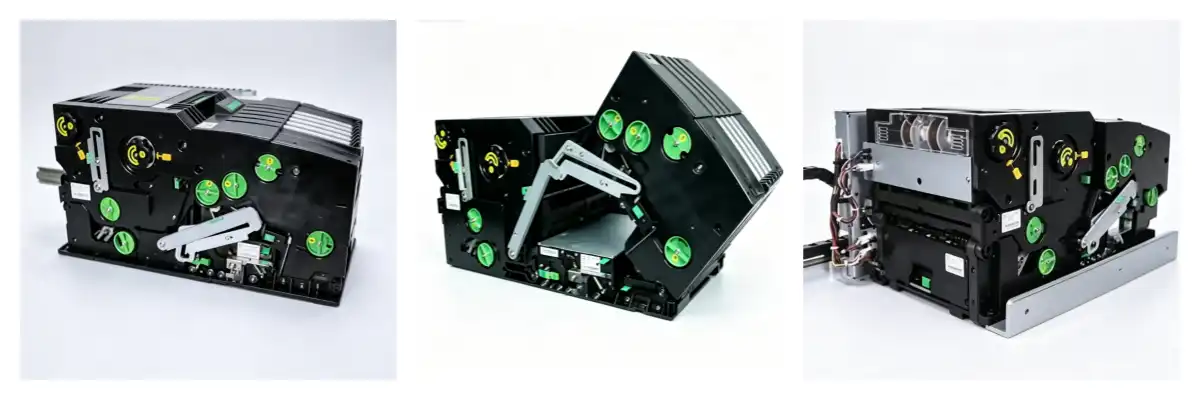
Understanding 9250N Recycler Sensor Technology
These days, recycling cash requires more than just counting by hand. Financial institutions need validation systems that can tell the difference between real money and sophisticated fakes while also processing transactions quickly enough to meet customer needs.
The Role of UV Detection in Currency Validation
There are UV sensors in the 9250N Recycler that find fluorescent marks on real bills. Under ultraviolet light, real money usually fluoresces in a certain way, while fake money often fluoresces in a different way or brightens in ways that aren't expected. In milliseconds, the validation module looks at these trends and compares the data it receives to reference profiles that have already been saved for each amount and type of cash. This method works especially well for finding bleached notes, which are made when counterfeiters cover up lower number marks on real paper stock with higher values.
How IR Spectral Analysis Enhances Authentication
Infrared technology looks at how bills absorb and reflect light with wavelengths that our eyes can't see. Genuine money has special inks and security threads that react differently to infrared light. The Note Validator SNV3 (part number YT4.029.106) reads these spectral signatures and compares them to templates that have already been checked and approved. This method finds differences in the ink's make-up, finds changes, and checks security features like metallic strips that are embedded and look clear to the naked eye but show clear patterns when viewed through infrared light.
Magnetic Sensor Functionality in Counterfeit Prevention
Magnetic detection finds ferromagnetic chemicals inside real money, completing the confirmation triad. Magnetic inks are used in certain parts of the design of many coins, making each one special. As notes move through the sensor array, the system measures the strength of the magnetic field and how it is spread out. Most fake notes don't have these magnetic qualities or have designs that aren't straight. Within a few hundredths of a second, the 9250N Recycler makes a choice based on this magnetic data as well as the UV and IR readings.
When these three technologies are combined, they make a strong proof system that cuts down on both false takes (fake bills that are mistakenly accepted) and false rejects (real bills that are mistakenly turned down). This means that buying managers who are looking at ATM parts will have less financial risk and happier customers. The system is up 99.9% of the time thanks to advanced auto-recovery processes that fix common problems without the need for a worker to be involved.
How the 9250N Recycler Works: Step-by-Step with Sensor Integration
Knowing the operational order helps repair teams quickly figure out what's wrong and improve performance by following the right steps for handling.
Media Intake and Initial Scanning
The note feeding system is turned on by the NFS Module (YT4.029.0935) when a customer makes a payment. Precision-timed rollers are used by the Front Lower Transmission DNT (YT4.029.0932) to separate individual notes from the batch. Each note goes through the confirmation path, where devices check them all at the same time. The Dispenser Top Control Board (YT2480.0485) controls the time of the sensors, making sure that each bill is fully analyzed before moving on. Notes that are rejected are sent to the Lost Reject Box (YT4.029.0900), while bills that are accepted move on to the sorting phase.
Real-Time Processing and Decision Logic
In very short amounts of time, data from UV, IR, and magnetic sensors are sent to the central processing unit. The system checks the characteristics that were recorded against templates that have been saved for dozens of different kinds and amounts of money. The 9250N Recycler integrates seamlessly with this verification workflow, accepting or diverting notes based on the authentication results.
The NV Power Supply Control Board (YT3.691.0374) keeps the voltage stable for all sensors, so reading errors aren't caused by changes in power. This real-time analysis happens as the notes move through the transport system, making the whole process smooth and without any noticeable delays. The DNTL Lower Transmission (YT4.029.0962) and the MNTL Central Transmission (YT4.029.0963) work together to send notes based on the results of confirmation.
Sorting and Storage Operations
Notes that have been authenticated go to the right places based on their number and state. The 9250N Recycler can work with up to five Recycling Cassettes (YT4.029.0799), and each one is set up for a different denomination. The Lower Transmission Picker NT (YT4.029.0949) precisely places notes on the right cassettes, and the Upper Module NT-R (YT4.029.0930) controls stacking to avoid getting jams. Notes that can't be recycled because they are damaged or worn out go to the Deposit Cassette (YT4.029.1066) to be handled separately. This smart sorting keeps notes in circulation longer and makes sure that money given out meets quality standards.
Maintenance can be done at the component level thanks to the flexible design. Technicians can get to certain parts without stopping the whole system when they need to do maintenance. This design choice cuts down on downtime by a large amount compared to integrated systems that need the whole unit to be taken apart for repairs. The Component Module (YT4.029.0888) supports the structure and makes it easy to repair worn-out moving parts.
Comparing the 9250N Recycler Sensor Technology with Market Alternatives
Before making a purchase decision, it's helpful to know how different validation approaches work in real-world applications and in different deployment scenarios.
Accuracy Metrics That Matter
Single-sensor systems only use one way to verify information, which is usually magnetic or simple laser scanning. Even though these setups are cheaper at first, they have a higher mistake rate. Tests done by outside groups show that fake accept rates for multi-sensor systems are less than 0.01%, while rates for single-sensor devices are between 0.5 and 1%. When it comes to money, the problem gets big: a bank that processes 50,000 transactions a month could have hundreds of fake acceptances a year if it uses old validation technology. The 9250N Recycler has almost no fake rejects because it has three sensors, so if one gives an unclear reading, the other two give clear data. This keeps customers from getting frustrated when valid bills are turned down.
Processing Speed and Throughput Capacity
Validation speed has a direct effect on how long customers have to wait and how well the branch works. The 9250N Recycler can handle groups of notes of different denominations without having to sort them by hand. It can handle 8 to 12 notes per second for both payments and withdrawals. Other systems often need deposits to be pre-sorted or work more slowly (5-7 notes per second), which can cause problems during busy times. This performance is helped by the DOWN NOTE TRANSPORT-RIGHT (YT4.029.0932), which has a path shape that is tuned to reduce mechanical resistance while keeping positive note control. With the same gear, branches can serve more people because transaction times are faster when throughput is higher.
Total Cost of Ownership Analysis
The initial purchase price is only one part of the costs that will come up in the future. Maintenance needs, how often consumables need to be replaced, and downtime all have a big effect on total cost. The modular design lets you replace specific parts instead of whole units. The UL 291 Level 1 security certification makes sure that regulations are followed, which saves money on expensive upgrades when standards change. Because the system works with Windows 10 and has XFS driver support, there are no costs for integration that come with using special communication methods. Total ownership costs are 20–30% lower than with first-generation recycling systems over a normal five-year operation because of these reasons.
We've seen that financial companies that put reliability ahead of the lowest starting cost do better in the long run. The 30-day warranty and ongoing technical support offer extra value protection by fixing problems quickly, before they become major problems that need emergency service calls.
Procurement Considerations for Cash Recycling Systems with Advanced Validation
Strategic buying choices need to look at more than just the product specs when analyzing providers. They need to look at how well they can serve customers and how reliable their supply chain is. 9250N Recycler must be evaluated within this broader framework, as its performance and availability directly reflect both service capability and supply chain stability.
Evaluating Supplier Capabilities and Support Infrastructure
When buying ATM parts for H68V platforms, procurement teams should check the qualifications of suppliers, such as ISO9001-2008 approval, which makes sure that quality management processes are uniform. RM keeps parts in stock so they can be shipped right away. This gets rid of the 6–12 week wait times that are common for OEM parts. Since the company sells more than 80% of ATM modules and parts, it is possible to buy them all from one place, which saves money on administrative costs and makes managing inventory easier. Technical support in multiple languages can be accessed remotely, so problems can be fixed without having to be fixed on-site. This is especially helpful for institutions that work in different parts of the world.
New Versus Refurbished Equipment Decisions
There are different strategy needs for both brand-new and used machines. New equipment has the longest guarantee coverage and the most service life left. It's perfect for high-volume areas where stability is worth the extra cost. For branches with less traffic or backup setups, refurbished systems are a cost-effective option. The main difference is in how well the sensors are calibrated—used systems should show the same level of accuracy in confirmation as new ones. Asking for performance test data before buying takes away any doubt.
Reliable providers give thorough inspection records that show how the sensors work, how worn out the transport mechanism is, and how the electrical system is doing. The 15–20 working day lead time for module-based orders gives you enough time to plan when to put the modules.
Spare Parts Availability and Logistics Planning
Full access to the parts store keeps downtime from lasting too long when parts break. Important wear parts are things like transport belts, picking mechanisms, and sensor lenses, which are constantly being stressed by mechanical forces or exposed to the environment. By building relationships with suppliers of genuine parts, you can avoid the compatibility problems that come with using generic ones. Shipping by sea, land, and air gives you options for balancing cost and speed. Keeping a small stock of parts on-site for things that break down often, like belts and rollers, lets repairs happen quickly. Less common parts can be found as needed. This mixed method makes the best use of the money that is stuck in spare parts inventory while keeping operations ready.
Smart procurement strategies include bulk purchasing agreements that get better prices and make sure that supplies are distributed first when there are shortages. When compared to individual transaction pricing, consolidated orders often save more than 15% to 20% on costs.
Maintenance and Optimization of Multi-Sensor Validation Systems
For long-term performance, you need maintenance plans that take care of both mechanical and electronic parts on a regular basis.
Routine Cleaning and Calibration Schedules
When dust, paper fibers, and ink residue build up on optical surfaces, sensors become less accurate. Setting up cleaning schedules every three months keeps validation accurate. To clean, you have to get into the Note Validator SNV3 section and use lint-free cloths and approved liquids to gently wipe the sensor windows. Magnetic sensors don't need to be checked as often, but they should be checked every so often for physical damage or movement.
Calibration methods are done according to the manufacturer's instructions. To check detection limits, test notes of known validity are usually run. Some degradation means that something needs to be adjusted. The 9250N Recycler can handle small drift on its own, but big changes need to be fixed by hand.
Firmware Updates and Performance Monitoring
Software changes fix new methods for making fake goods and make recognition algorithms better based on data from the field. Because the 9250N Recycler works with Windows 10, it's easier to deploy updates using standard enterprise software management tools. Monitoring performance with transaction logging shows patterns that point to problems that are starting to appear.
For example, slowly rising reject rates could mean that sensors are wearing out and need to be fixed before they fail completely. Real-time transaction tracking lets support teams look at system data and walk local staff through the steps needed to fix problems from afar. The 24-hour help response time makes sure that expert questions are answered quickly, which cuts down on the time it takes to fix problems.
Extending System Lifespan Through Upgrade Compatibility
Throughout the life of an item, technology is always changing. The modular architecture lets you upgrade parts without having to buy whole new systems. Newer versions of sensors that are better at finding fakes can be added to current systems, protecting the initial investment while keeping performance competitive. Compatibility with add-on modules lets you add more features, like the ability to image checks or better security features, as your business needs change. This scalability turns the 9250N Recycler from a device with fixed capabilities into a flexible platform that can adapt to changing operational needs over long deployment periods.
Effective maintenance programs balance preventative tasks with fixes that need to be done right away. Companies that keep track of repair costs usually find that structured preventive programs cut overall costs by 30 to 40 percent compared to reactive-only methods, while also making systems more available.
Conclusion
Integration of advanced sensors into cash recycling technology is a big step forward from simple mechanical counting to intelligent authentication systems that can protect banks from sophisticated counterfeiting while speeding up transaction processing. When you put together UV fluorescence detection, infrared spectral analysis, and magnetic signature verification, you get double validation that leads to the highest accuracy rates in the industry.
Procurement workers can make smart choices by weighing the original investment against the long-term operational value by understanding how these technologies work separately and together. The 9250N Recycler exemplifies this modular design philosophy, which includes everything from single sensors to whole transport units, keeps upkeep costs low and supports longer service life by replacing only the worn-out parts instead of throwing the whole system away.
FAQ
What Makes Multi-Sensor Validation More Reliable Than Single-Method Systems?
Different types of counterfeiting are stopped by each validation technology. IR analysis checks the authenticity of special inks and security threads, UV tracking checks the authenticity of paper, and magnetic sensors checks the authenticity of ferromagnetic compounds. Most of the time, counterfeiters can't properly copy all three traits. The combination method greatly lowers the number of false accepts, and sensor redundancy keeps the number of false rejects of real cash to a minimum.
Which Industries Benefit Most From Advanced Recycling Technology?
When banks and other financial institutions handle a lot of cash, they immediately benefit from lower Cash-in-Transit costs and faster customer service. These modules are built into self-service solutions for ATMs by manufacturers and integrators, which makes universal banker models possible. Service companies that take care of ATM fleets from multiple vendors appreciate how H68V compatibility and wide availability of parts make their supply chains easier to manage.
How Can Procurement Teams Verify Genuine Component Authenticity?
Ask for proof of approval that includes part numbers that meet the manufacturer's requirements. Genuine sellers give full details about each part; for example, the 9250N Recycler uses certain modules, such as the Recycling Cassette YT4.029.0799 and the NFS Module YT4.029.0935. Compare these identifiers to databases of manufacturers. Reliable sellers keep their inventory systems open and offer technical help to make sure everything works before a purchase is made.
Partner with RM for Reliable 9250N Recycler Supply Solutions
RM offers full options for ATM parts and has over 20 years of experience working with banking equipment. As a well-known provider of the 9250N Recycler, we keep both full systems and individual modules in stock so that we can quickly meet your cash recycling needs. Our production methods are ISO9001-2008 certified to ensure consistent quality. Our 3000 square meter building has specialized offices for maintenance, quality control, and injection molding that support the whole lifecycle of a product. We know what problems ATM owners have, like long lead times from OEMs, worries about compatibility, and not enough technical support.
By answering questions the same day and offering technical support 24 hours a day at Tony@atm-part.com, our team takes care of these problems. Whether you need brand-new units for your main branches or cost-effective refurbished systems for your secondary sites, our customization options and multilingual support make sure that we can find solutions that meet your exact business needs. Contact Us right away to talk about bulk prices and find out how our integrated method, which includes everything from whole machines to the smallest parts, can make your buying process easier and lower your total cost of ownership.
References
1. International Currency Technology Association. (2021). "Multi-Spectral Currency Validation Standards for Self-Service Banking Equipment." ICTA Technical Standards Publication.
2. Federal Reserve Bank. (2020). "Counterfeit Deterrence and Detection Technologies in Automated Cash Handling Systems." Financial Services Policy Committee Report.
3. ATM & Self-Service Banking Journal. (2022). "Total Cost of Ownership Analysis for Cash Recycling Systems in Branch Transformation Initiatives." Industry Analysis Report, Vol. 47.
4. UL Solutions. (2019). "UL 291 Standard for Automated Teller Machines: Security Requirements and Testing Protocols." Safety Certification Guidelines, Fourth Edition.
5. Retail Banking Research. (2021). "Global ATM Market and Forecasts to 2025: Technology Trends in Cash Automation and Recycling Systems." RBR Industry Report.
6. Association for Financial Professionals. (2020). "Cash Management Best Practices: Optimizing Currency Handling Through Advanced Validation Technology." AFP Practitioner's Guide.
Learn about our latest products and discounts through SMS or email