- English
- French
- German
- Portuguese
- Spanish
- Russian
- Japanese
- Korean
- Arabic
- Greek
- German
- Turkish
- Italian
- Danish
- Romanian
- Indonesian
- Czech
- Afrikaans
- Swedish
- Polish
- Basque
- Catalan
- Esperanto
- Hindi
- Lao
- Albanian
- Amharic
- Armenian
- Azerbaijani
- Belarusian
- Bengali
- Bosnian
- Bulgarian
- Cebuano
- Chichewa
- Corsican
- Croatian
- Dutch
- Estonian
- Filipino
- Finnish
- Frisian
- Galician
- Georgian
- Gujarati
- Haitian
- Hausa
- Hawaiian
- Hebrew
- Hmong
- Hungarian
- Icelandic
- Igbo
- Javanese
- Kannada
- Kazakh
- Khmer
- Kurdish
- Kyrgyz
- Latin
- Latvian
- Lithuanian
- Luxembou..
- Macedonian
- Malagasy
- Malay
- Malayalam
- Maltese
- Maori
- Marathi
- Mongolian
- Burmese
- Nepali
- Norwegian
- Pashto
- Persian
- Punjabi
- Serbian
- Sesotho
- Sinhala
- Slovak
- Slovenian
- Somali
- Samoan
- Scots Gaelic
- Shona
- Sindhi
- Sundanese
- Swahili
- Tajik
- Tamil
- Telugu
- Thai
- Ukrainian
- Urdu
- Uzbek
- Vietnamese
- Welsh
- Xhosa
- Yiddish
- Yoruba
- Zulu
GRG TCR Main Module Components and Functions Explained
The GRG TCR Main Module serves as the operational heart of modern ATM cash recycling systems, delivering precision and reliability that banks and service providers demand daily. Understanding its components and functionalities is vital for procurement professionals managing ATM fleets across diverse markets. Whether you're a purchasing manager seeking cost-effective replacement solutions, a technical engineer troubleshooting equipment issues, or a distributor evaluating inventory options, mastering the TCR architecture enables smarter decisions.
This guide explores the 9250N Recycler system used in H68V ATMs, providing actionable insights into how each component functions within the cash handling ecosystem. Our aim is to equip decision-makers with technical knowledge that translates into improved uptime, reduced maintenance costs, and enhanced transaction security.
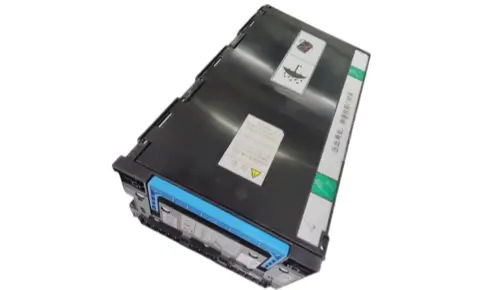
What is the GRG TCR Main Module?
With the GRG TCR Main Module, you can recycle cash in a sophisticated way that is designed to work with H68V ATMs. At its core, this system handles the whole cash cycle. It does this by using an integrated modular design to accept payments, check the validity of notes, store them safely, and give out withdrawals. The 9250N Recycler, which is RM's most advanced use of this technology, can handle 8 to 12 notes per minute and has UL 291 Level 1 security approval, so it works quickly and safely in high-volume settings.
Technical Specifications That Matter
Processing speed determines the experience of the user at every point of the transaction. The module can work with up to five recycling cassettes that can hold more than 10,000 bills. This means it can be used in a variety of places, from bank offices in cities to ATMs in rural areas. Multi-spectrum validation technology, which uses magnetic, UV/IR, and thickness sensors, has almost no false rejection rates. This keeps fake money out of banks and keeps customers from being angry.
Primary Application Environments
The TCR module's flexibility is especially valued by banks that work in developing countries. The method works consistently in tough situations where changes in temperature and dust exposure test how long equipment will last. US financial institutions can use systems that are compatible with Windows 10, which makes it easy to connect to their current core banking infrastructure. The module has an uptime of 99.9% thanks to advanced auto-recovery mechanisms that find and fix jams without the need for a technician's help. This cuts down on service calls by about 40% compared to older systems that only had dispensers.
Components Breakdown: Understanding GRG TCR Main Module's Structure
The GRG TCR Main Module system is based on the idea of modular design, which lets maintenance teams change out individual parts without stopping the whole ATM from working. The total cost of ownership is lower and fix times are shorter because of this design.
Cash Handling Components
The YT4.029.1066 Deposit Cassette is the main place where customer deposits go. Its reinforced construction means it can handle being used every day. Every deposit is checked right away, and then the notes are put into the Recycling Cassette (YT4.029.0799), which stores checked money for later use. The Lost Reject Box (YT4.029.0900) safely stores notes that fail authentication checks so that they can be looked at later. This creates an audit record that meets legal requirements. The Component Module (YT4.029.0888) supports the structure and houses sensors that check the state of the tape in real time.
Transport System Architecture
Precision-engineered moving systems make it possible for money to move through the module. The DNTL Lower Transmission (YT4.029.0962) moves notes from one cassette level to the next, while the MNTL Central Transmission (YT4.029.0963) routes notes from the input to the output points. The Lower Transmission Picker NT (YT4.029.0949) uses vacuum technology to remove notes from stacks so that there are no double feeds, which can fail transactions. The Front Lower Transmission DNT (YT4.029.0932) controls the direction of bills as they enter confirmation zones, making sure that they are always shown to sensors in the same way.
Control and Validation Systems
The processing code that controls all mechanical processes is in the Upper Module NT-R (YT4.029.0930). The Dispenser Top Control Board (YT2480.0485) is the brains of the ATM. It runs orders sent by the main computer and checks the state of all the parts all the time through diagnostic routines. The NV Power Supply Control Board (YT3.691.0374/301010939) is in charge of managing power. It controls voltage distribution to keep gadgets from being damaged by sudden changes in electricity. The NFS Module (YT4.029.0935) controls the speed at which bills are fed, changing the timing based on the condition of the bills so that worn bills can be fed without getting stuck.
The Note Validator SNV3 (YT4.029.106) does the authentication and uses more than one detection method at the same time. Within milliseconds, magnetic ink patterns, UV security features, infrared absorption traits, and physical measurements are all looked at to make a full security profile for each note. This multi-layered method explains why the system has such low rates of fake rejection while still meeting high security standards.
How Does the GRG TCR Main Module Work?
Technicians can quickly figure out what's wrong when they understand business flow, and buying teams can accurately judge performance claims for the GRG TCR Main Module. When a customer puts money into the deposit slot, the transaction starts.
Transaction Processing Sequence
When notes are put into the system, they go straight to the validation pathway. Notes are moved through the Note Validator SNV3 at a controlled speed by the transport system. This lets sensors take accurate readings and pictures. Validated notes are sent to available recycling boxes based on the amount and the number of notes in stock at the moment. The fast rate of 8–12 notes per minute is made possible by the control board, which updates transaction records and sets up the next note pathway at the same time.
When you ask for a withdrawal, processes go backwards. The system figures out which cassette to use based on the standards for each amount and the history of note state. Individual notes are separated by the picker mechanism and sent to the dispenser slot through the transport network. During this trip, sensors check to make sure that the right amount gets to the customer and start recounting automatically if there are any problems.
Common Troubleshooting Scenarios
Transport jams caused by damaged money or foreign objects happen a lot to maintenance teams. The modular design lets techs take out just the transport part they need, like the Front Lower Transmission DNT or DOWN NOTE TRANSPORT-RIGHT (YT4.029.0932), without having to take the whole module apart. Visual inspection usually shows where the obstruction is, and replacing a part takes about 15 to 20 minutes if you know what you're doing.
Sometimes validation errors are caused by sensor calibration drift instead of fake money. The rejection patterns that are recorded by the control board help techs figure out which sensor needs to be re-calibrated. RM's support team can help local techs make adjustments by using remote diagnostics over a network link. Often, problems can be fixed without sending parts.
GRG TCR Main Module Vs. Competitors: Why Choose RM Solutions?
When making purchases of the GRG TCR Main Module, people look at more than just the initial purchase price. When figuring out the total cost of ownership, you have to think about how reliable the equipment is, how much it costs to maintain, and how well it works over its entire lifecycle.
Performance and Reliability Advantages
The 99.9% uptime rating for RM's 9250N Recycler comes from engineering decisions that put durability first. Materials used in parts are put through tests that make them age faster, simulating five years of continuous use, before they can be used in production. The auto-recovery mechanism can tell the difference between temporary jams that only need a few tries and serious faults that need to be fixed by a technician. This keeps service calls that aren't necessary from interrupting branch operations to a minimum.
When cash handling parts wear out on competing systems, the whole cassette needs to be replaced. RM's design lets you replace only the broken part, like the picker mechanism or a certain transport belt. This cuts the cost of parts by 60% compared to replacing the whole cassette.
Integration and Support Superiority
Windows 10 compatibility makes sure that the module works well with current ATM operating systems. It supports encrypted transaction data and features for remote tracking that branch managers depend on more and more. The system works with common SCADA platforms that ATM owners who run multiple locations use. This lets them handle their entire fleet from one place without having to use special software.
RM backs up every 9250N Recycler with a 30-day warranty and Tang@atm-part.com for online technical support. Service teams in Southeast Asia, the Middle East, Africa, and Latin America can quickly solve problems with the help of people who speak more than one language. This support system, which was built up over more than 20 years in the ATM parts business, lets RM users know that they can get help when their equipment breaks down.
Cost-Benefit Analysis for Procurement Teams
When banks replace older ATMs with recycling technology, they usually get their money back in 18 to 24 months because they don't have to handle as much cash. Accepting deposits and issuing withdrawals from the same stockpile of notes cuts down on the amount of cash that is in motion by about 35%, which greatly reduces the cost of armoured car service. RM's low prices on replacement parts keep these savings going for as long as the equipment is in use, which is especially helpful in high-volume areas where parts wear out faster.
Installation, Maintenance, and Support for GRG TCR Main Module
Installing the GRG TCR Main Module correctly sets the stage for years of reliable service. RM gives thorough technical information on how to prepare the site, what wiring needs to be done, and how to integrate the recycler technology. This information is useful for both experienced techs and teams that are new to this technology.
Installation Best Practices
The environment has a big effect on how long modules last. To keep electrical parts from condensing, installation areas should keep the temperature between 15°C and 30°C and the relative humidity below 80%. If there is enough air flow around the ATM box, heat won't build up and speed up sensor drift, which will shorten the life of the control board. It is important to have a good power supply. To protect against electrical surges that happen in places with unstable grid infrastructure, voltage regulators or uninterruptible power systems are commonly used.
Standardised mounting points on the H68V chassis make it easy to secure the module. Technicians make sure that the transport paths are lined up correctly before linking the control wires. Even small misalignments cause friction, which wears down parts faster than they should. Before sending the ATM to customer service, it should be tested for at least 100 times, using notes of all denominations to deposit and withdraw. This is to make sure that the validation is correct and that the machine is reliable during transport.
Routine Maintenance Protocols
Cleaning the transport wheels and sensor windows once a week keeps dust from building up and leading to false rejects. When the hoover performance of the picker mechanism is checked once a month, worn-out seals are found before they cause note feeding problems. When cassettes are rotated every three months, wear is spread out evenly across recycling units. This makes parts last about 25% longer than when cassettes are assigned permanently.
RM says that high-wear parts like picker pads and main transport belts should be replaced every year. By replacing things before they break during planned repair windows, you can avoid problems that come up during busy times. Keeping detailed records of when parts need to be replaced in repair logs helps predict future service needs and improves the management of parts supplies.
Warranty and Technical Support Access
Under normal working conditions, the usual 30-day warranty covers flaws in the way the product was made and broken parts. RM keeps all of its important parts in stock in its facilities in Shenzhen. For foreign shipments by sea, land, or air, the usual arrival time is 15 to 20 working days. When you need a replacement right away, express shipping options speed up the delivery process.
Technical support is available 24 hours a day, 7 days a week through atm-part.com's online support. Video remote support helps technicians see how to fix things, which lowers the chance of mistakes when replacing parts. This all-encompassing support framework addresses the common procurement issue of not having enough technical support, which affects a lot of equipment suppliers.
Conclusion
The GRG TCR Main Module is an example of mature technology that strikes a good mix between speed, dependability, and ease of maintenance in tough ATM settings. Knowing how each part works, from the Deposit Cassette YT4.029.1066 to the Note Validator SNV3 YT4.029.106, helps support teams fix problems and procurement workers make good decisions about which suppliers to work with.
RM's 9250N Recycler is designed to handle large amounts of cash and comes with a full support system that has been built up over 20 years of serving customers around the world. The modular architecture lowers the total cost of ownership while still meeting the 99.9% uptime standards that banks need. As ATM technology continues to move toward recycling systems, working with seasoned providers like RM will make sure that your equipment investment gives you the most value over its entire working life.
FAQ
What key benefits does the GRG TCR Main Module provide in ATM operations?
The main benefit of the GRG TCR Main Module is practical flexibility—taking deposits and issuing withdrawals from a shared note inventory makes managing cash a lot easier. Banks lower the amount of cash that is in transit while still making sure that customers can still use cash. The 99.9% uptime rating means that equipment downtime doesn't cost as much in lost revenue. This is especially important in busy areas where each hour of downtime costs a lot in transaction fees.
How does system compatibility work with existing ATM infrastructure?
The 9250N Recycler works with H68V platforms using standard transmission methods, so ATM software doesn't need to be changed much. Modern banking systems can easily share info with Windows 10 systems because they are compatible. Technicians who are familiar with GRG tools find installation easy. Integration, which includes testing, can usually be finished in four hours.
What channels provide support when technical issues arise?
RM provides many ways to get help, such as email at Tang@atm-part.com, online tools at atm-part.com, and video direct assistance for more complicated issues. The support team answers questions within 24 hours and can help service teams all over the world in multiple languages. Thanks to RM's inventory system, replacement parts can be sent out quickly when they are needed for repairs.
Partner with a Trusted GRG TCR Main Module Supplier
RM has been making the GRG TCR Main Module since 2008 and has a large collection that includes more than 80% of all the ATM circuits and parts that are available around the world. Our Shenzhen plant is 3,000 square meters and has separate areas for making moulds, injection moulding, maintenance, and quality control. These areas make sure that all of our parts meet international standards before they are shipped. Getting ISO9001-2008 approval shows that we are serious about quality control systems that procurement teams trust.
Whether you need brand-new or restored units that are still in great shape, RM has the best prices without sacrificing quality. ATM owners who manage big fleets can buy in bulk, and repair companies can keep their service supplies up to date by selling individual units. Customisation services change modules to fit the needs of a certain market. For example, multilingual interface settings can be made for use in a number of different deployment regions.
Contact Us at Tony@atm-part.com right away to talk about your GRG TCR Main Module needs. Our technical team gives you thorough specs, checks to make sure they are compatible, and quotes that are made to fit your needs. With quick delivery times and access to stock, RM helps you keep your ATM fleet running well while keeping maintenance costs low.
References
1. International Standards Organization (2008). "Quality Management Systems Requirements for Financial Equipment Manufacturing." ISO 9001:2008 Certification Guidelines.
2. Underwriters Laboratories (2019). "Security Standards for ATM Cash Handling Devices." UL 291 Level 1 Certification Specifications.
3. Banking Equipment Manufacturers Association (2021). "Cash Recycling Technology Impact on Branch Operations Efficiency." Annual Industry Performance Report.
4. Global ATM Security Alliance (2020). "Multi-Spectrum Currency Validation Technologies: Comparative Analysis." Technical White Paper Series.
5. Financial Equipment Service Association (2022). "Total Cost of Ownership Models for ATM Fleet Management." Procurement Best Practices Guide.
6. Asian Development Bank (2023). "Self-Service Banking Infrastructure in Emerging Markets." Regional Technology Deployment Study.
Learn about our latest products and discounts through SMS or email