- English
- French
- German
- Portuguese
- Spanish
- Russian
- Japanese
- Korean
- Arabic
- Greek
- German
- Turkish
- Italian
- Danish
- Romanian
- Indonesian
- Czech
- Afrikaans
- Swedish
- Polish
- Basque
- Catalan
- Esperanto
- Hindi
- Lao
- Albanian
- Amharic
- Armenian
- Azerbaijani
- Belarusian
- Bengali
- Bosnian
- Bulgarian
- Cebuano
- Chichewa
- Corsican
- Croatian
- Dutch
- Estonian
- Filipino
- Finnish
- Frisian
- Galician
- Georgian
- Gujarati
- Haitian
- Hausa
- Hawaiian
- Hebrew
- Hmong
- Hungarian
- Icelandic
- Igbo
- Javanese
- Kannada
- Kazakh
- Khmer
- Kurdish
- Kyrgyz
- Latin
- Latvian
- Lithuanian
- Luxembou..
- Macedonian
- Malagasy
- Malay
- Malayalam
- Maltese
- Maori
- Marathi
- Mongolian
- Burmese
- Nepali
- Norwegian
- Pashto
- Persian
- Punjabi
- Serbian
- Sesotho
- Sinhala
- Slovak
- Slovenian
- Somali
- Samoan
- Scots Gaelic
- Shona
- Sindhi
- Sundanese
- Swahili
- Tajik
- Tamil
- Telugu
- Thai
- Ukrainian
- Urdu
- Uzbek
- Vietnamese
- Welsh
- Xhosa
- Yiddish
- Yoruba
- Zulu
Glory EV8626 EV8650 Counter: Features and Specifications
The Glory EV8626 is a professional-grade banknote counter engineered for high-volume cash processing environments. EV8626 and its companion model, the EV8650, are made by Glory Ltd. of Japan, a world leader in cash handling, and can handle 1,000 to 1,500 notes per minute using Dual-CIS image technology. The devices check validity of banknotes with the use of UV, MG, MT and IR sensors, have multi-currency firmware and link to treasury management systems by RS-232 and USB. Both versions are available new or reconditioned and come with a 30-day guarantee and online support.
Overview of Glory EV8626 & EV8650 Counters


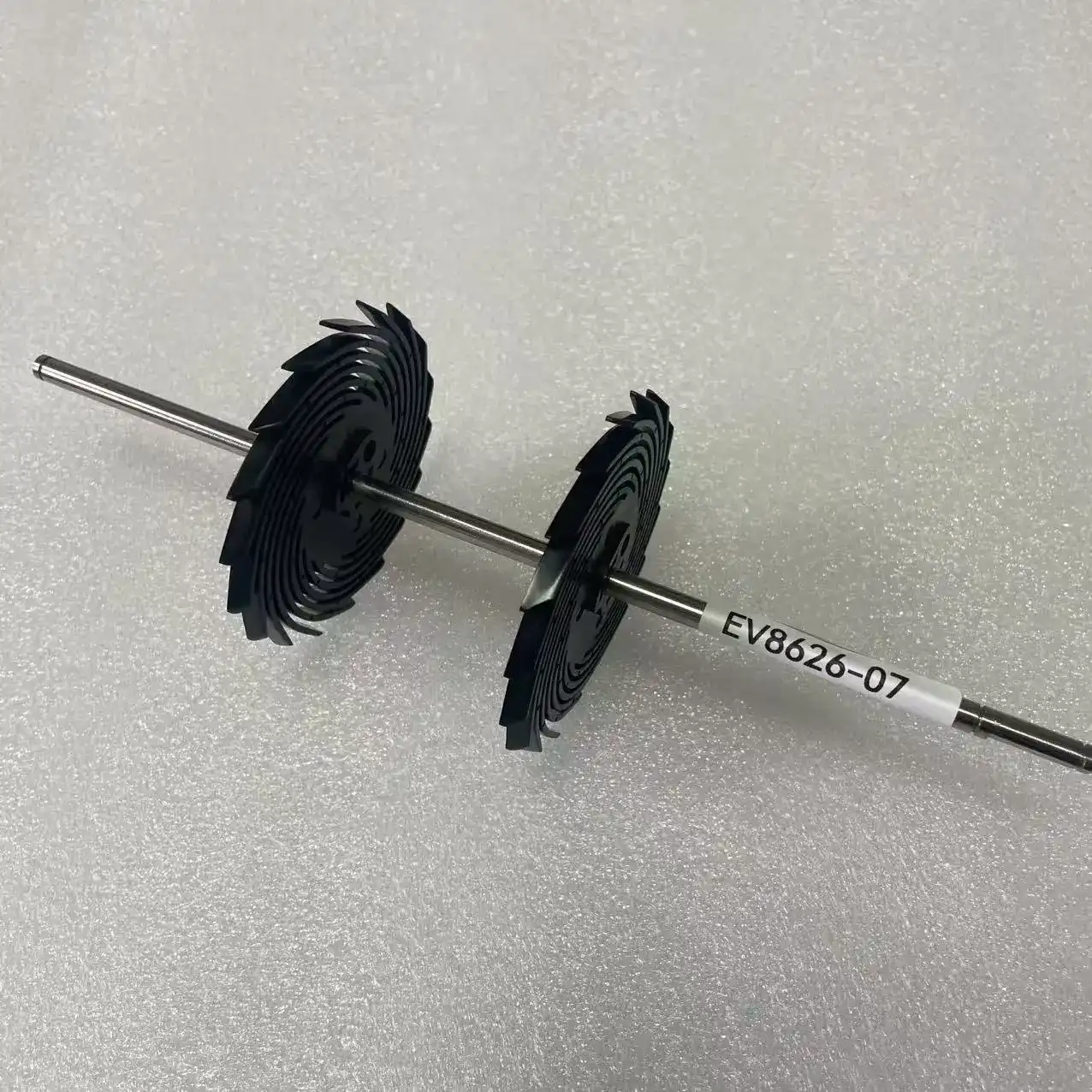
One thing banks, cash-in-transit (CIT) firms, casinos and huge retail chains all have in common is the need to move large sums of mixed-denomination currency quickly and correctly. The Glory EV8626 and EV8650 go straight at that pressure. Both units are made in Japan, and are at the professional end of the banknote sorting market for everyday use in back-office vault rooms and supervisory cash stations equally.
What Sets These Two Models Apart?
The EV8626 is often employed when single-pocket counting and identification is enough. The EV8650 provides additional sorting functionality for institutions that need denomination sorting in a single pass. Many current treasury management system (TMS) setups are convertible between the two, using the same Dual-CIS sensor architecture, authentication sensor stack and communication interface.
Core Architecture at a Glance
The table below presents the key specifications for quick procurement reference:
| Parameter | Specification |
|---|---|
| Origin | Japan |
| Processing Speed | 1,000–1,500 notes/min |
| Hopper Capacity | 500+ notes |
| Detection Sensors | UV, MG, MT, IR |
| Image Processing | Dual-CIS (double-sided) |
| Connectivity | RS-232, USB |
| Currency Support | Multi-currency firmware |
| Condition Available | Brand New or Refurbished |
| Warranty | 30-Day + Online Support |
Suitable Operating Environments
These counters are approved for usage in banks, financial institutions, hotels, supermarkets, casinos and gaming establishments. Their feed mechanism is able to handle faded, moderately dirty or slightly damaged notes, a practical benefit in high-circulation CIT situations where note quality fluctuates regularly.
Detailed Technical Analysis of the EV8626 Counter


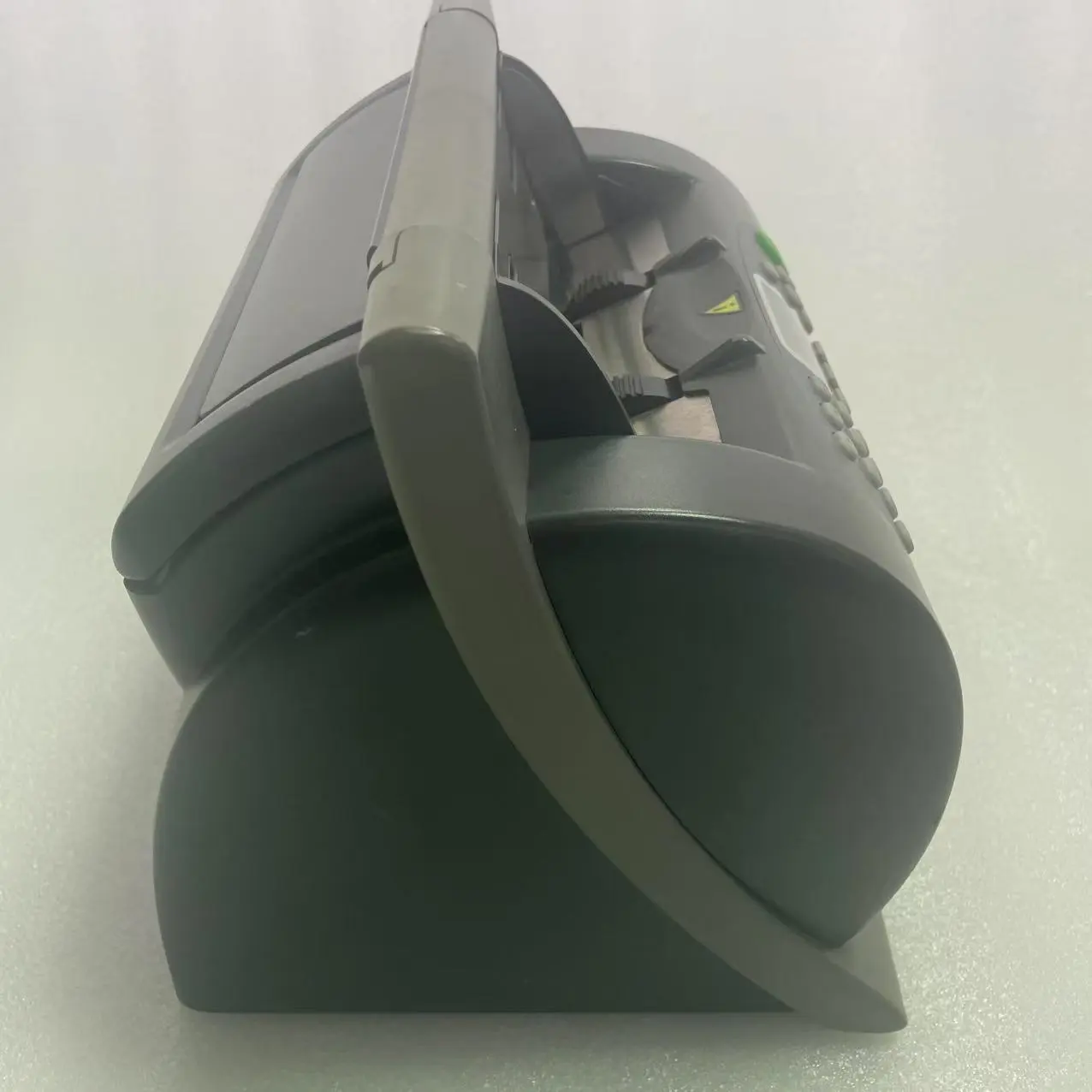
Understanding the technical depth of the EV8626 helps procurement officers and cash operations managers justify the specification to risk and compliance teams before submitting an RFP response.
Dual-CIS Image Processing Explained
Dual-CIS means Dual Contact Image Sensor. Each side of a note is scanned concurrently by two arrays of sensors to produce a high-resolution picture that is compared in the on-board CPU with templates of cash stored in its memory. This provides for serial number extraction and double-sided picture recording to fulfil audit trail needs in regulated financial situations.
Multi-Spectral Authentication Stack
On each note pass, the system does four levels of detection in simultaneously. UV detector checks for luminous security threads. MG sensors detect the magnetic ink patterns that are contained in real banknotes. MT (Magnetic Thread) testing validates the security strip inserted. IR sensors are used to identify the infrared absorbing and infrared transparent ink zones unique to genuine notes. This combo consistently detects complex counterfeits including superdollar variations that overcome single sensor systems.
Connectivity and TMS Integration
The RS-232 serial connector allows direct contact to traditional vault management systems while the USB interface facilitates PC based logging applications and firmware update delivery. The dual interface architecture decreases the IT integration labour to connect the counter to an existing TMS, a common problem voiced by IT departments in procurement assessment.
Comparing EV8626 with Alternative Models


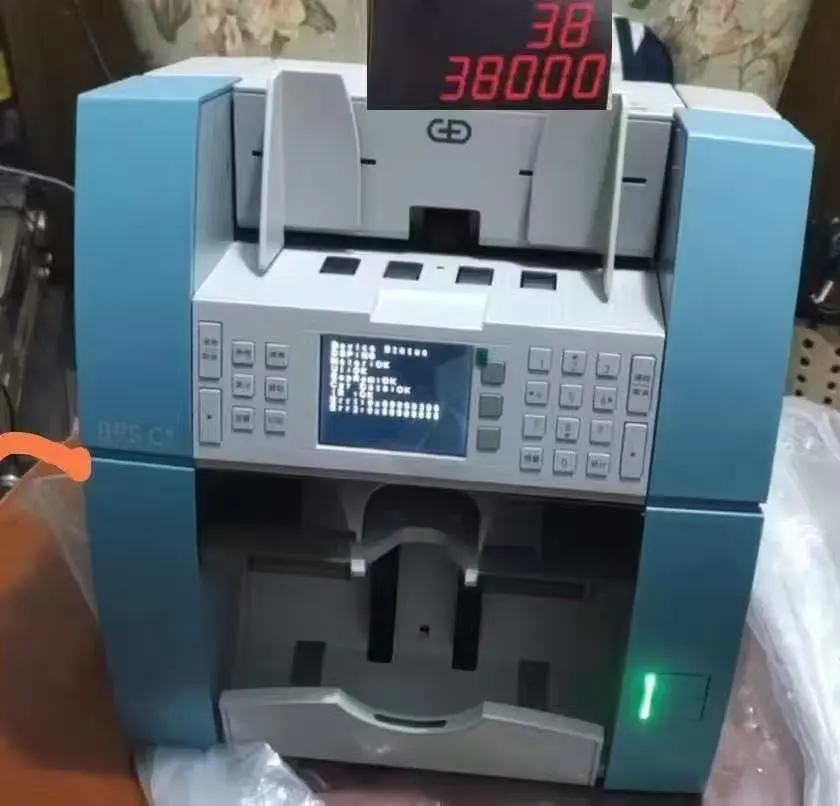
Decision-makers assessing Glory against competing banknote counters typically evaluate three dimensions: throughput speed, counterfeit detection depth, and total cost of ownership across a 3–5 year horizon.
Here is a direct comparison across key procurement criteria:
| Criteria | Glory EV8626/8650 | Typical Mid-Range Competitor |
|---|---|---|
| Processing Speed | 1,000–1,500 notes/min | 800–1,000 notes/min |
| Sensor Count | UV + MG + MT + IR | UV + MG only |
| Image Capture | Dual-CIS (both sides) | Single-side CIS or none |
| Serial Number Reading | Yes | Rare at this price tier |
| Multi-Currency Firmware | Yes | Limited models |
| Mechanical Cycle Rating | 1,000,000+ cycles | Often unspecified |
| Connectivity | RS-232 + USB | USB only (common) |
The EV8626 consistently outperforms mid-range alternatives on sensor depth and image logging. For CIT operators processing USD, EUR, and GBP in the same shift, the multi-currency firmware alone removes the cost of separate machines per currency zone.
Competitive devices from manufacturers like Kisan and JCM can do a good job with a single currency, but none provide the combination of Dual-CIS imaging and four-layer authentication in a single unit at similar throughput rates as the Glory EV8626. For organisations that operate 50 to 100 units across regional branches, the EV8626/8650 series has an attractive per-unit TCO, due to the reduction in rejection mistakes and decreased recount labour costs. These performance differences translate directly into fewer end of day disparities, less compliance exposure and lower operator intervention rates in large volume cash centers.
Procurement Guide for Glory EV8626 Counters
Purchasing banknote counters at institutional scale follows a structured cycle. Understanding that cycle helps procurement teams plan timelines and avoid costly delays.
Typical Procurement Timeline
The standard procurement flow for banks and CIT companies runs as follows: RFP issuance and supplier qualification take 60 to 90 days. Sample unit testing and sensor calibration verification require an additional 30 to 60 days. A pilot deployment of 50 units follows before national branch rollout. Total cycle: 6 to 9 months. Planning procurement discussions early is worth the effort.
Refurbished Units and Bank Admission Criteria
Refurbished EV8626 and EV8650 units sourced through qualified suppliers can meet bank admission standards when accompanied by full sensor recalibration documentation, firmware version verification, and mechanical cycle history. Procurement teams should request these records explicitly. A 30-day warranty with online support, as provided by RM, gives compliance officers a documented service period to work with during acceptance testing.
Ongoing Maintenance Expectations
In high-volume environments, CIS sensor glass and UV lamp surfaces require weekly cleaning to maintain authentication accuracy. Friction rubber rollers and separation wheels carry a rated service life of over one million operational cycles. Firmware updates for newly issued banknote series are distributed via USB, keeping the unit current without hardware replacement.
Why Choose Glory EV8626 Counters for Your Business?
Glory Ltd. was started in Japan in 1918 and has since sold equipment to central banks, commercial banks, and CIT operators in over 100 countries. When buying 50 to 100 units and making service deals for more than one year, that institution's track record is important.
The EV8626 and EV8650 are good investments for institutions because of the following main benefits:
- Jamming rate below 1 in 100,000 passes: Internal quality control testing confirms this threshold under continuous operation, directly supporting the KPI requirements most cash operations managers carry into procurement reviews.
- Sensor recalibration traceability: OBA (Optical Banknote Analysis) sensitivity is verified against known counterfeit and bleached note test decks, providing documented proof of detection capability for compliance filings.
- Multi-currency firmware compatibility: USD, EUR, GBP, and other major currencies are supported within a single firmware package, reducing the training burden when operators switch between currency zones during cross-border settlement processing.
These benefits answer the three main concerns that risk officers, IT departments, and CFOs have when they look at buying large-format counters. Verified hardware stability, TMS-compatible interfaces, and proven performance in finding fakes give buying teams the proof they need to move on to the next level of internal approval.
Conclusion
Bank back offices and CIT departments need fast throughput, strong authentication, and system connectivity. The Glory EV8626 and EV8650 give them all. These Japanese-made counters are the standard for university buying because they can process up to 1,500 notes per minute through a four-layer sensor stack with Dual-CIS image capture. The EV8626 series gives cash operations managers a clear, defended choice for their next RFP cycle, whether they choose to use new units or qualified refurbished stock.
FAQ
Q1: Why does my counter show a "CHAIN" or "DOUBLE" error?
A: This mistake means that two notes went through the feed gap at the same time. You can change the interference gap knob on the back of the unit or separate any notes that are stuck together before you restart.
Q2: Can the EV8626 detect Superdollar counterfeits?
A: Yes. When you use Dual-CIS image analysis with both MG and IR sensors together, you can see security features that single-sensor devices miss completely.
Q3: How often should sensors be cleaned?
A: In places with a lot of people, the CIS glass surface and UV sensor window should be cleaned once a week. When dust builds up, it leads to false authentication errors.
Q4: How do I update the machine for new banknote series?
A: Firmware changes can be sent through a USB cable or a direct link to a PC. Currency data patches for newly printed bills are sent out by Glory through official channels.
Q5: Can the EV8626 handle polymer banknotes?
A: Yes. Both cotton-paper and polymer substrates can be used with the transport mechanism. For smaller polymer notes, the feed gap might need to be slightly changed.
Request an EV8626 Quote from RM — Your Trusted Glory Counter Supplier
From its factory in Shenzhen, RM has been selling ATM parts and banking equipment for more than 20 years. The company is ISO 9001:2008 certified and makes more than 80% of the ATM modules on the market. Since RM is a verified EV8626 supplier, they have both brand-new and used Glory EV8626 and EV8650 units in stock. To get a price, brochure, or information on bulk pricing, email Tony at Tony@atm-part.com.
References
1. Glory Ltd. — Annual Report and Product Portfolio Overview, 2023.
2. International Association of Currency Affairs (IACA) — Global Currency Report: Counterfeit Detection Technology Standards, 2022.
3. Bank for International Settlements (BIS) — Counterfeit Deterrence and Banknote Authentication Technology, 2021.
4. European Central Bank (ECB) — Report on Euro Banknote Counterfeiting, 2023.
5. Security Industry Association — Cash Handling Equipment Market Review, 2022.
6. Federal Reserve Bank of the United States — Strategies for Improving the Quality of Currency in Circulation, 2021.
Learn about our latest products and discounts through SMS or email