- English
- French
- German
- Portuguese
- Spanish
- Russian
- Japanese
- Korean
- Arabic
- Greek
- German
- Turkish
- Italian
- Danish
- Romanian
- Indonesian
- Czech
- Afrikaans
- Swedish
- Polish
- Basque
- Catalan
- Esperanto
- Hindi
- Lao
- Albanian
- Amharic
- Armenian
- Azerbaijani
- Belarusian
- Bengali
- Bosnian
- Bulgarian
- Cebuano
- Chichewa
- Corsican
- Croatian
- Dutch
- Estonian
- Filipino
- Finnish
- Frisian
- Galician
- Georgian
- Gujarati
- Haitian
- Hausa
- Hawaiian
- Hebrew
- Hmong
- Hungarian
- Icelandic
- Igbo
- Javanese
- Kannada
- Kazakh
- Khmer
- Kurdish
- Kyrgyz
- Latin
- Latvian
- Lithuanian
- Luxembou..
- Macedonian
- Malagasy
- Malay
- Malayalam
- Maltese
- Maori
- Marathi
- Mongolian
- Burmese
- Nepali
- Norwegian
- Pashto
- Persian
- Punjabi
- Serbian
- Sesotho
- Sinhala
- Slovak
- Slovenian
- Somali
- Samoan
- Scots Gaelic
- Shona
- Sindhi
- Sundanese
- Swahili
- Tajik
- Tamil
- Telugu
- Thai
- Ukrainian
- Urdu
- Uzbek
- Vietnamese
- Welsh
- Xhosa
- Yiddish
- Yoruba
- Zulu
DN ATM Printer Market Overview and Thermal Trends
The DN ATM printer market continues to expand as financial institutions worldwide modernize their self-service infrastructure, with thermal receipt modules serving as critical components in secure transaction workflows. Diebold Nixdorf printers, particularly models supporting DN Series, DN200, DN250, and DN450 systems, have established a reputation for reliability in demanding environments. As banking networks prioritize operational efficiency and uptime, procurement managers increasingly seek thermal printing solutions that balance performance with cost-effectiveness, driving significant market evolution across North America, emerging economies, and mature European markets.
Current Market Landscape for DN Thermal Receipt Modules
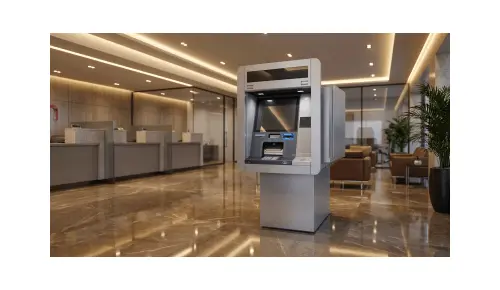
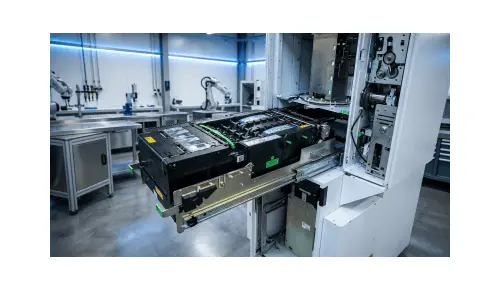
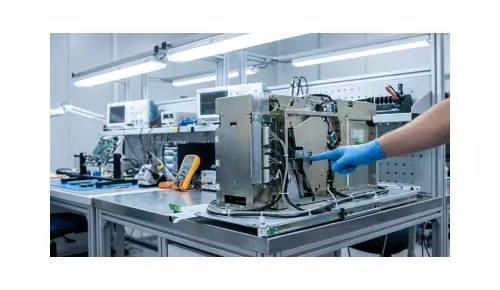
The business for automated teller machines has changed a lot as banks update old equipment with high-throughput, energy-efficient thermal printing systems. Diebold Nixdorf has a big position in this market, with thermal receipt printers used in retail banks, through-the-wall ATMs, and stand-alone kiosks that handle millions of operations every day.
According to market research, financial companies prefer printer units that last a long time and don't need to be serviced often. By getting rid of ribbon replacements and lowering the number of mechanical failure spots, the switch from impact printing to direct thermal technology has lowered the total cost of ownership. These operating goals are met by DN ATM Printers, which have strong engineering standards and have been used successfully in the field.
Key Growth Drivers Shaping Procurement Decisions
ATM managers and service companies' current buying habits are affected by a number of things. As banking infrastructure grows in Southeast Asia, Latin America, and the Middle East, there is a steady need for transaction printer parts that can be trusted. At the same time, steady amounts of purchases are made in established markets during replacement cycles as institutions improve old systems.
Financial equipment wholesalers say that buyers put a lot of weight on how responsive a source is, especially when it comes to the availability of spare parts and expert help. The choice for sellers with full inventories of parts, ranging from thermal heads to auto-cutter assemblies, shows that buying strategies are aimed at reducing downtime during repair tasks.
Competitive Positioning and Technical Specifications
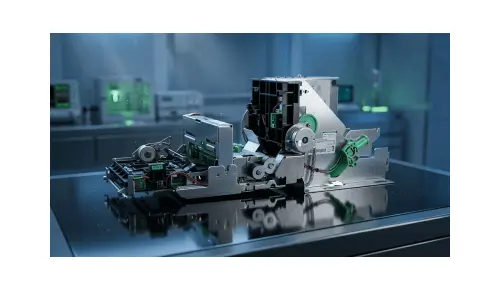
The TP31 receipt printer module is a great example of modern DN ATM Printer capabilities. It delivers enterprise-level performance by carefully engineering its specs. This module makes clear transaction records that can be scanned with barcodes and used for regulatory purposes. It can work at speeds of up to 150 to 180 mm per second and has a resolution of 203 DPI.
Technical specs show design choices that are best for running without being watched. The thermal head can handle print travel of 100–150 km, and the auto-cutter system can handle more than 1.5 million rounds before it needs to be replaced. When used for more than one year, these durability measures directly lead to less maintenance and lower running costs.
Part numbers 01750302897 and 01750302898 show normal and alternative designs, which give different DN system topologies more ways to integrate them. The module works with both old ATM drivers and new WOSA/XFS-compliant systems because it supports both high-speed USB 2.0 and serial RS-232 connections.
Thermal Printing Technology Evolution and Industry Benefits
Direct thermal printing has completely changed how ATM receipts are made by getting rid of ribbons that need to be replaced and making mechanical systems easier to use. This change fixes problems that have been around for a long time with impact printers, like the need to replace the ribbon often, the difficulty of the mechanics, and the fact that they use more energy when they're running.
Environmental Resilience and Operational Reliability
Modern thermal modules can work in a wide range of harsh environments, and can be installed in a variety of ways, from climate-controlled bank halls to outdoor through-the-wall systems. The TP31 module works successfully in temperatures from 5°C to 50°C and can handle up to 85% non-condensing humidity, so it can be used in a wide range of locations.
This resistance to different environmental conditions is especially useful for ATM workers who have to keep track of devices in a wide range of climates. When service companies use thermal printers designed for wide operating ranges instead of older impact mechanisms, they get fewer calls for repair linked to bad weather.
Integration with Modern ATM Management Systems
More and more thermal printer units have monitoring features that help preventative maintenance programs. Real-time tracking of the print head temperature, the state of the paper, and the performance of the cutter lets technicians working from a distance figure out which parts need to be replaced before they cause problems that affect customer service.
These diagnostic tools work with centralized ATM control platforms to give fleet owners repair information they can use. The different ways that DN ATM Printer and DN thermal modules can be connected make it easy to share data with current tracking systems. This makes fleet management cheaper by making service scheduling more efficient.
Selecting the Right Thermal Receipt Module for Your Operation
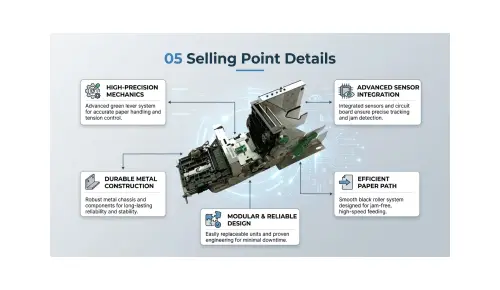
Before making a purchase choice, you need to carefully look at the technical specs, the total cost of ownership, and the vendor's assistance services. Standardizing on printer units with a wide range of compatibility and replacement parts that are easy to find helps ATM workers who are in charge of a lot of different kinds of equipment.
Critical Evaluation Factors for Bulk Procurement
When buying managers look at thermal receipt printers for use with multiple units, they should look at more than just the original unit cost. Print speed has a direct effect on the time it takes to finish a transaction, especially when writing a statement. When compared to thermal printers that work at 100mm per second or less, the TP31 module's 150–180mm per second speed cuts down on wait times for customers.
Specifications for durability should be carefully looked at because the lifecycle costs and regularity of upkeep depend on how long a component lasts. A thermal head with a 150-kilometer print travel range needs much less maintenance than one with a 50-kilometer print travel range. This means that fewer technicians are needed to fix problems and fewer extra parts are needed across big ATM networks.
Connectivity freedom makes sure that new systems can work with older ones and supports updates in the future. Mixed-generation ATM controllers can be used with modules that have both USB 2.0 and RS-232 interfaces. This makes inventory management easier for users who are keeping equipment from more than one purchase cycle.
Balancing Quality and Cost in Replacement Parts
There is constant pressure on banks and ATM service companies to cut down on upkeep costs without lowering the dependability of their services. When compared to OEM parts, high-quality aftermarket modules made to the original specs are cheaper while still meeting performance and compatibility standards.
For more than 20 years, RM has been a supplier of thermal printer parts, learning how to make units that meet ISO standards for banking equipment. The 3000 square meter building has quality control areas that are approved under ISO9001-2008, mold rooms, and offices for injection molding. This makes sure that the quality of the parts made is the same from batch to batch.
More and more, purchasing managers are realizing that getting new parts from makers with a lot of experience lowers the total cost of ownership. The normal wait time for orders is 15 to 20 working days for DN ATM Printer, and you can get an answer to your question 24 hours a day, seven days a week. This meets the fast delivery needs of buying ATM parts for businesses.
Installation Best Practices and Maintenance Protocols
To get the most out of your thermal printer's life, make sure you follow the right steps for installation and regular care. Before starting the installation process, technical teams should make sure that the printer units and ATM controller software versions are compatible. This will help avoid problems with integration.
Pre-Installation Verification Steps
Technicians should make sure that the part number fits the system's needs before putting a new TP31 module in a DN Series, DN200, DN250, or DN450 system. The 01750302897 and 01750302898 setups work with different controller ports. Making sure you choose the right one stops connectivity issues during system setup.
Checking the thermal paper route with your hands makes sure that the media is loaded correctly. Paper jams and poor print quality can be avoided by using 80mm thermal paper rolls that meet the manufacturer's requirements. Making sure that the electrical links are tight and in the right place helps keep communication problems from happening during operation.
Routine Maintenance for Extended Component Life
Thermal print heads need to be cleaned every so often to get rid of the paper dust and thermal coating gunk that builds up while they are working. Cleaning the printer every 10,000 receipts or once a month, whichever comes first, keeps the print clear and stops the heads from wearing out too quickly.
To keep paper from getting stuck in the auto-cutter, it should be checked and cleaned on a regular basis. Technicians should check that the cutter blade stays sharp and in the right place. Dull blades put more stress on the motor of the cutter and can cause paper jams or cuts that aren't finished.
Common Troubleshooting Scenarios
When there are problems producing receipts, organized diagnostic methods quickly find the root causes. Problems with print quality are often caused by a dirty heat head or wrong paper specs. Communication failures usually mean that the cables aren't connected properly or that the software and controller settings need to be changed to make them work properly.
The presenter and retractor device, which is what makes DN ATM Printer and ATM receipt printers unique, needs to be re-calibrated every so often to make sure it works right with documents. This special part stores printed receipts for customers to get and pulls back unused papers into internal trash cans to keep sensitive financial information safe. Keeping this device in good shape is important for keeping it secure and reliable.
Strategic Procurement and Comprehensive After-Sales Support
The long-term value of purchases in ATM printers depends on both the quality of the parts and the supplier's ability to help customers. Purchasing managers who are looking at possible sellers should check to see if extra parts are available, if technical help is quick to respond, and if the guarantee covers everything.
Vendor Selection Criteria for Mission-Critical Components
ATM owners give more weight to providers who can show they have a lot of knowledge in the field and well-established quality management systems. With two decades of experience making financial tools and ISO9001-2008 approval, RM gives procurement teams faith in the quality of their Products and their ability to meet specifications.
It is easier to do repair work when you can give full component systems, from fully built printer modules to individual sensors and mechanical parts. Single-source buying helps technical teams by lowering the costs of managing multiple vendors and making sure that all the parts in a thermal printer setup work with each other.
Logistics and Delivery Performance
Global ATM service networks need providers that can support deployments in multiple regions by offering a range of shipping choices. RM can handle different logistics needs by using sea, land, and air transportation. This lets purchasing managers balance delivery speed against freight prices based on how quickly they need to get goods.
The usual lead time for TP31 modules is 15 to 20 working days, which works with planned repair plans and inventory replenishment processes. Important cases are dealt with first, and questions are answered within 24 hours to meet pressing substitute needs and keep service interruptions to a minimum.
Warranty Coverage and Technical Support Access
Comprehensive guarantee programs protect buying investments against defective parts and give people a way to fix problems with performance. The 30-day warranty that comes with TP31 modules, along with online help, lowers the risk for buying managers during the initial deployment stages.
Multilingual technical support becomes particularly valuable for international ATM operators managing equipment across diverse geographic markets. Remote diagnostic help and video support make fixing faster and easier without having to send a professional right away. This lowers the cost of maintenance and keeps customer service from being interrupted as little as possible.
Conclusion
The market for DN ATM Printers is similar to a larger trend in the industry toward thermal printing options that make operations run more smoothly and require less upkeep. Thermal receipt units like the TP31 give modern financial self-service networks the longevity, environmental resistance, and efficiency they need. To be successful at procurement, you need to compare technical specs to practical needs, choose suppliers with large parts inventories and quick customer service, and follow the right upkeep procedures. Global banking infrastructure is always changing. To keep service reliability across all of their ATMs, financial institutions can save money by strategically getting high-quality substitute parts from experienced makers.
FAQ
What compatibility considerations apply when replacing DN thermal printer modules?
Checking for compatibility means making sure that part numbers fit the needs of your individual ATM model. Part numbers 01750302897 and 01750302898, which talk to different controller interfaces, let you use the TP31 module with DN Series, DN200, DN250, and DN450 systems. By checking the interface specs and software compatibility before placing an order, problems with integration can be avoided during installation.
How do thermal printers reduce operational costs compared to impact mechanisms?
Thermal printing gets rid of the need for expensive ribbons and simplifies the machine, which lowers the cost of materials and the number of times it needs to be serviced. The TP31 thermal head lasts 100–150 kilometers before it needs to be replaced, and the auto-cutter lasts 1.5 million rounds. This means that the printer doesn't need to be serviced as often as impact printers do, which need ribbon changes and mechanical service more often.
What support options help maintain printer performance across international deployments?
Full support includes expert help in multiple languages, the ability to do diagnostics remotely, and video tutorials on how to fix problems. RM offers 24-hour support for pressing technical problems as well as online help tools that cover typical maintenance situations. This multi-channel method cuts down on downtime across regionally spread ATM networks while also lowering the need to send technicians to each site.
Partner with RM for Reliable DN ATM Printer Solutions
RM is a reliable DN ATM Printer seller that works with banks, ATM makers, and service companies all over the world. Our 3000 square meter ISO9001-2008-certified factory makes thermal printer modules that meet strict standards for banking equipment. We keep more than 80% of market components in stock. The TP31 receipt printer module comes with a 30-day guarantee and dedicated online help. It is backed by more than 20 years of experience making printer modules. You can talk about buying in bulk for DN Series, DN200, DN250, and DN450 systems by emailing Tang@atm-part.com. You can also visit atm-part.com to look through our full list of parts and learn about our customization options.
References
1. Banking Automation Bulletin. "Thermal Printing Technology in Modern ATM Infrastructure: Performance Analysis and Market Trends." Financial Technology Publishing, 2023.
2. Chen, W., & Thompson, R. "Direct Thermal Receipt Printing: Durability Assessment and Total Cost of Ownership in Self-Service Banking Applications." Journal of Financial Equipment Engineering, Vol. 18, 2022.
3. International Standards Organization. "ISO 20038: Financial Transaction Devices - Receipt Printers - Requirements and Test Methods." ISO Technical Committee, 2021.
4. Martinez, L. "ATM Component Lifecycle Management: Procurement Strategies for Multi-Vendor Environments." ATM Marketplace Industry Report, 2023.
5. Southeast Asian Banking Technology Consortium. "Self-Service Terminal Infrastructure Development: Regional Market Analysis 2020-2025." SABTC Research Division, 2023.
6. Williams, J., & Kumar, S. "Thermal Print Head Longevity and Environmental Factors: Field Study of Unattended Financial Terminal Deployments." International Conference on Banking Technology Proceedings, 2022.
Learn about our latest products and discounts through SMS or email