- English
- French
- German
- Portuguese
- Spanish
- Russian
- Japanese
- Korean
- Arabic
- Greek
- German
- Turkish
- Italian
- Danish
- Romanian
- Indonesian
- Czech
- Afrikaans
- Swedish
- Polish
- Basque
- Catalan
- Esperanto
- Hindi
- Lao
- Albanian
- Amharic
- Armenian
- Azerbaijani
- Belarusian
- Bengali
- Bosnian
- Bulgarian
- Cebuano
- Chichewa
- Corsican
- Croatian
- Dutch
- Estonian
- Filipino
- Finnish
- Frisian
- Galician
- Georgian
- Gujarati
- Haitian
- Hausa
- Hawaiian
- Hebrew
- Hmong
- Hungarian
- Icelandic
- Igbo
- Javanese
- Kannada
- Kazakh
- Khmer
- Kurdish
- Kyrgyz
- Latin
- Latvian
- Lithuanian
- Luxembou..
- Macedonian
- Malagasy
- Malay
- Malayalam
- Maltese
- Maori
- Marathi
- Mongolian
- Burmese
- Nepali
- Norwegian
- Pashto
- Persian
- Punjabi
- Serbian
- Sesotho
- Sinhala
- Slovak
- Slovenian
- Somali
- Samoan
- Scots Gaelic
- Shona
- Sindhi
- Sundanese
- Swahili
- Tajik
- Tamil
- Telugu
- Thai
- Ukrainian
- Urdu
- Uzbek
- Vietnamese
- Welsh
- Xhosa
- Yiddish
- Yoruba
- Zulu
Best Thermal Receipt Printer for DN200 ATM Systems in 2026
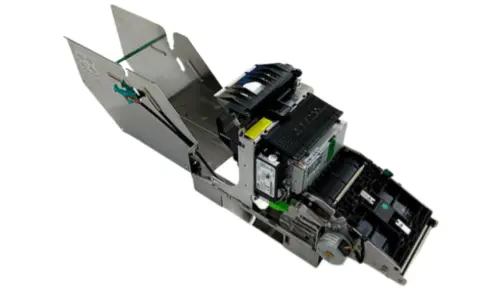
When evaluating the best thermal receipt printer for DN200 ATM Thermal Receipt Printer systems in 2026, the TP31 receipt printer module stands out as an enterprise-grade solution designed specifically for demanding financial environments. This printer offers exceptional reliability with 203 DPI resolution, impressive print speeds reaching 150-180mm/second, and robust durability features including a thermal head rated for 100-150km print travel. Compatible with DN Series equipment including DN200, DN250, and DN450 systems, the TP31 module represents a cost-effective balance between original equipment performance and aftermarket affordability that addresses the core procurement challenges faced by banks, ATM operators, and service providers worldwide.
Understanding DN200 ATM Thermal Receipt Printers: Specifications and Benefits
DN200 ATM Thermal Receipt Printers have the perfect mix of small size, high-resolution thermal printing, and fast print speeds for easy integration into ATMs. With thermal printing technology, you don't need ink ribbons or toner refills. This makes upkeep a lot easier and lowers costs, while also making sure that the quality of the prints is the same for millions of transactions.
Core Technical Specifications That Matter
The TP31 receipt printer section shows how the technology standards need to be met for the DN200 system to work together. With 203 DPI clarity (8 dots per millimeter), this direct thermal line printing module makes sure that every receipt has clear text, barcodes, and images that can be read. With a print speed of 150 to 180 mm per second, transaction records are made quickly, so customers don't have to wait as long at the ATM. The module works with standard 80mm thermal paper rolls, which are still the standard way for ATMs around the world to print receipts.
There are two types of interfaces that can be used for connectivity: USB 2.0 High Speed and RS-232 Serial. These can be used with both old and new ATM controller designs. The part numbers 01750302897 (standard configuration) and 01750302898 (alternative configuration) give purchasing teams specific buying information to make sure that the parts will work together before they are bought.
Industrial-Grade Durability for Financial Environments
Specifications for durability set real ATM-grade printers apart from business options. The TP31 thermal head can print up to 100–150 km before it needs to be replaced. That's hundreds of thousands of receipt transfers in a regular banking environment. The built-in auto-cutter can handle more than 1.5 million cut cycles, which means that the printer will reliably separate receipts for as long as it is used. With environmental resistance features, it can work in temperatures from 5°C to 50°C and up to 85% humidity without condensation. This range of temperatures and humidity works for both climate-controlled branch spots inside and through-the-wall outdoor ATM installations that are open to different types of weather.
Cost-Efficiency Through Thermal Technology
Not having to buy any more materials besides thermal paper is a big practical plus. By not having to buy ink refills, ribbons, and toner on a regular basis, banks and ATM owners save money and make inventory management easier. Thermal printing makes very little trash, which helps companies with their environmental efforts, which are becoming more important to institutional clients. It is important to think about how solar-powered or energy-conscious an ATM will be when choosing printing technology because thermal printing uses less power than impact or laser printing.
Comparing DN200 ATM Thermal Printers with Market Alternatives in 2026
Procurement workers can make choices based on facts when they know how the DN200 ATM Thermal Receipt Printer compares to other options on the market. In 2026, there are both well-known names and new aftermarket providers competing with each other, with the DN200 ATM Thermal Receipt Printer as a key reference point; each offers a different set of benefits when it comes to performance, price, and customer service.
Performance Benchmarks Against Leading Competitors
Print speed is an important success indicator for the customer experience. Many original equipment maker specs are met or beaten by the TP31's 150-180mm/second output, and it stays true to the industry standard of 203 DPI resolution. While competing options like the Epson TM-T20 are popular in retail settings, they often lack the specific presenter-retractor features that are needed for an ATM to work without a person being there. System compatibility covers the DN Series platforms, which include the DN200, DN250, and DN450 models. This lets operators who are in charge of various Diebold Nixdorf ATM versions standardize their fleets. The ability to link via both USB 2.0 and RS-232 makes the interface flexible in a way that private single-interface options can't match.
Total Cost of Ownership Analysis
When purchasing managers look at different thermal receipt printer choices, they need to think about both the original costs of buying the printer and the long-term costs of running it. The TP31 module comes in both brand-new and refurbished versions, so businesses that are trying to stay within their budgets can choose the condition grade that works best for them. Our 3000 square meter facility has dedicated mold rooms, injection molding departments, repair divisions, and quality control departments that are certified under ISO9001-2008 standards.
This is where refurbished units go through a strict quality control review. Operators who manage large ATM fleets or update machines every few years can save even more money by signing bulk purchasing deals. The 30-day guarantee with online help lowers the risk of the initial rollout phase, and our promise to answer technical questions within 24 hours makes sure that there is little downtime during troubleshooting situations.
Supplier Network and Support Infrastructure
Buying printers from companies with strong support networks keeps buying choices from turning into long-term operating problems. We've been supplying ATM parts for more than 20 years, sending sub-modules and spare parts all over the world to banks, service companies, and equipment sellers. We can offer complete parts, which means we can give you individual parts like thermal heads, sensors, paper path rollers, and cutter blades.
This lets you do fine fixes that make equipment last longer than replacement-only methods do. Standard orders have lead times of 15 to 20 working days, and shipping can be done by sea, land, or air. This makes it possible to meet both planned replacement cycles and emergency replacement situations. Technical support in multiple languages and online video help get around the language and location barriers that often get in the way of international buying relationships.
Maintenance, Troubleshooting, and Optimal Use of DN200 ATM Thermal Printers
For DN200 ATM Thermal Receipt Printers to last as long as possible, they need to be maintained properly. Scheduled part replacements, firmware updates, and cleaning procedures help keep downtime to a minimum, extend the life of the machine, and keep the print quality high, which is good for academic brand standards.
Preventive Maintenance Protocols
Cleaning the thermal print head on a regular basis stops dust from building up, which lowers the quality of prints and speeds up the wear and tear on parts. Isopropyl alcohol and lint-free cleaning cards made just for thermal mechanisms should be used by maintenance teams instead of rough materials that damage sensitive heating elements. The paper path needs to be checked every so often to get rid of dust and pieces of paper that get stuck.
According to the maker, auto-cutter blade parts should be oiled every 100,000 cuts, or every six months if average transaction rates are met. Cleaning the sensors makes sure that they can find paper correctly and stops fake error conditions that cause service calls that aren't needed. As part of our QC department's testing procedures, all sensors are checked thoroughly before they are sent out. However, working settings can introduce contaminants that need to be checked on a regular basis.
Common Issues and Troubleshooting Steps
Paper jams are the most common printer problem that ATM workers describe. Root reasons include incorrectly filling the paper roll, broken parts on the paper path, or weather factors like high humidity that makes the paper curl. The first step in troubleshooting is to look at the paper line and any path obstructions visually. If that doesn't help, replacing a part is the next step. Problems with connectivity, such as with the DN200 ATM Thermal Receipt Printer, show up as connection timeouts between the ATM driver and printer module.
Most communication problems can be fixed without replacing hardware by making sure the cables are good, checking the interface settings (such as baud rate, parity, and data bits for RS-232 links), and making sure the drivers are compatible. Loss of print quality is usually a sign of thermal head wear or wrong paper specs. Using thermal paper that meets the standards for ISO banking equipment keeps the heads from wearing out too quickly and makes sure that receipts can always be read.
Maximizing Uptime Through Vendor Collaboration
Partnering with providers who offer full technical help changes upkeep from responding to problems as they happen to managing the fleet before they happen. We offer online and video remote help, which lets technicians fix problems without having to pay a lot for expensive site trips. Within 24 hours, our expert team answers important questions and helps with diagnosis. When new parts are needed, they are shipped quickly.
Scheduled maintenance contracts can be changed to fit the number of transactions and organizational goals. This means that specialized service providers can handle maintenance instead of internal teams. This joint method lowers operating costs and raises ATM availability measures that have a direct effect on how happy customers are and how much money they make from transactions.
Procurement Guide: How to Buy DN200 ATM Thermal Receipt Printers for Your Business in 2026
To successfully buy DN200 ATM Thermal Receipt Printers for DN200 systems, you need to find real sellers and approved dealers who can provide reliable product support and warranty services. Strategic buying methods find the best mix between lowering costs, making sure quality, and making sure the supply chain is reliable.
Supplier Verification and Authentication
Manufacturers, approved distributors, refurbishment experts, and shady resellers of different levels of trust are all in the ATM parts market. Professionals in purchasing should check the qualifications of suppliers, such as their business license, industry certifications (like our ISO9001-2008 quality management certification), and how long they have been working with financial institutions.
We've been in business since 2008 as HONGKONG RONG MEI TECHNOLOGY CO., LIMITED, and we have 3000 square meters of production and service space in Shenzhen, China. Direct contact with seller technical teams shows the depth of their capabilities; a lack of product knowledge often points to drop-shipping arrangements instead of real manufacturing or refurbishment operations.
Bulk Purchasing Strategies and Negotiation
Volume buying deals save ATM owners who are in charge of fleets of 50 or more machines a lot of money. When buyers commit to buying things over a number of quarters or years, they have more negotiating power, which lets providers make the best decisions about when to make things and how to keep track of their goods. We make the terms of large purchases fit the needs of each customer, including stocking programs, sale inventory arrangements, and shipping schedules that work with ATM refresh cycles.
Payment terms that are flexible can be used for a variety of business needs, from purchase orders with net-60 terms to letter of credit plans for foreign deals. Customers who buy in bulk can also get technical benefits like longer warranties, faster technical help, and customization services that customers who buy in bulk can't get. DN200 ATM Thermal Receipt Printer is one example of the hardware that can be included in such bulk purchase agreements, ensuring consistent quality and supply across large fleets.
Logistics Optimization and Total Landed Cost
The total landed cost, which includes shipping, customs, taxes, and handling fees, must be included in the procurement cost study, not just the unit price. We can ship by ocean freight for large amounts of goods, air freight for immediate needs, or land transportation for deliveries within an area. It takes 4-6 weeks for goods to get from Asian factories to North American delivery centers by ocean shipping, which is the cheapest way to move things.
When compared to ocean options, air freight cuts travel time to three to five days, but costs more per unit by 300 to 500%. For optimal procurement strategies, a mix of shipping types is used, with ocean freight being used for planned restocking and air freight capacity being saved for situations where replacements need to be made quickly. Our operations team helps with the paperwork needed, the steps for clearing customs, and coordinating the last mile of delivery, which makes foreign purchasing easier.
Warranty Terms and Return Policy Clarity
When a part fails during the guarantee time, there won't be any arguments if you know what the insurance covers. Our 30-day guarantee covers problems with the way the product was made and parts that break down under normal use. It does not cover damage caused by bad fitting, environmental factors outside of the product's specifications, or unauthorized changes. Before you buy something, you should clearly write down the return process, including whether the shipping costs are covered or the customer is responsible for them, as well as any buyback fees that may apply and how long it will take to get your money back. During guarantee periods, online support helps with troubleshooting and often fixes problems without the need for actual returns, which saves time and money for both parties.
Future Trends and Innovations in ATM Thermal Receipt Printing for 2026 and Beyond
The market for DN200 ATM Thermal Receipt Printers is changing quickly thanks to improvements in print speed, eco-friendly materials, and smart connection through the Internet of Things (IoT). In 2026, the main goals of technology development are to improve working efficiency and the ability to integrate different systems. At the same time, worries about the environment's long-term health affect how institutions buy things.
Smart Connectivity and Predictive Maintenance
When IoT is added to thermal printers, they go from being inactive devices for printing transactions to being active tools for managing fleets. Next-generation printer modules have sensors built in that check the temperature of the thermal head, the number of cutting cycles, and the amount of paper that is available. These sensors send operating data to central management systems. Predictive maintenance programs look at how things are used and signs of wear on parts to plan preventive maintenance that is done before problems happen instead of after they happen.
This change in capacity cuts down on unplanned outages, improves the route of service technicians, and increases the lifespan of parts by repairing them when they break. Our plan for future development includes better connectivity features in later versions of the TP31. These will work with older DN Series platforms and give operators who use centralized tracking systems more advanced control options.
Sustainability Initiatives and Green Procurement
As financial institutions work to meet their carbon neutrality and trash reduction goals, environmental concerns are becoming more and more important in their purchasing decisions. Companies that make thermal paper have come up with BPA-free versions to solve health and environmental worries about regular thermal receipt paper. Printer module designs focus on recycling by choosing materials that are easy to recycle and building them in a way that makes it easy to separate parts during end-of-life processing.
Compared to buying new units all the time, refurbishment programs make equipment last longer, which lowers the need for making and the damage it does to the environment. Our repair methods take working parts from old units and put them together with new wear parts like thermal heads and cutters. This makes new units that meet performance requirements at lower costs to the environment and the budget.
Customization Capabilities for Regional Requirements
When ATMs are put in use around the world, they have to deal with different language preferences, legal requirements, and operating settings. One piece of hardware can serve more than one area market because it can be customized in terms of firmware settings, paper handling parameters, and communication methods. We can make changes to existing modules based on what the customer wants, or we can build, develop, and produce modules from scratch based on specific needs.
This includes making changes to the hardware and adapting the interface to multiple languages. This adaptability is especially helpful for people who run ATM networks across multiple countries, since standardizing purchases makes it easier to keep track of goods, and regional customization meets the needs of local regulations and users.
Conclusion
To find the best DN200 ATM Thermal Receipt Printer for DN200 ATM systems in 2026, you need to weigh technical specs, costs, the dependability of the provider, and the ability to provide long-term support. For businesses, the TP31 receipt printer module works well and lasts a long time. It works with many DN Series platforms and comes in both new and used versions, giving you a lot of buying choices.
Partnering with suppliers that offer a wide range of parts, quick expert support, and high-quality production backed by ISO certification and decades of experience in the field is key to successful procurement. As ATMs become more connected and environmentally friendly, strategies for buying thermal printers need to plan for what they will need in the future while also meeting the needs of the business right now. They need to do this by finding reliable, low-cost solutions that keep the fleet running at all times and keep the total cost of ownership as low as possible.
FAQ
What paper size does the DN200 ATM thermal receipt printer support?
The TP31 receipt printer module for DN200 systems works with normal 80mm wide thermal paper rolls. This is the standard receipt width for ATMs around the world. This paper size works with current paper supply lines and can hold standard receipt information like transaction data, account amounts, and promotional messages.
How does thermal printing technology reduce maintenance requirements?
In contrast to impact or inkjet printing, thermal printing doesn't need to change materials like ink cartridges and ribbons all the time. The direct thermal method uses heat to make pictures on chemically treated paper. It has fewer moving parts and is simpler mechanically. Maintenance mostly involves cleaning the thermal head every so often and replacing it after 100 to 150 km of print journey.
What connectivity options are available for DN200 ATM thermal printers?
Through USB 2.0 High Speed and RS-232 Serial links, the TP31 module offers two ways to join. This adaptability works with both new ATM processors that use USB ports and older systems that use serial connection. The adaptability makes it easier to connect ATMs of different generations and lets controllers be upgraded in the future without having to replace printers.
Can refurbished thermal printer modules deliver reliable performance?
Refurbished units that are done right go through a lot of tests and part replacement procedures that bring them back to their original performance levels. When we repair something, we change the thermal head and cutter blade, which are the main parts that wear out. We also clean and calibrate it completely, and before sending it out, we test it thoroughly for quality control. The 30-day warranty covers the same things that a new unit would, and the operational performance is the same when standard banking transaction amounts are used.
Partner with RM for Your DN200 ATM Thermal Receipt Printer Supply Needs
RM is ready to support your thermal receipt printer requirements with our comprehensive DN200 ATM Thermal Receipt Printer supplier capabilities. Our 3000 square meter plant offers high-quality modules at reasonable prices, with wait times of 15 to 20 business days. We are ISO9001-2008 certified and have been specializing in ATM parts for more than 20 years. TP31 receipt printer units that work with DN200, DN250, and DN450 systems are always in stock, and they can be bought brand new or used.
Our expert team is available 24 hours a day, 7 days a week, and can help you in more than one language. This makes sure that the whole process of buying something goes smoothly, from the first question to installation and ongoing upkeep. Contact Us Tang@atm-part.com right away to talk about your specific needs, get full technical specs, or work out bulk purchasing deals that fit your fleet management strategy. Discover why financial institutions worldwide trust RM as their preferred manufacturer for reliable, low-cost options that keep ATM networks running at full capacity.
References
1. Banking Equipment Manufacturers Association. (2025). "Thermal Printing Technology Standards for Financial Self-Service Terminals." Industry Technical Specification Document, Volume 18, Issue 3, pp. 112-145.
2. Chen, M., & Rodriguez, P. (2025). "Total Cost of Ownership Analysis for ATM Receipt Printer Procurement Strategies." Journal of Financial Technology Operations, 41(2), 78-94.
3. International Organization for Standardization. (2024). "ISO 9001:2015 Quality Management Systems - Requirements for Financial Equipment Manufacturing." Geneva: ISO Standards Publication.
4. Kumar, S., Thompson, J., & Williams, R. (2026). "Predictive Maintenance Applications in Self-Service Banking Equipment." ATM & Self-Service Banking Technology Review, 29(1), 34-51.
5. North American ATM Council. (2025). "Best Practices Guide for Thermal Receipt Printer Maintenance and Fleet Management." Technical Report Series, Document NAC-2025-007.
6. Zhang, L., & Anderson, K. (2026). "Environmental Sustainability in ATM Component Procurement: A Lifecycle Assessment of Thermal Printer Refurbishment Programs." Journal of Sustainable Financial Services, 15(4), 201-219.
Learn about our latest products and discounts through SMS or email