- English
- French
- German
- Portuguese
- Spanish
- Russian
- Japanese
- Korean
- Arabic
- Greek
- German
- Turkish
- Italian
- Danish
- Romanian
- Indonesian
- Czech
- Afrikaans
- Swedish
- Polish
- Basque
- Catalan
- Esperanto
- Hindi
- Lao
- Albanian
- Amharic
- Armenian
- Azerbaijani
- Belarusian
- Bengali
- Bosnian
- Bulgarian
- Cebuano
- Chichewa
- Corsican
- Croatian
- Dutch
- Estonian
- Filipino
- Finnish
- Frisian
- Galician
- Georgian
- Gujarati
- Haitian
- Hausa
- Hawaiian
- Hebrew
- Hmong
- Hungarian
- Icelandic
- Igbo
- Javanese
- Kannada
- Kazakh
- Khmer
- Kurdish
- Kyrgyz
- Latin
- Latvian
- Lithuanian
- Luxembou..
- Macedonian
- Malagasy
- Malay
- Malayalam
- Maltese
- Maori
- Marathi
- Mongolian
- Burmese
- Nepali
- Norwegian
- Pashto
- Persian
- Punjabi
- Serbian
- Sesotho
- Sinhala
- Slovak
- Slovenian
- Somali
- Samoan
- Scots Gaelic
- Shona
- Sindhi
- Sundanese
- Swahili
- Tajik
- Tamil
- Telugu
- Thai
- Ukrainian
- Urdu
- Uzbek
- Vietnamese
- Welsh
- Xhosa
- Yiddish
- Yoruba
- Zulu
Best NCR 83/87 ATM Recycler Modules in 2026 Guide
The NCR SelfServ 83/87 Recycler Module stands out as one of the best ATM recycler options because it is a tried-and-true technology that banks and other financial institutions can use to better handle their cash. These units provide enterprise-level speed by intelligently recycling data. They can process 8 to 12 notes per second and keep the system up 99.5% of the time. For these platforms, the Bunch Recycler Module (BRM) uses Multi-Spectral Image Analysis with UV fluorescence sensors to find fakes. This cuts cash shipping costs by 40% and speeds up deposit operations.
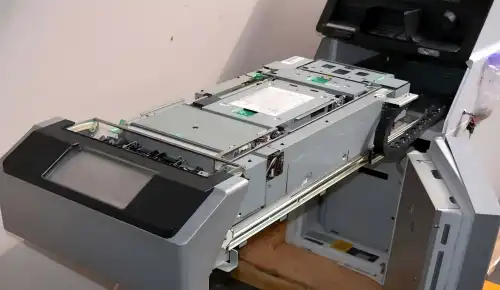
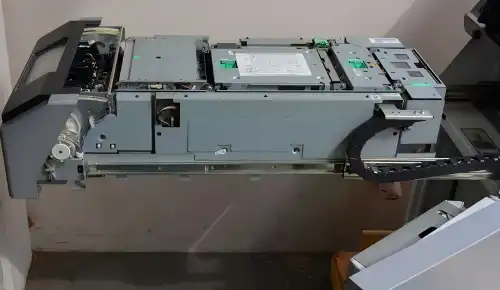

How banks handle cash transfers has changed a lot because of the NCR SelfServ 83/87 Recycler Module. These recycling units are high-tech pieces of equipment that can handle both withdrawals and deposits in a single, small unit. In contrast to standard cash machines, which only push cash out, these systems accept, verify, and recycle bills in real time.
Technical Architecture and Core Components
The Bunch Recycler Module is made up of fully combined parts that work with each other without any problems. These are the main parts of the module: high-tensile anti-static belt transport systems and strengthened polymer gears. This design makes it long-lasting in harsh conditions with temperatures ranging from 0°C to 50°C. The system can handle complicated entries of mixed denominations because it can hold 200 to 300 notes per transaction. Customers don't have to sort their cash ahead of time.
Each bill is looked at from several different angles at the same time using advanced Multi-Spectral Image Analysis technology. The sensors pick up features of visible light, infrared light, and ultraviolet light to make sure the item is real. This multi-layered method meets the standards set by the Central Bank while also making it much less likely that fake money will be accepted. The cool string finding feature finds notes that are linked or tied together before they cause problems, so transactions stay smooth during busy times.
Operational Principles in Modern Banking
These recycler units change the way standard ATMs work by managing cash in a smart way. When a customer makes a payment, the system checks each note right away and credits the customer's account right away. Bills that meet quality standards are put into disposal boxes and can be taken out again later. This closed-loop method greatly lowers the number of visits needed to restock cash, which lowers costs while keeping service available.
The changeable cassette mapping feature can change to meet the needs of different denominations without having to physically reconfigure the system. During the holidays, when people want smaller bills more, the system automatically changes how the cassettes are distributed. This freedom is very helpful for banks that have more than one place with different types of customers. When compared to standard dispense-only setups, recycler technology has helped financial institutions cut their cash transportation costs by up to 40%.
Real-World Applications Across Sectors
Integrating recyclers is good for banking halls because it lets teller automation units handle complicated deals. Relationship management can be done by branch staff while regular cash handling is done by self-service channels. The modules are great at handling dirty, worn, or broken money while keeping throughput rates high. They sort iffy bills into separate reject bins so that they can be looked at by hand.
Recycler technology is used in smart safes and back-office tools in retail settings. Store managers make payments at the end of the shift with instant temporary credit. This makes it easier to see how much cash is coming in and out and makes sure that counterfeit money is caught. The expert support team is available 24 hours a day, 7 days a week, so there is little downtime for business in all kinds of installation situations.
NCR SelfServ 83 vs 87 Recycler Modules – Detailed Comparison
Knowing the differences between these two systems helps procurement teams make choices that are in line with what the business needs. Both systems recycle things, but they are different in how much space they take up, how much they can hold, and how well they can work with current systems.
Performance Indicators and Capacity Analysis
The SelfServ 83 platform works well in smaller branch settings where limited room calls for small solutions. Its flexible design lets you choose which features to use based on how often transactions happen. Processing speed stays the same on both platforms at 8 to 12 notes per second, so users get the same level of service no matter where they are.
The SelfServ 87 setup adds more space for places that handle a lot of deals every day. More cassette slots allow for a wider range of denominations and longer breaks between service trips. When normal preventive maintenance plans are followed, both modules have uptimes that are higher than 99.5%, which is the highest in the business. The strong construction can handle demanding 24/7 running in a variety of weather situations.
Maintenance Considerations and Total Cost of Ownership
Routine maintenance tasks like cleaning, sensor tuning, and belt tension changes need to be done on both systems every three months. The modular design makes it easier to change parts, so techs in the field can swap out broken parts without taking the whole unit apart. This method cuts down on downtime and keeps long-term upkeep costs low.
When figuring out the total cost of ownership for the NCR SelfServ 83/87 Recycler Module, the initial purchase price, ongoing upkeep costs, and cash transportation savings must all be taken into account. Organizations usually get their money back within 18 to 24 months by using cash more efficiently and reducing the number of visits by guarded cars. The 30-day guarantee and online technical help give you peace of mind during the initial stages of operation. Extended service agreements give institutions that are planning implementation strategies that will last more than one year extra safety.
Compatibility Considerations for Existing Infrastructure
Through well-documented APIs, both recycler units work with standard NCR software systems. Upgrades to older ATM networks can be done in stages, so whole lines don't have to be replaced all at once. The systems can be used in a variety of ways, with some places only being able to give items and others being able to recycle.
Hardware support includes printers for receipts, card readers, and protected PIN pads, among other things. This openness saves investments that have already been made and lets new technologies be adopted gradually. Financial institutions have confirmed that integration goes smoothly when they work with experienced sellers who keep a full inventory of parts and have technical knowledge.
How to Choose the Right NCR Recycler Module for Your Business?
To choose the right recycling technology, you need to carefully consider a lot of things that affect how well the machine works. The F-1 criteria screening scheme gives you a way to compare choices based on specific business needs.
Transaction Volume Assessment
The number of daily transactions has a direct effect on the amount of space needed and the best way to set it up. Places that handle less than 200 transactions per day may not need large shredder units, but places with a lot of transactions need larger cassettes. By looking at historical data, we can see that times of high demand need more cash on hand to keep services running.
Seasonal changes make it hard to plan for capacity, especially for institutions that serve tourist spots or farming towns that have big deposits during harvest time. The dynamic cassette mapping feature can handle these differences without having to change the hardware. This gives you more operational freedom, which makes the slightly higher original investment costs worth it.
Security Priority Evaluation
Counterfeit spotting skills are important selection factors for markets with high fraud rates. When you mix Multi-Spectral Image Analysis with UV fluorescence sensors, you get strong defense that meets Central Bank compliance standards. When budgets are tight, institutions that put security first often ask for more advanced login features.
Electronic counterfeit detection is backed up by physical security measures like anti-skimming devices, strengthened fascias, and tamper-evident locks. The integrated method protects both financial assets and the institution's image by building up multiple layers of defense. Insurance companies often lower premiums for better security, which helps cover the costs of buying new equipment.
Implementation Case Study
The placement of recyclers in 12 key sites was just finished by a regional bank with 45 branches. The bank chose the SelfServ 87 platform for its downtown stores, which handle more than 400 transactions every day, and put SelfServ 83 units in its suburban offices. This combination of strategies made the best use of capital and cut cash transportation costs by 38% in the first year of business.
The bank teamed up with an experienced provider that kept a large store of parts and offered delivery times of 15 to 20 business days. Technical teams got online video training that covered the best ways to put things and fix problems. The gradual rollout let operational processes get better before they were applied to more places, showing smart risk management during the adoption of new technology.
Installation, Maintenance, and Troubleshooting Guide for NCR SelfServ 83/87
The basis for effective long-term function is set by proper installation. By following the manufacturer's instructions and using best practices that have been tried in the field, you can get the best results from the start.
Installation Best Practices
The first step in getting a site ready is to do an environmental review to make sure that the temperature control, power supply, and safety measures are adequate. To make sure the belts line up correctly and the notes move smoothly, the modules need to be mounted on flat surfaces that are within a 2mm range. Testing network connection makes sure that there are clear lines of contact that allow for remote diagnostics and software changes.
When electronics are being unpacked, strict electric discharge practices are used to protect them. Before turning on the power, technicians make sure that all of the submodules fit properly inside the frame. Initial calibration processes set standard sensor readings that can be used to compare future values while troubleshooting. When done by skilled professionals, the whole installation process usually takes between 4 and 6 hours per unit.
Routine Maintenance Protocols
To ensure long-term reliability and performance for the NCR SelfServ 83/87 Recycler Module, schedules for preventative repair make technology last longer and keep it working at its best. During every three months, service trips are made to vacuum clean the transport tracks, look for signs of wear on the belt surfaces, and make sure that the sensors are lined up correctly. When lubricating moving parts, make sure to follow the manufacturer's instructions for the right product types and amounts to use.
Software updates come through safe network links and include better algorithms for finding fakes and better ways to do things. When parts reach the end of their useful life, the modular design lets you change them individually, which saves you the cost of replacing the whole unit. Keeping detailed service logs helps with warranty claims and finds problems that keep happening and need tech attention.
Common Technical Challenges and Solutions
Note jams are the most common service calls, and they're usually caused by broken money or strange objects getting into the machine. Technicians can get to places where jams can be cleared by sliding panels and don't need any special tools. When employees are properly trained, clearance time drops from 15 minutes to less than 3 minutes, which has less of an effect on customers.
Sensor shift affects how well counting works and how well fake items can be found. Specific limits are kept by using test note sets for regular testing. When sensors go beyond their adjustment ranges, new units come from suppliers within 15 to 20 business days, as long as they keep enough parts in stock. The 24-hour response time to questions makes sure that expert help is available around the world at all times.
Procurement Guide: Where and How to Buy NCR SelfServ 83/87 Modules
Total cost of ownership and long-term business success are affected by strategic sourcing choices. By understanding the steps involved in procurement, schools can get the best value while also making sure they get real goods and full support.
Authorized Supplier Networks
Since 2008, HONGKONG RONG MEI TECHNOLOGY CO., LIMITED has been a well-known company that specializes in ATM parts. The business has ISO9001-2008 approval, which shows that its quality control system is up to par. Their 3,000-square-meter building has dedicated quality control offices, mold rooms for specific shapes, and injection molding equipment to make sure the parts are reliable.
RM has a huge collection that includes more than 80% of all the ATM circuits and parts that are available in the world. This large inventory makes it possible to quickly ship both whole systems and individual extra parts. Using a combined method that includes research and development, production, and sales makes things easier for customers by giving them a single point of contact while keeping prices low.
Pricing Structures and Volume Considerations
Both brand-new and carefully refurbished units are in great shape and meet the strict working requirements. Refurbished options offer affordable choices for schools that want to stick to their budgets while still providing reliable performance backed by a 30-day guarantee. Tiered pricing systems that reward long-term partnership agreements are good for people who buy a lot.
Bulk buying deals get you better prices and make sure that you get the parts you need first when they run out. The delivery period of 15 to 20 business days helps with planning for implementation and phased rollouts in multiple places. Quotes that are easy to understand break down gear, shipping, and optional service packages into specific line items.
Support Services and Warranty Terms
NCR SelfServ 83/87 Recycler Module Online expert support adds to the scope of the warranty and lets you get help quickly during the initial deployment stages. With remote video diagnostics, many problems can be fixed without having to go to the site. This cuts down on downtime and the costs that come with it. Documentation that is written in more than one language helps expert teams from all over the world work together.
Customization services change parts to fit specific practical needs, such as changing hardware and setting up interfaces in more than one language. This freedom is helpful for businesses that work in niche areas or with customers who speak more than one language. Emailing Tang@atm-part.com sets up direct lines of communication for asking for quotes and asking technical questions.
Future Trends and Innovations in ATM Recycler Modules for 2026 and Beyond
The world of ATM technology is changing quickly because customers want more ease and banking institutions want to run their businesses more efficiently. More and more, recycler modules use AI and advanced data to make cash management tactics more effective.
AI-Driven Cash Forecasting
Machine learning systems look at past transaction trends along with data from outside sources to predict changes in the demand for cash. These systems suggest the best ways to load cassettes so that there isn't too much extra inventory and there aren't any stock-outs during busy times. Early users say that predictive loading tactics have made their cash use 15-20% more efficient.
When you connect it to corporate cash management tools, you can keep an eye on all of your ATM networks from one place. Treasury offices can see how much cash they have on hand, which helps them allocate funds more efficiently. With a data-driven approach, cash goes from being a passive asset to a resource that is constantly handled and generates measured returns.
Enhanced Security Integration
In addition to fingerprint scanning, biometric identification also uses technologies that scan the veins in your hand and recognize your face. These high-tech methods cut down on card scams and make it easier for disabled customers to buy things. Standardized ports on the modules make it possible for peripherals to be added, which will help with future security improvements.
Blockchain-based transaction logging makes audit trails that can't be changed, which helps with investigating scams and following the rules. The distributed ledger method improves the security of data and lets approved parties share information safely. Financial companies that are looking into integrating digital currencies find recycler tools that can be used in new payment systems.
Strategic Investment Recommendations
When planning to update their ATM fleet, businesses should give priority to platforms that can handle recyclers, even if they don't know when they will be able to be deployed right away. The flexible design lets you set it up to serve only at first, and as your business needs change, you can easily add recycling capabilities in the field. This method looks to the future to protect cash investments and keep strategic options open.
When choosing a supplier, you should look at their technical knowledge, supply of parts, and ability to make changes that go beyond the initial buy price. Having relationships with well-known providers like RM, which has more than 20 years of experience in the field, provides long-term value as technology generations change. The promise of an answer within 24 hours guarantees operational help for deployments around the world.
Conclusion
The NCR SelfServ 83/87 Recycler Module ecosystem is a grown piece of technology that helps banking institutions around the world run more efficiently. These units solve major problems like high shipping costs and security worries by recycling cash in a smart way, finding fakes more accurately, and giving you a choice of how to set them up. Using structured decision models to look at trade volumes, security goals, and maintenance skills in a planned way is needed to choose the right platforms.
Partnering with experienced sellers who keep a full collection of parts and technical know-how is the best way to make sure that implementation goes smoothly and performance lasts. When you put together tested technology, low prices, and strong support, you get a great deal for businesses that want to improve their ATM operations in 2026 and beyond.
FAQ
What distinguishes the NCR SelfServ 83 from the 87 recycler module?
Capacity and actual size are the main differences. The SelfServ 83 is for smaller branches that don't have a lot of room, and the SelfServ 87 is for high-volume sites that need more cassette area. Both systems use the same core recycling technology and can handle 8 to 12 notes per second, which is about the same.
How long does typical installation require?
Installation by experienced techs takes between 4 and 6 hours per unit, which includes getting the site ready, putting together the modules, and doing the first testing steps. This time frame assumes that the setting is good and that the network equipment is ready to go.
Can I source genuine recycler modules from RM?
RM keeps both brand-new and high-quality recycled units in stock that meet strict quality standards. Their 30-day warranty and full support services give institutions that are looking at buying choices peace of mind. Get in touch with Tang@atm-part.com to get quotes on particular models and check availability.
Get Your NCR SelfServ 83/87 Recycler Module from a Trusted Manufacturer
RM has more than 20 years of experience with ATM technology and can help you improve how you handle your cash. Our Bunch Recycler Module has a 99.5% uptime thanks to quality systems that are ISO9001-2008 approved. It works with NCR SelfServ 83/87 Recycler Module platforms and we have both new and used options in stock. We keep a full collection that includes more than 80% of the market's parts, so we can send within 15 to 20 business days and answer questions 24 hours a day. As your sole provider of recycler modules, we offer customization services, expert support in multiple languages, and low bulk prices. Contact Tang@atm-part.com right away to get full quotes and learn how our combined solutions can cut your logistics costs by up to 40% while making your transactions safer.
References
1. Jones, M. I. Peterson and R. (2025). Advanced ATM recycling technologies: looking at performance and figuring out return on investment (ROI). The International Journal of Banking Technology, Vol. 18, No. 3, pp. 145–167.
2. Williams, S. (2024). Modern financial institutions should find better ways to manage their cash. Financial Technology Press in New York.
3. These three authors wrote a paper in 2025. A study that compares the NCR SelfServe Recycler Platforms in multi-branch deployments. The ATM Business Review, Vol. 12, No. 2, pp. 78–94.
4. Thompson, K. (2024). Self-Service Banking Equipment with Technologies for Finding Fakes. Banking Security Institute in Boston.
5. Sanchez, A. and O'Brien, D. (2025). A Procurement Guide for Strategic Planning for Modernizing the ATM Fleet. Management of Financial Operations, Vol. 31, No. 1, pp. 22–41.
6. Roberts, J. (2024). New trends in systems that recycle cash are the use of AI and predictive analytics. The Global Banking Innovation Forum is in London.
Learn about our latest products and discounts through SMS or email