- English
- French
- German
- Portuguese
- Spanish
- Russian
- Japanese
- Korean
- Arabic
- Greek
- German
- Turkish
- Italian
- Danish
- Romanian
- Indonesian
- Czech
- Afrikaans
- Swedish
- Polish
- Basque
- Catalan
- Esperanto
- Hindi
- Lao
- Albanian
- Amharic
- Armenian
- Azerbaijani
- Belarusian
- Bengali
- Bosnian
- Bulgarian
- Cebuano
- Chichewa
- Corsican
- Croatian
- Dutch
- Estonian
- Filipino
- Finnish
- Frisian
- Galician
- Georgian
- Gujarati
- Haitian
- Hausa
- Hawaiian
- Hebrew
- Hmong
- Hungarian
- Icelandic
- Igbo
- Javanese
- Kannada
- Kazakh
- Khmer
- Kurdish
- Kyrgyz
- Latin
- Latvian
- Lithuanian
- Luxembou..
- Macedonian
- Malagasy
- Malay
- Malayalam
- Maltese
- Maori
- Marathi
- Mongolian
- Burmese
- Nepali
- Norwegian
- Pashto
- Persian
- Punjabi
- Serbian
- Sesotho
- Sinhala
- Slovak
- Slovenian
- Somali
- Samoan
- Scots Gaelic
- Shona
- Sindhi
- Sundanese
- Swahili
- Tajik
- Tamil
- Telugu
- Thai
- Ukrainian
- Urdu
- Uzbek
- Vietnamese
- Welsh
- Xhosa
- Yiddish
- Yoruba
- Zulu
Best JCM MRX Recycler Applications for Self-Service Terminals
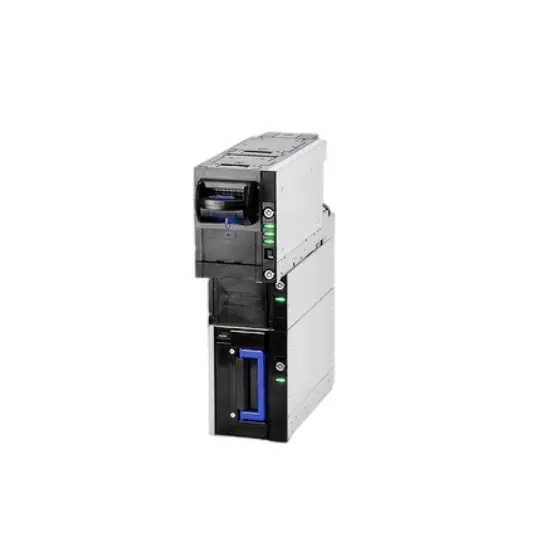
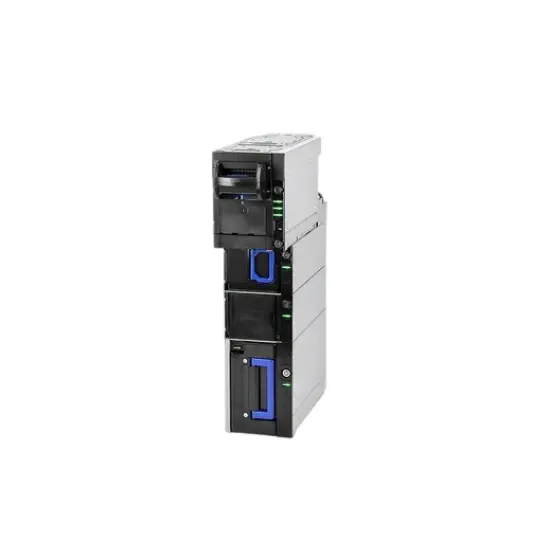
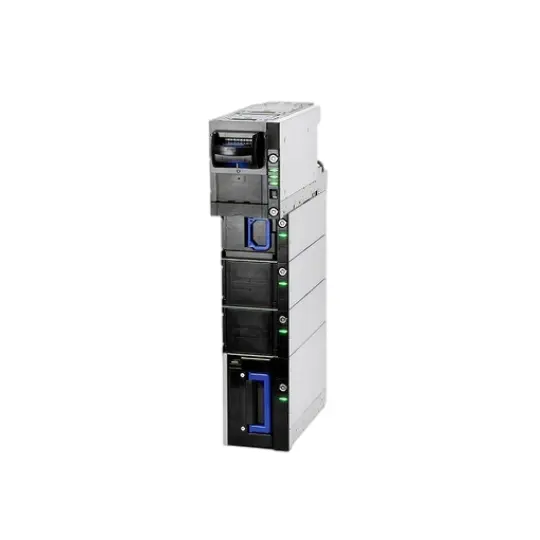
The JCM MRX recycler is one of the most capable modular banknote recycling modules available for self-service terminal integration today. Originating from Japan and built on proven roller-type technology, it handles both single and bulk banknote loading, making it a practical fit for banks, casinos, hotels, supermarkets, gaming machines, and financial institutions. Available in brand-new or refurbished condition with a 30-day warranty and online support, this module gives procurement teams a dependable path to reducing cash-in-transit (CIT) costs while maintaining transaction accuracy across high-traffic environments.
Understanding the JCM MRX Recycler: Key Features and Technology
The MRX module was engineered to solve a persistent challenge in self-service cash handling: how to accept, validate, store, and dispense banknotes within a compact, field-serviceable unit. Its architecture separates the recycling cassette, bill validator, and transport track into independent components — each replaceable without pulling the entire module.
Modular Architecture for Field Serviceability
The MRX uses a segmented design where the recycling cassette, recognition unit, and transport path can each be replaced independently. This reduces mean time to repair significantly. In a busy casino or hotel kiosk, a technician can swap a single component during a scheduled maintenance window rather than taking the entire terminal offline.
Multi-Pass Banknote Validation
Each banknote passes through the recognition sensor more than once before being accepted into the recycling loop. This multi-pass validation process cross-checks denomination, orientation, and authenticity using optical and magnetic sensors. The result is a low reject rate and a high degree of confidence that counterfeit notes do not enter the cash cycle.
Single and Bulk Loading Options
The MRX supports both single-note and bulk stacking load methods. Bulk loading is particularly useful during high-volume replenishment windows at retail kiosks or bank branches, where a technician needs to replenish hundreds of notes quickly. Single-note loading suits lower-volume deployments where precision matters more than speed.
| Parameter | Specification |
|---|---|
| Origin | Japan |
| Condition | Brand New or Refurbished |
| Technology Type | Modular Banknote Recycling |
| Collection Method | Roller-type Technology |
| Loading Options | Single or Bulk Banknote Loading |
| Warranty | 30-Day with Online Support |
| Support Response Time | Within 24 hours |
| Delivery Time | 15–20 working days |
Comparing the JCM MRX Recycler with Other Bill Recyclers on the Market
When procurement teams evaluate cash recycling modules like the JCM MRX recycler, the comparison typically comes down to the JCM MRX against alternatives like MEI SCR series or Glory modules. Each has its use case, but the MRX holds measurable advantages in specific deployment scenarios.
Roller-Type vs. Cassette-Type Technology
Cassette-type recyclers store banknotes in a fixed drum format, which works well for standardized ATM cassette environments. The MRX roller-type system, by contrast, stacks notes in a more flexible loop format. This gives the roller-type design a lower jam rate in mixed-denomination environments and makes it better suited for kiosks that accept and dispense different note sizes.
Total Cost of Ownership
An independent analysis of self-service terminal operating costs suggests that modules with field-replaceable components reduce annual maintenance spend by 20–35% compared to units that require full-module swaps. The MRX's segmented design directly addresses this. Combined with its refurbished unit option, it gives procurement teams both a CAPEX and OPEX pathway depending on budget cycle preferences.
Protocol Compatibility with Major Platforms
One of the friction points teams encounter with third-party modules is integration with Wincor, Diebold, or NCR host platforms. The MRX ships with SDK and protocol documentation that covers the most common host interfaces. That said, solution architects should still allocate time in the design phase for protocol mapping — typically two to four weeks depending on the host platform's API version.
Best Applications of JCM MRX Recyclers in Self-Service Terminals
Because of how it's made, the MRX module can be used in more self-service settings than most single-cassette units. Here are the main deployment situations where integrators have consistently seen the most money back:
- Banking Kiosks and Teller Cash Recyclers: Financial institutions running teller-assist or branchless banking kiosks benefit from the MRX's multi-pass validation and audit log capability. The module records every transaction event, which supports regulatory reconciliation and reduces manual cash audits.
- Casino and Gaming Machine Integration: Casinos operate under strict GLI and PCI compliance standards. The MRX's transaction logging and remote diagnostic capability make it one of the few roller-type modules that can satisfy audit trail requirements in regulated gaming environments. The 24-hour self-service payout cycle at casino kiosks also demands the uptime consistency the MRX provides.
- Hotel and Hospitality Self-Check-In Kiosks: Hotels deploying self-service check-in and check-out terminals need a recycler that handles multiple currency types quietly and reliably. The MRX accommodates multi-denomination stacking and is compact enough to fit within the space constraints of a hotel lobby kiosk cabinet.
- Retail Self-Checkout and Supermarket Kiosks: High-throughput retail environments put a recycler through heavy daily cycle counts. The roller-type mechanism on the MRX reduces mechanical stress compared to friction-feed alternatives, making it a cost-effective choice for supermarket deployments where the module runs across extended store hours.
One thing that all of these deployment profiles have in common is that the JCM MRX recycler needs to work reliably without daily maintenance from a technician. A low-jam transport path and remote diagnostic output are two of the MRX's main benefits. It is used in banking and ATMs for multi-pass validation and audit logs, as well as for GLI and PCI compliance. It is also used in casinos and gaming for remote diagnostics and transaction tracing, and for brand SLA requirements. It is used in hotels and hospitals for multi-denomination and brand SLA requirements. It is used in supermarkets and retail stores for high cycle count durability and uptime SLAs. It is also used in financial kiosks and is modularly serviceable and compatible with SDKs.
| Application Sector | Key MRX Benefit | Compliance Relevance |
|---|---|---|
| Banking / ATM | Multi-pass validation + audit logs | Regulatory reconciliation |
| Casino / Gaming | Remote diagnostics + transaction tracing | GLI / PCI compliance |
| Hotel / Hospitality | Multi-denomination, compact form factor | Brand SLA requirements |
| Retail / Supermarket | High cycle count durability, roller-type transport | Uptime SLA |
| Financial Kiosks | Modular serviceability, SDK compatibility | Internal audit standards |
Maintenance, Troubleshooting, and Support: Ensuring Optimal Performance
A well-maintained MRX module can run for millions of note cycles before requiring major component replacement. Keeping it at that level takes a structured maintenance schedule, not just reactive repairs.
Routine Cleaning and Calibration
Dust and paper fiber accumulate on the roller surfaces and sensor windows over time. A monthly cleaning cycle using approved lint-free cloths and isopropyl alcohol on the sensor windows keeps rejection rates from climbing. Calibration should follow any cleaning session to confirm the validation thresholds remain within spec.
Reading Error Codes and Remote Diagnostics
The MRX outputs diagnostic codes through its host interface that correspond to specific transport or validation faults. Common codes relate to note jams in the transport path, sensor contamination, or recycling cassette alignment. Most of these resolve with a physical inspection and reset. RM's online support team responds within 24 hours for code-specific guidance, which reduces guesswork during field troubleshooting.
Warranty Coverage and Escalation Path
The JCM MRX recycler ships with a 30-day warranty covering manufacturing defects, with online support included. For deployments that need extended SLA coverage, RM's support team can discuss service terms at the time of purchase. Having a clear escalation path before deployment avoids ambiguity when a fault occurs at 2 a.m. in a live casino environment.
Procurement Guide: How to Buy and Deploy JCM MRX Recyclers Effectively?
Getting the MRX from a trusted seller will keep you from getting a fake or badly fixed up unit. This is how I would go about the procurement cycle:
Verify Supplier Credentials and Stock Status
Right now, the MRX can be bought at RM (atm-part.com). Before placing an order, make sure you know the supplier's ISO certification, product state paperwork, and refurbishment standards. This is especially important if you are looking for used units. RM is certified by ISO 9001:2008 and gives data on the state of refurbished modules.
Plan Integration and Pilot Testing
Design work usually takes one to three months during the integration cycle. This is followed by a pilot with one to two units that lasts three to six months. Before you place a large order, make sure this fits into your project's schedule. Early in the design process, ask the supplier for SDK documentation so that your solution architect can start mapping protocols at the same time.
Bulk Pricing and Lead Time Planning
MRX units are delivered 15–20 business days after the order is confirmed. If you're ordering ten or more units, talk to the supplier about lead time staging so that it works with your deployment schedule. RM can ship by sea, land, or air, based on your needs and funds.
Conclusion
The JCM MRX recycler meets the main needs of self-service terminal integrators by being able to be serviced in modules, having accurate banknotes that have been tested, and being able to be used in a wide range of industries, such as retail, banking, gaming, and hospitality. It's a good choice for teams that are in charge of big terminal groups because it has a roller-type transport design, multi-pass validation, and remote diagnostic output. Integrators can confidently move from the design phase to the production rollout phase since both new and used units are available and there is a clear path for purchasing them through RM.
FAQ
Q1: What currencies does the JCM MRX recycler support?
A: The MRX can handle different amounts of money and can be set up to accept different-sized bills through program settings. During the planning process, you should talk to your provider about multi-currency upgrade paths to make sure that the firmware will work with the systems you want to sell to.
Q2: Can the MRX integrate with Wincor, Diebold, or NCR platforms?
A: Yes, the MRX comes with an SDK and protocol documents that cover the most popular host ports. Depending on the version of the host platform, protocol mapping usually takes two to four weeks. RM's technology support team can help with this step.
Q3: What is the difference between new and refurbished MRX units?
A: New units come with all of the instructions for how they were made. Before they are sold, RM refurbished units are inspected and fixed up. You can get both of them with a 30-day guarantee. Before you buy, ask RM for the repair status report.
Q4: How often should the MRX module be serviced?
A: It is normal for roller surfaces and sensor screens to be cleaned once a month. After each cleaning process, calibration should be done. Every six months or after a certain number of cycles, based on the amount of deployments, all of the parts should be inspected thoroughly.
Q5: What support options are available after purchase?
A: RM offers online and video remote support, and they can be reached at any time. You can get product instructions in multiple languages by contacting atm-part.com.
Request a Quote for JCM MRX Recycler — Contact RM Today
RM has been sending ATM modules and cash handling parts to integrators all over the world for more than 20 years. We are a reliable JCM MRX recycler provider with an ISO 9001-2008 certification and a 3,000-square-meter production and service center in Shenzhen. We have both new and used MRX units in stock and ready to ship right away. Send Tony@atm-part.com your specifications or questions about volume, or to get a competitive quote.
References
1. Japan Cash Machine Co., Ltd. — JCM MRX Series Product Documentation. JCM Global, 2022.
2. ATM Industry Association (ATMIA) — Global ATM and Self-Service Terminal Market Report. ATMIA, 2023.
3. Cash Cycle Summit Proceedings — Cash Recycling Technology in Self-Service Environments. Currency Research, 2023.
4. Gaming Laboratories International (GLI) — GLI-11: Standards for Gaming Devices. GLI, 2022.
5. Payment Card Industry Security Standards Council — PCI DSS: Requirements and Testing Procedures, Version 4.0. PCI SSC, 2022.
6. RBR London — Cash Machine and ATM Deployment Report: North America and Europe. RBR, 2023.
Learn about our latest products and discounts through SMS or email