- English
- French
- German
- Portuguese
- Spanish
- Russian
- Japanese
- Korean
- Arabic
- Greek
- German
- Turkish
- Italian
- Danish
- Romanian
- Indonesian
- Czech
- Afrikaans
- Swedish
- Polish
- Basque
- Catalan
- Esperanto
- Hindi
- Lao
- Albanian
- Amharic
- Armenian
- Azerbaijani
- Belarusian
- Bengali
- Bosnian
- Bulgarian
- Cebuano
- Chichewa
- Corsican
- Croatian
- Dutch
- Estonian
- Filipino
- Finnish
- Frisian
- Galician
- Georgian
- Gujarati
- Haitian
- Hausa
- Hawaiian
- Hebrew
- Hmong
- Hungarian
- Icelandic
- Igbo
- Javanese
- Kannada
- Kazakh
- Khmer
- Kurdish
- Kyrgyz
- Latin
- Latvian
- Lithuanian
- Luxembou..
- Macedonian
- Malagasy
- Malay
- Malayalam
- Maltese
- Maori
- Marathi
- Mongolian
- Burmese
- Nepali
- Norwegian
- Pashto
- Persian
- Punjabi
- Serbian
- Sesotho
- Sinhala
- Slovak
- Slovenian
- Somali
- Samoan
- Scots Gaelic
- Shona
- Sindhi
- Sundanese
- Swahili
- Tajik
- Tamil
- Telugu
- Thai
- Ukrainian
- Urdu
- Uzbek
- Vietnamese
- Welsh
- Xhosa
- Yiddish
- Yoruba
- Zulu
ATM Reject Cassette Guide: Types, Uses and Replacement Tips
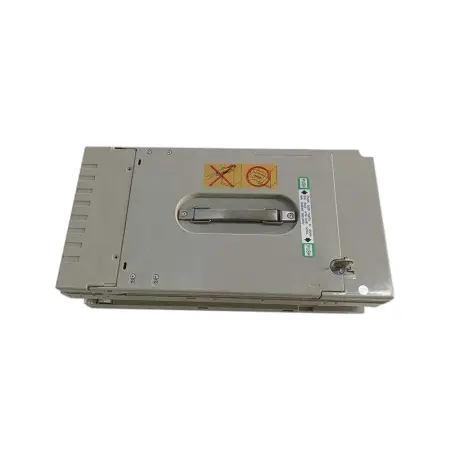
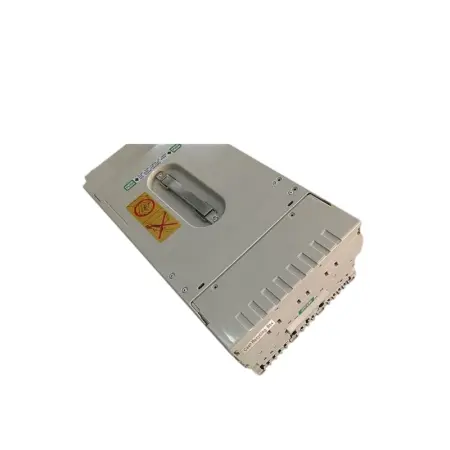
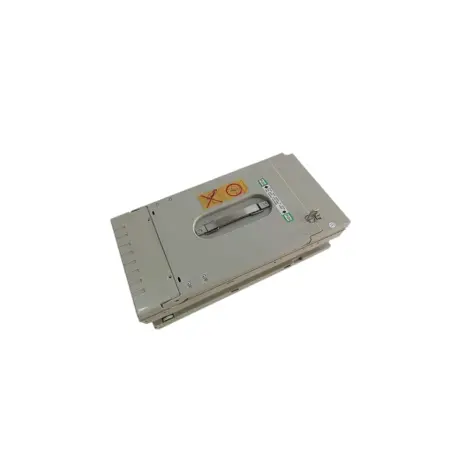
If you manage a fleet of Hitachi ATMs, understanding how a reject cassette works is not optional — it is operational basics. The ATM AB cassette is a dual-compartment module that separates two distinct cash events: Type A, where a note is rejected due to counterfeit detection, double-pick, or thickness error, and Type B, where a customer walks away without collecting their dispensed cash. Getting this component right means fewer cash disputes, cleaner audit trails, and less downtime. This guide covers everything from technical specs to replacement decisions.
Understanding ATM AB Cassettes: Types and Technical Specifications
You need to know exactly what you're getting and why it's important before you place a shopping order.
What Type A and Type B Mean in Practice?
Type A notes are those that were flagged during the dispensing validation process because they don't look right in terms of thickness, are likely copies, or failed bogus checks. These notes get thrown off track before they get to the customer. Type B records notes that the customer tried to get from the bezel but failed to do so within the timeout window. Putting these two groups of people in the same bin makes it very hard to settle disagreements. This is why dual-bin architecture is important for any bank-grade operation.
Key Technical Parameters
The two-part cash cassette made for Hitachi ATMs has a diverter gate that is driven by a solenoid and has a response time of less than 50ms. This is fast enough to match the speed of the transport belt in high-throughput machines. The UL94 V-0-rated strengthened polycarbonate-ABS material that the ATM AB cassette is made of can handle both physical stress and changes in the environment. To keep tracks from getting stuck, dimensional limits must stay within ±0.1mm. The cassette has a built-in identification chip that lets you know its status in real time, such as whether it is Low, Full, or Tampered.
Part Numbers You Need to Match
For exact part verification, this product is compatible with Hitachi WAB and WBX subassemblies. The following are confirmed component codes:
- 2P003988A / 2P004303B — WBX-BX1-CBL ASSY
- 1P004481-001 — AB BOTTOM BASE (RoHS compliant)
- M7P040237A / 1P004088C — AB Door / WBX-DOOR ASSY
- 1P004012-002 / 1P004013-001 — WAB-FRONT FRAME and WBX-REAR FRAME
- 2P005409A — WAB-ENTGUIDE ASSY
Before you order, these numbers must match the sub-assembly name on your machine. When the latch fails on installation day, it's usually because of a mismatch at the frame or door level.
Comparing ATM AB Cassettes: Making the Right Procurement Decision
Not all reject cassettes work the same, and the difference in cost between a good fit and a bad one is shown in field callbacks, not on the bill.
Single-Bin vs. Dual-Bin Architecture
All trouble notes are kept together on standard single-bin reject tapes. This is fine for low-volume operations. When a bank needs to keep track of reversal records, like after Hitachi's official service removal, a single-bin unit leaves audit holes that compliance teams will point out. The gap is gone thanks to the dual-compartment design.
New vs. Refurbished: The Real Cost Calculation
A brand-new unit costs more up front, but it has no internal wear when it first comes out. When the sealing and latch parts are properly repaired, a carefully refurbished unit works just as well for less money per unit. The most important thing to know is if the supplier has changed the internal tension springs and checked the diverter gate solenoid. Most service calls are for refurbished units with spring tension that hasn't been checked. There are both new and used cassettes from RM available, and each one comes with a 30-day guarantee and online help.
What Certifications Actually Signal?
Production processes that are ISO 9001-certified show that the company follows documented quality controls during all stages of production, including making, putting together, and testing the Products. Markings from Japan on the ATM AB cassette body are important in markets where banks need (parts tracking) audit paperwork. It takes RM three years to get its Hitachi-compatible AB cassettes from Japan, and its 3,000-square-meter factory in Shenzhen is ISO9001-2008 certified.
Installation, Use, and Maintenance of ATM AB Cassettes
If you install a correct cassette wrong, it will cause the same amount of downtime as a broken one.
Pre-Installation Checklist
Make sure that the ATM's diverter gate timing parameters match the cassette's solenoid response spec before you put the cassette in. Check the WBX-MID BASE (1P003744-001) and rail guides for damage or debris. Make sure the WAB-USEPA BLOCK (2P004314-001) is placed properly, as a block that isn't in the right place is what usually causes the wires to go the wrong way between compartments A and B during the first installation.
Handling and Loading Best Practices
Don't put more than 200 notes in the Type B bin or more than the rated capacity in the Type A bin. This will keep them from breaking. The gravity-assisted stacking system only works right when the press plate is fully reset after each turn. If the "Cassette Full" mistake shows up even though the bin is clearly not full, check the prism sensors for dust and make sure the press plate actuator arm is going back to its original position.
Routine Maintenance Schedule
In places with a lot of humidity, clean optical sensors every 30 days with a dry, lint-free cloth. Every 90 days, check belt Y69608-044 (S2M882) for surface cracks. At every scheduled maintenance visit, look at gear 4P009166-001 (CS 15T gear D) to see if any teeth are worn down. If the transport time lags or there is strange noise while it's running, you should replace the belt and gear set right away.
Procurement and Supply Chain Insights for ATM AB Cassettes
Price isn't the only thing that goes into sourcing decisions at this level. Reliability of lead time, flexibility in MOQ, and help with documentation all affect your total cost.
Typical Procurement Cycle and What to Expect
Most third-party ATM service providers follow an organized process: they compare three to five suppliers over the course of two to three weeks, then ask for a single unit to be tested on a bench, and finally test 20 to 50 units in the field before signing a framework agreement. For Hitachi-platform tapes, the full cycle usually takes three to six months because each unit is more expensive and compatibility data needs to be checked in the field.
MOQ, Lead Time, and Sample Policy
RM can take orders as little as one unit for initial testing, which lowers the company's financial risk during the trial phase. Most of the time, it takes 15 to 20 working days to get an order. The response time for general questions and technical ones is 24 hours. During the sample-and-test process, when field workers need quick answers on tricky installation issues, this is important.
Verifying Supplier Credibility
Ask for a test report that lists the exact part numbers that your machines need. A reliable ATM AB cassette provider will give you proof that the shutter has been tested for at least 500,000 cycles, that the sensors have been calibrated, and that the cassette came from a certain place. Markings from Japan on the physical cassette are often needed for vendor approval steps in Latin American bank operations. Make sure of this before you place your first order.
Advanced Considerations: Optimizing ATM Operations with ATM AB Cassettes
Security Features Built Into the Cassette Design
Unauthorized access is not possible during cash-in-transit replenishment because of tamper-evident indicators and torque-tested keylock mechanisms. The lock system has been tested to a minimum torque resistance of 15Nm. This means that it can't be opened with hand tools. These built-in safety features lower the risk of insurance claims in high-risk deployment settings and meet the needs of bank security audits.
Operational Efficiency Through Correct Classification
A classification accuracy rate of 99.9% between Type A and Type B events means that fewer counts have to be done by hand, cash is reconciled faster, and end-of-day reports are cleaner. If you need to pull reversal records for a dispute settlement, a dual-bin cassette that works right away can do that for you instead of having to go through each note by hand.
Polymer Note Compatibility
New reject cassettes that work with Hitachi have anti-static brushes and low-friction guide surfaces. These fix the static-cling problem that comes with polymer money, which leads to wrong stacks and false "Full" sensor readings in places that handle Australian, Canadian, or Southeast Asian polymer bills.
Conclusion
Finding the right parts is an important part of managing a Hitachi ATM fleet after the official maker service has stopped. The dual-compartment ATM AB cassette is not a general part; the accuracy of the part number at the WAB/WBX sub-assembly level decides whether the installation works the first time. Before agreeing to large orders, make sure you check the origin paperwork, test reports, and latch and seal integrity, no matter if the stock is new or used. Each shipment from RM comes with a 30-day warranty and direct technical support to make sure it works.
FAQ
How does the cassette separate rejected notes from retracted ones?
The main CPU of the ATM sends a signal to the solenoid-driven diverter gate. Depending on the timing, the note either goes straight into the Type A bin (rejection) or pulls back from the rim and into the Type B bin (retraction). The two bins share a frame, but the internal diverter system keeps them physically separate.
Can I use a refurbished unit in a bank-audited environment?
Yes, as long as the unit is marked as being made in Japan and the seller gives you a test report that confirms the shutter cycle count, sensor calibration, and spring tension. These standards for paperwork are met by RM's refurbished cassettes, which come with a 30-day guarantee.
What part numbers are compatible with Hitachi WAB and WBX machines?
Some important part numbers are 1P004481-001, M7P040237A, 1P004088C, 1P004013-001, 1P004012-002, and 1P003744-001. Always check your machine to see what the exact sub-assembly name is before placing an order.
When should I replace rather than repair?
If the internal tension springs lose more than 15% of their tensile strength or the drive gears show clear tooth wear, the unit needs to be replaced. Noise during transport cycling is a good early sign that the unit is almost done with its useful life.
What is the minimum order quantity?
RM will take orders as low as one unit for testing and sampling reasons. Email Tony@atm-part.com to find out what's in stock and how much it costs for your specific configuration.
Connect With RM for Hitachi ATM AB Cassette Supply
RM has been a supplier of ATM parts for more than 20 years. Their production is ISO9001-2008 certified, and they get their parts directly from Japan. RM's team replies within 24 hours, whether you need a single sample unit or a long-term agreement to sell ATM AB cassettes. You can email Tony@atm-part.com to get a price, check a part number, or get help installing your Hitachi ATMs.
References
1. Diebold Nixdorf. ATM Industry Service and Maintenance Report. 2022.
2. ATM Industry Association (ATMIA). Global ATM Security Guidelines. 2021.
3. Hitachi-Omron Terminal Solutions. Financial Equipment Maintenance and Component Standards Documentation. 2019.
4. European ATM Security Team (EAST). ATM Cash Cassette Security and Traceability Standards. 2023.
5. International Organization for Standardization. ISO 9001:2015 Quality Management Systems — Requirements. 2015.
6. RBR London. Global ATM Market and Forecasts to 2028. 2023.
Learn about our latest products and discounts through SMS or email