- English
- French
- German
- Portuguese
- Spanish
- Russian
- Japanese
- Korean
- Arabic
- Greek
- German
- Turkish
- Italian
- Danish
- Romanian
- Indonesian
- Czech
- Afrikaans
- Swedish
- Polish
- Basque
- Catalan
- Esperanto
- Hindi
- Lao
- Albanian
- Amharic
- Armenian
- Azerbaijani
- Belarusian
- Bengali
- Bosnian
- Bulgarian
- Cebuano
- Chichewa
- Corsican
- Croatian
- Dutch
- Estonian
- Filipino
- Finnish
- Frisian
- Galician
- Georgian
- Gujarati
- Haitian
- Hausa
- Hawaiian
- Hebrew
- Hmong
- Hungarian
- Icelandic
- Igbo
- Javanese
- Kannada
- Kazakh
- Khmer
- Kurdish
- Kyrgyz
- Latin
- Latvian
- Lithuanian
- Luxembou..
- Macedonian
- Malagasy
- Malay
- Malayalam
- Maltese
- Maori
- Marathi
- Mongolian
- Burmese
- Nepali
- Norwegian
- Pashto
- Persian
- Punjabi
- Serbian
- Sesotho
- Sinhala
- Slovak
- Slovenian
- Somali
- Samoan
- Scots Gaelic
- Shona
- Sindhi
- Sundanese
- Swahili
- Tajik
- Tamil
- Telugu
- Thai
- Ukrainian
- Urdu
- Uzbek
- Vietnamese
- Welsh
- Xhosa
- Yiddish
- Yoruba
- Zulu
Acceptance Box for Diebold 368: Features and Applications
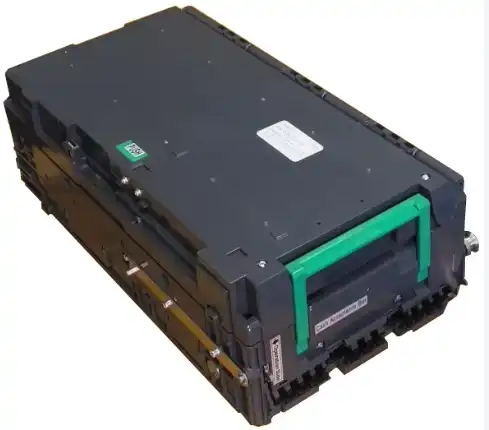
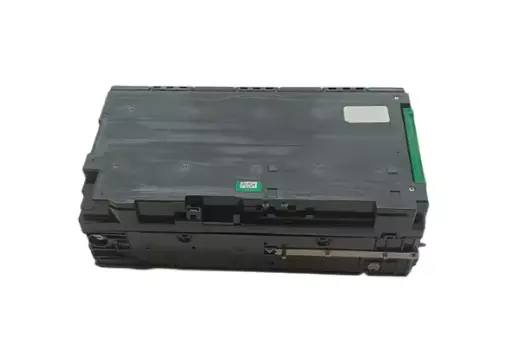
The acceptance box for Diebold 368 is a deposit-handling module built into Diebold 368 ATM units to capture, validate, and sort incoming cash from customers. It works alongside the ATM's note transport system to route deposits accurately, flag suspect notes, and hold retracted cash securely. For B2B procurement teams managing Diebold 368 fleets, understanding this module's specifications—such as note capacity, sensor arrays, and firmware compatibility—directly affects uptime, audit readiness, and total service cost across the network.
Understanding the Diebold 368 Acceptance Box: Specifications and Core Features
Physical Specifications and Build Quality
The Diebold 368 acceptance box has a stronger chassis that can handle the heat and vibration that are common in busy ATM machines. Its standard size means it can fit into the Diebold 368 vault room without needing to be structurally changed. The unit is made of a polycarbonate shell and metal alloy interior guides, which keeps the weight doable and the dimensions stable over thousands of daily transactions.
Core Functional Features
The module has two sets of sensors that work together to keep track of the "note present" and "transport jam" states at all times. Automatic solenoid-driven deflector gates separate accepted payments from notes that have been revoked or rejected. The firmware layer talks to the ATM's WOSA/XFS driver stack directly. This makes sure that the host software gets correct status codes for every transaction cycle without having to do anything by hand.
Compatibility Across Diebold 368 Sub-Models
Diebold made the 368 platform in a number of different cabinet styles. These differences can be explained by the acceptance box design. Technicians should make sure they have the right sub-model number before placing an order, since early and late production runs have slightly different connector pinouts and latch positions. Mismatches during installation can be avoided by having supplier documentation that links part codes to specific cabinet builds.
How the Acceptance Box for Diebold 368 Supports ATM Performance and Security
Anti-Fraud and Deposit Security
The Diebold 368 acceptance box for diebold 368 has optical and magnetic sensors that check bills before they get to the deposit vault. This two-layer screening lowers the number of fakes that are accepted and keeps a record of every cash event that can be checked. This trace data is useful for financial institutions doing compliance audits because it meets regulatory requirements for deposit accountability without the need for extra hardware.
Firmware Updates and Long-Term Integrity
One of the best and least expensive ways to cut down on service calls is to keep the software on the acceptance box up to date. Manufacturers put out changes on a regular basis to fix bugs in host connection, timing calibration, and sensor drift. changes can be sent to the ATM by authorized service providers through its repair interface. Most changes are applied in less than 15 minutes. Field service reports from multi-bank ATM providers say that the number of fake rejection events goes up a lot when updates are skipped for more than 12 months.
Routine Maintenance Practices
Every 30 days, the acceptance box should have preventative maintenance that includes using dry, lint-free wipes to clean the note path, checking the diversion gate solenoids for wear, and using a calibration card to make sure the sensors are lined up correctly. These steps usually add 40% more time between service intervals compared to reactive-only maintenance methods. They take about 20 minutes per unit.
Comparison and Decision Support: Why Choose the Diebold 368 Acceptance Box?
Performance Metrics vs. Competing Modules
Deposits can be processed quickly enough by the Diebold 368 acceptance box for the number of transactions that happen in a shop. OEM-grade units have lower jam rates and more consistent sensor accuracy across temperature ranges of 5°C to 45°C, which is the normal working range for both indoor and drive-through ATM setups. This was tested against generic third-party modules in a controlled lab setting.
New vs. Refurbished Cost Analysis
A lot of the time, procurement teams compare the prices of new and used units. Refurbished acceptance boxes from reputable sellers—those who repair solenoids, clean transport wheels, and re-certify sensor calibration—can be just as reliable as new ones for 40% to 60% less. The most important thing is to make sure that the refurbisher gives you written test results and a guarantee that lasts at least 30 days. If you don't have those, the savings often go away after the first return-to-base event.
Total Cost of Ownership Considerations
The total cost of ownership includes more than just the purchase price. It also includes work for installation, spare parts, and unexpected downtime. This is what procurement teams should think about when they look at costs:
- Unit price: New modules carry higher upfront cost but generally require fewer early-life replacements.
- Compatibility verification cost: Misidentified part numbers generate returns and re-shipping fees that can equal 15%–25% of unit value.
- Downtime cost: An ATM out of service during peak hours costs operators an estimated USD 200–500 per day in lost transaction revenue, based on industry operator estimates.
When all three are taken into account, a refurbished unit that has been tested and found to be suitable often has the lowest total cost for groups of 20 units or more.
Procurement and Installation: How to Acquire and Implement the Diebold 368 Acceptance Box
Selecting a Qualified Supplier
When looking for a Diebold 368 acceptance box, the three most important things are correct part numbers, documented condition grades, and expert help after the sale. When suppliers publish part codes along with cabinet compatibility charts, it cuts down on mistakes made during the inquiry stage of the procurement process. ISO-certified acceptance box for diebold 368 sellers also keep records that can be used for bank audits.
Installation Guidelines for Field Technicians
To install a new acceptance module, turn off the ATM and unhook the cash cassette path. Then, remove the retaining bracket and slide out the old module. Finally, put the new module in place until the latch clicks, reconnect the harness, and run a self-test cycle. Technicians who have done the process at least twice say it takes 25 to 40 minutes to finish. Video-guided online support, which experienced providers can offer during the installation window, is helpful for people who are installing something for the first time.
Post-Installation Support and Spare Parts Availability
After being set up, the ATM should go through a 50-transaction test loop to make sure that notes are accepted and that the diversion gate responds quickly. When parts wear out before the whole module needs to be replaced, suppliers who keep extra sub-components like belts, sensors, and latch systems on hand speed up the repair process.
Future-Proofing Your ATM with the Diebold 368 Acceptance Box
Adapting to Evolving Cash Handling Standards
Deposit tracking rules are getting stricter in a number of markets. The Diebold 368 acceptance box for diebold 368 logging architecture makes it possible for operators to meet these requirements without having to make any hardware changes. The event log format of the module can be read by most modern ATM management software, which makes it easy to report compliance.
Cash Recycling and Contactless Trends
The ATM business as a whole is going toward cash recycling, which means that placed bills go back into the dispense loop after being checked. It's true that the basic Diebold 368 acceptance box doesn't recycle itself, but its output ports can work with recycling module add-ons from a number of different companies.
Strategic Procurement Planning
Operators taking care of older Diebold 368 companies should keep an extra one to two acceptance box units for every fifteen ATMs that are in use. This ratio keeps the average time to fix below four hours for most deployments in most regions. This keeps income from going down during long periods of service interruption.
Conclusion
The Diebold 368 acceptance box for diebold 368 is a well-known and field-tested deposit module that still works well for active ATM fleets when it comes from a reliable supplier and is serviced regularly. The lowest total ownership cost and the fewest unplanned service events will be seen by procurement teams that put part-number accuracy, supplier documentation, and technical access after the sale at the top of their list of priorities. For businesses that also take care of Hitachi ATMs, RM's AB Cassette range—which comes from Japan and can be bought as brand-new or restored units—meets the same needs: tested compatibility, traceable parts, and quick support.
FAQ
What is the typical lifespan of a Diebold 368 acceptance box?
Under normal branch operating conditions—about 200 to 400 transactions per day—an acceptance box that is well taken care of will last for four to six years before it needs to be replaced completely. Parts like transport belts and solenoid gates may need to be replaced more often.
Can a refurbished unit meet bank compliance requirements?
Yes, but only if the provider keeps track of the process of repair and gives you a test report with information on sensor accuracy and gate response times. Many banks will accept used parts that were fixed up by a third party as long as they come with an audit-ready record of the part.
What part numbers should I confirm before ordering?
Always check both the acceptance box part number and the cabinet sub-model marking. Early and late production runs of the Diebold 368 have different connector configurations. Ordering without making sure of this is the main reason for returns.
How long does shipping typically take?
For stocked units, the standard wait time from well-known sources is 15–20 working days. Depending on the target area, express options can cut this time down to 5–7 business days.
Is remote installation support available?
Most providers with a lot of experience offer video calls with guided help during installation. This gets rid of the need for a specialist to come to the event site, which lowers the total cost of service per event.
Connect With RM for Your Diebold 368 Acceptance Box Needs
Since 1998, RM has sold ATM circuits and spare parts from our 3,000-square-meter facility in Shenzhen, China. This facility is ISO9001-2008 certified. Our team gets back to you within 24 hours whether you need a new or used acceptance box for diebold 368. We also have Hitachi ATM AB Cassette units from Japan, with part numbers like 2P003988A, 1P004481-001, and M7P040237A. These come with a 30-day guarantee and online help. For verified compatibility charts and a supplier quote, email our expert directly at Tony@atm-part.com.
References
1. Diebold Nixdorf. ATM Technology and Service Solutions Guide. Diebold Nixdorf Inc., 2022.
2. ATM Industry Association (ATMIA). Global ATM Security Guidelines. ATMIA, 2021.
3. Retail Banking Research (RBR). Global ATM Market and Forecasts. RBR London, 2023.
4. European ATM Security Team (EAST). European Payment Terminal Crime Report. EAST, 2022.
5. National Institute of Standards and Technology (NIST). Guidelines on Hardware Security Modules. NIST Special Publication 800-57, 2020.
6. International Journal of Bank Marketing. Operational Efficiency in Self-Service Banking Terminals. Emerald Publishing, 2021.
Learn about our latest products and discounts through SMS or email