- English
- French
- German
- Portuguese
- Spanish
- Russian
- Japanese
- Korean
- Arabic
- Greek
- German
- Turkish
- Italian
- Danish
- Romanian
- Indonesian
- Czech
- Afrikaans
- Swedish
- Polish
- Basque
- Catalan
- Esperanto
- Hindi
- Lao
- Albanian
- Amharic
- Armenian
- Azerbaijani
- Belarusian
- Bengali
- Bosnian
- Bulgarian
- Cebuano
- Chichewa
- Corsican
- Croatian
- Dutch
- Estonian
- Filipino
- Finnish
- Frisian
- Galician
- Georgian
- Gujarati
- Haitian
- Hausa
- Hawaiian
- Hebrew
- Hmong
- Hungarian
- Icelandic
- Igbo
- Javanese
- Kannada
- Kazakh
- Khmer
- Kurdish
- Kyrgyz
- Latin
- Latvian
- Lithuanian
- Luxembou..
- Macedonian
- Malagasy
- Malay
- Malayalam
- Maltese
- Maori
- Marathi
- Mongolian
- Burmese
- Nepali
- Norwegian
- Pashto
- Persian
- Punjabi
- Serbian
- Sesotho
- Sinhala
- Slovak
- Slovenian
- Somali
- Samoan
- Scots Gaelic
- Shona
- Sindhi
- Sundanese
- Swahili
- Tajik
- Tamil
- Telugu
- Thai
- Ukrainian
- Urdu
- Uzbek
- Vietnamese
- Welsh
- Xhosa
- Yiddish
- Yoruba
- Zulu
ATM PIN Pad Buying Guide: Why Choose EPP V7
Choosing the right encoding PIN Pad has a direct effect on how safe and efficiently your ATM network works. EPP V7 is a big step forward in safe transaction technology. It has better cryptographic protection and a design that can't be changed, which fixes problems that were found in earlier versions. Understanding the technical benefits of EPP V7 devices can help banks, ATM owners, and service companies that are in charge of multiple installations cut down on upkeep costs while still meeting strict PCI PTS compliance standards. This guide looks at why EPP V7 solutions have become the first choice for banks that want reliable, low-cost security tools for Diebold Nixdorf ATMs and other systems that work with them in a variety of settings.
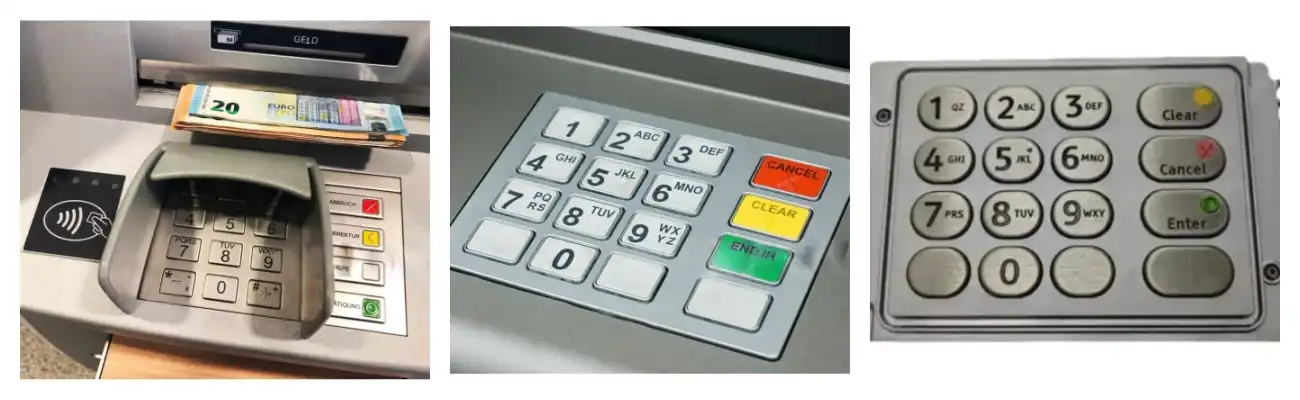
Understanding ATM PIN Pads and Their Critical Role
The Foundation of Secure Transactions
An protected PIN entry device is the main way that users and banking systems verify that they are who they say they are. Unlike regular keyboards, these special units use hardware-based cryptographic processors to encrypt every letter as soon as it is entered. This instant encryption stops interception attacks, in which bad people try to steal private data while it's being sent to the host system. The safe cryptographic section of the device creates and saves encryption keys in a housing that can't be opened. This way, even if someone gets direct access to the unit, they can't get to the saved credentials.
Security Features That Matter in Real Deployments
Modern input devices that secure data have multiple levels of security built in for situations where no one is around. Physical thief detection systems have mesh sensors that erase keys automatically when they are opened without permission. Environmental sensors keep an eye on changes in temperature and chemical exposure that could be signs of an attack. Because it works with Triple DES, AES, and RSA encryption methods, the encrypted engine can be used in a variety of banking networks. Skimming attacks and "man-in-the-middle" data interception are two security problems that these features directly fix. These problems continue to risk banking networks around the world.
Compliance Standards You Cannot Ignore
Payment Card Industry PIN Transaction Security certification is the lowest level that safe input devices can meet in financial settings. This process of approval makes sure that devices can withstand both mental attacks like using stolen software and physical attacks like drilling or taking out parts. EMV compliance makes sure that chip cards work with global standards, and different regional licenses meet the needs of different markets. Our EPP V7 units keep all the necessary certifications up to date. This gives buying teams peace of mind that devices meet legal standards without needing any extra validation steps.
Why Choose EPP V7 for ATM PIN Pads?
Evolutionary Improvements Over Previous Generations
In terms of security, the version 7 design is much better than its predecessors, EPP2, EPP3, and EPP4. Better USB interfaces allow for faster connection and more reliable operation in harsh circumstances. The updated PCI firmware standards include lessons learned from security holes found in earlier designs, stopping advanced attackers from using the same exploitable paths as before. For the PIN Pad, these same security enhancements apply to protect customer entries. The support for asymmetric encryption makes it possible to handle keys securely from a distance, which greatly lowers the costs of operations that used to involve technician trips for actual key injection processes.
Technical Architecture Designed for Reliability
The safe cryptographic device and interface management are both built into our EPP V7 control board (part number 01750240366), which is also the main processing unit. This PCB assembly goes through a lot of external stress tests, such as being heated and cooled from -25°C to +65°C and being exposed to humidity levels up to 95% without condensation. This kind of testing makes sure that the system will work properly whether it's installed in a bank office with controlled temperatures or an open-air booth. The parts chosen are meant to last a long time. For example, the key switches are rated for over 2 million activation cycles, and the construction is made of stainless steel, which doesn't rust in seaside or industrial settings.
Global Configuration Flexibility
Because we know that financial institutions work in a lot of different areas, we keep a large collection that meets the needs of all of them. The Cryptera version (01750262078) has better security features for high-risk setups, while the EPP V7 International ST (01750242200) has the normal layout that works for most deployments. It comes in different layouts for different markets, such as the USA PKI compatible type (01750242201), the German layout (017502422202), the French layout (01750242203), the Spanish layout (01750242204), and the Brazilian layout (01750242205). With this wide range of Products, you don't have to deal with the hassle of getting different parts from different sources. This makes it easier to keep track of your inventory and cuts down on the time it takes to get new parts.
Comparing EPP V7 PIN Pads with Other Market Options
Connectivity Considerations for Different Deployments
When installing something permanently and not having to worry about managing cables, wired setups with USB or RS232 serial interfaces provide the most stable link. These links get rid of worries about wireless interference and supply power consistently. The better USB protocol in EPP V7 devices speeds up data transfer compared to older serial links while still working with ATM mainboards that are already in use. Installation teams like the plug-and-play feature because it cuts down on the time needed for setup during rollout or maintenance.
Security Comparison Against Traditional Devices
Older safe input units used symmetric encryption methods that needed the master key to be updated on a regular basis by hand. Support for asymmetric encryption in EPP V7 lets you use remote key loading methods that get rid of the need for expensive expert dispatches. The advanced tamper detection reacts faster to attempts at physical entry, with reaction times in the millisecond range instead of the seconds range seen in older designs. This same level of protection applied to the PIN Pad ensures that customer entries remain secure from physical attacks. Because of better security, fraud costs are going down and insurance rates are going down for banking institutions that keep their security levels high.
Total Cost Analysis for Procurement Teams
However, original equipment maker parts are more expensive and take longer to deliver. Our brand-new and restored EPP V7 modules work just as well but cost a lot less. The 30-day warranty on all parts protects you when you buy them, and our established supply lines make sure that parts are always available for long-term repair needs. Buying in bulk can help you save even more money, and groups that manage a lot of ATMs can get deals for buying in bulk. Because a single seller can offer a wider range of products, it is easier to manage than contracts with multiple suppliers.
Selecting and Procuring the Right EPP V7 PIN Pad
Defining Your Technical Requirements
Analysis of transaction volume shows you the longevity requirements your operation needs. Our devices are built to last, and the key switches last longer than the industry standard. This is important for places that get a lot of traffic and process thousands of deals every day. An environmental study will tell you whether standard or high-brightness screens (part number 01750242207) will work better in the places where you want to put them. Outdoor settings benefit from modules that make it easier to read even when there is strong sunshine, which would normally wash out regular displays.
Vendor Qualification and Certification Verification
Working with authorized sellers who have verified certifications keeps you safe from fake parts that harm security. Our quality control systems meet world standards, as shown by our ISO9001:2008 certification. Our ERP systems keep track of every part from the time it is manufactured until it is delivered. This gives buying teams the full quality traceability they need for compliance paperwork. The video remote help and technical support in multiple languages make sure that installation goes smoothly no matter where you are or how many technical experts are available in your area.
Customization Options for Specialized Needs
Most deployment situations can be handled by standard setups, but sometimes specific operating needs call for custom solutions. Our tech team changes current modules or creates new ones based on what the customer wants. This can include changing the language settings and customizing the hardware, such as a PIN Pad with unique security or layout requirements. Gathering detailed needs is the first step in the customization process. Next comes making a prototype and trying it to make sure it works before it goes into full production. This flexibility is especially helpful for schools that use their own systems or need to connect to specific security protocols that aren't enabled by default settings.
Troubleshooting and Maintaining Your ATM PIN Pad
Common Issues and Resolution Strategies
Device freezing usually means that the safe input module and the ATM mainboard are not communicating using the same protocol. Most of these problems can be fixed by making sure that the firmware versions are compatible. Our expert team can help you choose the right firmware for your ATM type. Communication mistakes are usually caused by problems with the wire connection, not the device itself. Many problems can be fixed by checking the USB or serial links for physical damage or loose seating. Most encryption mistakes need processes for key reinjection, which are walked through by our remote support team using safe protocols that protect the security of the encryption.
Preventive Maintenance Best Practices
Regular firmware changes protect against new security holes that are found by security experts on a regular basis. We send out security fixes within 24 hours of validation to make sure your setups are always safe from new threats. Physical cleaning with approved chemicals keeps the quality of the tactile reaction and stops dirt from building up, which hurts the user experience. You can get new parts for gasket and overlay parts, which need to be checked for wear on a regular basis. If you see any obvious damage, you should change them to keep the environmental sealing integrity.
Extending Device Lifespan Through Proper Handling
How things are installed has a big effect on how reliable they are in the long run. If you follow the right ESD guidelines during installation, you can keep sensitive electronic parts from getting damaged by static electricity. Interface ports can be kept safe from mechanical stress by not using too much force when connecting cables. Environmental tracking makes sure that the temperature and humidity in the working area stay within certain limits. This keeps parts from wearing out too quickly. These practices increase the return on investment by extending the time between replacements and lowering the number of unexpected repair events that make ATMs unavailable.
Conclusion
EPP V7 encryption devices are a mature, field-proven way for financial institutions to deal with the security and operating problems they face. The wide range of parts that includes control boards, foreign layouts, and regional setups makes buying easier and ensures compatibility with Diebold Nixdorf systems. Technical benefits like better tamper detection, support for asymmetric encryption, and increased environmental resistance lead to real benefits such as lower upkeep costs and less fraud risk. For the PIN Pad, these same security principles apply to protect customer entries. Since both brand-new and used items are in stock, institutions can quickly implement security updates without waiting for long lead times. Competitive pricing, a 30-day warranty, and quick technical help make this a great deal for ATM owners and service companies that are in charge of complicated deployments across multiple sites.
FAQ
Q1: How does EPP V7 improve security compared to earlier versions?
A: Version 7 adds asymmetric encryption methods that earlier versions didn't have. This makes it possible to handle keys securely from afar, eliminating the need for risky manual key injection procedures. The improved tamper detection reacts faster to efforts to break in physically, erasing the key right away when someone gets in without permission. New software has security changes that fix bugs found in EPP2, EPP3, and EPP4 designs. This stops hackers from using exploits that they were previously able to find.
Q2: Can EPP V7 devices support contactless payment methods?
A: Contactless payments can be added to the design through extra units that connect to the main control board. System designers can easily use both contactless readers and EPP V7 devices in unified payment station designs, but the main purpose is still to enter the PIN. How it is implemented relies on the needs of the regional payment network and the ATM manufacturer.
Q3: How can we verify PCI PTS certification on purchased devices?
A: Legitimate devices have stickers that say they are certified and have validation numbers that can be tracked back to the PCI Security Standards Council database. With our modules, full certification paperwork is sent with every package. This gives buying teams the records of compliance they need for audits. The approval includes both designing the hardware and putting it together with software, making sure that the security is complete.
Partner with RM for Your EPP V7 PIN Pad Solutions
As a company with more than 20 years of experience making banking equipment, RM offers complete ATM security options. Our large stock of EPP V7 control boards (01750240366), foreign layouts (01750242200), Cryptera versions (01750262078), and region-specific setups makes sure that replacements can be sent right away if needed. As a reliable PIN Pad provider, we offer low bulk prices for deploying across a fleet, as well as customization services that are tailored to your unique integration needs. Our technical questions are answered 24 hours a day, 7 days a week, and we offer multilingual remote help to keep downtime to a minimum during installation and upkeep tasks. Get in touch with Tang@atm-part.com right away to talk about your security needs and get full quotes for updating your ATM network.
References
1. Payment Card Industry Security Standards Council. (2021). PIN Transaction Security Requirements and Testing Procedures, Version 6.0. PCI Security Standards Council LLC.
2. Anderson, R. (2020). Security Engineering: A Guide to Building Dependable Distributed Systems, Third Edition. Wiley Publishing.
3. European ATM Security Team. (2019). Physical Attacks on ATMs: Industry Best Practices for Prevention and Mitigation. EAST Report Series.
4. Federal Financial Institutions Examination Council. (2020). Retail Payment Systems Information Security Guidelines. FFIEC IT Examination Handbook.
5. Murdoch, S.J., Drimer, S., Anderson, R., & Bond, M. (2018). Chip and PIN is Broken: Hardware Security Analysis of Payment Terminals. IEEE Security & Privacy Conference Proceedings.
6. International Organization for Standardization. (2019). ISO 9564-1:2017 Financial Services - Personal Identification Number Management and Security, Part 1: Basic Principles and Requirements. ISO Standards Catalogue.
Learn about our latest products and discounts through SMS or email