- English
- French
- German
- Portuguese
- Spanish
- Russian
- Japanese
- Korean
- Arabic
- Greek
- German
- Turkish
- Italian
- Danish
- Romanian
- Indonesian
- Czech
- Afrikaans
- Swedish
- Polish
- Basque
- Catalan
- Esperanto
- Hindi
- Lao
- Albanian
- Amharic
- Armenian
- Azerbaijani
- Belarusian
- Bengali
- Bosnian
- Bulgarian
- Cebuano
- Chichewa
- Corsican
- Croatian
- Dutch
- Estonian
- Filipino
- Finnish
- Frisian
- Galician
- Georgian
- Gujarati
- Haitian
- Hausa
- Hawaiian
- Hebrew
- Hmong
- Hungarian
- Icelandic
- Igbo
- Javanese
- Kannada
- Kazakh
- Khmer
- Kurdish
- Kyrgyz
- Latin
- Latvian
- Lithuanian
- Luxembou..
- Macedonian
- Malagasy
- Malay
- Malayalam
- Maltese
- Maori
- Marathi
- Mongolian
- Burmese
- Nepali
- Norwegian
- Pashto
- Persian
- Punjabi
- Serbian
- Sesotho
- Sinhala
- Slovak
- Slovenian
- Somali
- Samoan
- Scots Gaelic
- Shona
- Sindhi
- Sundanese
- Swahili
- Tajik
- Tamil
- Telugu
- Thai
- Ukrainian
- Urdu
- Uzbek
- Vietnamese
- Welsh
- Xhosa
- Yiddish
- Yoruba
- Zulu
600W ATM PSU Uses in Remote Banking Kiosk Systems
Remote banking booths depend on stable power lines to keep their services available 24 hours a day. A 600W 24V DC output atm power supply is what these self-service stations are built around. It changes the unstable energy from the grid into regulated direct current that keeps cash registers, card readers, and display systems working properly. When put in remote areas far from cities, these specialized power supplies have to deal with extreme temperatures, voltage spikes, and a lack of expert help. Good power management is what separates uninterrupted operation from costly downtime. Having the right power source will protect your investment and make sure that customers can use your banking services whenever they need to.
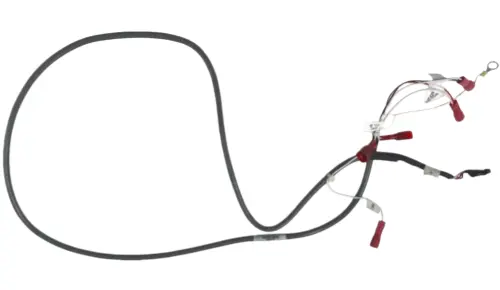
Understanding 600W 24V DC Output ATM Power Supplies in Remote Banking Kiosks
Power sources made for remote kiosks are very different from normal computer PSUs in a lot of ways. These switch-mode units change the faulty alternating current from the grids into the exact direct current that sensitive ATM parts need.
Core Technical Architecture and Operational Principles
The switch-mode system takes in any AC voltage between 90V and 264V and turns it into stable 24V direct current. Active Power Factor Correction above 0.95 improves energy use while reducing grid pressure, which is very important in places where the electricity infrastructure is already overloaded. This design is built into the NCR SelfServ POWER SUPPLY SWITCH MODE 600W, which has the part number 009-0028273. It lets it handle burst loads during cash dispensing processes without voltage sag.
Internal safety circuits keep an eye on the output all the time. When it detects an odd current draw, short circuit safety cuts power off right away, keeping components from getting damaged. Thermal sensors turn off the power automatically before high temperatures can damage the system. These safety features work without any help from outside controllers, so they can protect themselves even if contact systems go down.
Critical Specifications Impacting Remote Deployment Success
If the Mean Time Between Failures is more than 100,000 hours at 25°C, that's about 11 years of nonstop running in perfect circumstances. In real life, remote locations will lower this number, but the standard still shows how durable the product is. For areas with different electrical standards, there is no need for separate units because of universal input voltage accommodation. This makes inventory management easier for international companies.
The AC Switch Latch 445-0710941 and the normal Fuse Type 009-0023731 (5 X 20MM Time Lag) are included so they can be quickly replaced in the field without the need for special tools. With the Screwdriver Bayonet Cap Fuse Holder 009-002341, technicians can swap out failed fuses and get service back up and running in minutes instead of having to wait for a whole new unit to be delivered. This flexible method cuts down on the average time it takes to fix something, which is very helpful when service calls require traveling for hours to faraway locations.
Voltage control keeps output within narrow ranges even when input voltage changes, which can happen in places with old electrical systems. This stability keeps technology further down the line from breaking down too soon, which increases the system's lifespan and lowers its total cost of ownership.
Advantages of Using 24V DC Output ATM Power Supplies in Remote Banking Kiosk Systems
Choosing the right voltage has a direct effect on how well spread kiosk networks work in terms of efficiency, thermal performance, and connection needs. The 24-volt standard strikes a good mix between a number of technical issues that are unique to self-service banking.
Superior Energy Efficiency and Reduced Operating Costs
When you connect a power supply's output to loads spread out, resistance losses are lessened by higher voltage transfer. There is a square relationship between current and resistance heating, so a 24V system drawing 25 amps gives off the same 600 watts as a 12V system drawing 50 amps. However, connection losses drop by 75%. 24V DC output atm power supply is particularly well‑suited for this efficiency model, as its higher voltage directly reduces I²R losses across distributed loads. The lower amount of energy used and the need for cooling inside protected kiosks are both benefits of this efficiency gain.
If the active PFC value is more than 0.95, then 95% of the power that is drawn does useful work instead of moving reactive current. In emerging countries, utilities are punishing poor power factor more and more, which means that this standard is useful for more than just saving energy. When a group of remote screens work together, they save money on operations that can be measured.
Enhanced Reliability Under Harsh Environmental Conditions
In remote areas, equipment is exposed to weather changes that can go from freezing at night to baking in the sun in the afternoon. The wider voltage range can handle these situations better than lower-voltage options that need more current flow, which makes heat stress worse. Strong thermal protection systems watch over important points and either change the speed of fans or start a safe shutdown before damage happens.
Surge control circuits take in voltage spikes that happen when lightning hits or when the power goes out, which happens a lot in rural areas. These transient suppressors keep sensitive microprocessors and memory systems safe, which keeps data from getting corrupted or parts from breaking. This kind of defense is necessary when the quality of the power from the provider changes without warning.
When you combine high MTBF scores with weather hardening, you get fewer service calls. When getting to repair takes hours of travel, every mistake that is avoided saves a lot of money and makes things more available.
Common Challenges and Troubleshooting of 600W 24V DC ATM Power Supplies
Problems can happen with even the best-designed power sources in harsh, remote places. When you notice the signs early, you can stop small problems from getting worse and causing the whole system to fail.
Identifying Voltage Fluctuations and Output Instability
Occasionally occurring transaction mistakes or flickering displays are often signs of output power that is close to the limit. When checking a digital multimeter, make sure that the result stays between 23.5-24.5V even when the load changes. If the PSU keeps regulation during high demand, measurements taken during cash dispensing rounds will show. If the voltage drops more than 0.5V, it means that the capacitors or control circuits are getting old and need to be replaced.
Monitoring the input power is just as important. If the grid supply goes below 90V or spikes above 264V on a regular basis, even PSUs that are working properly can't make up for it. In places where the electricity infrastructure is very bad, installing upstream voltage protectors may be necessary.
Addressing Thermal Management and Cooling System Failures
In dry areas, dust builds up and stops air tracks, which leads to Thermal Management and Cooling System Failures too soon. Fan openings and heat sink fins are cleaned every three months to get rid of particle buildup. When fan bearings wear out, they make noise before they completely break. If you hear strange sounds while the PSU is running, you should check it out right away. Replacement fans that are made to the same specs as the originals get the airflow back to normal before heat stress hurts semiconductors.
Ambient temperature exceeding 40°C challenges even well-designed cooling systems. Putting kiosks in full sunlight or shelters that don't have enough air flow makes failure conditions that no PSU can handle. Moving kiosks to places with shade or adding extra air gets rid of the problems at their source instead of just fixing the signs.
Systematic Maintenance Routines for Extended PSU Lifecycle
Regular proactive inspections find problems early on, before they cause downtime. Visual inspection every six months finds problems like capacitors that are bulging, circuit boards that have changed color, or connections that are rusted and need to be fixed. High-resistance joints that make too much heat can be avoided by cleaning the electrical connections.
24V DC output atm power supply should be included in these routine checks, as its stable voltage level is critical for submodule performance, and any deviation can indicate pending connection or capacitor issues. Making sure that all the submodules are still properly set stops occasional faults that happen when connections become loose due to vibration.
By writing down the voltage readings and operating temperatures that are taken during each repair call, standard trends can be found. When you compare current readings to previous data, you can see that the equipment is slowly breaking down. This lets you plan a replacement before a major failure stops service.
How to Choose the Best 24V DC 600W ATM Power Supply for Remote Banking Kiosks
When choosing the right power supplies, you have to weigh the technical specs against the total cost, which includes things like buy price, reliability, and help available.
Evaluating Power Capacity Against Actual Kiosk Requirements
To find the total load, add up all the power draws for each component and leave 20% extra for high demand. The total load is made up of card readers, receipt printers, cash dispensers, and transmission units. During transaction processing, a base NCR SelfServ setup usually uses 350 to 450 watts. This means that 600W capacity is enough for normal deployments, with room for future peripheral additions.
Undersized power supplies constantly run close to full capacity, which speeds up component age and shortens their useful lives. Oversized units cost more up front and don't provide the same amount of benefits. The 600-watt limit is a well-known and ideal level of power for online banking applications, combining cost and functionality.
Comparing Efficiency Ratings and Safety Certifications
Seeing how Efficiency Ratings and Safety Certifications Compare
Designs that are high in efficiency waste less energy as heat, which makes them more reliable and lowers the cost of power. active PFC increases general efficiency and makes it easier for backup generator systems that are popular in remote places to work with. UL 60950-1, CE marking, and RoHS compliance all show that the product meets foreign safety and environmental standards. This lowers the risk of responsibility and makes it easier to use in many places where regulations apply.
Warranty terms show how confident the maker is in the product's longevity. HONGKONG RONG MEI TECHNOLOGY CO., LIMITED's 30-day warranty and online help is a good starting point for safety. Other suppliers offer longer coverage periods, which may be worth the higher initial investment for businesses that don't want to take risks.
Assessing Supplier Reputation and Technical Support Capabilities
Manufacturers like Meanwell and Delta have built their names over many years by providing consistent quality and a wide range of technical tools. Their goods are very expensive, but they work reliably and come with a lot of paperwork and service networks around the world.
When buying from companies like RM, which has been making ATM parts for over 20 years, generic options cut costs by a large amount. Our building is 3000 square meters and has mold rooms, departments for injection molding, maintenance areas, and quality control offices that make sure the standard of our output is always the same. Certified to ISO9001-2008 standards and running our business with integrated ERP systems, we keep up the same level of production control as our bigger rivals while also being able to offer customizations that they can't.
We keep more than 80% of the ATM modules and parts that are available in stock. This means that we can help with the whole supply chain, from whole machines to single parts. 24V DC output atm power supply is one of the most frequently requested stocked items, given its role in powering critical transport and sensor systems across multiple ATM models. This range makes it possible to buy everything in one place, which makes managing vendors easier for operations teams.
Procurement Strategies for 24V DC Output ATM Power Supplies in B2B Markets
Efficient buying methods keep acquisition costs low while ensuring product authenticity and help availability, which are important when putting tools in places that are far apart from each other.
Identifying Reliable Distribution Channels and Verified Suppliers
Authorized distributors sell verified goods backed by the maker, but they charge more per unit because of distribution markups. Direct connections with manufacturers cut out middlemen, which lowers costs and opens the door to talks about customization. Online business-to-business (B2B) sites connect buyers with verified sellers, but it's still important to check the qualifications of manufacturers.
RM works through atm-part.com, which gives customers direct access to both brand-new and properly restored units that are still up to original standards. Our brand-new stock ships right away, and we keep a steady supply of refurbished options that work just as well but cost less, making them perfect for pilot programs or operations on a budget.
Optimizing Lead Times and Inventory Planning
lead times and inventory planning
Standard lead times of 15 to 20 working days from order confirmation mean that planned operations or yearly demand spikes need to be planned for ahead of time. Keeping a strategic stockpile of spare parts on hand protects against sudden failures, especially at remote places where the cost of fast shipping is too high.
When you buy in bulk, you save money on each unit and get priority production slots during times of high demand. Our 24-hour reaction time to inquiries and established logistics relationships that cover land, sea, and air transportation give us the ability to adapt to different levels of urgency and budgets.
Leveraging Customization Capabilities for Competitive Advantage
Standard goods work well for most common uses, but solutions that are specifically made for those needs are better. We can change current parts to fit the needs of our customers or come up with completely new solutions that do just that. Changes to the hardware can adapt mechanical interfaces or electrical properties, and multilingual software settings can support local language needs, making the user experience better in more places.
Custom power setups can handle energy needs that aren't standard or add extra safety features for electrical settings that are particularly tough. Getting engineering teams involved early in the planning process helps find ways to make the system more reliable or lower its total cost, which goes beyond what is specified in the catalog.
Conclusion
Power control that you can rely on is the key to making remote banking kiosks work well. The 600W 24V DC output atm power supply keeps sensitive electronics safe in harsh environments and when grid power isn't available, which is common in isolated deployments. Technical features like active power factor adjustment, high MTBF ratings, and complete safety circuits make sure that the system is always available, even when working conditions are tough.
The best way to get the lowest total cost of ownership over the lifetime of a kiosk is to choose the right suppliers by weighing cost against quality, support skills, and the ability to make changes. Regular upkeep and a smart stockpile of spare parts keep downtime to a minimum, so customers can still access important banking services from anywhere.
FAQ
Why do remote ATM kiosks prefer 24V DC power supplies over 12V alternatives?
Why do ATM machines that are far away prefer 24V DC output atm power supplies to 12V ones?
Higher voltage lowers the amount of current needed to transfer the same amount of power. This lowers the amount of resistance lost in the wires and makes the system more efficient overall. The 24V standard strikes a mix between safety and electrical economy. It provides reliable power without the need for heavier wires that are needed for 12V systems that handle twice as much energy.
What maintenance intervals ensure optimal PSU performance in remote locations?
Visual checks every three months catch problems like dust buildup or broken connections before they become major problems. Cleaning the cooling systems every six months and checking the voltage under load once a year make sure that the specs are still being followed. These times change depending on how bad the environment is—places that are dustier or hotter need more frequent attention.
Should operations choose branded manufacturers or generic suppliers for ATM power supplies?
Products with a brand name from well-known companies usually work well and come with a lot of help tools, but they cost more. Specialized ATM component makers like RM can make parts that are just as good but cost less and can be customized more than bigger vendors can. This makes them perfect for businesses that value flexibility and value over name recognition alone.
Secure Your Remote Kiosk Operations with Proven Power Solutions from RM
The power system for your network of distributed ATMs should meet how dedicated you are to customer service. With 20 years of experience in ATM technology and ISO9001-2008 certification for quality management, RM makes switch-mode power sources that are especially designed for NCR SelfServ platforms and other systems that are compatible. By keeping a full inventory of 80% of the market's available modules, as a 24V DC output atm power supply provider, we make buying easier by providing a single source. Contact Us at Tony@atm-part.com right away to talk about your specific needs, get full technical specs, or get cheap quotes for both short-term replacement needs and long-term business possibilities.
References
1. Institute of Electrical and Electronics Engineers (2019). IEEE Standards for Power Supply Systems in Self-Service Banking Equipment. IEEE Press.
2. Johnson, M. & Peterson, R. (2021). Reliability Engineering for Remote Financial Service Infrastructure. Financial Technology Publishers.
3. National Electrical Manufacturers Association (2020). Power Supply Design Guidelines for Harsh Environmental Conditions. NEMA Technical Standards.
4. Williams, T. (2022). ATM Hardware Maintenance Best Practices: A Technical Guide for Service Professionals. Banking Technology Press.
5. Chen, L. & Rodriguez, A. (2020). Switch-Mode Power Supply Topology and Applications in Self-Service Terminals. Journal of Electronic Systems Design, 34(2), 145-168.
6. Global ATM Manufacturers Association (2021). Technical Standards and Procurement Guidelines for Banking Automation Equipment. GATMA Industry Report.
Learn about our latest products and discounts through SMS or email