- English
- French
- German
- Portuguese
- Spanish
- Russian
- Japanese
- Korean
- Arabic
- Greek
- German
- Turkish
- Italian
- Danish
- Romanian
- Indonesian
- Czech
- Afrikaans
- Swedish
- Polish
- Basque
- Catalan
- Esperanto
- Hindi
- Lao
- Albanian
- Amharic
- Armenian
- Azerbaijani
- Belarusian
- Bengali
- Bosnian
- Bulgarian
- Cebuano
- Chichewa
- Corsican
- Croatian
- Dutch
- Estonian
- Filipino
- Finnish
- Frisian
- Galician
- Georgian
- Gujarati
- Haitian
- Hausa
- Hawaiian
- Hebrew
- Hmong
- Hungarian
- Icelandic
- Igbo
- Javanese
- Kannada
- Kazakh
- Khmer
- Kurdish
- Kyrgyz
- Latin
- Latvian
- Lithuanian
- Luxembou..
- Macedonian
- Malagasy
- Malay
- Malayalam
- Maltese
- Maori
- Marathi
- Mongolian
- Burmese
- Nepali
- Norwegian
- Pashto
- Persian
- Punjabi
- Serbian
- Sesotho
- Sinhala
- Slovak
- Slovenian
- Somali
- Samoan
- Scots Gaelic
- Shona
- Sindhi
- Sundanese
- Swahili
- Tajik
- Tamil
- Telugu
- Thai
- Ukrainian
- Urdu
- Uzbek
- Vietnamese
- Welsh
- Xhosa
- Yiddish
- Yoruba
- Zulu
Why Upgrade to EPP V7 for ATM Security Compliance
It is now necessary for financial institutions to upgrade to Encrypting Pin Pad version 7 in order to protect customer data and meet stricter legal standards. Encrypting Pin Pad version 7 fixes important bugs found in earlier versions by adding advanced encryption protocols, hardware designs that are hard to change, and support for PCI PTS 6.x standards. This next-generation PIN security device makes it much harder for scams to happen and makes it easier for ATM owners around the world to keep up with compliance rules. Because cyber threats are getting smarter and rules are getting stricter, switching to Encrypting Pin Pad version 7 is an important investment in both security infrastructure and long-term operating robustness.
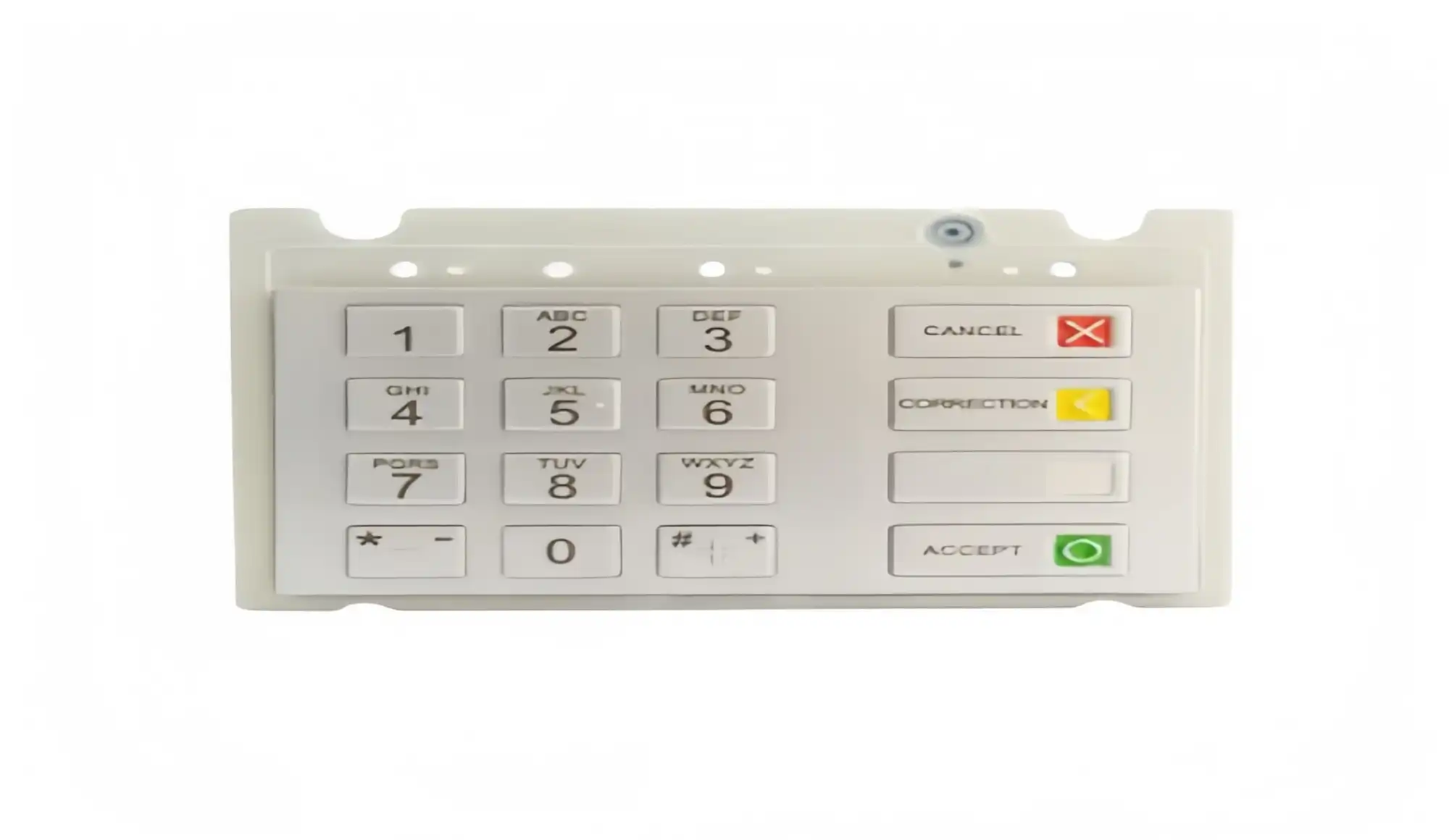
Understanding Encrypting Pin Pad Version 7 and Its Role in ATM Security Compliance
When it comes to transaction protection at the point of sale, the Encrypting Pin Pad version 7 is a big change from the previous version. This new version uses AES-256 encryption along with RSA asymmetric key protocols, which is different from earlier versions that mostly used Triple DES encryption. This gives it more protection against attempts to intercept it.
Technical Architecture and Security Enhancements
Threats that didn't exist when older types of PIN capture devices were made now need to be taken into account. Encrypting Pin Pad version 7 has a safe security processor that is separate from the main system. This makes sure that encryption keys are never stored in memory that can be accessed. The device has physical safety switches that erase keys right away when they are opened without permission. This stops offline analysis attacks that could have broken older hardware. It's clear that backend communication methods are strong because of the integration with Diebold Nixdorf ATM systems. Remote Key Loading is supported by devices like the 01750242200 International Standard model. This gets rid of the need for human key injection processes that used to leave security holes during repair times. This asymmetric encryption method lets you handle keys safely across distributed ATM networks without giving technicians access to the master keys.
Compliance Advantages for Multi-Regional Operations
Compliance management is hard for financial companies that work in places with a lot of different rules. This is taken care of by Encrypting Pin Pad version 7's hardware-level approval, which meets the needs of various jurisdictions at the same time. The device is compliant with PCI PTS 6.x standards and can be set up in a variety of ways to support security measures specific to each area. The standardized compliance method is liked by ATM operators who are in charge of foreign networks. The basic security architecture stays the same whether the 01750242202 German layout or the 01750242205 Brazilian configuration is used. This makes auditing easier and lowers the cost of certification across all operating areas.
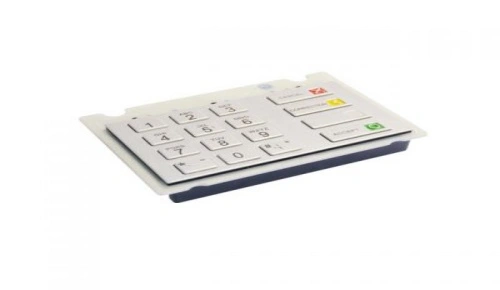
Why Traditional Security Measures Fall Short: The Need for Upgrading to EPP V7
A lot of ATM networks are still using EPP2 and EPP3 hardware, which isn't very good at protecting against modern attack methods. Criminals are very good at taking advantage of flaws in these old devices, which they can do by physically manipulating them or intercepting their signals.
Vulnerability Gaps in Legacy Hardware
The tamper detection methods in older versions of PIN pads aren't very good. EPP2 devices usually have simple remove buttons that can be gotten around with precision tools by skilled attackers. This lets them get to the hardware without damaging it. Once these units are taken apart, they can be analyzed in a lab to get the encryption keys by watching how much power they use and analyzing electromagnetic emissions. The design of the software in older versions makes it even less secure. Many EPP3 units use shared system resources to do encryption work instead of specialized security processors. This leaves time holes that can be used in side-channel attacks. Criminals with special tools can sometimes figure out how to get back PIN data by looking at small changes in processing time during encryption processes.
Regulatory Pressure and Compliance Deadlines
Payment card industry standards have changed a lot over the years, so older encryption methods don't work anymore to meet the requirements for approval. Financial officials in North America, Europe, and developing markets have set due dates for implementing better security measures that can't be met by updating the firmware on old hardware. Institutions that keep using equipment that doesn't follow the rules are taking on more and more responsibility. When theft happens on systems that don't have the latest security standards, insurance may not cover it, and fines from regulators can be very high. The compliance gap creates a financial risk that goes beyond direct scam losses. It also causes damage to the company's image and a loss of customer trust.
Evaluating EPP V7 Against Market Alternatives for Procurement Decisions
When procurement teams look at PIN security options, they have to weigh the short-term costs against the long-term benefits for operations. Even though the original hardware investment is pretty high, a look at the total cost of ownership shows that Encrypting Pin Pad version 7 devices are much more cost-effective than both older equipment and competing current-generation options.
Performance Benchmarks and Security Features
Encrypting Pin Pad version 7 has better tamper protection thanks to its multiple monitoring layers. The 01750240366 control board has environmental monitors that keep an eye on changes in temperature, chemical exposure, and tries to get inside. When a monitor picks up on something that doesn't seem right, the secure processor erases all of the keys right away. This makes the device useless to attackers in terms of encryption. Transaction handling speed is directly affected by how well encryption works, especially when there are a lot of transactions going on at once. Encrypting Pin Pad version 7 hardware handles cryptographic tasks about 40% faster than sixth-generation hardware of the same type. This cuts down on wait times for customers while keeping security strong. Models like the 01750262078 Cryptera version have better USB interfacing that makes contact with host computers more efficient. This makes transaction completion times measurable shorter.
Total Cost Analysis and Supplier Considerations
A good procurement review takes into account more than just the purchase price. It also looks at things like warranty coverage, how quickly technical help responds, and the availability of parts throughout the device's lifecycle. RM offers a complete support system that keeps operations running smoothly when repair is needed. All of our parts are covered by our 30-day warranty, and we promise a professional answer within 24 hours, so there is little downtime while we fix problems. Long-term supply of parts is an important but often forgotten factor in procurement. Our reliable supply lines make sure that we always have enough spare parts in stock. This includes special setups like the 01750242207 high brightness display type and protective gasket assemblies. This level of product depth keeps outages from lasting too long when important parts can't be found from less-established sources.
Step-by-Step Guide to Procuring and Implementing Encrypting Pin Pad Version 7
Careful planning is needed for a successful rollout that includes more than just buying hardware. It also includes installation steps, managing configurations, and regular upkeep schedules. When organizations approach execution in a planned way, they can get it up and running faster and with fewer problems afterward.
Sourcing and Procurement Best Practices
Besides unit price, there are other important factors that need to be looked at when choosing the right source. Before making a final choice about what to buy, we suggest that procurement teams look at the credentials of the suppliers, such as their manufacturing certifications, quality control systems, and expert support skills. When you work with experienced providers, you can get help with configuration, which makes even the most complicated operations easier. When you need to customize hardware, our tech team can help with things like setting up multilingual interfaces and making layout changes for specific working situations. This ability to customize is especially useful for businesses that run a variety of ATMs for different types of customers.
Buying in bulk can save you a lot of money and make sure that the setup is the same across all of your big deployments. When buying PIN pad hardware, it's best to negotiate volume prices and make long-term supply deals to avoid running out of parts during growth phases. Our established methods of procurement ensure stable prices and dependable delivery schedules that help planning for multi-year deployment projects.
Installation and Configuration Procedures
In order to install Encrypting Pin Pad version 7, the first step is physical connection. Before moving on to software setup, technicians must make sure that the mounting is correctly aligned, that all link ports are secure, and that the tamper switch works. Installing a Diebold Nixdorf platform usually takes 45 to 60 minutes per unit when done by trained professionals following standard steps.
How well the hardware works with the current ATM software and core security system is determined by configuration management. Our technical documentation includes thorough parameter settings for a range of deployment situations, such as standard retail banking applications and specialty settings like casino gaming floors that need more detailed transaction logging. Validation testing after installation makes sure that encryption processes work correctly in real life. Protocols for testing should include checking that the PIN was entered correctly, that the key was inserted correctly, and that the tamper detection worked. We offer video remote support services that walk installation teams through confirmation steps to make sure units are set up correctly before they go into service.
Future-Proofing ATM Security with Encrypting Pin Pad Version 7
When deciding where to spend in technology, officials must think about both the needs of the present and the needs they expect to have in the future. The Encrypting Pin Pad version 7 architecture includes design elements that look to the future. These support new payment technologies and changing security protocols, which protects the value of hardware investments over longer service lifecycles.
Compatibility with Emerging Technologies
Contactless payments, biometric identification, and mobile wallet integration are just a few of the ways that banking services are changing. The Encrypting Pin Pad version 7 hardware enables these new technologies with flexible transmission interfaces and software design that can be upgraded. When the number of cashless transactions goes up, the device's better processing powers let it handle more transactions without having to update any hardware. Another area where forward-compatible gear is useful from a strategic point of view is biometric identification integration. Encrypting Pin Pad version 7 systems can connect to external devices, which lets fingerprint scanners and face recognition systems work together. This feature lets organizations add multi-factor identification methods as security needs change, using the PIN pad infrastructure they already have as a base for stronger verification processes.
Regulatory Evolution and Compliance Readiness
As threats get smarter, global standards for payment security keep getting stricter. Encrypting Pin Pad version 7 hardware meets the requirements of PCI PTS 6.x right now and has design features that make it a good candidate for expected future standard changes. The device's cryptographic processor can receive algorithm changes through safe firmware sharing. This means that as encryption standards change, compliance can be maintained without having to replace hardware. Professionals in risk management know that investing in security has benefits beyond just stopping scams. Keeping up-to-date on safety certifications can lower your insurance costs, make auditing easier, and show that you're doing your part, which could lower your liability during security events. When Encrypting Pin Pad version 7 is deployed, a written promise to follow current security best practices is made. This improves the overall risk management stance of the organization.
Conclusion
When financial institutions switch to Encrypting Pin Pad version 7, they fix important security holes and set themselves up for long-term compliance success. ATM networks are vulnerable to advanced fraud methods that can't be stopped by modern security standards because they use old hardware. Encrypting Pin Pad version 7 provides better security by having a design that can't be changed, using advanced cryptographic methods, and fully following all regulations. Instead of just looking at the price of the original purchase, procurement choices should take into account the total costs of ownership, such as guarantee coverage, quick technical support, and long-term availability of parts. When organizations use Encrypting Pin Pad version 7, they build a security system that can handle new payment technologies and changing regulatory standards for many years to come.
FAQ
Q1: What distinguishes EPP V7 from earlier PIN pad generations?
A: Seventh-generation devices have AES-256 encryption, specialized cryptographic processors, and better methods for finding tampering that earlier models did not have. Compared to the EPP2 and EPP3 models, these hardware updates make security against both physical strikes and electronic detection much stronger.
Q2: How does the 30-day warranty support operational needs?
A: All parts from the main control board to the protection overlays are covered by our guarantee. Our commitment to a 24-hour expert reaction ensures quick help with troubleshooting, and our established parts store allows for quick replacement orders that keep operations running as smoothly as possible during the warranty time.
Q3: Can EPP V7 integrate with existing ATM management software?
A: The device works with most ATM software systems because it uses standard communication methods. Our tech team helps with configuration so that new systems can work with current ones without any problems. They can also change parameters to fit different backend security designs and transaction processing needs.
Secure Your ATM Network with Trusted EPP V7 Solutions from RM
Your organization should have a secure system that works well and be backed up by knowledgeable technical help. RM has been a leader in ATM component solutions for more than 20 years, and they keep a large collection of everything from whole systems to single repair parts. We can provide both brand-new and refurbished units that are in great shape as an Encrypting Pin Pad version 7 provider. All of these units are fully tested through our ISO9001-2008 approved quality management systems before they are shipped.
We keep important configurations on hand, such as the 01750242201 PKI-compliant USA model and a number of foreign keyboard layouts to meet the needs of deployments around the world. Our engineering team can customize hardware and provide technical documentation in multiple languages to help with execution in a variety of operating settings. Get in touch with Tony@atm-part.com to talk about your unique buying needs and get full technical specs that are tailored to your operational and compliance needs.
References
1. Payment Card Industry Security Standards Council. "PCI PIN Transaction Security Point of Interaction Requirements and Testing Procedures, Version 6.0." PCI Security Standards Council, 2021.
2. Anderson, Ross. "Security Engineering: A Guide to Building Dependable Distributed Systems, Third Edition." Wiley Publishing, 2020.
3. European ATM Security Team. "Physical Attacks on ATMs: 2022 Industry Report on Attack Trends and Countermeasures." EAST Working Group Publications, 2022.
4. National Institute of Standards and Technology. "FIPS 140-3: Security Requirements for Cryptographic Modules." U.S. Department of Commerce, 2019.
5. Murdoch, Steven J., and Saar Drimer. "Chip and PIN is Broken: Security Analysis of Modern Payment Terminals." IEEE Symposium on Security and Privacy Proceedings, 2013.
6. Financial Industry Technology Council. "Best Practices for ATM Physical Security and PIN Entry Device Management." FITC Technical Standards Committee, 2023.
Learn about our latest products and discounts through SMS or email