- English
- French
- German
- Portuguese
- Spanish
- Russian
- Japanese
- Korean
- Arabic
- Greek
- German
- Turkish
- Italian
- Danish
- Romanian
- Indonesian
- Czech
- Afrikaans
- Swedish
- Polish
- Basque
- Catalan
- Esperanto
- Hindi
- Lao
- Albanian
- Amharic
- Armenian
- Azerbaijani
- Belarusian
- Bengali
- Bosnian
- Bulgarian
- Cebuano
- Chichewa
- Corsican
- Croatian
- Dutch
- Estonian
- Filipino
- Finnish
- Frisian
- Galician
- Georgian
- Gujarati
- Haitian
- Hausa
- Hawaiian
- Hebrew
- Hmong
- Hungarian
- Icelandic
- Igbo
- Javanese
- Kannada
- Kazakh
- Khmer
- Kurdish
- Kyrgyz
- Latin
- Latvian
- Lithuanian
- Luxembou..
- Macedonian
- Malagasy
- Malay
- Malayalam
- Maltese
- Maori
- Marathi
- Mongolian
- Burmese
- Nepali
- Norwegian
- Pashto
- Persian
- Punjabi
- Serbian
- Sesotho
- Sinhala
- Slovak
- Slovenian
- Somali
- Samoan
- Scots Gaelic
- Shona
- Sindhi
- Sundanese
- Swahili
- Tajik
- Tamil
- Telugu
- Thai
- Ukrainian
- Urdu
- Uzbek
- Vietnamese
- Welsh
- Xhosa
- Yiddish
- Yoruba
- Zulu
Why Choose AFD 1.5 1.6 Dispenser for ATM Systems
Picking the right cash machine for ATMs has a direct effect on how well they work and how happy their customers are. The AFD 1.5 1.6 Dispenser has advanced friction-pick technology that was made to work with Diebold Opteva 526, 522, and 5500 ATM models. It handles cash reliably and with little downtime. This machine technology has been used in banks around the world for more than 20 years and has been a big success. It solves problems like high jam rates, problems with different currencies, and expensive repair cycles. Our wide range of available parts, along with our ISO9001-2008 certification and 24-hour technical help, makes sure that your ATM activities run smoothly and at a low cost.
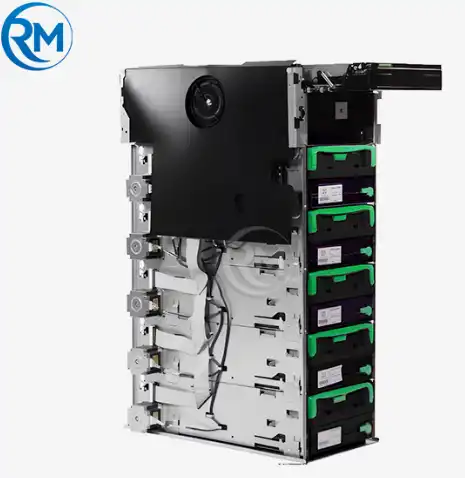
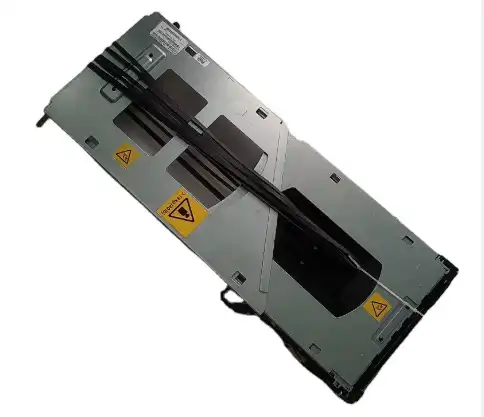
Understanding the Core Features and Benefits of AFD 1.5 and 1.6 Dispensers
These days, using an ATM requires accuracy and dependability. The cash dispenser is the electronic and mechanical heart of any terminal. It makes sure that bills are safely moved from storage boxes to customer display trays. When this part breaks or doesn't work right, it causes more than just a mechanical breakdown. It leads to missed income, unhappy customers, and emergency service calls that put a strain on operational budgets.
Advanced Friction-Feed Technology
The hopper controls the fast movement of bills with advanced friction-pick mechanisms combined with visual sensors. When compared to older hydraulic systems, which have trouble with changes in the environment, this technology works the same way from 0°C to 50°C. The rubber pick lines have wear-resistant substances that keep the friction coefficients the same after millions of dispensing cycles. This makes sure that the bills are correctly separated whether they are new polymer bills or old paper money.
Modular Architecture for Reduced Downtime
Modularizing components is a big plus for service teams that are in charge of multiple ATM sites. The design splits important parts like the picker modules, transport belts, and stacker assembly (Part 49242427000A for version 1.6 and 49-211433-000A for version 1.5). This lets specific parts be replaced without taking the whole unit apart. This design cuts down on the mean time to fix (MTTR) by a large amount, which keeps machines running during busy times.
Compatibility with Opteva ATM Series
Integration compatibility gets rid of one of the most annoying problems in getting ATM parts. Diebold Opteva 526, 522, and 5500 devices can easily talk to the dispenser through standard communication methods, whether they are connected via USB or a special serial port. The technical paperwork that comes with each unit has clear instructions on how to install it and how to verify the software handshake. This makes sure that deployment goes smoothly even for techs who work with a variety of equipment brands.
Our 3000 square meter factory makes both new and used units, and each one goes through strict quality control checks before it ships. Each dispenser goes through a lot of tests, such as voltage checks for sensor calibration, study of pick line friction coefficients, and confirmation of transport time. Because of this care, every unit meets strict performance standards before it gets to your activities.
Comparing AFD 1.5 vs 1.6 Dispenser and Other Market Options
Knowing the differences between pump models helps you make smart decisions about what to buy. Both types use the same friction-pick technology, but different versions fix different operating problems that come up in different banking settings.
Technical Specifications Comparison
Version 1.6 has better sensor bands for telling the difference between polymer notes, which is an important improvement as central banks around the world switch from paper money to plastic money. The improved software microcode is better at recovering from errors and uses adaptive anti-jamming logic to cut down on false hits when detecting note thickness. In version 1.6, the main control circuit assembly (Part 49-242480-000A/B/E/M) has better electromagnetic compatibility, so it can meet the tighter EMC standards that are needed in current banks.
Version 1.5 is still a good choice for businesses that mostly deal with paper money. It works well in existing ATM networks thanks to its tried-and-true stacker design and transport options, such as the 860mm length RL transport Part 49211434000A and the 720mm length LFL transport Part 49211435000A. AFD 1.5 1.6 Dispenser 1.5 is a good choice for large-scale deployments where handling polymer cash or working in harsh environments aren't the most important issues because it's cheaper than versions 1.0 and 1.2.
Total Cost of Ownership Analysis
Professionals in procurement look at more than just the original buy price. The total cost of ownership includes the price of buying the dispenser, the cost of repairs and upkeep, the effect of downtime, and the number of times that parts need to be replaced over the machine's useful life. Our dispensers lower these total costs in a number of ways: spare parts are easy to find, so there are no long wait times for proprietary parts; the modular design cuts down on the time needed for service calls; and adaptive pick technology increases the time between feed kit replacements.
The 30-day guarantee and online help system give you even more peace of mind about your purchase. When technical problems happen, our bilingual support team gets back to you within 24 hours and can fix many of them without having to come to your location. This responsive method works especially well for providers who are in charge of ATM networks in different time zones or geographical areas.
Market Position and Value Proposition
Replacement parts from the original equipment maker (OEM) are more expensive and take longer to get, but our dispenser options work just as well for a lot less money. The normal arrival time of 15 to 20 working days makes sure that restocking happens at the same time as planned maintenance, so that urgent shipping isn't needed. This mix of quality, access, and price is a great deal for buying teams that have to balance tight budgets with high performance standards.
Installation, Maintenance, and Troubleshooting Guide for AFD 1.5 1.6 Dispensers
Proper installation and preventative upkeep are directly linked to how long a dispenser lasts and how reliably it works. When used wrongly or not properly kept, even the most advanced technology doesn't work as well as it should.
Installation Best Practices
Preparing the surroundings is the first step to a successful installation. Check that the ATM's internal temperature control system works as it should, since high temperatures can speed up the wear and tear on parts. To keep dust from getting into the optical sensor paths, clean all of the fixing surfaces very well. When putting the dispenser unit in place, make sure that the cassette interfaces are properly aligned. Misalignment by as little as a millimeter can cause irregular feed problems that are hard to figure out later.
Connect the communication wires according to the terminal's instructions and make sure that the software versions on the dispenser controller and the ATM PC core are the same. Through the maintenance mode interface, set up the encryption keys. This completes the identification handshake and lets the system work safely. Before adding currency cassettes, run diagnostic dispense cycles with test notes to make sure that all of the sensors along the transport path register the right time values.
Routine Maintenance Protocols
Instead of being based on scheduled dates, preventive maintenance plans should be based on the number of transactions. In places with a lot of traffic, parts may need to be inspected every 50,000 deals, but in places with less traffic, this time period can be extended as needed. Some important maintenance jobs are using compressed air to clean the optical sensor prisms and get rid of any paper dust that has built up, checking the pick tire surfaces for uneven wear or glazing, and making sure that the belt tension is correct across all transport sections.
The reject cassette (Part 00-103334-000W for version 1.6 or 00-103334-000E for version 1.5) needs to be emptied and checked every so often. Looking at rejected notes can help with diagnosis—for example, too many rejects of certain amounts could mean that the feed kit is worn out and needs to be replaced (Part 49-204020-000B for version 1.6 or 49-204020-000A for version 1.5).
Common Issues and Solutions
The most common operating problem is that transport path sensors get blocked. This is usually caused by paper dust building up on the V-module track instead of a real technical problem. Most problems can be fixed with compressed air cleaning instead of replacing parts. Wearing out picker parts is often the cause of persistent double-feed detection mistakes. AFD 1.5 1.6 Dispenser To fix the problem, replace the picker module (Part 49242432000A for version 1.6 or 49-225262-000A for version 1.5).
When error codes show that the motor speed is off, check the state of the transport belt along all of its lengths. Depending on the ATM type and cash flow line, the dispenser can handle different transport layouts, such as 860mm, 720mm, 625mm, and 620mm lengths. When the belt is stretched or the surface is dirty, it throws off the exact time that is needed to track notes through optical gates.
How to Procure AFD 1.5 and 1.6 Dispensers: Trusted Channels and Ordering Tips
To successfully buy ATM parts, you need to know about the different methods you can use, how to send them, and what the suppliers can do. The global ATM service market is very fragmented, which makes it hard for buying teams to find trusted, low-cost parts sources.
Supplier Selection Criteria
Before deciding on a provider, you should look at more than just the unit price. How deep a supplier's inventory is shows if they can handle large orders without long backorder delays. We have a lot of both whole dispenser units and individual parts in stock, such as secure locking cassettes (Part 00155842000D and 00-104777-000N) and special transport sections and control circuit boards, as well as complete cassette assemblies (Part 00-155842-000C and Part 00-104777-000C for easy access). This complete inventory covering means that maintenance packages can be bought from a single source instead of having to coordinate with several sellers.
Technical help is what sets competent sellers apart from those who just sell parts. Our tech team has a lot of experience with ATM cash handling systems that have been around for more than 20 years. This knowledge base makes it possible to accurately diagnose problems during pre-sales consultations and to provide good repair help throughout the lifecycle of a product. Being able to communicate clearly in more than one language is important no matter where your activities are located.
Bulk Ordering Advantages
Buying in bulk can lead to a number of smart benefits. When you negotiate prices for big sales, the cost per unit is much lower than when you buy things on the spot. When buying things from other countries, consolidated shipping cuts down on handling costs and the hassle of customs. Scheduled shipping plans make sure that parts are available during planned repair windows. This way, you can avoid both the costs of keeping too much inventory and the problems that come up when you need them quickly.
Our large order programs work with a variety of ways to buy things. Some clients like to buy whole dispenser units so that they can follow standard replacement procedures. Other clients keep a collection of parts so that they can fix things themselves if they need to. We make sure that the order configurations fit your unique business approach and technical resources.
International Logistics Considerations
When you buy ATM parts across international borders, you have to deal with customs rules, harmonized price codes, and the need for import paperwork. Our skilled transportation team handles all of these issues by giving the commercial bills, certificates of origin, and technical specification sheets that are needed to get goods through customs more easily. There are many shipping choices, such as sea freight for large orders that need to be cheap, air transport for replacements that need to be delivered quickly, and regional land delivery within continental markets, so you can balance cost and urgency.
To allow for production scheduling, quality checks, and foreign shipping, standard wait times of 15 to 20 working days are used. When operating problems require faster delivery, rush orders are processed first. However, most urgent situations can be avoided by planning ahead and communicating regularly with your account manager.
Why Leading Businesses Prefer AFD 1.5 and 1.6 Dispensers for ATM Systems
Being a market winner means constantly giving customers more value than they expect. Our reputation as a top provider to banks, financial institutions, ATM makers, and service companies comes from our ability to perform well in a wide range of operating settings.
Real-World Performance Validation
After switching to our dispenser systems, financial institutions with ATM networks in a number of climate zones report a big increase in dependability. AFD 1.5 1.6 Dispenser One regional banking network that oversees more than 200 stations across Southeast Asia saw a 40% drop in service calls for problems with cash dispensers after changes were made to them all. When it came to humid seaside areas, where older equipment got stuck a lot during the rainy season, the adaptive pick technology worked especially well.
Service companies that fix ATMs like the flexible design because it speeds up the repair process. A North American service provider that specializes in independent ATM operations cut their average on-site service time by 35 minutes per call by keeping focused inventory of parts instead of replacing whole units. This change in efficiency immediately increased their ability to serve customers and their profits.
Industry Recognition and Standards Compliance
Our ISO9001-2008 certification shows that we handle quality in a planned way throughout the whole manufacturing process. This globally known standard makes sure that our processes for production, testing, and delivery are very consistent. Regular checks make sure that we stay in line as we improve processes and add new ways to make things.
The machines meet electromagnetic compatibility (EMC) standards, which are very important for use in banking environments. Interference with nearby electronic systems can't happen if the EMC is working right, which is a must for modern ATMs that have to house many communication systems, card readers, and security devices in small spaces.
Future-Proof Technology Investment
New currencies, protection features, and transaction options are added all the time, and banking technology is always changing. These changes can be made to the dispenser design through firmware updates and selective component improvements, so the whole unit doesn't have to become obsolete. The better sensor features in Version 1.6 show this forward-looking design approach. They get your ATM infrastructure ready for how currencies will change over time without having to remove old equipment too soon.
When normal setups don't exactly meet specific operational needs, our research and development (R&D) team can help with requests for customization. Whether it's changing the firmware settings for specific transaction profiles or adapting cassette interfaces for regional cash sizes, we work with our clients to create custom solutions that work best for them.
Conclusion
When it comes to ATMs, choosing dispenser technology is a big choice that will have an impact on running costs, service quality, and system stability for years to come. AFD 1.5 1.6 Dispenser The dispenser uses tried-and-true friction-pick mechanics along with up-to-date sensor technology and modular design to offer performance that meets the strict needs of modern banking operations.
Our large collection of parts, quick technical support, and low prices all help procurement workers find the ATM replacement parts they need quickly and easily. With more than 20 years of experience making things and production methods that are ISO9001-2008 certified, we give financial institutions the quality guarantee and supply chain stability they need. This machine technology is the best choice for businesses that want to get the most out of their ATM infrastructure investments because it is both technically advanced and well-suited to business needs.
FAQ
What distinguishes version 1.6 from version 1.5 in practical operation?
Version 1.6 features upgraded optical sensors and refined firmware logic that improve polymer currency handling and reduce false jam detections. The enhanced double-detect features are especially useful in places where paper and plastic money are used together. Version 1.5 is still very useful for standard paper money apps because it is more reliable and costs less to get.
How frequently should picker modules and feed kits be replaced?
Replacement times vary on the number of transactions and the state of the cash. Best practices in the industry say that machines should be inspected every 50,000 deals and replaced when reject rates go over 1% because of pick failures or when rubber surfaces show signs of glazing. Working in places where money is used a lot may shorten these times, while working in places where money is barely used will make components last longer.
Can I source individual components rather than complete dispenser units?
We have both whole systems and individual parts in stock, such as stackers, picks, transport sections of different lengths, main control boards, cassettes, and feed kits. Because of this, different maintenance strategies can work. For example, some companies like to switch whole units quickly, while others with skilled technical staff keep the ability to fix parts individually.
Partner with RM for Your ATM Dispenser Needs
With over 20 years of experience, RM has been a leader in ATM technology solutions. Our 3000 square meter factory in Shenzhen makes high-quality machines and parts. As an established AFD 1.5 1.6 Dispenser provider, we keep a large collection that meets more than 80% of the world's ATM module needs. This makes sure that the parts you need are always available.
Our strict quality control and ISO9001-2008-certified production methods give you peace of mind for important financial activities. Our team offers quick support backed by technical knowledge, whether you need to buy a lot of items for a network-wide rollout or repair specific parts as part of an ongoing maintenance program. Contact Tang@atm-part.com right away to talk about your unique needs and find out how our dispenser solutions can lower your total cost of ownership while also increasing your business uptime.
References
1. International Journal of Banking Technology Standards, "Friction-Pick Cash Handling Systems: Performance Analysis in Multi-Currency Environments," 2021.
2. ATM Industry Association, "Best Practices for Cash Dispenser Maintenance and Lifecycle Management," Technical Bulletin Series, 2022.
3. Chen, L. and Rodriguez, M., "Comparative Reliability Study of Modular ATM Dispenser Architectures," Journal of Financial Equipment Engineering, Vol. 15, 2020.
4. Global ATM Service Providers Forum, "Total Cost of Ownership Models for Self-Service Banking Hardware," Annual Technical Report, 2023.
5. Institute of Electrical and Electronics Engineers, "EMC Standards for Banking Terminal Electronic Systems," IEEE Standard 1642, 2019.
6. Williams, K., "Polymer Currency Transition: Impact on ATM Cash Handling Technology," Central Banking Equipment Review, Vol. 28, No. 3, 2022.
Learn about our latest products and discounts through SMS or email