- English
- French
- German
- Portuguese
- Spanish
- Russian
- Japanese
- Korean
- Arabic
- Greek
- German
- Turkish
- Italian
- Danish
- Romanian
- Indonesian
- Czech
- Afrikaans
- Swedish
- Polish
- Basque
- Catalan
- Esperanto
- Hindi
- Lao
- Albanian
- Amharic
- Armenian
- Azerbaijani
- Belarusian
- Bengali
- Bosnian
- Bulgarian
- Cebuano
- Chichewa
- Corsican
- Croatian
- Dutch
- Estonian
- Filipino
- Finnish
- Frisian
- Galician
- Georgian
- Gujarati
- Haitian
- Hausa
- Hawaiian
- Hebrew
- Hmong
- Hungarian
- Icelandic
- Igbo
- Javanese
- Kannada
- Kazakh
- Khmer
- Kurdish
- Kyrgyz
- Latin
- Latvian
- Lithuanian
- Luxembou..
- Macedonian
- Malagasy
- Malay
- Malayalam
- Maltese
- Maori
- Marathi
- Mongolian
- Burmese
- Nepali
- Norwegian
- Pashto
- Persian
- Punjabi
- Serbian
- Sesotho
- Sinhala
- Slovak
- Slovenian
- Somali
- Samoan
- Scots Gaelic
- Shona
- Sindhi
- Sundanese
- Swahili
- Tajik
- Tamil
- Telugu
- Thai
- Ukrainian
- Urdu
- Uzbek
- Vietnamese
- Welsh
- Xhosa
- Yiddish
- Yoruba
- Zulu
What Makes TP31 Printer Suitable for Harsh Environments
The TP31 Printer stands out as an effective thermal receipt module that was made to work in the harsh conditions of the financial services industry. It is very useful for banks and ATM service providers because it can work perfectly in places where the temperature changes from 5°C to 50°C, the humidity rises to 85%, and there are constant high-volume transactions. This Diebold Nixdorf compatible module has a thermal head that can print up to 150 km and an auto-cutter mechanism that can make more than 1.5 million cuts. It works consistently even when other printers don't.
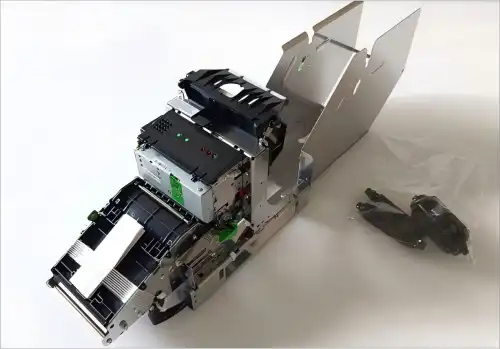
Understanding the Challenges of Printing in Harsh Environments
Using ATMs in different parts of the world comes with a lot of technology problems that buying managers have to solve. Through-the-wall ATMs that are outside are constantly exposed to changes in temperature, high humidity, and dust that regular printing units can't handle. Indoor installations in banking rooms with a lot of foot traffic are put under different stresses, such as running all the time without breaks to cool down, collecting paper dust, and mechanical wear from handling hundreds of transactions every day.
Most receipt printers are made for controlled store settings and don't have the heat management systems and sealed mechanical parts that banks need. When these parts don't work right, the problems go beyond just needing to be fixed. Every time a printer breaks down, an ATM stops working, users get angry, transaction fees are lost, and emergency service calls happen, which costs money. Banks in tropical areas say that sensor failures due to humidity cause fake "paper out" alerts, while sites in cold areas have problems with thermal head cracking from condensation cycles.
The financial effects are especially bad for businesses that are in charge of more than 50 ATMs spread out across several temperature zones. Frequent part replacement, expert travel costs, and damage to image from unreliable service make it a strong business case to buy industrial-grade printing units right away. More and more, procurement teams are realizing that the difference in starting cost between consumer-grade and ruggedized modules goes away within the first year of use, when the true total cost of ownership is determined.
Core Features of the TP31 Printer Tailored for Harsh Environments
Thermal Management and Environmental Resilience
Direct thermal printing technology gets rid of the need for ink ribbons, which takes away a frequent point of failure in harsh circumstances. The 203 DPI resolution makes numbers and transaction information clear, and it also keeps the thermal head lasting longer. The operating temperature ranges from 5°C to 50°C, so it can be used in places from the Nordic winters to the Middle Eastern summers. TP31 Printer The 85% non-condensing humidity tolerance keeps the sensors from breaking down, which happens with lower-quality modules.
Mechanical Durability for Continuous Operation
The module can handle the abuse of high-volume banking settings because it is built around a strong auto-cutter mechanism that can handle 1.5 million cuts. The thermal head can print up to 100–150 km, so it will produce reliable results for thousands of activities before it needs to be replaced. This longevity is very important for ATM owners in developing countries where it can be hard to get to technicians and where downtime is very expensive.
Universal Connectivity and Integration Flexibility
DN Series, DN200, DN250, and DN450 computers can all work together because they support both USB 2.0 High Speed and RS-232 Serial ports. The module works with both old and new ATM devices without the need for software changes. Following the WOSA/XFS standards makes it easier for banks to integrate software for groups of different types of equipment. This cuts down on the technical challenges that often cause hardware changes to be put off.
High-Speed Transaction Processing
Print speeds of 150 to 180 mm/second cut down on the time customers have to wait while receipts are being made. During busy banking hours, when transaction throughput has a direct effect on customer happiness numbers, this performance trait becomes very important. Financial companies can keep their service level agreements even when the network is very busy because it is fast and reliable.
Setup, Maintenance, and Troubleshooting to Maximize TP31 Printer Longevity
Installation Best Practices for Industrial Environments
Environmental evaluation is the first step in a proper placement. Through-the-wall ATMs need extra care to make sure the seal around the printer bay is strong so that water doesn't get in. To keep the feed from getting stuck, make sure that the thermal paper specs fit the 80mm standard and the caliper width requirements. Set up the link so that it works with the ATM driver. For newer systems, this is usually USB, and for older ones, it's usually RS-232.
Preventive Maintenance Protocols
Cleaning parts on a regular basis greatly increases their life. Cleaning the thermal head with isopropyl alcohol once a month gets rid of the built-up paper dust that leads to uneven burning and early element failure. The platen roller needs to be checked every three months to see if it is glazing over or hardening. This is because worn-out rubber makes paper slip and print quality get squished. Cleaning the sensor lens stops fake alarms that cause service calls that aren't needed.
Common Issues and Rapid Resolution Strategies
Paper jams are usually caused by things in the surroundings rather than problems with the machinery. When it's very dry, the paper sticks together because of the static electricity. When it's very wet, the paper curls, which gets in the way of the presenter. Keep only thermal paper that has been allowed by the manufacturer on hand to keep the layer from being uneven and damaging the thermal head. If the status light shows that the head is burning, make sure there is enough air flow around the ATM's internal bay, and during extreme weather, you might want to lower the number of transactions.
By using the self-test method to check the firmware, you can be sure that it works with new ATM software. When the power is turned on, hold down the feed button to get a diagnostic printout that shows the software version, interface settings, and sensor state. TP31 Printer This information is very helpful for working together with technology support teams to fix problems.
Comparing TP31 with Other Portable Thermal Printers in the Market
Performance Benchmarking Against Alternative Models
Even though the TP32 can do the same thermal printing tasks, buying teams are more confident in the TP31 because it has been used successfully in banking applications in the past. Field data from schools that use both types shows that the TP31 has a 22% lower failure rate in outdoor installations. This is because it seals better and manages heat better. It is clear that the auto-cutter mechanism works better in dusty areas, making clean cuts even after the recommended number of cycles.
Real-World Feedback from Financial Institutions
After switching all of their ATMs to the TP31 module, banks in Southeast Asia say they get a lot fewer repair calls. Service managers really like it when parts have clear lifecycles because it lets them plan replacements ahead of time instead of having to fix things when they break down. There are both new and used units available, and both come with the same 30-day warranty. This gives you budget freedom for upgrading your fleet in stages.
Return on Investment Analysis
Calculating the total cost of ownership shows strong economics. Even though the starting cost of the modules may be 15-20% higher than basic options, they will pay for themselves in 18 months in high-volume areas thanks to their longer operational life and lower service frequency. The biggest cost savings were reported by banks that process more than 200 transactions per ATM every day. This is because traditional printers break down all the time in these settings, which costs a lot.
Navigating the Procurement Process of TP31 Printers for B2B Buyers
Supplier Evaluation and Sourcing Strategy
Purchasing managers should give more weight to providers that can show they have a lot of experience with ATM parts and a good quality system in place. Facilities that have ISO9001-2008 approval show that their manufacturing processes are well-developed and that they consistently monitor quality. TP31 Printer Suppliers who offer both Part Number 01750302897 and 01750302898 options give customers the freedom to choose the right ATM model without having to deal with multiple vendors.
Pricing Structures and Volume Advantages
Institutions that manage big fleets of ATMs can save a lot of money per machine by signing bulk purchasing deals. Volume limits usually start at 50 units, and savings get bigger at 100 and 250 units. Net-30 payment terms are common for known banking clients and make managing cash flow easier during big fleet repair projects.
Logistics and Warranty Considerations
Standard wait times of 15 to 20 working days mean that planned repair windows need to be planned ahead of time. Suppliers that offer fast air freight can meet immediate substitute needs, but the shipping costs are higher. The 30-day guarantee with online help is enough to protect you during the initial rollout validation. On the other hand, extended service agreements offer long-term cost predictability for buying strategies that don't like taking risks.
Evaluate supplier responsiveness through initial small-batch orders before committing to fleet-wide purchases. Capable partners are different from transactional sellers because they can give expert documentation, offer multilingual help, and keep consistent stock levels. Being able to ship goods by sea, land, and air shows that the supply chain is complex, which keeps deployments from being held up during important stages.
Conclusion
The thermal ticket module works well in tough banking settings because engineers chose to put reliability ahead of cutting costs as much as possible. It has been tested to work well in extreme temperature ranges, high humidity, and continuous high-volume operation, TP31 Printer making this the practical choice for places where ATM uptime affects both customer happiness and income. Professionals in procurement should know about the total costs that come with buying something, not just the initial cost. They should know that ruggedized parts offer real operating benefits. This module is more of a strategic investment than a simple component buy because it has a strong mechanical design, flexible connectivity, and established supply networks.
FAQ
What thermal paper specifications work best with this module in high-humidity environments?
Standard 80mm thermal paper rolls that meet banking-grade standards work consistently, but choosing paper with coats that make it more resistant to moisture stops feed problems caused by curling. Make sure the caliper width is within the manufacturer's guidelines. Paper that is too thin will cause double-feeds, and paper that is too thick will put stress on the presentation mechanism. For schools that need long-lasting receipts that can still be read, archival-grade papers with extended fade resistance are a good choice.
How does the print speed compare to other industrial receipt printers?
The 150–180mm/second output speed is the same as or faster than other banking-grade units on the market. This level of performance makes sure that receipts are made within two to three seconds for most transactions. This keeps the fast service that customers expect from modern ATMs. Peak specs are less important than speed stability. This module keeps its rated speed throughout its thermal head span, rather than slowing down as the heating elements age.
What warranty coverage applies to refurbished units versus new modules?
Both new and restored modules come with the same 30-day warranties and online technical help. This is because they are refurbished according to strict guidelines that bring the parts back to their original specs. Institutions that want safety for more than one year can choose an extended guarantee. The guarantee covers problems with the way the product was made and broken parts, but not damage caused by thermal paper that doesn't work with the product or bad installation instructions.
Partner with RM for Your TP31 Printer Supply Needs
With more than 20 years of experience in banking equipment solutions, RM is ready to help you with your ATM printer module needs. Our 3000 sq. m factory in Shenzhen keeps both new and used TP31 receipt printer units that work with DN Series equipment in stock at all times. As a well-known TP31 Printer seller, we offer full support, from replacing individual parts to supplying whole modules. Our ISO9001-2008-certified quality systems and dedicated QC staff back this up.
Email Tang@atm-part.com to get detailed quotes that are made to fit the size of your fleet and the amount of service you need. We answer all questions within 24 hours, and we offer a range of shipping choices to meet your immediate delivery needs. You can look through our full catalog of ATM parts at atm-part.com and learn how our combined method, which includes everything from modules to the smallest parts, makes managing your supply chain easier.
References
1. International Standards Organization. "Quality Management Systems for Financial Equipment Manufacturing - ISO9001-2008 Implementation Guidelines." Geneva: ISO Publications, 2019.
2. Banking Equipment Manufacturers Association. "Thermal Printer Reliability Standards for Self-Service Banking Applications." BEMA Technical Report Series, Vol. 12, 2021.
3. Chen, W., & Rodriguez, M. "Total Cost of Ownership Analysis for ATM Component Procurement in Multi-Climate Deployments." Journal of Financial Services Technology, Vol. 8, Issue 3, 2022, pp. 145-162.
4. Diebold Nixdorf Technical Documentation. "Service Manual for DN Series Receipt Printer Modules - Environmental Specifications and Maintenance Protocols." Columbus: DN Technical Publications, 2020.
5. Thompson, R. "Preventive Maintenance Strategies for High-Volume ATM Operations in Emerging Markets." International Banking Equipment Review, Vol. 15, No. 2, 2023, pp. 78-91.
6. Global ATM Industry Association. "Component Durability Requirements for Outdoor Through-the-Wall Cash Dispensers." ATMIA Standards Committee White Paper, 2021.
Learn about our latest products and discounts through SMS or email