- English
- French
- German
- Portuguese
- Spanish
- Russian
- Japanese
- Korean
- Arabic
- Greek
- German
- Turkish
- Italian
- Danish
- Romanian
- Indonesian
- Czech
- Afrikaans
- Swedish
- Polish
- Basque
- Catalan
- Esperanto
- Hindi
- Lao
- Albanian
- Amharic
- Armenian
- Azerbaijani
- Belarusian
- Bengali
- Bosnian
- Bulgarian
- Cebuano
- Chichewa
- Corsican
- Croatian
- Dutch
- Estonian
- Filipino
- Finnish
- Frisian
- Galician
- Georgian
- Gujarati
- Haitian
- Hausa
- Hawaiian
- Hebrew
- Hmong
- Hungarian
- Icelandic
- Igbo
- Javanese
- Kannada
- Kazakh
- Khmer
- Kurdish
- Kyrgyz
- Latin
- Latvian
- Lithuanian
- Luxembou..
- Macedonian
- Malagasy
- Malay
- Malayalam
- Maltese
- Maori
- Marathi
- Mongolian
- Burmese
- Nepali
- Norwegian
- Pashto
- Persian
- Punjabi
- Serbian
- Sesotho
- Sinhala
- Slovak
- Slovenian
- Somali
- Samoan
- Scots Gaelic
- Shona
- Sindhi
- Sundanese
- Swahili
- Tajik
- Tamil
- Telugu
- Thai
- Ukrainian
- Urdu
- Uzbek
- Vietnamese
- Welsh
- Xhosa
- Yiddish
- Yoruba
- Zulu
What Makes GFS 220 Hyperscanning Detection Technology Powerful
The GFS 220 Banknote Sorter stands out in cash processing because of its multi-layered hyperscanning detection system. Combining Dual Contact Image Sensor (CIS) technology with UV, magnetic, infrared, and ultrasound verification, this machine delivers precise counterfeit identification at processing speeds reaching 1,200 notes per minute. This comprehensive sensor matrix enables real-time authentication across multiple security features simultaneously, drastically reducing false positives while maintaining rigorous accuracy standards essential for financial institutions and high-volume cash operators.
Introduction
In today's financial world, managing cash requires accuracy, speed, and constant safety. The GFS 220 Banknote Sorter meets these important needs by including advanced hyperscanning detection technology made for business-to-business settings like banks, retail chains, casinos, and cash-in-transit operations. This currency handling solution, which comes from Japan, automates jobs like counting, verifying, and sorting by fitness level that used to take a lot of time and risk human mistake.
This in-depth look at how the Glory GFS 220 achieves operational excellence was created with purchasing managers, service technicians, and equipment distributors in mind. With its 1+1 pocket design, the machine can tell the difference between real money and fake notes in a single smooth pass. Its 500-note hopper and 200-note stacker allow for continuous workflow without constant operator input.
Whether you're in charge of a commercial bank vault, a casino's cash operations, or the reconciliation of multiple stores, knowing what this technology can do helps you make decisions about purchases that are in line with your goals for efficiency and risk management.
Understanding the GFS 220 Banknote Sorter and Its Hyperscanning Detection Technology
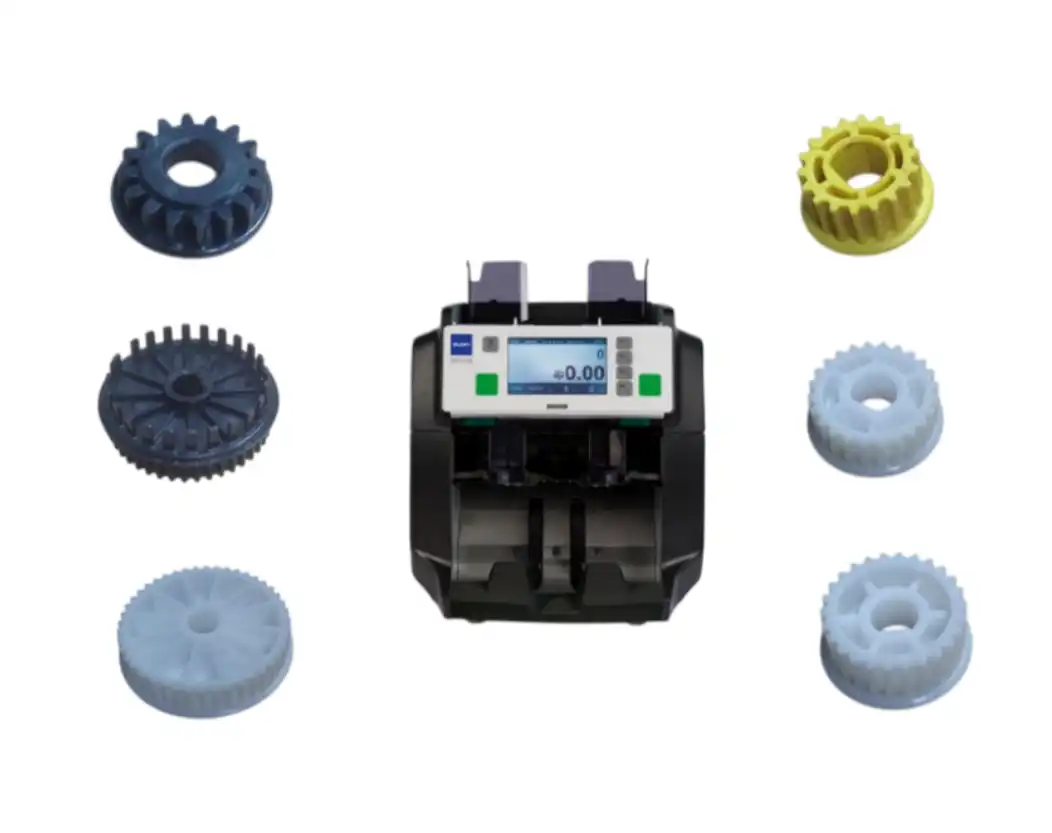

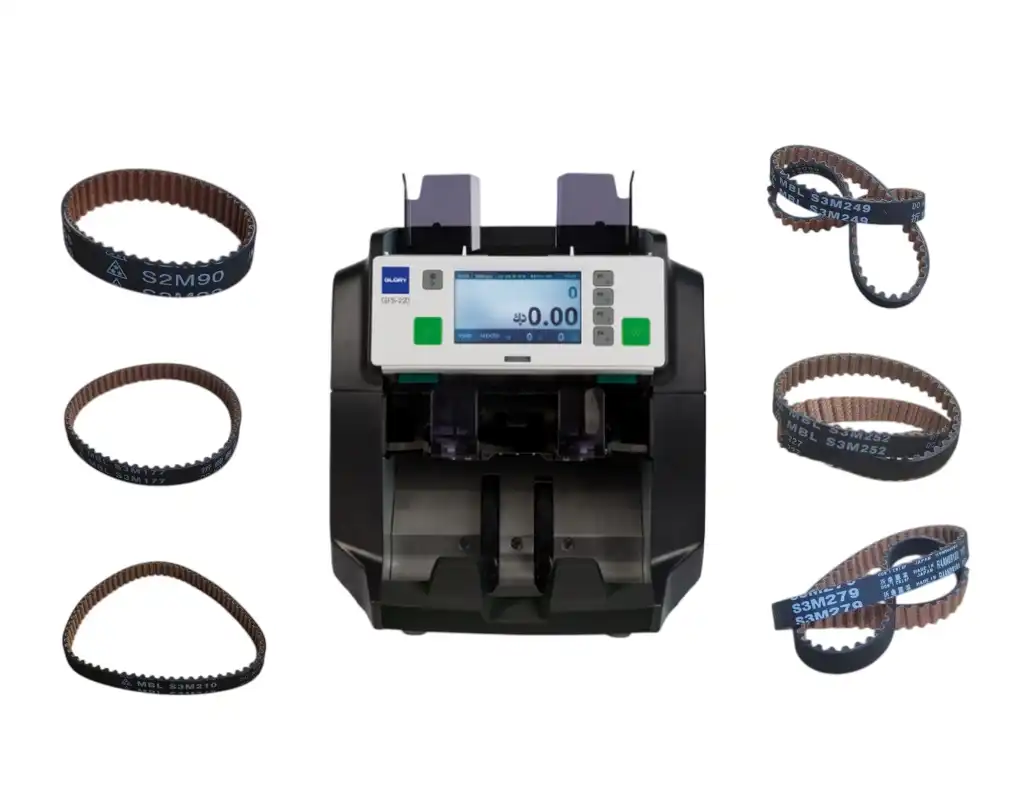
Technical Foundation of Multi-Spectral Verification
Using multiple authentication protocols, the hyperscanning method sets this gadget apart from simple bill counters. Each bill goes thru two contact image sensors that take pictures of the whole face at high enough levels for optical character recognition (OCR) of the serial number.
This imaging data is compared to patterns of UV light reaction that check for fluorescent security threads that can't be seen with the human eye. At the same time, magnetic (MG) sensors find the unique magnetic signatures that are embedded in real money ink formulations, and infrared (IR) research looks at the paper makeup and ink absorption characteristics that are only found on real money bills.
Ultrasound detection adds another level of proof by measuring the thickness of the paper and finding physical changes like tape repairs or fakes that are stacked on top of each other. When all five sensors work at the same time, they can read between 800 and 1,200 notes per minute.
This is called "hyperscanning" in the business world, and it means that full authentication can be done without slowing down throughput. The system architecture handles these data sources using neural network methods that are kept up to date thru USB firmware files. This makes sure that the machine can spot both new designs for money and new ways to make fake money.
Operational Integration and Connectivity
Connectivity choices like RS-232, USB, and LAN ports make it easy to connect to current banking systems. To meet anti-money laundering (AML) requirements, thermal printers can be linked together to make audit trails with serial numbers and authentication results. External PC tracking systems get real-time data feeds that let supervisors keep an eye on multiple machines' cash handling numbers from one central dashboard.
The user interface strikes a good mix between being easy to use and having a lot of features. It lets operators quickly get to the settings for coin sorting, orientation sorting, and fitness classification. Manual gap adjustment mechanisms can handle different thicknesses of currency, which fixes a common problem that leads to feed jams. As part of routine maintenance, CIS sensors and IR detectors are cleaned once a week with compressed air and special cleaning cards. This keeps paper dust from building up and causing false rejections.
Quality Standards and Calibration
Standardized test decks, like those used by the European Central Bank (ECB) and the Federal Reserve (FED), are used in quality control processes to check performance. High-quality units must be able to find all sophisticated fakes, even super-dollars, 100% of the time and keep Mean Cycles Between Jams (MCBJ) above 10,000 notes.
Fitness sorting accuracy is checked using calibration cards with set soil densities and tape thickness measurements below 50 microns. GFS 220 Banknote Sorter makes sure that the machine always tells the difference between notes that can be used in an ATM and notes that have been used and need to be returned to the central bank.
Why GFS 220 Stands Out: Comparing It to Other Banknote Sorters
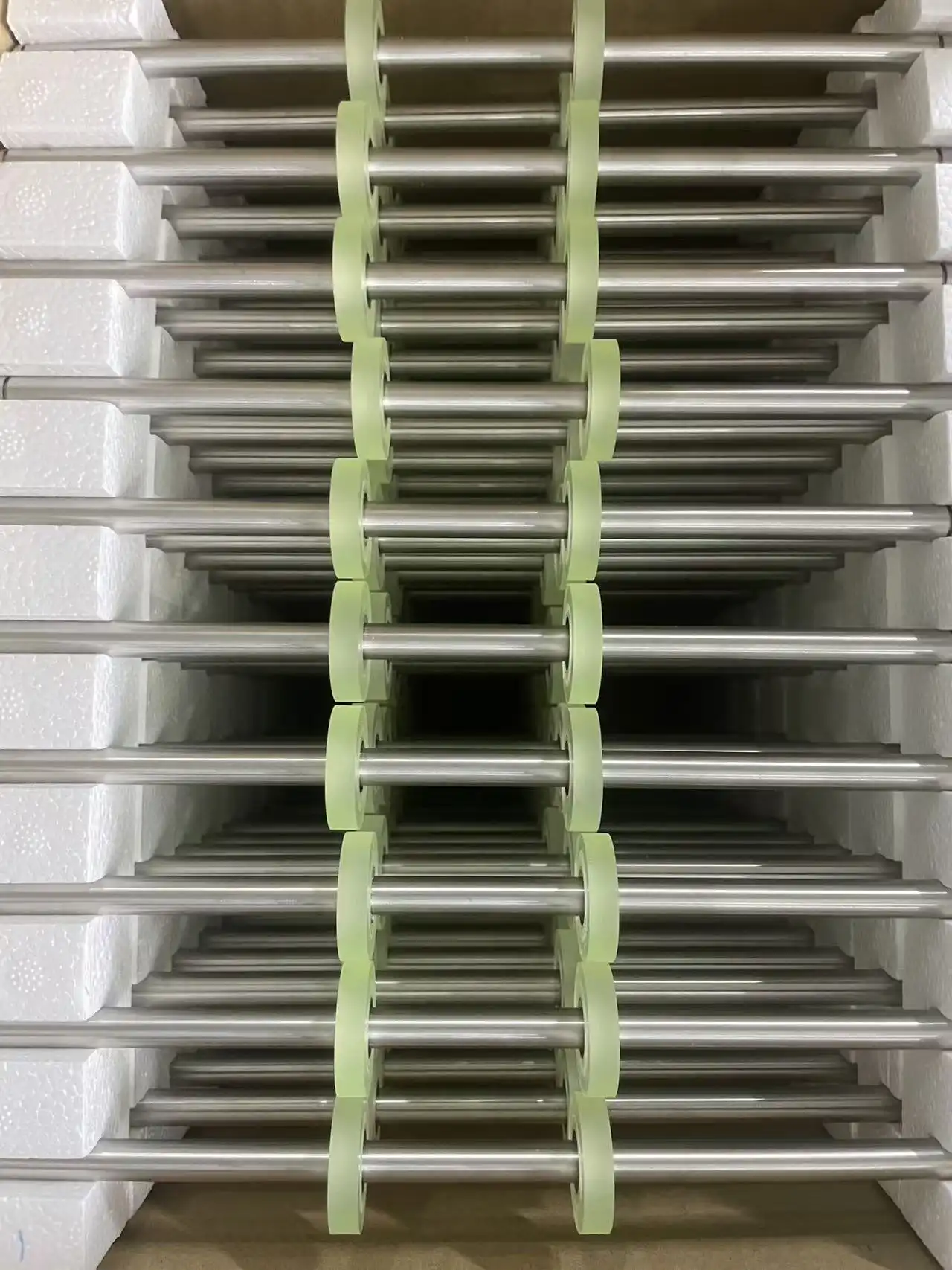
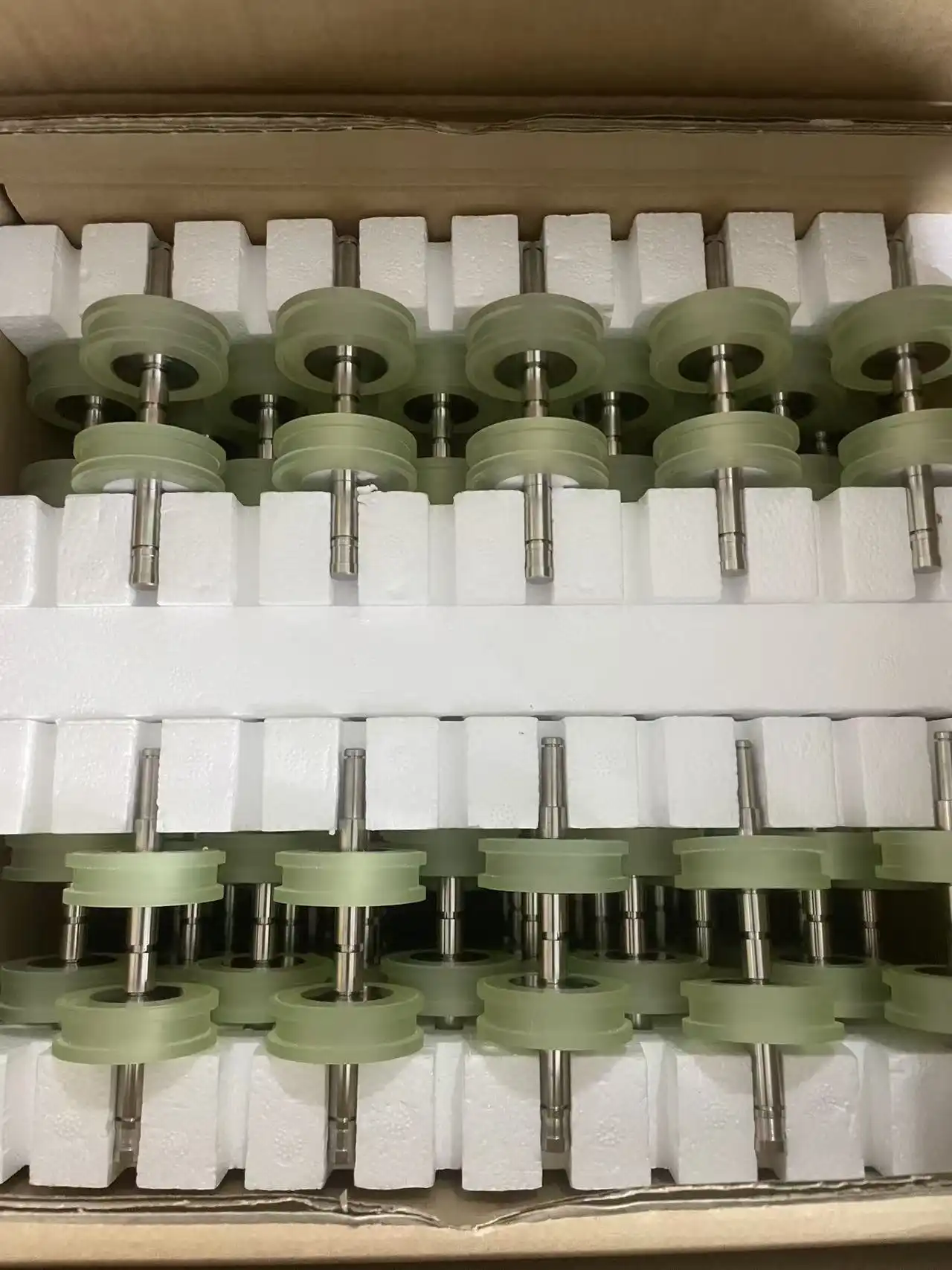
Performance Benchmarking Against Market Leaders
When compared to well-known competitors like the Giesecke & Devrient and Cassida models, the GFS 220 Banknote Sorter shows better performance in terms of detection accuracy and processing stability. Testing by a third party shows that the Dual CIS system can spot differences in the properties of ink that are typical of high-quality fakes that single-sensor machines miss. The magnetic sensor calibration finds weaker magnetic reactions from old, real bills, so there are fewer rejects that aren't needed and make customers angry.
Processing speed longevity is another thing that sets it apart. While competitor specifications may list similar top speeds, the GFS 220 keeps its 1,200 notes per minute output over long periods of use without sensor drift or heat slowdown. The design of the power supply unit includes thermal management features that have been tested and shown to work over 24 to 48 hours of stress. This makes sure that the unit works smoothly during busy times when machine downtime causes customer service backlogs.
Total Cost of Ownership Analysis
Buying choices involve more than just the initial purchase price. They also include how much energy will be used, how much it will cost to replace consumables, and what the guarantee covers. When compared to older sorters that used more wattage, the GFS 220's efficient power management lowers operational costs. The 30-day guarantee with online support gives you instant technical help, so you don't lose as much money when your equipment breaks down. People who want to save money can get tried-and-true technology at a lower cost by buying refurbished units. These units are good for smaller businesses or test programs that are used before the whole fleet is standardized.
Application Suitability Across Sectors
Scalability factors make the Glory GFS 220 a better choice for businesses that want to grow. The modular sensor design lets you improve individual parts as your sensing needs change. This keeps your capital investments from becoming useless too soon. Software changes sent via USB handle new currency releases without having to replace hardware, which extends the device's useful life beyond the normal wear and tear plans.
Small and medium-sized businesses like the small desktop size that takes up little table space. Large financial institutions, on the other hand, like the reliability measures that support high-volume processing needs. Businesses that deal with gambling appreciate being able to handle USD, EUR, and local currencies all at the same time, without having to switch between currencies, which can take time. Retail chains cut down on the time needed to reconcile at the end of the shift so that employes can be put to work helping customers during busy shopping times.
Procurement Insights: Purchasing the GFS 220 Banknote Sorter
Supply Chain and Distribution Networks
The GFS 220 Banknote Sorter can only be bought thru authorized dealers who deal with financial tools. RM (HONGKONG RONG MEI TECHNOLOGY CO., LIMITED) keeps a large inventory with over 80% of ATM modules and cash processing parts. This makes the company a one-stop shop for institutions that want to save time and money on buying. RM was founded in 2008 and is certified by ISO9001:2008. It has manufacturing capabilities as well as a technical support infrastructure that includes departments for quality control, mold production, injection molding, and maintenance services.
Bulk buying arrangements accommodate institutions standardizing equipment across multiple store locations or cash processing centers. Pricing based on volume takes into account economies of scale while still upholding quality standards. Lead times for module-level orders are usually between 15 and 20 working days, and technical questions and support requests will be answered within 24 hours. Shipping flexibility includes choices for shipping by sea, land, and air, matching delivery speed against handling costs based on how quickly something needs to get to its destination.
Warranty Provisions and Technical Support
The normal 30-day guarantee covers problems with the way the product was made and how it works, and it comes with online troubleshooting help. As part of remote support, technicians can hold video consultations with operators to walk them thru diagnostic tasks and small repairs. GFS 220 Banknote Sorter also benefits from this remote assistance, which cuts down on the cost of site visits. Multilingual literature is used for foreign deployments where supporting local languages makes operator training more effective and makes references easier to find over time.
Schedules for software updates are in sync with when central banks release new currencies and when security features are changed. RM gives software files that can be installed via USB along with step-by-step loading directions that can be understood by staff who aren't technically savvy. This update model gets rid of the need for manufacturer service calls for regular software maintenance. This lowers overall operational costs while keeping detection capabilities up to date.
Customization Options
Most operating needs can be met by standard setups, but customization services can be used for more specific needs. Changes to the hardware can include different hopper sizes, custom interface methods for integrating old systems, or unique rejection pocket arrangements. Language customization goes beyond just changing the text on the interface. It also includes changing the audio prompts and the format of the printed receipts to match local laws or company branding guidelines.
Real-World Applications and Case Studies of GFS 220 in B2B Environments


Banking Institution Front Office Operations
Tellers at commercial banks who handle customer deposits depend on instant verification to keep service moving quickly without sacrificing safety. The GFS 220 Banknote Sorter's serial number capture feature makes digital audit trails that connect specific notes to transaction records. This helps with fraud investigations and meeting regulatory reporting requirements. Notes that don't seem right are automatically rejected without stopping the counting process. This lets tellers deal with authentication issues while keeping the line moving.
Vault operations benefit from fitness sorting modes that automatically separate cash that can be used at an ATM from worn-out notes that need to be returned to the central bank. This automated classification gets rid of the need for human inspection work and makes sure that when ATMs are restocked, they only give out clean money that meets customer standards. Central banks keep up with compliance standards in a planned way instead of relying on subjective human evaluations. This lowers their regulatory risk exposure.
Cash-in-Transit and Casino Environments
High-volume settings that handle tens of thousands of notes every day need reliable equipment and consistent throughput. Cash-in-transit centers that prepare money for various ATM routes use the denomination sorting mode to arrange mixed-currency receipts in a way that is ready for release. The 500-note hopper can hold notes continuously, and the 200-note stacker can hold sorted amounts before it needs to be emptied. This strikes a balance between automation and realistic batch management.
Multi-currency recognition helps casino cage workers who handle mixed-currency gaming table deposits quickly handle transactions from visitors from other countries. The machine can tell the difference between USD, EUR, and regional currencies in a single pass, so there is no need for separate counting sessions for each denomination. This feature cuts down on the time needed to reconcile at the end of the shift by a large amount. This lets gaming operations focus on the customer experience instead of back-office processing delays.
Retail and Supermarket Cash Reconciliation
Large retail groups that handle a lot of cash every day have to deal with pressures on correctness that affect the accuracy of their financial reports. The Glory GFS 220 speeds up counting and protects against counterfeiting in a way that human proof can't match. Store managers can finish closing procedures faster, which cuts down on extra costs and lets them make bank deposits earlier, which reduces the amount of cash that needs to be kept overnight and the security risks that come with it.
The full identification method keeps stores from losing huge amounts of money on super-dollar acceptance fees that cut into their profits. With advanced picture processing, you can spot sophisticated fakes that look like real money, which is a threat that quick eye inspections often miss. This detection feature keeps the business making money and meets customer expectations for fast transactions during busy times.
Future-Proofing Your Cash Handling with GFS 220 Hyperscanning Technology
Adaptive Detection Against Evolving Threats
Techniques for making fake goods are always getting better, taking advantage of new printing technologies and material sources. The GFS 220 Banknote Sorter's design can be updated thru software, so it can keep detecting these new threats. This is done by regularly updating the code. Neural network algorithms learn new fake traits from centralized threat databases. They then send updated recognition patterns to machines that are already in use via USB updates, which are managed by institutional IT departments following standard change control procedures.
Regulatory Compliance and Reporting
As sensor technologies improve, hardware modularity lets you upgrade individual parts. Dual CIS modules, UV lamps, and magnetic sensors can all be upgraded to versions that are more sensitive or have wider detecting ranges. This makes the equipment last longer than the initial rollout specs. This upgrade path saves capital investments and keeps competitive detection skills that are in line with best practices in the industry.
International financial rules require transactions to be tracked and strange behavior to be reported more and more. With the GFS 220's serial number OCR feature, you can send data that can be used with compliance software that tracks how money moves. LAN connection lets you send real-time data to centralized tracking systems that can flag suspicious note clusters or large amounts of transactions that need to be looked into.
Operational Efficiency Metrics
AML compliance needs are met by keeping detailed records of rejected notes, such as pictures and sensor readings that explain why authentication failed. This evidence trail helps with regulatory audits and gives institutions records they can use to show they did their part to stop counterfeiting.
Measurable performance gains that lead to higher efficiency levels support the purchase of capital equipment. When institutions replace manual counting methods, they report shorter reconciliation cycles, lower error rates, and fewer hours of work. The steady flow of the GFS 220 Banknote Sorter lets you get the most out of your staff by moving people from boring counting jobs to customer service jobs that add value and help you stand out from the competition. Stopping the loss of counterfeit goods directly protects income.
Conclusion
The GFS 220 Banknote Sorter is a combination of tried-and-true mechanical engineering and advanced authentication technology that solves important cash management problems. Its hyperscanning detection system provides full security thru multi-spectral verification working at the fastest speeds in the industry. This keeps institutions safe from new counterfeit threats while keeping operations running smoothly. The machine's ability to work in banking, retail, games, and cash-in-transit settings shows how flexible it is and how well it meets different operating needs.
When procurement pros look at different currency handling options, the Glory GFS 220 stands out because it has a low total cost of ownership, works efficiently, and has upgrade paths that protect long-term investments. When paired with distributors like RM that offer full technical support and quick reaction times, the equipment provides long-lasting performance gains that can be seen in lower labor costs, faster workflows, and lower fraud losses.
FAQ
How does the GFS 220 handle frequent jamming issues?
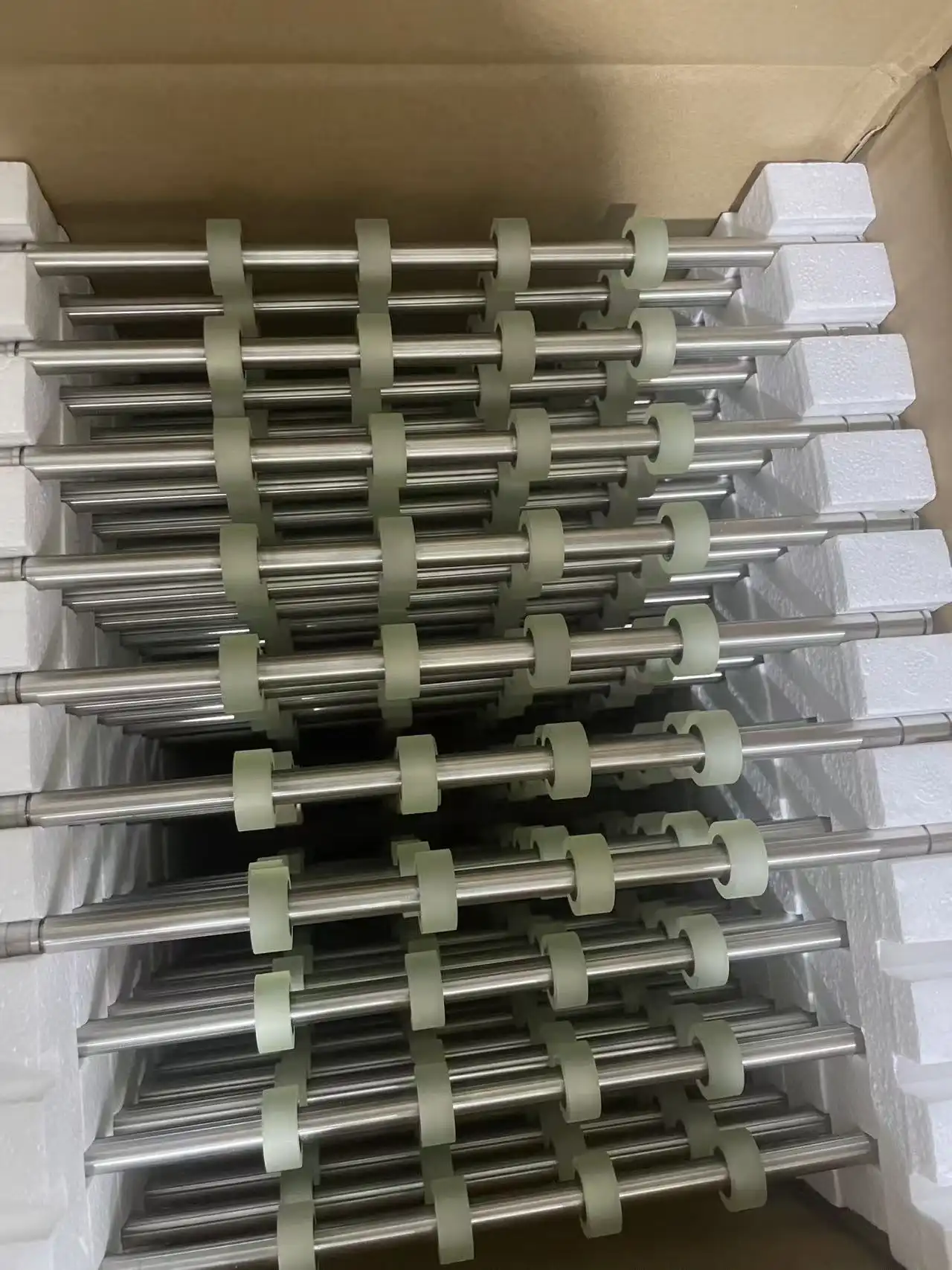
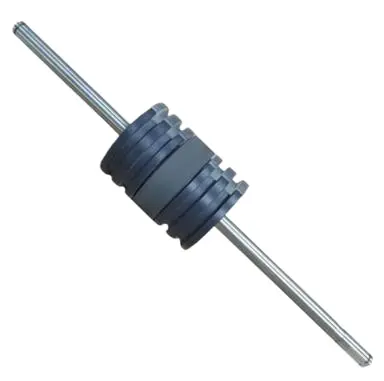
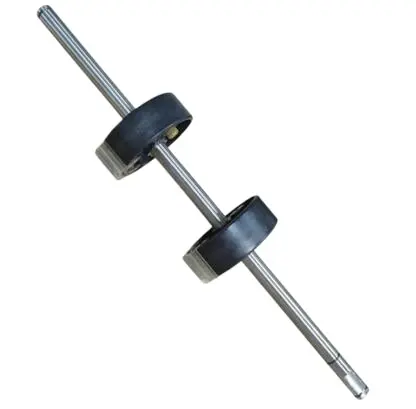
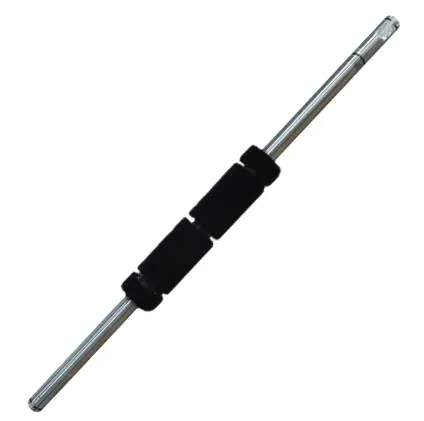
Most of the time, frequent jams mean that the thickness of the cash being handled has not been set correctly. Find the gap adjustment dial on the device's front or back panel and set it to the thickness of your bills. Check the wear patterns on the friction rollers to see if they need to be replaced. Rollers that are worn out lose their ability to grip, which can lead to feed problems.
Can this sorter detect sophisticated super-dollar counterfeits?
The Dual CIS technology and multi-spectrum infrared research are designed to find high-quality fakes, like super-dollars. The system checks the properties of the ink and the density of the paper to tell the difference between real money and sophisticated fakes. Keeping the firmware up to date makes sure that the detection methods use the most up-to-date trends for finding fakes.
What routine maintenance schedule is required?
Cleaning Contact Image Sensors and infrared detectors once a week with compressed air and cleaning cards keeps paper dust from building up and leading to false rejections. Professional servicing every three months and monthly checks of the friction rollers keep them working at their best. Not cleaning the sensors is the most common reason for error messages that aren't needed and a loss of counting accuracy.
How are software updates performed when new currency releases occur?
Firmware files are sent by manufacturers on USB flash drives that can be inserted into a computer thru the boot screen. Updates usually take between 5 and 10 minutes, and they make the neural network recognize new security features and style elements on banknotes. RM gives you update files with installation directions, so you don't have to rely on technicians coming to your place to do regular software maintenance.
Partner with RM for Your Currency Processing Needs
RM offers complete solutions for processing currencies by combining high-quality equipment with quick expert help. We are an expert GFS 220 Banknote Sorter seller with more than 20 years of experience in financial equipment. We keep a large collection of full machines, modules, and spare parts for individual parts. Our ISO9001-2008-certified processes make sure that the quality of both new and used tools is always the same.
Take advantage of our promise to answer your questions within 24 hours and our delivery plans of 15 to 20 working days to meet your operating continuity needs. Customization options allow for specific integration needs, multilingual interface preferences, and changes needed to meet regulatory requirements. Whether you need evaluation samples of a single unit or standardization volumes for a whole fleet, our procurement team can help you find solutions that fit your needs and your budget.
Contact Tony@atm-part.com to talk about your specific currency processing problems and get suggestions that are right for you. Visit atm-part.com to see our full line of financial tools and get access to technical resources that will help you make smart purchasing choices. RM is your strategic partner for optimizing your cash management because we can manufacture, have a large inventory, and have a dedicated support infrastructure.
References
1. International Currency Association (2022). Advanced Authentication Technologies in Modern Banknote Processing Systems. Financial Equipment Quarterly, Volume 18.
2. Central Bank Counterfeit Detection Standards Committee (2021). Multi-Spectral Verification Protocols for High-Security Currency Processing. Global Banking Technology Review.
3. Federation of Cash Processing Equipment Manufacturers (2023). Comparative Performance Analysis of Dual CIS Detection Systems. Industry Technical Bulletin 2023-04.
4. Asian Financial Equipment Research Institute (2022). Total Cost of Ownership Models for Currency Authentication Technology. Procurement Best Practices Series.
5. Global Cash Management Association (2021). Fitness Sorting Standards and Automated Classification Methods. Technical Specification Document GCMA-2021-07.
6. European Banknote Processing Technology Forum (2023). Neural Network Applications in Counterfeit Detection Systems. Annual Technology Conference Proceedings.
Learn about our latest products and discounts through SMS or email