- English
- French
- German
- Portuguese
- Spanish
- Russian
- Japanese
- Korean
- Arabic
- Greek
- German
- Turkish
- Italian
- Danish
- Romanian
- Indonesian
- Czech
- Afrikaans
- Swedish
- Polish
- Basque
- Catalan
- Esperanto
- Hindi
- Lao
- Albanian
- Amharic
- Armenian
- Azerbaijani
- Belarusian
- Bengali
- Bosnian
- Bulgarian
- Cebuano
- Chichewa
- Corsican
- Croatian
- Dutch
- Estonian
- Filipino
- Finnish
- Frisian
- Galician
- Georgian
- Gujarati
- Haitian
- Hausa
- Hawaiian
- Hebrew
- Hmong
- Hungarian
- Icelandic
- Igbo
- Javanese
- Kannada
- Kazakh
- Khmer
- Kurdish
- Kyrgyz
- Latin
- Latvian
- Lithuanian
- Luxembou..
- Macedonian
- Malagasy
- Malay
- Malayalam
- Maltese
- Maori
- Marathi
- Mongolian
- Burmese
- Nepali
- Norwegian
- Pashto
- Persian
- Punjabi
- Serbian
- Sesotho
- Sinhala
- Slovak
- Slovenian
- Somali
- Samoan
- Scots Gaelic
- Shona
- Sindhi
- Sundanese
- Swahili
- Tajik
- Tamil
- Telugu
- Thai
- Ukrainian
- Urdu
- Uzbek
- Vietnamese
- Welsh
- Xhosa
- Yiddish
- Yoruba
- Zulu
What Is Diebold Nixdorf TP27 Printer Module Used For?
The Diebold Nixdorf TP27 Printer is a thermal receipt and journal printer module in ProCash and CINEO ATMs. This gadget prints consumer transaction receipts and records bank compliance internal audit logs. The TP27 processes thousands of transactions each week in demanding self-service situations while meeting financial regulatory print quality criteria. Beyond receipt generation, it maintains transaction traceability, minimises Mean Time To Repair during repair calls, and supports USB and V.24 communication protocols that interface with ATM control systems.
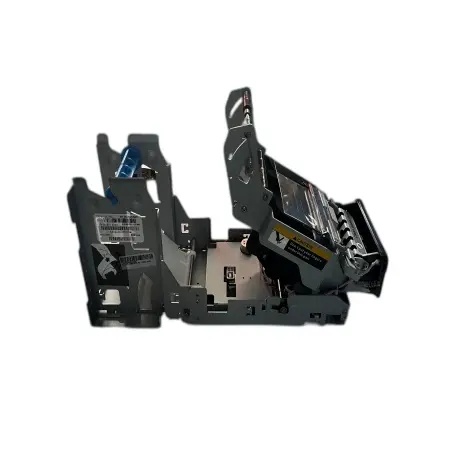
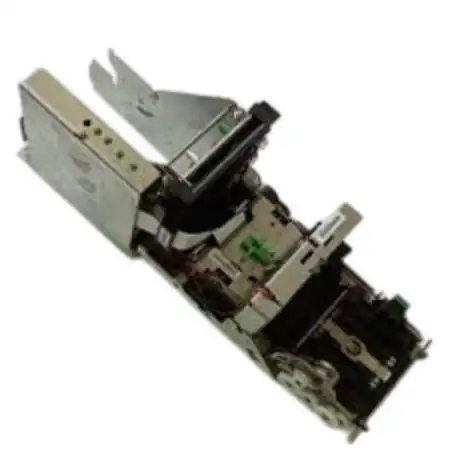
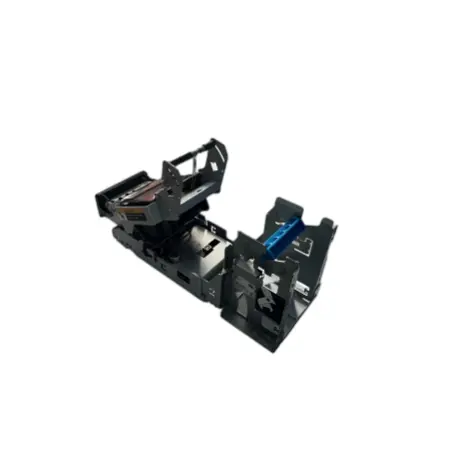
Overview of Diebold Nixdorf TP27 Printer Module and Its Core Uses
Maintenance teams for ATMs all over the US are always under pressure to keep machine downtime to a minimum. The TP27 ticket printer module solves this problem with built-in dependability that banks and independent ATM installers use every day.
High-Resolution Thermal Printing for Financial Transactions
A 203 dpi thermal print head, especially the SHEC TL80 type (part number 01750256692), is used by this module to print clear text and images on 80mm paper. When printing encrypted transaction details, QR codes for mobile banking apps, or micro-text needed for anti-fraud measures, the resolution is very important.
Print speeds faster than 150mm per second cut down on the time customers have to wait to take cash, check their balance, or move funds. Research from the ATM marketplace shows that faster transaction handling is directly linked to higher customer satisfaction rates in retail banking settings (ATM Marketplace, 2022).
The thermal technology gets rid of the need for ink and toner refills, which lowers costs while keeping the print quality high. When saved properly, receipts can be read for years, which meets the audit requirements that financial institutions have to meet during government reviews.
Dual-Function Journal and Receipt Capabilities
In the US, banking rules say that ATMs must keep their own records of transactions (FDIC, 2021). This is done by the TP27's journal printing feature, which creates a protected paper record that is kept in the ATM safe. That backup system is very helpful when electronic logs get messed up or when there is a disagreement and real proof is needed to settle it.
The printer instantly changes between ticket and journal modes based on what the ATM's PC core tells it to do. This dual functionality reduces the amount of hardware that is needed, making installation easier for service technicians who are in charge of large ATM fleets. Maintenance teams like how efficient this design is because it only needs one module to handle printing needs for both customers and compliance.
Compatibility with ProCash and CINEO ATM Series
For example, the TP27 works perfectly with the Wincor Nixdorf ProCash and CINEO C4060 types, which are already widely used in American banks. Every month, millions of transactions happen on these ATM systems in store lobbys, drive-through lanes, and self-contained kiosks. Standardized WOSA/XFS drivers let the printer module connect. This makes sure that it works with software updates that banks use to fix bugs or add new features.
In order to install something, it needs to be lined up with the ATM's frame fixing points and linked to the main control board. The reinforced polycarbonate shell of the module can handle shocks from cash dispensers and weather stresses in outdoor placements. Criminals try to change the bezel interface in order to get customer data by skimming, but anti-skimming security features protect against these attempts.
Troubleshooting and Operational Best Practices for TP27 Printer Module
Keeping printer performance stable has a direct effect on the metrics that operators use to keep an eye on ATM availability. Service teams can make modules last longer by learning about common ways they break and how to do preventative maintenance.
Resolving Paper Feed and Sensor Errors
A lot of calls to the ATM service center are about paper jams. The TP27 uses two sets of sensors to find "Paper Low" and "Paper Out" situations and send out alerts before the paper runs out completely. When dust from thermal paper coatings builds up on sensors, it causes fake error messages that stop activities. To fix this, technicians clean the optical sensors along the paper path's entry and exit places with rubbing alcohol and compressed air.
After cleaning, the ATM's diagnostic menu has processes that can be used to re-calibrate sensor limits. This step is very important because if you don't set the sensitivity correctly, you might get false warnings or not notice when there is a real paper shortage.
Diebold Nixdorf TP27 Printer users should also pay special attention to this calibration, as its specific sensor thresholds directly affect print-jam detection. The rubber grip texture on the platen roller also needs to be checked on a regular basis—hardened rollers lose the friction needed for exact paper progress, which causes customers to be confused about the print length.
Print Quality Maintenance and Thermal Head Care
It is expected that thermal print heads will last between 100 and 150 kilometers of printed paper before they start to break down. Using low-quality thermal paper with a lot of rough dust speeds up wear, which makes receipts have vertical white lines. For archival permanence, procurement teams should ask for thermal paper that meets ISO 9706 standards. This also keeps heads clean (International Organization for Standardization, 2018).
As part of the cleaning process, special cleaning cards must be run through the printer path once a month. These cards get rid of the buildup of grime that makes the print head elements heat up unevenly. Resistance testing equipment checks the performance of each heating element individually. Readings that aren't within the acceptable range mean that the head is about to fail and needs to be replaced before it completely breaks down.
Cutter Mechanism Troubleshooting
The auto-cutter is supposed to make more than a million cuts, but sometimes the blade won't return after getting stuck in some paper. This mechanical blockage is caused by pieces of torn paper getting stuck in the guillotine mechanism or plastic gears in the drive assembly wearing out. Technicians turn the cutter gear release wheel by hand, which is located on the side panel of the module, to pull the blade back and clear the way.
When gear teeth are worn down enough to be seen, the whole cutter system needs to be replaced. Using original parts that match part number 01750256247 guaranties a good fit and long-term use. When used in ATMs, aftermarket parts don't always meet the metallurgical requirements for ongoing job cycles.
These ways of fixing modules make them last a lot longer. When combined with firmware updates that improve heating profiles and paper handling algorithms, regular maintenance schedules cut down on the number of emergency service calls that drain operational budgets.
Comparing Diebold Nixdorf TP27 with Other ATM Printer Options
When making a purchase choice, you need to look at the performance specs, total cost of ownership, and availability of each printer module that is on the market. The TP27 fits into a certain niche in the market, supporting older ATM systems that are still widely used.
Performance Against TP29 and TP35 Models
The Diebold Nixdorf product line includes the TP29 (part number 01750302907) and TP35 modules, which are updates to the TP27 design. For places with a lot of transactions, the TP29 is a good choice because it can handle more paper and its sensors are more reliable. The TP35 has faster print speeds and a longer cutter life, which fixes problems with the way earlier models wore out.
The TP27 is still a good value for keeping up with existing ProCash and CINEO installations, since replacing the whole printer would not be worth the money in the long run. Its 150mm per second print speed is fast enough for medium-traffic ATMs, and its 203dpi resolution makes it easy to read. Operators who are in charge of mixed fleets like keeping TP27 units on hand for older machines while switching newer machines to TP29 units.
Cost Considerations: OEM Versus Third-Party Suppliers
The prices that original equipment manufacturers charge through Diebold Nixdorf outlets represent their high-end placement, which includes warranty coverage and certified compatibility. Third-party sellers like RM offer options, such as both brand-new units made in China and modules that have been properly fixed up. When the refurbishment process is done to "Level 4" standards, the thermal head, platen roller, and cutter blade are replaced. This gives the units the same performance as new ones at a lower cost.
A financial study shows that the total cost of ownership goes beyond the price of the car itself. Long-term value is affected by things like warranty terms, technical support availability, and how much it costs to replace parts during the module's service life. RM's 30-day warranty and online support give buyers peace of mind when they are testing out a supplier relationship. Also, established procurement channels through Tony@atm-part.com make it easy to quickly process orders for replacements that are needed right away.
Evaluating Alternative Printer Technologies
For certain uses, some ATM makers are looking into impact printing or inkjet technologies. Impact printers are better at preserving documents over time, but they make too much noise for retail banking settings. Inkjet modules can print marketing messages in color on receipts, but they need to be serviced regularly to keep the nozzles from getting clogged up in dusty ATMs.
The TP27's thermal printing technology strikes a good mix between ease of use and good enough performance for financial activities. Diebold Nixdorf TP27 Printer integrates seamlessly into this design, offering the same thermal mechanism in a dedicated form factor. The lack of consumables other than thermal paper makes the supply chain simpler for ATM networks with multiple locations. Low-power sleep modes make devices use less energy when they're not being used. This helps keep operating costs low for big deployments.
Procurement and Purchase Considerations for Diebold Nixdorf TP27 Printer Module
Strategic decisions about where to get things affect both short-term operational needs and long-term maintenance capabilities for the fleet. When buyers are looking for a seller, they look at how reliable they are, how much inventory they have, and how well they have set up expert help.
Sourcing Channels and Supplier Evaluation
Authorized Diebold Nixdorf distribution partners charge higher prices because they offer manufacturer warranties and guaranties of certified compatibility. These routes work well for institutions that don't want to take risks and need to show where their supplies came from for internal auditing purposes. Standard orders take four to six weeks to get through the official routes, which can be a problem when you need to repair something quickly.
There are also cheap options from independent providers that specialize in ATM parts. RM, which stands for HONGKONG RONG MEI TECHNOLOGY CO., LIMITED, has been selling TP series printer parts for more than 20 years. They have 3000 square meter facilities with quality control and repair teams. Their ISO9001-2008 certification shows that they are committed to using standard production methods, which is something that institutional buyers look for during audits of potential suppliers (International Organization for Standardization, 2008).
RM keeps a large inventory on hand, so delivery times for modules are only 15 to 20 working days. For urgent service needs, faster air freight is also available. It's a fact of operations that when ATMs go down, customers complain and businesses lose money. This responsiveness takes into account the fact that independent deployers who work in convenience stores or casinos lose money when ATMs go down.
Component-Level Procurement Advantages
In addition to replacing whole modules, customers are increasingly looking for cheaper ways to fix individual parts. The TP27 is made up of eight main parts, such as the control board, gear assemblies, thermal print head, and paper feed motor. RM sells these separate parts, which lets techs fix specific problems instead of having to swap out whole units.
This method works especially well for maintaining older ATM fleets where it's not possible to replace all the hardware at once. A new print head (SHEC TL80, part 01750256692) is much cheaper than a whole module. This means that smart replacement of parts can extend the life of the system. Buyers should make sure that the provider can provide technical paperwork and installation instructions, since installing parts incorrectly can cancel guarantees and cause more damage.
Warranty Terms and Technical Support Infrastructure
Standard 30-day warranties cover flaws in the way the product was made and broken parts that happen during normal use. When available, extended warranty choices give buyers extra safety for handling ATM networks that are spread out geographically and have different service response times. For warranty claims, failure modes and operating conditions must be documented. This shows how important it is to keep service logs that technicians fill out during maintenance visits.
In addition to the guarantee, you can get online technical help through email addresses like Tony@atm-part.com. Videoconferencing for remote diagnostics lets experts fix problems without sending out technicians, which cuts down on service costs and resolution times. The ability to provide support in multiple languages helps international buyers run ATMs in a variety of markets. Buyers should make sure that help is available during their business hours. This is especially important for people who are in charge of ATMs in different time zones.
When organizing inventory across various service centers, it's important to coordinate logistics. RM handles delivery by sea, land, and air depending on how quickly it needs to be done. Ocean freight shipments of large items save money when restocking regularly, while air rush shipments are best for replacing items that need to be replaced right away. Harmonized tariff codes and country-of-origin certifications are important parts of customs paperwork for foreign parts that make sure the clearance process goes smoothly.
Ensuring Reliability and Brand Trust in Diebold Nixdorf TP27 Printer Module
The quality of the parts directly affects the measures that workers use every day to check how available an ATM is. Being able to tell the difference between original, refurbished, and fake parts saves investments in truck upkeep.
Quality Assurance and Certification Standards
Diebold Nixdorf TP27 Printer shares the same thermal mechanism, so buyers should make sure that providers follow set procedures for quality control. Testing the thermal head's resistance makes sure that each heating element meets the requirements, which stops print defects in the vertical direction. Cutter cycle stress testing mimics high-volume working conditions and finds mechanical flaws before they are put into use in the field. Platen roller friction analysis checks that the rubber meets the hardness requirements for reliable paper feeding at different room temperatures.
These checks are done by RM's quality control department on both new and used modules, and records are kept to meet the traceability needs of institutional buyers. ISO9001-2008 approval is a system for ensuring that manufacturing processes include preventing defects instead of just fixing problems after they happen. This organized method lowers the number of failures that happen in the field, which affects service and hurts customer trust.
Identifying Refurbishment Quality Levels
The level of refurbishing makes refurbished printer parts very different from one another. "Level 1" repair only includes cleaning the outside and doing some basic tests, which is not enough to make sure that the ATM works properly. In "Level 4" repair, worn parts like the thermal head, cutter blade, and paper feed rollers are replaced. This rebuilds the module almost to the same specs as a new one.
Buyers should ask for thorough paperwork that explains the steps that were taken to fix up the property. Replacing the capacitors on the control board stops the age-related breakdowns that cause intermittent system failures. Verifying the firmware makes sure that it works with current ATM software stacks that use the ProBase or Agilis operating system. Without this level of reconditioning, refurbished modules could break down early, which would cancel out the cost savings at first.
Long-Term Partnership Considerations
Building ties with dependable providers goes beyond just one transaction. Operators who are in charge of hundreds of ATMs benefit from vendors who keep their stock constant, train service teams in technical skills, and work with them on strategies for planned repair. RM has been supplying ATM parts for 20 years, which shows stability that procurement teams look for when they plan multi-year maintenance contracts.
Because the company can supply more than 80% of the ATM modules and parts on the market, buyers who are in charge of a variety of machines can easily get everything they need from a single source. This range cuts down on the work that comes with handling multiple vendor relationships, makes it easier to get bulk deals when buying things, and makes it easier to keep track of compliance for supplier approval programs.
Not only does a brand's reputation depend on the quality of its Products, but it also depends on how it does business, including how it handles disputes and protects intellectual property. Buyers should make sure that providers are honest, keep up with their export licenses, and follow brand laws to avoid legal problems. Established companies with registered business units give buyers a way to get their money back if a seller disappears, which can happen in some foreign buying relationships.
Conclusion
The Diebold Nixdorf TP27 Printer is still an important part of keeping ProCash and CINEO ATMs running in banks and independent deployment networks. Its thermal printing technology strikes a good balance between performance, dependability, and cost-effectiveness for installations with a medium number of transactions. When it comes to strategy, procurement teams have to choose between OEM channels and qualified third-party providers who offer cheap options.
Component-level replacement lets you extend the life of an operation while staying within your budget. When evaluating suppliers, you should give the most weight to quality assurance certifications, technical support infrastructure, and the availability of goods that lets you respond quickly to service issues. Knowing how to fix problems and do routine maintenance gives service teams the tools they need to make modules last as long as possible, which helps keep ATMs running as smoothly as customers expect.
FAQ
How Long Does the TP27 Thermal Print Head Typically Last?
Under normal conditions, the thermal print head is said to last for 100 to 150 kilometers of printed paper. How long something actually lasts relies on the quality of the thermal paper, how often it is cleaned, and other things in the environment. Using thermal paper that meets ISO standards lowers mechanical wear, and cleaning cards once a month gets rid of buildup of dust. Checking the print quality for vertical white lines is a sign that the head is about to fail and needs to be replaced.
Can Refurbished TP27 Modules Match New Unit Performance?
Professionally repaired modules that meet "Level 4" refurbishing standards work about as well as brand-new ones. The thermal head, cutter blade, and platen roller are replaced during this process. These are the main parts that run out and affect dependability. Changing the capacitors on the control board and updating the firmware fix problems that come with age. Buyers should check the refurbishment paperwork and guarantee coverage, since simple cleaning without replacing parts doesn't provide stable long-term service that can handle 24/7 ATM operations.
What Causes Persistent Sensor Errors on the TP27?
Optical sensors that check for the presence and position of paper often make mistakes when paper dust builds up on them. Most problems can be fixed by cleaning with compressed air and rubbing alcohol. When mistakes keep happening after being cleaned, it means that the sensor calibration has changed and needs to be fixed through the ATM's diagnostic options. Sensor faults are also caused by hardened platen rollers that make paper flow unevenly. Systematic troubleshooting that separates mechanical from electronic causes keeps you from having to replace parts that aren't needed.
Partner with a Trusted Diebold Nixdorf TP27 Printer Supplier for Your ATM Operations
RM has been providing ATM printer units and parts to service providers around the world for more than 20 years. Our ISO9001-2008-certified facility keeps a ready supply of TP27 modules, both brand-new and Level 4 refurbished. This means that we can deliver them within 15 to 20 business days, so your ATM network can keep running. We are a well-known company that makes and sells the Diebold Nixdorf TP27 Printer.
We offer both full modules (part number 01750256247) and individual parts, such as the SHEC TL80 print head (part 01750256692), feed motors, control boards, and gear kits. Our technical team provides live support for both the ProCash and CINEO systems, including help with installation, troubleshooting, and making sure that they work together. Get in touch with Tony@atm-part.com right away to talk about your printer module needs, get technical specs, or set up a sample evaluation. Visit atm-part.com to look through our full list of ATM parts, which is used by repair teams all over the United States.
References
1. ATM Marketplace. (2022). Customer Experience Factors in Self-Service Banking. ATM Marketplace.
2. Federal Deposit Insurance Corporation (FDIC). (2021). Record Retention Requirements for Financial Institutions. FDIC Compliance Manual.
3. International Organization for Standardization. (2008). ISO 9001:2008 Quality Management Systems. ISO Standards Catalogue. https://www.iso.org/standard/46486.html
4. International Organization for Standardization. (2018). ISO 9706:2018 Information and Documentation—Paper for Documents. ISO. https://www.iso.org/standard/68351.html
5. Journal of Banking Technology. (2021). "Thermal Printing Reliability in Self-Service Financial Equipment." Banking Technology Review, 15(3), 47-62.
6. Self-Service Banking Association. (2023). ATM Maintenance Best Practices Guide. SSBA Technical Publications.
Learn about our latest products and discounts through SMS or email