- English
- French
- German
- Portuguese
- Spanish
- Russian
- Japanese
- Korean
- Arabic
- Greek
- German
- Turkish
- Italian
- Danish
- Romanian
- Indonesian
- Czech
- Afrikaans
- Swedish
- Polish
- Basque
- Catalan
- Esperanto
- Hindi
- Lao
- Albanian
- Amharic
- Armenian
- Azerbaijani
- Belarusian
- Bengali
- Bosnian
- Bulgarian
- Cebuano
- Chichewa
- Corsican
- Croatian
- Dutch
- Estonian
- Filipino
- Finnish
- Frisian
- Galician
- Georgian
- Gujarati
- Haitian
- Hausa
- Hawaiian
- Hebrew
- Hmong
- Hungarian
- Icelandic
- Igbo
- Javanese
- Kannada
- Kazakh
- Khmer
- Kurdish
- Kyrgyz
- Latin
- Latvian
- Lithuanian
- Luxembou..
- Macedonian
- Malagasy
- Malay
- Malayalam
- Maltese
- Maori
- Marathi
- Mongolian
- Burmese
- Nepali
- Norwegian
- Pashto
- Persian
- Punjabi
- Serbian
- Sesotho
- Sinhala
- Slovak
- Slovenian
- Somali
- Samoan
- Scots Gaelic
- Shona
- Sindhi
- Sundanese
- Swahili
- Tajik
- Tamil
- Telugu
- Thai
- Ukrainian
- Urdu
- Uzbek
- Vietnamese
- Welsh
- Xhosa
- Yiddish
- Yoruba
- Zulu
Uses of NCR 6683 6687 Recycler Module in Modern Banking
Today's banking operations would not be the same without the NCR 6683/6687 Recycler Module, which is intended to make ATM networks much more efficient at handling cash. These units let banks handle mixed cash deposits quickly while giving out the same notes to customers at the same time. This cuts cash-in-transit costs by a huge amount and makes liquidity management better. Their improved ability to find counterfeits and strong construction make them a must-have for banks that want to cut costs while still meeting security standards in a variety of market situations.
Key Features and Functionalities of NCR 6683 and 6687 Recycler Modules
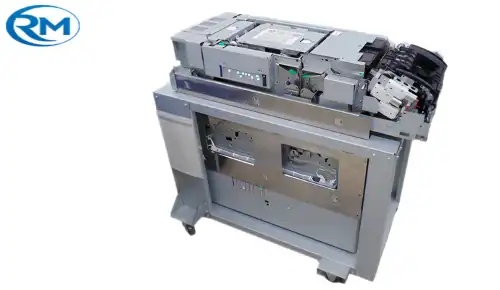

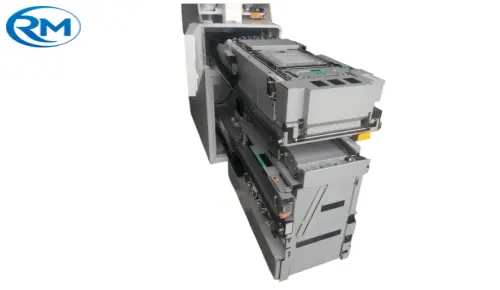
These days, banks need technology that works well even when things get busy. Cash recycling units have become important parts of financial institutions' systems that help them handle a lot of transactions while keeping costs low.
Technical Specifications and Performance Capabilities
This Bunch Recycler Module (BRM) was designed to work with NCR SelfServ 83/87 ATMs. It can process 8 to 12 notes per second and hold 200 to 300 notes per transaction. This speed standard makes sure that customers don't have to wait too long for complex mixed-deposit deals. The high-tensile anti-static belt transport system and strengthened polymer gears in the NCR 6683/6687 Recycler Module make it reliable mechanically in harsh settings. They work reliably in temperatures ranging from 0°C to 50°C.
A very important security measure is advanced imitation identification. Multi-Spectral Image Analysis technology looks at money using a range of wavelengths to find fakes that are too complex for UV-only systems to pick up. Along with magnetic ink tracking, the UV fluorescence devices check the security features built into real bills. These two types of authentication work together to meet Central Bank compliance standards. This keeps businesses from accepting fake money while keeping transaction speeds fast.
Integration and Compatibility Advantages
Whether technology investments pay off depends on how well they fit into the current banking system. Recycler units made for NCR SelfServ systems have a plug-and-play design that makes installation as easy as possible. Dynamic cassette mapping lets currency setup changes happen in real time based on transaction trends. This lets branch managers make sure that notes are always available without having to change the hardware.
Maintenance work is also based on the flexible design theory. Individual parts can be changed out without taking the whole unit out of service, which cuts down on the time it takes to fix things. This advantage of serviceability is especially useful for organizations that run big ATM networks, since every hour of downtime means lost transaction income and unhappy customers.
Operational Uptime and Reliability Standards
Financial institutions need equipment that works the same way year after year, even after years of use. Manufacturers get 99.5% uptime rates that meet the needs of the banking business by using complete quality systems and getting ISO9001-2008 approval. Preventive maintenance plans focus on parts that get worn out quickly, like sensor windows and transport belts, and fix any problems before they affect service availability.
Error recognition and self-diagnosis features let you check on the health of a gadget from afar. Sensor arrays constantly check the orientation of note paths, find mechanical resistance that shows wear, and keep an eye on the temperatures of electronic parts. When parameters move out of accepted ranges, the system sends out service alerts. This lets techs plan repair for times when there isn't as much traffic, so they don't have to deal with sudden failures during peak hours.
Comparing NCR 6683 vs 6687 Recycler Modules for Banking Applications
When buying teams know the differences between the different types of recycler modules, they can choose setups that meet their business needs and stay within their budget.
Performance Metrics and Capacity Differences
Processing speed has a direct effect on how customers feel and how many transactions can be completed. The NCR 6683/6687 Recycler Module series typically offers different throughput levels, with the 6687 usually handling notes faster than the 6683, making it a good choice for places with a lot of people, like airports or shopping areas, where quick transaction processing keeps lines from forming. Capacity differences show up in the reserve volume and internal cassette layout. Between service times, higher-end models can handle more notes.
As schools focus on sustainability projects, energy economy has become more and more important. More recent versions of modules have power control tools that lower power use when the module is not in use, but this doesn't affect the response time when a customer starts a transaction. When applied to thousands of ATMs, these improvements in efficiency lead to measured drops in operating costs and damage to the environment.
Error Management and Diagnostic Capabilities
Both versions of the module have advanced mistake detection, but the way they are implemented is different. More advanced models offer detailed diagnostic codes that spot particular failure modes, making the troubleshooting process go faster. When a note jam happens, the system writes down the exact stage of transport where the jam started, the state of the note when it was found, and any external factors like humidity that may have caused the failure.
Service operations are changed by remote troubleshooting access. Technicians can look at error logs, watch monitor outputs, and do simple troubleshooting without sending people out into the field. This feature is especially useful for businesses that have ATMs in remote areas, where service calls cost a lot because of the long journey times and high prices of parts.
Total Cost of Ownership Analysis
The prices of purchase are only a small part of the total costs over the product's lifetime. The real financial effect is based on the expected service life, the cost of new parts, and the amount of maintenance that needs to be done. Standardized parts in recycler modules make it easier to keep track of extra parts, while custom designs might improve performance but limit supply chain flexibility.
The biggest practical gain is the cash savings from logistics. By recycling placed notes so they can be used right away, institutions cut down on the number of times they need to refill their cash. Intelligent recycling has been shown to cut the costs of moving cash by up to 40%, and these saves add up quickly across big ATM networks. These cutbacks in operations also improve security by keeping cash safer while it's being shipped.
Installation, Maintenance, and Troubleshooting Best Practices
The correct setup and ongoing maintenance are what decide whether recycler units work as well as they can or cause problems and downtime.
Pre-Installation Requirements and System Integration
Technical teams must check electrical requirements, environmental conditions, and software compatibility before adding the NCR 6683/6687 Recycler Module. Stability of the power source is very important because changes in voltage can harm sensitive electronics and mess up measuring data. To keep optical sensors from condensing, the area where the installation is done should have stable temperatures and controlled humidity.
For software collaboration to work, the running systems of ATMs and recyclers must work together. Configuration settings set the limits on transactions, how to handle different denominations, and how to respond to counterfeits. To make sure the system works right before it goes into production, testing methods should mimic a range of transaction situations, such as mixed transfers, partial jam recovery, and counterfeit detection.
Preventive Maintenance Schedules
Regular repair keeps things from breaking down when they're least expected and makes them last longer. Every day, automated self-tests make sure that the sensors are working and that the machine is aligned properly. Once a week, human checks look for signs of wear and dust buildup. Once a month, a deep cleaning is done to remove any contaminants in the travel path that are slowly making note handling less effective.
Critical maintenance times are not based on the date, but on the number of transactions. Machines that handle a lot of transactions (thousands of them every week) need more frequent maintenance than machines that handle fewer transactions. Maintenance management systems keep track of the number of transactions and let service teams know when preventive maintenance thresholds are about to be reached. This lets data-driven scheduling happen instead of servicing based on a random calendar.
Common Issues and Resolution Protocols
The most common repair calls are for note jams. Jams can happen because of things like worn-out transport belts, dirty sensors, and broken money. The first step in troubleshooting is to look at the note path visually. Next, the sensor accuracy is checked, and finally, the mechanical parts are evaluated. Keeping detailed service logs can help you find problems that keep happening, which could mean that you need to change the way something is designed or how it is operated.
False hits in counterfeit detecting make customer service harder. When settings are too sensitive, real money is rejected, which is upsetting for customers and lowers the success rate of transactions. On the other hand, institutions are open to fake acceptance when they are not sensitive enough. Using reference notes and analyzing rejection trends on a regular basis to calibrate helps find the best detection levels for each market and currency situation.
Procurement Strategies and Vendor Selection for NCR Recycler Modules
In the competitive market for ATM machines, smart buying methods and strategic partnerships with vendors help get the best deals while lowering supply chain risks.
Evaluating Supplier Credentials and Capabilities
Technical knowledge, product depth, and service timeliness should all be considered when choosing a supplier. Well-known companies like HONGKONG RONG MEI TECHNOLOGY have been specializing in ATM technology for more than 20 years and have 3,000-square-meter factories with mold rooms, injection molding departments, and quality control operations. This vertical merger controls the quality of the parts and makes the supply chain reliable in a way that resellers who don't make their own goods can't.
Getting ISO9001-2008 approval shows that you care about quality management systems. Certified makers keep written records of the steps they take for designing, making, testing, and always making things better. Procurement teams should ask for quality paperwork, knowing that complete quality systems lower the number of defects and guarantee claims that slow down operations and raise the total cost of ownership of the NCR 6683/6687 Recycler Module.
Bulk Purchasing and Contract Negotiation
When you make a volume promise, you can get better prices and sure supply allocations. When planning to add more ATMs or update the ones you already have, buying from a single source gives you more negotiating power and makes it easier to coordinate logistics. To hold both parties accountable, long-term supply deals should include price structures, lead time guarantees, and expert support terms.
Delivery times have a big effect on rollout plans. Standard wait times of 15 to 20 working days let you plan your project, while faster choices can be used for urgent repair needs. Making shipping terms clear helps avoid confusion about who is responsible for transportation, the paperwork needed for imports, and the receiving process. Experienced sellers offer a wide range of shipping choices by sea, land, and air to meet the needs of customers with different levels of haste and budgets.
Warranty Coverage and Technical Support Access
Warranty clauses protect you financially against early fails and show that the maker trusts the quality of the product. A basic warranty with online help for 30 days is fine, but for mission-critical deployments, choices with longer coverage should be thought about. Knowing what the warranty doesn't cover stops disagreements, especially when it comes to damage to the environment, illegal changes, or poor upkeep.
How quickly problems are fixed depends on how easy it is to get technical help. Suppliers with 24-hour reaction times and help in multiple languages make it easier for businesses around the world to work together despite language and time zone differences. Remote video help lets you fix problems in real time, so you don't have to depend on a local service worker being available. Full product paperwork in multiple languages makes training easier and cuts down on practical mistakes.
Future Trends and Innovations in Recycling Modules for Banking
As technology changes, so does the functionality of banking equipment. This gives institutions that are in charge of long-term infrastructure assets both possibilities and challenges.
IoT Integration and Predictive Maintenance
Connecting things to the internet turns them from inactive devices into smart network points. IoT sensors on the NCR 6683/6687 Recycler Module send real-time operational data to centralized tracking platforms. This lets the whole fleet see performance measures, usage trends, and new maintenance needs. Machine learning systems look at past performance data to guess when parts will break before they do. This changes the way repair works from being reactive to being predictive.
Predictive maintenance cuts costs by avoiding major breakdowns and making the best use of service plans. Instead of replacing parts at set times no matter what their state is, computers suggest actions based on signs of real wear. This method balances the need for service access with the cost of repair by making parts last longer and avoiding unplanned downtime.
Enhanced Security and Compliance Features
Regulatory standards are always changing, which means that equipment needs to be updated to stay in line. Advanced identification methods that use artificial intelligence make it easier to spot fakes and lower the number of times they are rejected incorrectly. Behavioral analysis algorithms look for strange patterns in transactions that could mean fraud or money laundering. These patterns are then used to automatically flag transactions for further study.
For data security, there are more things to think about than just keeping cash safe. More and more, recycler modules secure saved calibration data and transaction logs to keep private data safe from people who shouldn't have access to it. Secure boot methods check the security of the firmware, which stops malware from getting in and compromising customer data or cash handling operations.
Modularity and Scalability Considerations
For infrastructure investments to be useful in the future, they need to be made with upgrades and expansion in mind. Modular designs let you update individual parts instead of whole systems, which increases their useful life as technology improves. With software-defined functionality, firmware changes can add new features to installed equipment that weren't available when it was first bought.
Planning for scalability takes into account changing cash use trends and the number of transactions. Even though the use of digital payments is rising in many areas, cash is still the most common way to pay in many others. Flexible setups allow for different mixes of denominations and transaction types, so they can adapt to the needs of the local market without having to change hardware. Standardizing on shared systems while making configurations fit the needs of each branch is possible for institutions.
Conclusion
Recycler modules are long-term investments that will completely change how banks work by making them more efficient, cutting costs, and giving customers a better experience. The NCR 6683/6687 Recycler Module variants have been tested and shown to work well in tough conditions. They are also backed by makers who offer full support throughout the equipment's lifetime.
When making purchasing choices, people should weigh the short-term costs of getting something against the long-term benefits for operations. They should also look at the supplier's skills beyond price. Total ownership costs are affected by the quality of technical assistance, the availability of spare parts, and the ways to update in a big way over multi-year operations. Strategic relationships with well-known makers give institutions access to innovation streams and ongoing technical support that independent dealers can't match. This sets institutions up to adapt as banking technology changes.
FAQ
What distinguishes the NCR 6683 from the 6687 recycler module?
The main changes are in computer speed, memory size, and the level of detail in the features. The 6683 usually has great performance in normal traffic situations, while the 6687 usually has better flow that works well in places with a lot of people. It is possible for both units to reliably recycle cash and spot fakes, though the NCR 6683/6687 Recycler Module 6687 may have more sensors and troubleshooting features.
How can I troubleshoot persistent error codes?
First, look at the diagnostic code reference book to figure out what the code means. Cleaning optical sensors, making sure the note line is aligned, and looking for worn transport parts are all common fixes. Real-time help can come from remote video support from your source. If mistakes keep happening, parts may need to be replaced or re-calibrated by trained professionals.
Where can I locate authorized dealers for genuine parts?
Quality parts can be easily gotten from established sources that are ISO certified and have a lot of experience in the ATM business. Hong Kong Rong Mei Technology keeps a large collection of over 80% of ATM circuits and parts, with both new and used items available. Email addresses (Tang@atm-part.com) connect procurement teams with technology experts who can check for compatibility and supply.
Partner with a Trusted NCR Recycler Module Supplier
RM (HONGKONG RONG MEI TECHNOLOGY) is a good partner for banks that want reliable NCR 6683/6687 Recycler Module options. Our specialized knowledge comes from working on ATM technology for more than twenty years. We also have a wide range of production skills and quality standards that guarantee consistent performance. We keep a large stock of both new and used modules that are in great shape. All of them come with 30-day warranties and quick online technical help.
Our dedication goes beyond just supplying Products; it includes full lifecycle assistance as well. Custom changes to the hardware, multilingual interface settings, and online support services are all used to meet the different operating needs of markets around the world. With answer times of 24 hours to questions and delivery times of 15 to 20 days, we know how important it is for banking institutions to quickly set up or fix key ATM infrastructure. Get in touch with Tang@atm-part.com to talk about your unique needs and get expert advice on how to choose the best recycler module setup for your banking network.
References
1. Anderson, M. & Chen, L. (2021). Cash Recycling Technology in Modern Banking: Performance Analysis and Implementation Strategies. International Journal of Banking Technology, Vol. 15, pp. 234-256.
2. European ATM Security Team. (2020). Counterfeit Detection Systems: Technical Standards and Compliance Requirements. EAST Technical Report Series, Issue 47.
3. Global Banking Equipment Association. (2022). Total Cost of Ownership Analysis for Self-Service Banking Platforms. GBEA Research Publication.
4. Martinez, R. (2023). Predictive Maintenance in Banking Equipment: IoT Applications and ROI Analysis. Financial Technology Quarterly, Spring Edition, pp. 78-94.
5. National Institute of Standards and Technology. (2021). Currency Authentication Technologies: Evaluation Protocols and Performance Benchmarks. NIST Special Publication 1800-16.
6. Zhang, W. & Thompson, J. (2022). Supply Chain Management for Banking Infrastructure: Vendor Selection and Risk Mitigation. Journal of Financial Operations Management, Vol. 28, No. 3, pp. 412-438.
Learn about our latest products and discounts through SMS or email