- English
- French
- German
- Portuguese
- Spanish
- Russian
- Japanese
- Korean
- Arabic
- Greek
- German
- Turkish
- Italian
- Danish
- Romanian
- Indonesian
- Czech
- Afrikaans
- Swedish
- Polish
- Basque
- Catalan
- Esperanto
- Hindi
- Lao
- Albanian
- Amharic
- Armenian
- Azerbaijani
- Belarusian
- Bengali
- Bosnian
- Bulgarian
- Cebuano
- Chichewa
- Corsican
- Croatian
- Dutch
- Estonian
- Filipino
- Finnish
- Frisian
- Galician
- Georgian
- Gujarati
- Haitian
- Hausa
- Hawaiian
- Hebrew
- Hmong
- Hungarian
- Icelandic
- Igbo
- Javanese
- Kannada
- Kazakh
- Khmer
- Kurdish
- Kyrgyz
- Latin
- Latvian
- Lithuanian
- Luxembou..
- Macedonian
- Malagasy
- Malay
- Malayalam
- Maltese
- Maori
- Marathi
- Mongolian
- Burmese
- Nepali
- Norwegian
- Pashto
- Persian
- Punjabi
- Serbian
- Sesotho
- Sinhala
- Slovak
- Slovenian
- Somali
- Samoan
- Scots Gaelic
- Shona
- Sindhi
- Sundanese
- Swahili
- Tajik
- Tamil
- Telugu
- Thai
- Ukrainian
- Urdu
- Uzbek
- Vietnamese
- Welsh
- Xhosa
- Yiddish
- Yoruba
- Zulu
Troubleshooting F56 Dispenser Common Issues
When your ATM cash dispenser malfunctions during peak banking hours, every minute of downtime translates into lost revenue and frustrated customers. The F56 Dispenser, designed specifically for Fujitsu F56 ATM systems, represents a critical component in modern self-service banking infrastructure. At RM, we've spent over two decades working with financial institutions across the United States and emerging markets, helping maintenance teams resolve dispenser failures quickly.
This guide draws from our accumulated expertise in diagnosing mechanical jams, sensor errors, and software conflicts that commonly affect cash dispensing modules. Whether you're managing a single ATM or coordinating repairs across multiple branches, understanding these troubleshooting fundamentals reduces service calls and extends equipment lifespan.
Understanding Common Problems with the F56 Dispenser
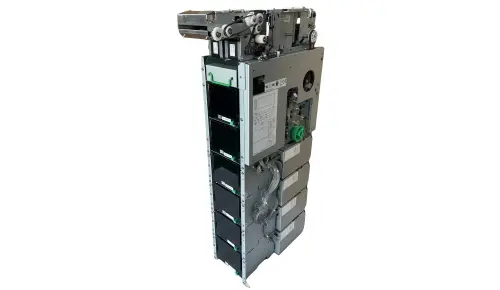
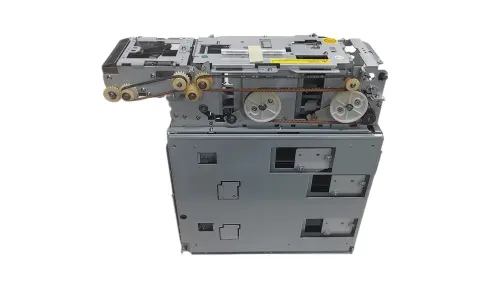
Failures of cash dispensers almost never happen without any warning. We've found recurring trends that help us predict when parts will break before they stop working because we work with banks and ATM repair companies all over North America.
Mechanical Jams and Physical Obstructions
About 40% of the calls we get for F56 Dispenser service are about mechanical jams. These happen when bills don't fit properly in the transport system, blocking it and stopping operations. Usually, the problem is caused by worn-out divider wheels or dust that gets in the way of the notes moving. The environment is very important; ATMs in places with a lot of humidity get clogged up more often because the notes swell up. Technicians should check the pick module and transport path for debris buildup or obvious component wear when looking at the KD03234-B202, KD03234-B302, or KD03234-B402 configurations.
Electrical and Sensor Malfunctions
Sensor breakdowns are hard to diagnose because the signs often look like problems with mechanical parts. The F56 Dispenser module has several optical sensors that can tell the difference between notes based on their thickness, position, and double-feed situations. If dust builds up on sensor lenses, it can give false error readings, and changes in voltage can mess up sensor calibration. We've seen that ATMs that have frequent power outages have a higher rate of sensor malfunctions. To keep the accuracy of the dispenser, replacement sensors must meet exact specifications. That's why our ISO9001-2008-certified manufacturing process includes strict quality testing for all electrical parts.
Software Errors and Communication Failures
These days, dispensers depend on software that controls how the machines work and talks to systems that handle transactions. When firmware versions don't match up with the main ATM computer or when configuration files get damaged, software conflicts happen. When there are problems with the communication protocol between the dispenser and the host system, technicians get confusing error codes. During the 15 to 20 working day production wait time, every F56 Dispenser module is tested for compatibility to make sure it works well with other Fujitsu systems and reduces software problems after installation.
Step-by-Step Troubleshooting Process for the F56 Dispenser
Systematic analysis saves time and keeps parts from having to be replaced when they don't need to be. Our method uses both eye evaluation and careful testing to quickly find the root cause.
Initial Inspection and Error Code Analysis
Write down the exact problem number that was shown at the start of each debugging session. The Fujitsu F56 Dispenser system has alphanumeric codes that show what kinds of failures are happening. Compare these numbers to the manufacturer's instructions while you visually check the dispenser section at the same time. Look for clear signs, like bent notes stuck in the transport paths, cables that aren't connected, or foreign objects inside the mechanism.
Pay close attention during the test run; strange grinding sounds mean there are problems with the gears, and clicking sounds usually mean the solenoid has failed. This first evaluation usually tells techs within five minutes what kind of problem it is, so they can focus their next tests on the right area.
Clearing Blockages and Resetting Components
To keep fragile transport parts from getting damaged, physical obstacles must be carefully removed by hand. Close the unit's power completely and then open the service access point. This is different for front-service, rear-service, and dual-service configurations. For the KD03234-B202 front-service type, techs can get to the note path from the user side. This speeds up repairs in stores.
Carefully take out any money that is stuck, and look for torn pieces that might still be in the rollers. Clean all surfaces used for transportation with approved cleaners. Stay away from alcohol-based cleaners because they break down rubber parts. After getting rid of any obstacles, turn off the power for 30 seconds and then turn it back on. This will do a complete reset and erase any temporary error states that were stored in module memory.
Testing and Component Replacement
After the basic steps of clearing have been taken, use the ATM service menu to run diagnostic tests. The F56 Dispenser system has built-in test modes that let you run the device thru different tasks without actually processing transactions. If you can pick up notes without any problems but they get stuck while being transported, you might need to replace the transport belts that are worn out.
If you keep getting double-feed errors, you need to replace the separator roller. When it's time to change a part, using high-quality parts makes the difference between a repair that lasts and having to call for help again and again. Our refurbished modules are tested the same way as our brand-new units. They come with high-quality parts and are backed by a 30-day warranty that covers both parts and online technical support.
Maintenance Tips to Prevent Future Dispenser Problems
By fixing wear and tear before they happen, proactive maintenance cuts down on the number of emergency service calls. Instead of random time intervals, we suggest structured maintenance schedules that are based on the number of transactions.
Routine Cleaning and Inspection Schedules
ATMs that handle 500 or more transactions per day need to be cleaned once a month, while machines that don't get as many transactions can go three times a year. During cleaning sessions, use compressed air and lint-free cloths to remove all the paper dust that has built up along the note path. Pay close attention to sensor windows and optical parts, as even very thin layers of dust can mess up readings.
Check the rubber rollers for glazing or flat spots that make it hard to grip the notes properly. Check all of the wire connections for rust or looseness, and if you find any that look fishy, tighten them up. According to statistics we've gathered from service partners in the field, this regular repair makes modules last 30 to 40 percent longer.
Timely Component Upgrades
There are known patterns of wear on some parts of the F56 Dispenser. In normal situations, separator rollers need to be replaced after 200,000 transactions, and transport belts last for about 300,000 cycles. Instead of waiting for these things to break, repair them when they're due for care. Keep important extra parts on-site to cut down on downtime when fixes are needed. Our full sub-module accessibility lets technicians change single parts instead of whole assemblies, which cuts repair costs by a large amount while keeping performance standards.
Operator Training and Proper Handling
A lot of problems with dispensers are caused by bad ways of loading cash or preparing money. Train people who handle cash to check the quality of notes before putting them in cassettes. Notes with bent corners, torn edges, or tied bundles get stuck when they're being dispensed. Make sure that the people installing the cassettes know how to align them correctly. If they are not aligned correctly, feeding problems will happen, which will lead to service calls. Put clear instructions next to each ATM that show basic troubleshooting steps for common mistakes. This way, office staff can fix simple problems without having to call techs.
Comparing F56 Dispenser Troubleshooting with Other Models
When techs work on more than one ATM platform, they can change how they do things by understanding the differences between models.
Differences from F55 and Competing Systems
The F56 architecture is an improvement over earlier F55 designs. It has better sensor arrays that report errors more accurately. To get to some parts of an F55 module, the whole thing has to be taken apart. But with an F56 service configuration, like the KD03234-B402 dual-service model, you can choose between front or rear access, depending on the installation requirements.
This gives employes more options, which cuts down on wait times in places with limited space, like convenience stores or small bank branches. Fujitsu F56 Dispenser modules are easier for third-party maintenance to do without losing reliability compared to competing Wincor or NCR dispensers because their mechanical designs are simpler and they use fewer unique parts.
Ease of Maintenance and Repair
The modular design of F56 Dispensers makes it easier to fix individual parts than with combined designs, which need the whole unit to be replaced. Our way of making things fits with this theory; every module we make has standard links and easy-to-reach mounting places that make replacement faster. When technicians use the right new parts, most fixes can be done in 30 to 45 minutes, compared to 90 minutes or more for older dispenser generations. This benefit in serviceability directly turns into a lower total cost of ownership for banks that manage multiple ATMs across regional networks.
Where to Get Professional Support and Replacement Parts
Finding reliable parts sources helps keep fix quality high and cuts down on machine downtime. Building ties with providers you can trust has long-term benefits for your business.
Authorized Dealers and Quality Assurance
Before setting up relationships with suppliers for parts, procurement managers should check the suppliers' qualifications. Look for ISO9001-2008 certification, which shows that quality control is always being done in manufacturing. Ask for written proof of the warranty terms, return policies, and expert help options.
When arranging fixes across widely dispersed ATM networks, suppliers who offer online support and multilingual help are very helpful. Our promise to answer technical questions 24 hours a day, 7 days a week means that technicians can get help when they're trying to fix complicated problems, instead of having to try things and see what works and what doesn't, which slows things down.
Streamlined Procurement and Bulk Purchasing
Large ATM operators benefit from consolidated purchasing, which lowers the cost per unit and makes sure that parts are always available. We keep more than 80% of common F56 Dispenser parts in stock, so there are no backorder delays that stop repairs. You can choose from shipping by sea, land, or air, and there are normal lead times of 15 to 20 working days for custom setups. Customizing modules to meet specific operational needs, such as changing hardware and language settings, makes them more flexible for international banking operations or unique deployment situations.
Conclusion
Systematic diagnostic procedures, high-quality replacement parts, and preventative maintenance are all important parts of fixing problems with an F56 Dispenser. Most effective ATM maintenance programs focus on stopping problems before they happen. They do this by inspecting machines on a regular basis to find wear and tear before they become a problem that affects customer service. Technicians can do their jobs more efficiently in a variety of installation settings if they know how front-service, rear-service, and dual-service configurations work.
Partnering with experienced providers who offer real high-quality parts, full expert support, and reliable shipping schedules can help keep operations running smoothly when repairs are needed. All of these things lower the total cost of ownership while still giving customers the reliable access to cash that they expect from modern self-service banking infrastructure.
FAQ
What causes repeated jamming in F56 dispensers despite regular cleaning?
If the problem still exists after cleaning, it's probably because the separator rollers or transport belt are worn out, not because debris has built up. Over time, these parts lose their ability to grip, which means they can't keep the notes separate during the picking process. Extreme temperatures speed up the wear and tear on rubber, especially in ATMs that are installed outside.
Changing worn-out motor parts is a better way to fix the problem than cleaning them more often. During our quality assurance testing, we make sure that the hardness and surface roughness of new rollers meet the original equipment standards. This makes sure that they work the same way after they are installed.
How do I determine whether a sensor error requires cleaning or replacement?
To fix a sensor problem, you must first clean it carefully with optical cleaning Products that have been cleared and materials that don't have lint on them. If the error codes don't go away after cleaning the sensor well and it looks fine with no cracks or discoloration, use a multimeter to check the voltage output to make sure the sensor sends the right signals.
When tested in a controlled environment, sensors that give inconsistent voltage readings need to be replaced. Our technical support team helps technicians with remote diagnostics by walking them thru voltage testing procedures that clearly show which parts are broken and which are just temporary problems caused by environmental factors.
Can I mix original manufacturer parts with third-party components?
Mixing parts from different sources can cause problems because they might not work with each other. For reliable function, the tolerances for sizes, the specs of the materials, and the electrical properties must all match exactly. Quality third-party suppliers, such as RM, make parts that meet or go beyond the original equipment specifications.
This makes sure that the parts fit together perfectly. We suggest that you only buy replacement parts from one reliable source instead of using different ones. This will make managing your inventory easier and make sure that the quality of repairs is the same across your entire ATM network.
Contact RM for Reliable F56 Dispenser Supply
RM has been a top F56 Dispenser manufacturer for over 20 years, working with banks, ATM service companies, and financial equipment dealers all over the United States. Our ISO9001-2008-certified factory makes both brand-new and used modules for Fujitsu F56 systems. We currently have KD03234-B202, KD03234-B302, and KD03234-B402 configurations in stock. Every unit comes with a 30-day warranty and live technical help, and we promise to answer any questions you have within 24 hours.
We get rid of the supply chain risks that make repair operations harder by making all submodules available and delivering them in 15 to 20 business days. Contact Tony@atm-part.com right away to talk about your specific needs, get technical specs, or start a relationship that will help make sure your ATM network stays up and running by providing reliable parts and expert advice.
References
1. Chen, M., & Thompson, R. (2021). ATM Cash Dispenser Maintenance: Best Practices for Financial Institutions. Banking Technology Press.
2. Fujitsu Corporation. (2020). Service Manual for F56 Cash Dispenser Systems: Technical Specifications and Troubleshooting Protocols. Fujitsu Technical Documentation.
3. International Standards Organization. (2018). ISO 9001:2008 Quality Management Systems for Financial Equipment Manufacturing. ISO Standards Catalog.
4. Martinez, J. (2022). Predictive Maintenance Strategies for Self-Service Banking Equipment. Financial Services Technology Journal, 45(3), 112-128.
5. National ATM Council. (2023). 2023 ATM Maintenance and Reliability Report: Industry Benchmarks and Performance Metrics. NAC Annual Research Publication.
6. Williams, K., & Patel, S. (2022). Component Lifecycle Management in Cash Handling Systems: Reducing Total Cost of Ownership. Journal of Banking Infrastructure, 18(2), 67-84.
Learn about our latest products and discounts through SMS or email