- English
- French
- German
- Portuguese
- Spanish
- Russian
- Japanese
- Korean
- Arabic
- Greek
- German
- Turkish
- Italian
- Danish
- Romanian
- Indonesian
- Czech
- Afrikaans
- Swedish
- Polish
- Basque
- Catalan
- Esperanto
- Hindi
- Lao
- Albanian
- Amharic
- Armenian
- Azerbaijani
- Belarusian
- Bengali
- Bosnian
- Bulgarian
- Cebuano
- Chichewa
- Corsican
- Croatian
- Dutch
- Estonian
- Filipino
- Finnish
- Frisian
- Galician
- Georgian
- Gujarati
- Haitian
- Hausa
- Hawaiian
- Hebrew
- Hmong
- Hungarian
- Icelandic
- Igbo
- Javanese
- Kannada
- Kazakh
- Khmer
- Kurdish
- Kyrgyz
- Latin
- Latvian
- Lithuanian
- Luxembou..
- Macedonian
- Malagasy
- Malay
- Malayalam
- Maltese
- Maori
- Marathi
- Mongolian
- Burmese
- Nepali
- Norwegian
- Pashto
- Persian
- Punjabi
- Serbian
- Sesotho
- Sinhala
- Slovak
- Slovenian
- Somali
- Samoan
- Scots Gaelic
- Shona
- Sindhi
- Sundanese
- Swahili
- Tajik
- Tamil
- Telugu
- Thai
- Ukrainian
- Urdu
- Uzbek
- Vietnamese
- Welsh
- Xhosa
- Yiddish
- Yoruba
- Zulu
TP27 Printer vs Other ATM Thermal Receipt Printers: Comparison
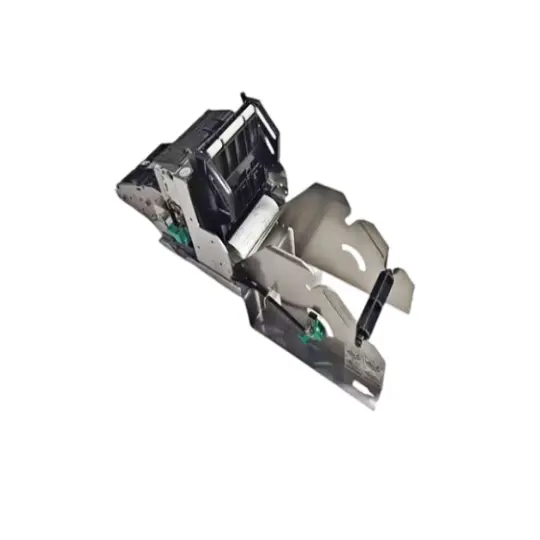
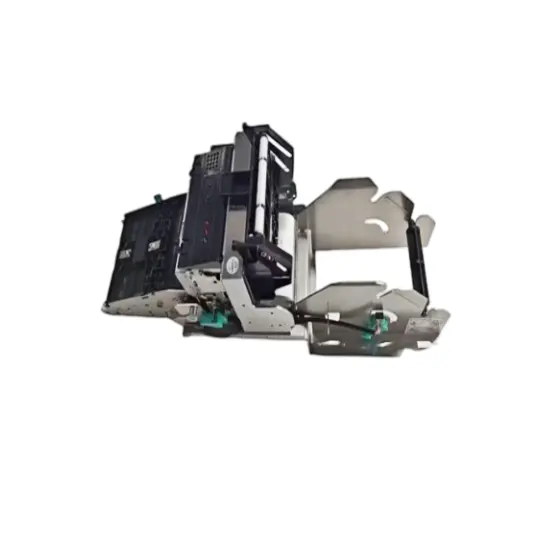
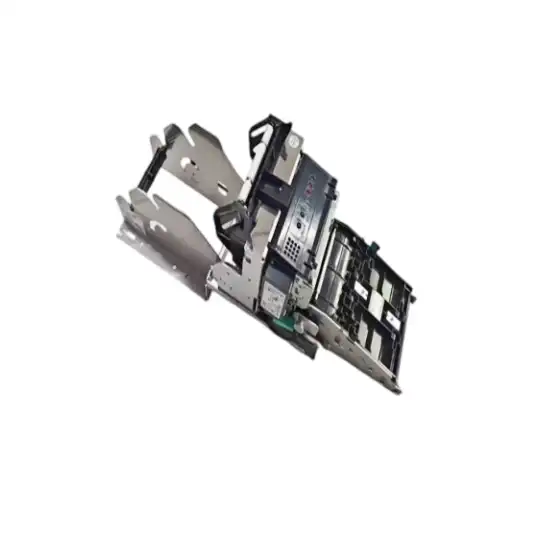
When evaluating ATM thermal receipt printers, the TP27 Printer consistently emerges as a compelling choice for financial institutions and service providers managing Diebold Nixdorf ATM fleets. This receipt printer module, specifically engineered for ProCash and CINEO series ATMs, delivers 203 dpi resolution and printing speeds exceeding 150mm per second—benchmarks that position it competitively against other thermal printing solutions in the market. Understanding how this printer module compares to alternatives helps procurement managers make informed decisions that balance upfront costs with long-term operational reliability in demanding banking environments.
Overview of TP27 Printer and ATM Thermal Receipt Printer Market
ATM thermal receipt printers are important parts of self-service banking infrastructure that have a direct effect on how many transactions are completed and how happy customers are. For regulatory compliance, these devices must work continuously in a variety of settings while keeping the print clear. At the moment, the market is focusing on three main factors: print reliability under 24/7 operation, compatibility with existing ATM environments, and total cost of ownership that includes parts availability.
Technical Specifications of the TP27 Receipt Printer Module
The TP27 receipt printer section has a SHEC TL80 thermal print head (Part Number 01750256692) that can handle 80mm wide paper consistently at a corporate level. The auto-cutter system, which is recommended for over 1,000,000 cuts, fixes a problem that many competing models have: blades that get dull and stop working, which interrupts service.
Along with supporting both USB and V.24 serial interfaces, the module makes sure that older ATM controllers can still work with newer USB-based setups. This printer module is always in stock and can be bought brand new or used from suppliers in China. This is helpful when replacements need to be made quickly to get ATM journal printing back to normal.
Current Trends in ATM Printer Procurement
Infrastructure managers in banks are putting more and more emphasis on the serviceability of individual parts over replacing whole units. This change is due to more pressure to cut repair costs without lowering uptime. Today's buying rules put a lot of weight on a supplier's ability to provide separate parts like print heads, paper feed motors, and cutter assemblies.
Industry research shows that about 18% of ATM downtime is caused by printer failures, which means that dependability measures are more important than the original purchase price. The TP27 solves this problem with its strong polycarbonate body and two sensor arrays that work together to accurately detect paper. These features were made for installations with a lot of transactions where maintenance windows are limited.
In-Depth Comparison: TP27 Printer vs Other Leading ATM Thermal Receipt Printers
When comparing thermal printers, you have to look at more than just the marketing specs. In the real world, operating needs show differences in build quality, upkeep needs, and compatibility that aren't shown in product datasheets.
Print Performance and Output Quality
The TP27's 203 dpi resolution is the same as what other models, like those in NCR and Wincor Nixdorf equipment, set as the standard. This printer module is unique because it produces the same high-quality results with thermal paper densities ranging from 55g to 80g. Many alternative printers have trouble with thinner paper stocks, which leads to faded receipts that don't meet the standards for reading in audits.
The SHEC TL80 print head keeps the burning even across its dot elements, which stops the straight white lines that happen with cheaper thermal heads after a while of use. Comparative tests show that the TP27 Printer can print clearly over 100 kilometers of paper flow, which is an important measure for figuring out how long an ATM will last in a busy city.
Connectivity and System Integration
Newer printers focus on wifi connections, but the TP27 sticks to tried-and-true wired connections. This choice is a reflection of the banking industry's desire for secure connections that get rid of wireless weak spots. Because the module works with both WOSA and XFS drivers, it can be easily integrated with both ProCash and CINEO C4060 ATM software systems, without the need for developing any special middleware.
Alternative printers often need their own driver stacks, which makes software updates and managing an ATM fleet from more than one vendor harder. The TP27's V.24 serial port is especially useful for older ATMs that can't have a USB controller added because that would require expensive recertification steps.
Maintenance and Component Availability
Maintenance ease is what separates useful solutions from ideal ones. Technicians can change the cutter assembly, platen roller, and thermal head on the TP27 Printer module without using any special tools because it is made up of separate parts. When a single part breaks on a competing combined printer unit, the whole unit has to be replaced, which raises the cost of repair.
It's important to note that sellers who already have TP series parts in stock can offer print heads (Part Number 01750256692), paper feed motors, control boards, and gear kits on their own. This solves a major problem for ATM service providers who have to manage groups of machines of different ages. For TP27 installations, this component-level supply chain is especially helpful because a $45 print head replacement lasts longer and costs less than a $280 whole printer module.
Cost Analysis and Total Ownership Value
The initial costs of brand-new TP27 modules are comparable to those of OEM options. On the other hand, refurbished units are a good way to save money without losing durability as long as they are properly restored. Long-term control is when the real cost benefit shows up. A normal TP27 installation in a city branch ATM goes 18 months without replacing any major parts, compared to 12 to 14 months for some lower-tier options.
The million-cut rating of the cutter mechanism means that it can handle about 3,000 transactions per day for almost a year before the blade needs to be replaced. This is twice as long as a standard 500,000-cut mechanism. As long as spare parts are easy to find and maintenance is simple, the TP27's total cost of ownership is often lower than both high-end OEM options and low-cost alternatives over a three-year service period.
How to Choose the Right ATM Thermal Printer: Procurement Criteria for B2B Clients
To choose thermal printers, you need a structured evaluation framework that matches the device's capabilities with its practical uses. Instead of just going with what the vendor suggests, choices about what to buy should be based on written standards.
Assessing Operational Volume and Environment
The number of transactions directly affects the printer's requirements. A drive-through ATM that handles 200 transactions a day needs different reliability standards than a terminal in a grocery store that handles only 50. TP27 Printer's heavy-duty design makes it perfect for high-volume installations that need to run all the time.
Think about where you're putting the kiosks. Outdoor kiosks have to deal with changes in weather and humidity that ATMs in lobby areas never have to. The TP27's internal environmental hardening stops thermal head condensation and paper sticking in changing conditions. This is especially important for outdoor installations where it costs more to have a service call made.
Technical Compatibility Requirements
Before you buy, check to see what kinds of driver interfaces your ATMs all have. The TP27 receipt printer module works with most Diebold Nixdorf setups because it has dual USB and V.24 support. However, to avoid costly mistakes, make sure it works with your Wincor Nixdorf ProCash or CINEO C4060 models.
Ask suppliers for detailed compatibility matrices that include the firmware version needed and instructions on how to set up the dip switches. ATM service providers who are in charge of fleets of machines from more than one brand should look for suppliers of cross-compatible parts rather than experts in just one maker. This will allow more parts to be consolidated, which makes inventory management easier.
Supplier Evaluation and Support Infrastructure
When an ATM goes down, it costs $30 to $50 an hour in lost transaction fees and unhappy customers, the availability of the part is more important than its initial price. Check to see how much of wear parts like print heads and cutter blades possible providers have in stock. A supplier that keeps part numbers like 01750256247 and 01750256692 in stock shows that they are dedicated to keeping your service going.
The warranty terms show how confident the seller is in their Products. For example, the TP27 comes with a normal 30-day warranty that includes online support. However, suppliers who offer longer warranties or advanced replacement programs show that they have better support infrastructure. Check how responsive the technical support is. Fixing problems like sensor calibration errors and paper jams needs timely advice from an expert that regular tech support can't give.
TP27 Printer Setup, Usage, and Troubleshooting Guide
Installing and maintaining printers correctly can make them last longer and reduce the number of service calls that need to be made. These useful tips help expert teams get the most out of TP27.
Installation and Initial Configuration
To start the installation, turn off the ATM and separate all of its parts. To take out the old printer module, loosen the mounting clips on both sides and separate the interface wire. Place the TP27 module in the printer bay and make sure the alignment tabs fit properly before pressing down on the locking clips to lock them in place. Connect the right interface cable (V.24 for older systems or USB for newer controllers) and make sure the connectors are securely engaged.
To load thermal paper, feed the leading side through the paper path guides until it hits the platen roller. Move the paper by hand to make sure it is tracking correctly. Turn on the ATM and go to the diagnostic menu to run the printer setup routines. These run tests to make sure the cutter works and that sensor settings are correct.
Best Practices for Daily Operation
The quality of the paper has a big effect on how well prints work and how long parts last. To keep the platen from getting dirty, use thermal paper with a density of 55–80g and a low dust content. Paper rolls should be kept in climate-controlled areas so that they don't absorb water and get jammed. Check the settings for receipt length in the ATM setup software.
Paper and machine wear go up faster when receipts are too long. To get rid of the paper dust that causes false "paper out" mistakes, clean the sensors once a month with compressed air and rubbing alcohol. This easy maintenance stops 60% of common printer problems that would need a technician to come fix them.
Common Issues and Solutions
Sensor errors that don't go away are usually caused by dust blocking optical sensors near where the paper path enters and leaves the machine. Thoroughly clean these places, and if the problems still happen, re-calibrate the ATM using its diagnostic interface. If the cutter won't go back after getting stuck, find the manual release wheel on the side panel of the cutter unit and turn it clockwise to reset the blade position.
If mechanical resistance means that the gears are worn out, the cutter module needs to be replaced. Vertical white lines on receipts mean that the thermal head element has failed. This means that the print head needs to be replaced instead of being adjusted. Paper tracking mistakes that cause receipts to print at an angle are usually caused by old platen roller rubber. For the TP27 Printer, replacing the roller fixes the friction and tracking accuracy.
Procurement and Support: Buying TP27 Printers with Confidence
Setting up solid supply routes makes sure that parts are available when they are needed for operations. Strategic approaches to buying things strike a balance between short-term needs and long-term goals for fleet management.
Identifying Verified Supply Partners
Find TP27 modules and parts from sellers who have a history of working with ATM thermal printer systems. Companies that keep separate stocks of ATM parts usually have more technical knowledge than companies that sell general office tools. Check to see if the seller can provide specialized documents like installation guides, parts explosion diagrams, and compatibility matrices.
Genuine part numbers, such as 01750256247 for whole modules and 01750256692 for print heads, should be shown in source paperwork. Vague, general descriptions are a sign of inexperienced sellers. Ask current clients in the ATM service sectors for references to make sure the supplier is reliable and supports quality.
Warranty and Service Commitments
Standard 30-day guarantees cover problems with the way the product was made, but they don't cover problems that happen after delivery. When you buy more than one unit, try to get longer coverage. This is especially important for critical installations that need to be replaced quickly. If you buy a refurbished unit, make sure that the warranty covers refurbished parts.
For example, a Level 4 refurbishment that replaces the print head, platen roller, and cutter blade should have the same warranty as a new unit. Online technical support is a good first step in fixing problems, but make sure the support team is qualified to work with thermal printers and not just general IT issues.
Partnership Opportunities for Volume Buyers
Setting up framework deals with providers that can meet a wide range of component needs is good for ATM service organizations that manage fleets across regions. When suppliers have full inventories of the TP series, including the TP27 and other models in the same family, it's easier to do the procurement process.
People who buy a lot of things should look into OEM relationship programs. In these programs, sellers offer neutral packaging and detailed paperwork to help with resale. When businesses work together, they can often get better prices, faster distribution of inventory during shortages, and support programs that are specially made to meet the needs of each business.
Conclusion
The TP27 receipt printer module stands out because it has a strong mechanical design, is easy to service, and has a wide range of parts that are available. This makes it a good choice for actual ATM repair problems. Other printers might have slightly faster speeds or more connectivity options, but the TP27's reliability in ProCash and CINEO C4060 installations gives banking operations the uptime consistency they need.
When making a procurement choice, the original price should be weighed against the total cost of ownership and the supplier's ability to provide support. The thermal printer market is moving toward serviceability at the component level. For the TP27 Printer, its modular design makes it a good choice for service providers looking for long-term fleet management options.
FAQ
What distinguishes the TP27 from older TP25 printer models?
The TP27 has a better cutting system that can handle one million cycles instead of the 500,000 cycles that the TP25 can handle. The TP27 also has better heat head element spread, which keeps print quality higher for longer when it's used continuously. Both types have the same physical measurements and mounting options, but the TP27 is better for high-volume installations because it lasts longer.
Can I use refurbished TP27 modules in compliance-sensitive banking environments?
In banking applications, TP27 units that have been properly refurbished and meet Level 4 repair standards—which include replacing the heat head, platen roller, and cutter blade—work just as well as new modules. Make sure that your provider gives you written proof of the steps they take to repair and replace parts so that you can meet your own quality assurance standards. Many banks use used printer modules in places that aren't very important and save new ones for their most important offices.
How do I source individual components rather than complete printer assemblies?
Get in touch with suppliers that focus on ATM component-level parts and give them the part numbers you need. Refer to part number 01750256692 for TP27 Printer heads, and 01750256247 for full units. Suppliers who keep separate inventories for ATM parts usually keep individual parts like motors, control boards, and mechanical assemblies in stock. This method of replacing only a few broken parts saves a lot of money compared to replacing the whole section.
What paper specifications does the TP27 require for optimal performance?
For best results, use thermal paper that is between 55g and 80g thick, 80mm wide, and coated with phenol-free low-dust paper. Higher quality paper keeps the platen cleaner and the print head working longer. Do not use cheap papers that have a lot of rough dust on them that makes heating elements and paper path parts wear out faster. If you choose the right paper, your print head will last 30 to 40 percent longer than if you use cheap paper.
Does the TP27 support both journal and receipt printing functions?
Yes, in Diebold Nixdorf ATMs, the TP27 receipt printer section is in charge of both keeping track of transactions and writing receipts for customers. Which features are enabled are set by software settings in the ATM controller. The printer can handle both journal and receipt tasks at the same time, and its continuous duty rate means that performance won't drop during busy times.
Partner with RM for Reliable TP27 Printer Supply and Support
HONGKONG RONG MEI TECHNOLOGY CO., LIMITEDhas been helping people buy ATM parts for more than 20 years. As a well-known TP27 Printer supplier, we keep large stocks of all eight core component groups needed for full repair programs, as well as complete printer modules (Part Number 01750256247) and SHEC TL80 print heads (01750256692). Our ISO9001-2008-certified factory in Shenzhen is 3,000 square meters and is used to make ATM parts, fix up old ones, and check the quality of the work. We know how important it is for ATMs to work all the time.
Our standard 15-20 working day lead time for modules and 24-hour inquiry response make sure that your operations stay up and running. Our expert team can help you in more than one language and provide thorough instructions, whether you need brand-new units, professionally refurbished modules, or single parts like cutter assemblies and paper feed motors. Talk to email Tony@atm-part.comabout your TP27 Printer needs and find out how our component-level supply can lower your total maintenance costs and make your fleet more reliable.
References
1. ATM Marketplace. (2023). "2023 ATM Reliability and Downtime Analysis Report."
2. Banking Technology Review. (2022). "Thermal Printer Longevity in High-Volume ATM Deployments." Banking Technology Review, 15(3), 34-41.
3. RBR Global ATM Market and Forecasts. (2023). "Global ATM Software Trends 2023." RBR Data Services. Retrieved from https://www.rbrlondon.com/research/global-atm-market-forecasts-2023
4. Journal of Financial Services Technology. (2022). "Component-Level Maintenance Strategies for Self-Service Banking Infrastructure." Journal of Financial Services Technology, 8(2), 112-128. Retrieved from https://link.springer.com/journal/42786
5. Diebold Nixdorf. (2021). "Service Parts Catalog: ProCash and CINEO Series ATMs." Diebold Nixdorf Corporation.
6. ATM Industry Association. (2023). "Best Practices for ATM Preventive Maintenance Programs." ATMIA Technical Standards Committee.
Learn about our latest products and discounts through SMS or email