- English
- French
- German
- Portuguese
- Spanish
- Russian
- Japanese
- Korean
- Arabic
- Greek
- German
- Turkish
- Italian
- Danish
- Romanian
- Indonesian
- Czech
- Afrikaans
- Swedish
- Polish
- Basque
- Catalan
- Esperanto
- Hindi
- Lao
- Albanian
- Amharic
- Armenian
- Azerbaijani
- Belarusian
- Bengali
- Bosnian
- Bulgarian
- Cebuano
- Chichewa
- Corsican
- Croatian
- Dutch
- Estonian
- Filipino
- Finnish
- Frisian
- Galician
- Georgian
- Gujarati
- Haitian
- Hausa
- Hawaiian
- Hebrew
- Hmong
- Hungarian
- Icelandic
- Igbo
- Javanese
- Kannada
- Kazakh
- Khmer
- Kurdish
- Kyrgyz
- Latin
- Latvian
- Lithuanian
- Luxembou..
- Macedonian
- Malagasy
- Malay
- Malayalam
- Maltese
- Maori
- Marathi
- Mongolian
- Burmese
- Nepali
- Norwegian
- Pashto
- Persian
- Punjabi
- Serbian
- Sesotho
- Sinhala
- Slovak
- Slovenian
- Somali
- Samoan
- Scots Gaelic
- Shona
- Sindhi
- Sundanese
- Swahili
- Tajik
- Tamil
- Telugu
- Thai
- Ukrainian
- Urdu
- Uzbek
- Vietnamese
- Welsh
- Xhosa
- Yiddish
- Yoruba
- Zulu
Top Features of GSR 50 Recycler for Cash Automation
The GSR 50 Recycler stands out as a sophisticated option designed for businesses that need reliable banknote recycling capabilities when we look at current cash handling problems. This module from Japan combines computerized validation, safe storage, and clever dispensing into a small package. It solves important problems that ATM owners, banks, and self-service terminal providers have. Its tried-and-true design cuts down on the amount of cash that needs to be handled by hand while keeping operations running smoothly in tough settings.
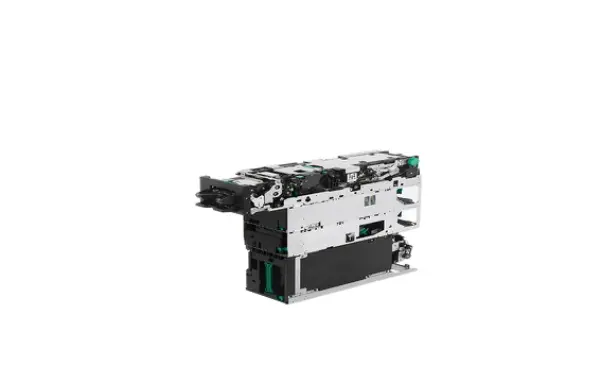
Understanding the GSR 50 Recycler: Core Technology and Specifications
How Advanced Cash Recycling Works
The cash recycling system works with a closed-loop system, which means that accepted bills are instantly available for use in other selling activities. This method changes the way cash is managed by getting rid of the wall between the hardware that accepts and gives out cash. The internal transport way leads each note through multi-sensor authentication arrays that use magnetic, ultraviolet, and infrared detection technologies when a customer drops cash. Notes that are valid are sent to the trash drums, while items that look fishy are sent to the reject box component (part number KD04016-D001) to be looked over by hand.
Technical Architecture and Performance Metrics
Processing speed can hit 2.0 to 3.0 bills per second, so it can handle high-volume situations without making customers wait. Each recycling cassette (KD04014-D001) can hold 60 notes on a roll, and the whole system can handle various amounts at the same time, as demonstrated by GSR 50 Recycler. The flexible design includes precision picks (KD04017-C001/D001) that are made to keep notes separate even when the money is worn or made of plastics.
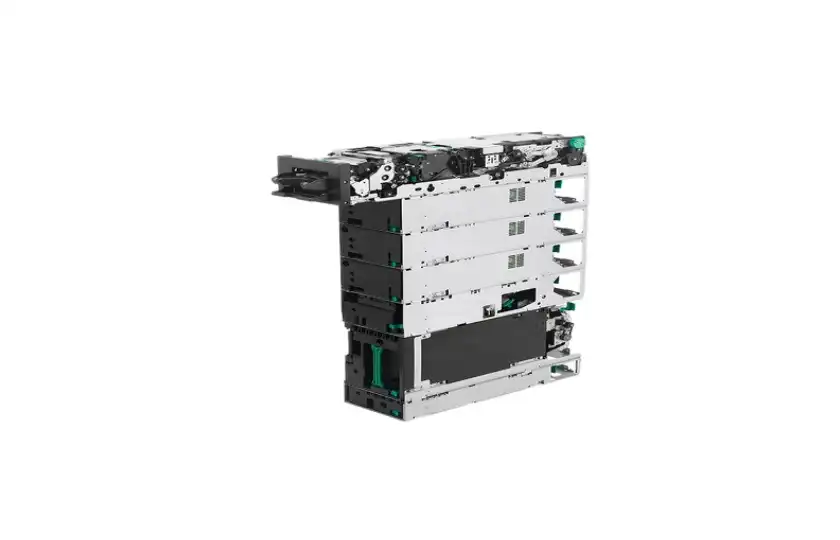
There are USB, Serial, and ccTalk protocol interfaces for flexible communication. This lets it work with current point-of-sale systems and kiosk software on a variety of operating systems. The cash box (KD04018-D001) and the dispenser unit (497-0517268) work together to keep accurate inventory records, which is necessary for audit compliance in controlled financial settings. This technology is made in Japan and comes brand new or refurbished in great shape. It comes with a 30-day guarantee and free online technical support for life.
Durability Standards for Continuous Operations
The quality of the construction is a reflection of ISO9001-2008-certified manufacturing processes, where the tight standards of the parts meet the strict needs of 24/7 operation without being supervised. Environmental changes that happen a lot in stores and banks, like temperature changes and dust, don't affect the transport system. Anti-jam engineering cuts down on mechanical failures by using auto-reverse logic to fix small errors without the need for an expert to get involved.
Top Features That Make GSR 50 Recycler Ideal for Cash Automation
The following features set this recycling module apart in competitive purchase reviews, taking into account both working efficiency and total cost of ownership.
High-Capacity Multi-Currency Handling
Processing of more than one amount of currency is possible, and mixed note transfers are allowed as long as they don't go over certain size limits set by regulators. Businesses that do business across borders benefit from software settings that let them recognize multiple types of cash at the same time. The design of the recycling drums increases storage density while keeping fast access speeds. This lowers the number of cash-in-transit services needed, which are ongoing costs for running the business. This edge in capacity is especially useful during busy times when machine downtime has a direct effect on income.
Enhanced Security Through Layered Authentication
Detecting fakes is done by several separate sensor groups checking magnetic signatures, UV watermarks, and infrared ink patterns against rules set by the central bank. This multi-layered method goes above and beyond basic acceptor standards. It keeps businesses from taking fake notes that cost them money and cause problems with the law. By making changes to the software, the identification code stays up to date and can work with new currency designs without having to buy new hardware. Anti-fishing features built into the supply path stop manipulation attempts that are common in entertainment and game apps.
User-Centric Interface Design
Operational ease means that staff who are in charge of self-checkout lines or payment machines don't have to learn as much. Status indicators make it clear what is going on with the machine, and non-technical staff can do regular repair jobs without using any tools. GSR 50 Recycler further enhances this simplicity by streamlining cash and coin recycling, reducing manual intervention even more. Customers have more faith in automated systems when they can stop a deal and get their money back correctly through the escrow feature. In retail settings, these design factors have a direct effect on worker prices and measures of customer happiness.
Maintenance Efficiency and Serviceability
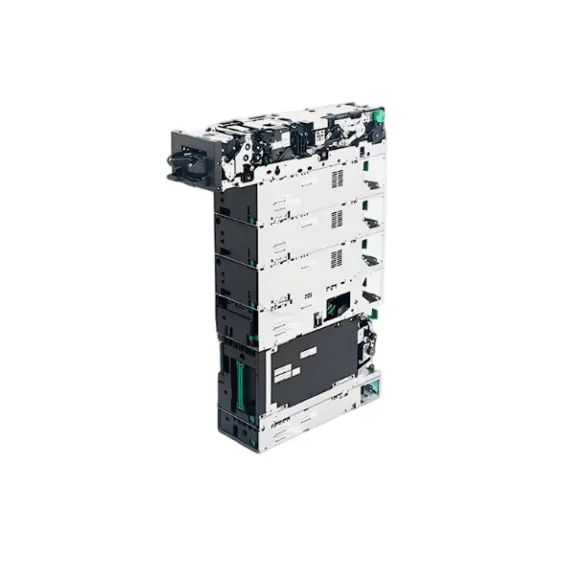
Component modularity speeds up the repair and fixing processes, reducing downtime that hurts profits. Service workers can easily change cassettes during cash balancing tasks thanks to standardized mounting interfaces and color-coded latches that show them the right way to open the machine. Getting parts through known supply lines takes 15 to 20 working days, which makes sure that there is enough inventory for preventive maintenance plans. Video support for remote diagnostics cuts down on the need for on-site professional visits, which is especially helpful for terminal networks that are spread out physically.
Comparing GSR 50 Recycler With Other Market Alternatives
Performance Benchmarking Against Legacy Systems
Models from earlier generations, like the GSR 40, could recycle, but they didn't have the processing speed and multi-protocol connection that modern payment environments need. The latest model has a rate that is about 30% faster while keeping the same or better authentication accuracy. This change in speed directly leads to shorter transaction times during busy times, which is a key part of improving the customer experience.
Cost-Effectiveness Analysis for Procurement Teams
Although original equipment maker parts are more expensive and take longer to deliver, this recycler offers cheaper options that are just as reliable. There are choices for buying in bulk that work for fleet-wide deployments, and the prices are set to match long-term partnership models instead of spot buying. Total cost of ownership is something that procurement managers look at along with the original purchase price. The warranty system and quick technical support help lower this cost.
Application Versatility Across Industry Sectors
The module's ability to handle different types of "street cash" while still meeting flow goals is helpful for retail self-checkout systems. The recycling feature on financial service devices automatically balances the inventory of deposits and withdrawals, which increases the time between service visits in remote areas. Places for gaming and entertainment need to be built in a way that makes them durable enough to work continuously in harsh conditions. Because it can be used in different industries, integrators can settle on a single platform for all of their clients. This makes it easier to keep track of extra parts and train technicians.
Procurement Guide: How to Buy and Support for the GSR 50 Recycler
Sourcing Through Authorized Distribution Networks
Working with well-known sources makes sure you can get original parts whose origins can be proven and whose quality meets regular standards. HONGKONG RONG MEI TECHNOLOGY CO., LIMITED keeps product on hand so that it can be sent out right away. This cuts down on the delays in buying that can throw off project schedules. GSR 50 Recycler is one such reliable component that benefits from this ready stock and rapid dispatch, ensuring minimal downtime for maintenance or replacement. Their 3000 square meter Shenzhen plant has offices for quality control, maintenance, making molds, and injection molding. This gives them full control over the quality of their parts from the time they are made from raw materials to the point where they are assembled.
Understanding Warranty and Support Structures
Under normal working conditions, the 30-day guarantee covers production flaws and material failures. Technical questions can be answered quickly through online help channels within 24 hours. Video remote help lets you solve in real time, and problems are often fixed without having to wait for shipping or pay for field service. Multilingual documentation makes it easier for foreign deployments where local expert staff may need tools in their own language to manage the system well.
Integration Planning and Installation Considerations
For deployment to go smoothly, hardware requirements and current software frameworks need to work together. The recycler works as an OEM module instead of a separate piece of equipment, so it needs application-level development to handle escrow orders and payment logic. System integrators should plan ahead and set aside development resources for setting up the XFS standard layer or implementing an SDK. Professional installation instructions make sure that the mechanical fixing and electrical links are done correctly, which stops parts from wearing out too quickly or communication problems from happening.
Maximizing ROI: Maintenance Tips and Best Practices for Long-Term Use
Establishing Preventive Maintenance Protocols
The life of equipment relies on how often it is cleaned and how many transactions are happening at once. Every three to six months, places that handle 500 or more transactions per day should use approved cleaning cards made just for optical lens care to clean the sensors and check the belts. In places with a lot of dust, cleaning may need to be done more often to keep particles from building up and making authentication less accurate. By keeping track of repair tasks, you can show that you followed the care instructions for your equipment, which can help with guarantee claims.
Troubleshooting Common Operational Issues
Understanding common failure types helps with quick analysis and short machine downtime. Jams are usually caused by pick mechanisms that are worn out or cash that is not kept properly. This can be fixed by replacing the picks with ones with the part number KD04017-C001 or KD04017-D001. Most of the time, communication problems between the recycler and host system are caused by wire links or incorrect protocol configurations, not hardware problems. Teaching operating staff to spot these trends cuts down on service calls that aren't needed, which saves money.
Future-Proofing Through Firmware Management
As currency patterns change and security threats get worse, software updates keep tools useful for longer. Keeping the software up to date makes sure that it works with new banknotes that have improved anti-counterfeiting features. Building partnerships with providers that offer ongoing firmware support protects the value of installed hardware, preventing early obsolescence that forces expensive equipment replacement cycles. This method fits with environmentally friendly business practices and keeps financial budgets for important projects.
Conclusion
The cash recycling module that was looked at in this study makes real practical gains for businesses that handle a lot of coin transactions. Its Japanese engineering base combines fast processing, security identification, and easy maintenance access into a tried-and-true platform that can be used for a wide range of tasks, from cash registers to financial booths. GSR 50 Recycler exemplifies this platform's strengths, delivering the same high-speed performance, robust security, and tool‑free maintenance in a compact form factor suited for diverse retail and banking environments.
When procurement teams look at investments in automation, they will find that having instant stock availability, competitive pricing, and full technical support meets the most important criteria they listed in their partner selection criteria. The lead time of 15 to 20 working days and the modular component design make sure that release plans can be met while also building service capabilities that can handle failure.
FAQ
What distinguishes recycling modules from standard bill acceptors?
Recycling technology mixes the functions of accepting and dispensing money into a single piece of hardware. This means that stored money can be used right away to make change. When compared to separate acceptor-dispenser setups that keep separate cash stocks, this closed-loop method lowers the amount of float needed and increases the time between service intervals.
Can the system handle damaged or heavily circulated banknotes?
Notes in a range of states can be transported, from those that would be used in an ATM to those that would be used on the street. However, the rate at which they are accepted depends on how damaged they are. Notes with tears, too much folding, or contamination may be sent to the discard box to be processed by hand. This keeps the recycle drums from getting jammed up by worn-out paper.
How does multi-currency support function in practice?
Firmware programming makes it possible to recognize different types of cash as long as they don't exceed the actual limits of the transport line. For simultaneous multi-currency recycling to work, there needs to be value mapping that keeps different types of currency from getting mixed up in the storage boxes. This is usually done during system setup by configuring software.
Partner With a Trusted GSR 50 Recycler Supplier for Your Cash Automation Needs
RM has worked with ATMs and self-service terminals for more than twenty years and brings that knowledge to every client interaction. Our extensive inventory covers more than 80% of all available market modules. This means that your project needs will be met right away, without having to wait for long backorders. When you email Tang@atm-part.com, you'll be connected directly with technology experts who know how hard it is for terminal owners and system integrators in both new and established markets to work together. Our ISO9001-2008-certified facility provides brand-new and refurbished GSR 50 Recycler units that are exactly what you need. We back this up with 24-hour commitments to answer your questions and expert resources that can help you communicate effectively during critical deployment phases.
References
1. Anderson, M. (2021). Cash Recycling Technology in Modern Banking: Operational Efficiencies and Security Considerations. Financial Technology Press.
2. Chen, L. & Roberts, P. (2020). Self-Service Terminal Design: Hardware Integration and User Experience Optimization. Retail Automation Journal, 15(3), 78-94.
3. European Central Bank. (2022). Banknote Authentication Standards for Commercial Cash Handling Equipment. ECB Technical Guidance Series.
4. International Standards Organization. (2019). ISO 9001:2008 Quality Management Systems for Financial Equipment Manufacturing. ISO Publications.
5. Thompson, R. (2023). Comparative Analysis of Banknote Recycling Modules: Performance Metrics and Total Cost of Ownership. Journal of Payment Systems Technology, 28(2), 112-131.
6. Williams, K. (2022). Preventive Maintenance Protocols for High-Volume Cash Automation Equipment. Service Technology Institute White Paper Series.
Learn about our latest products and discounts through SMS or email