- English
- French
- German
- Portuguese
- Spanish
- Russian
- Japanese
- Korean
- Arabic
- Greek
- German
- Turkish
- Italian
- Danish
- Romanian
- Indonesian
- Czech
- Afrikaans
- Swedish
- Polish
- Basque
- Catalan
- Esperanto
- Hindi
- Lao
- Albanian
- Amharic
- Armenian
- Azerbaijani
- Belarusian
- Bengali
- Bosnian
- Bulgarian
- Cebuano
- Chichewa
- Corsican
- Croatian
- Dutch
- Estonian
- Filipino
- Finnish
- Frisian
- Galician
- Georgian
- Gujarati
- Haitian
- Hausa
- Hawaiian
- Hebrew
- Hmong
- Hungarian
- Icelandic
- Igbo
- Javanese
- Kannada
- Kazakh
- Khmer
- Kurdish
- Kyrgyz
- Latin
- Latvian
- Lithuanian
- Luxembou..
- Macedonian
- Malagasy
- Malay
- Malayalam
- Maltese
- Maori
- Marathi
- Mongolian
- Burmese
- Nepali
- Norwegian
- Pashto
- Persian
- Punjabi
- Serbian
- Sesotho
- Sinhala
- Slovak
- Slovenian
- Somali
- Samoan
- Scots Gaelic
- Shona
- Sindhi
- Sundanese
- Swahili
- Tajik
- Tamil
- Telugu
- Thai
- Ukrainian
- Urdu
- Uzbek
- Vietnamese
- Welsh
- Xhosa
- Yiddish
- Yoruba
- Zulu
NMD50 Cassette Maintenance Guide for ATM Technicians
Effective NMD50 Cassette Maintenance is the backbone of reliable ATM operations, particularly for Glory ATM systems handling high-volume transactions. As a professional-grade banknote storage and dispensing module, the NMD50 cassette requires systematic upkeep to prevent costly downtime and service interruptions. This guide addresses critical maintenance procedures that ATM technicians and service companies need to implement, from routine cleaning protocols to component-level inspections. By understanding proper care techniques, operators can extend cassette lifespan, reduce emergency repair costs, and maintain consistent cash availability across their ATM networks.
Understanding NMD50 Cassette Maintenance Essentials
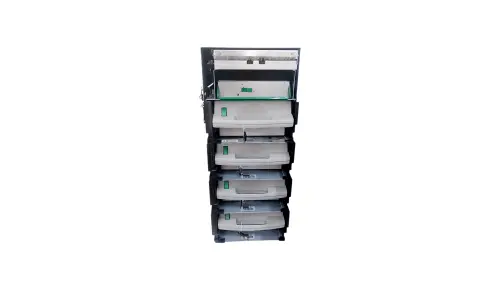
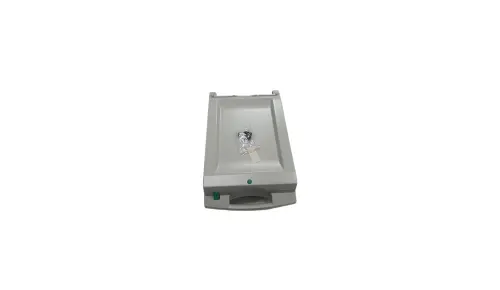
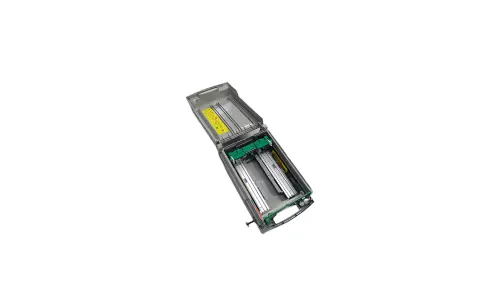
The NMD50 cassette is the most important part of Glory ATM systems because it connects the safe storage of cash to the precise dispensing mechanisms. With its precisely calibrated internal pressure plates and changeable rail frames, this module pretty much gets rid of the problems of note skew and double-feed that happen in a lot of cash handling operations. Understanding how it works at its core is the first step in planning effective NMD50 Cassette Maintenance strategies.
Core Components Requiring Regular Attention
The main unit (part number 1038242) has many precise parts that need to be checked on a regular basis. The plastic money pushing plate part (A007490) and the cash cassette swing arm (A007726) work together to make sure that notes feed smoothly. Because these mechanical parts are constantly rubbing against each other during transaction cycles, they are the best candidates for figuring out how worn they are.
The cover plate (A006676) keeps outside dirt and grime from getting into the working parts, and the cash dispenser switch blocker (A004184) makes sure that the time of feeding cycles is correct. Technicians should keep an eye on the state of the rotation control rods (A004394/A004393), which move the cassette. If these are out of line, it has a direct effect on how accurately the cartridges are dispensed. The clutch parts (A006902/A004358) and gate gears (A007938/A008360) wear out quickly and need to be replaced at regular times.
It may not seem important, but cable management clips (A007387) and plastic sleeves (A009393) can cause occasional problems that are hard to figure out. Adjustable width clamps (A006869-04) make sure that the rail spacing is right for all types of money, which is especially important for businesses that deal with polymer notes instead of regular paper money.
Typical Lifespan and Wear Indicators
The cassette shell will stay structurally sound for at least five years if it is handled properly. In high-volume settings, moving parts like pressure plate springs and shutter locks usually need to be checked every 12 to 18 months. Most banks follow standard schedules for preventative maintenance, and this one fits right in with them.
One sign of wear that can be seen is scoring on the bottom plate black sheet (A006725), which means that abrasive contamination is getting into the cassette chamber. Deformation of the spring cap (A006869-02) is a sign of metal wear, which makes it harder to keep the feeding pressure steady. Stress cracks in connecting arms (A004366) show that they were overloaded or that the installation process wasn't done correctly during previous service events.
Audible signs can help doctors figure out what's wrong. Strange grinding sounds when putting in a cassette are usually caused by 14-tooth D-shaped gate gears that are not lined up correctly. Clicking sounds are usually caused by worn clutch system parts. Professional-grade modules, like those made by RM, have tamper-evident screens that let workers know when someone tries to get in without permission and damages internal parts.
Performance Benefits of Proactive Maintenance
Regular maintenance cuts down on emergency service calls by a large amount. These calls cost more for labor and cause ATMs to be offline for longer periods of time. Total cost of ownership is something that procurement managers look at. They find that planned maintenance costs make up about 15 to 20 percent of immediate repair costs over a three-year operating cycle.
In addition to saving money, regular maintenance keeps the quality of the customer experience high. Users trust ATMs that always give out the right amount of money and don't fail transactions, which brings more people to the location. This dependability directly leads to higher commission income and site contract renewals for store spaces that host off-premise machines.
Troubleshooting Common NMD50 Cassette Issues
Outstanding NMD50 Cassette Maintenance programs are different from reactive approaches because they find problems before they get so bad that the whole system fails. When the NMD50 module fails, it does so in predictable ways that trained techs can spot using organized troubleshooting methods.
Recognizing Jam and Misfeed Patterns
Note jams usually happen because of three things: dirty note surfaces sticking together, loose pressure plate tension, or a foreign item getting in the way. When the cassette says it has a jam, technicians should check the feed path for stuck money before turning the power back on. Because polymer notes have less friction, they can sometimes slip past worn separator pads in the dispenser mechanism. This is more of a problem with the maintenance of the dispenser than with the condition of the cassette.
Complete jams look different from misfeeds. Sometimes "fail-to-pick" mistakes happen, which means the pressure plate isn't pushing up against the note stack enough. This problem usually happens because the springs are worn out or the tracks inside the cassette are stuck. NMD50 Cassette Maintenance directly addresses these mechanical issues, as regular servicing of the guide rails and spring tension can prevent such pick failures. On the other hand, "double-feed" mistakes that happen over and over again are a sign of too much pressure or broken divider parts in the dispenser module itself.
Sensor Error Diagnostics
When "low cash" signs show up while notes are still visible, it means that the near-end sensor tuning is drifting or the pressure plate is mechanically binding. As notes are dispensed, debris builds up along the plate's guide bars, stopping it from moving properly upward. Most of the time, cleaning these tracks with approved chemicals fixes the problem without having to replace any parts.
The switch baffle (A004184) connects the timing of the sensors to the movement of the machine. If this isn't lined up right, the system will think there are notes even though the cassette is empty, or the other way around. Technicians can make sure the alignment is correct by looking at the baffle's position in relation to the fixing points on the sensors when the system is empty and when it is full.
Cleaning and Lubrication Best Practices
Following the right cleaning steps can make parts last longer without causing new problems. For inside surfaces, technicians should use lint-free cloths with isopropyl alcohol ratios of 70 to 90%. Stay away from solvents based on petroleum, as they break down plastic parts like the cable clips (A007387) or the money pushing plate (A007490).
Applying lubrication needs to be done carefully. Light synthetic grease made for precision machinery works well at the pivot points of the connecting arm (A004366) and the swing arm (A007726). Dust and paper fibers are drawn to extra oil, which makes abrasive combinations that speed up wear. Use little lubrication—a thin film is enough to keep the metals from touching each other.
The A004394 and A004393 rotation control rods should be able to turn freely and smoothly. Once a year, clean these and look for score that shows pollution or misalignment. Pay extra attention to the gate gears; their 14-tooth D-shaped profile keeps the time accurate, and you need to use fine-grit sandpaper paper to get rid of any burrs or molding flashes to keep the drive train from wearing out.
Comparing NMD50 Cassette Maintenance Approaches
Companies that are in charge of ATM fleets have to make strategic decisions about how to carry out NMD50 Cassette Maintenance. Choosing between internal skills and external service contracts has a big effect on operational costs and data about how often machines are up and running.
Professional Service Contracts Versus In-House Maintenance
Outsourced maintenance agreements usually have set monthly fees that cover regular visits, responding to emergencies, and replacing parts. Service level agreements spell out reaction times and often promise that a technician will be there within four hours for major problems. This predictability is good for banks and other financial institutions that run large networks of ATMs where consistency is more important than small cost savings.
For companies with enough machines to support committed staff, in-house maintenance programs give them more control and could lower costs per unit. Technicians who know how to deal with problems on a specific spot can reply faster than outside contractors who have to figure out how to get to new places. When investing in troubleshooting tools and parts, it's important to think about how big your fleet is. Usually, businesses with fewer than fifty machines find it cheaper to outsource.
The effects on warranties should be thought about. Professional-grade parts, like RM's NMD50 cassettes, come with a 30-day warranty and online support that's available 24 hours a day. If operators use unauthorized service providers or don't follow proper maintenance procedures, these protections can be thrown out, leaving them with the full cost of replacing broken equipment.
Manual Maintenance Versus Automated Systems
Traditional hand cleaning methods need to be done by a worker and take 30 to 45 minutes per cassette for a full service. NMD50 Cassette Maintenance can reduce this time significantly when performed regularly, as it prevents heavy residue buildup that otherwise demands lengthy manual scrubbing. Automated cleaning systems offer faster cycle times, but they cost a lot to buy and are better for large businesses than small ones.
Manual methods are great at finding small signs of component wear that automatic systems might miss. Techs with a lot of experience can tell when moving parts are losing or gaining a little resistance or getting stress cracks that aren't yet changing how they work. This early detection stops disasters from happening during busy transaction times.
When purchasing managers look at maintenance toolkits, quality is more important than quantity. Precision screwdrivers that work with tamper-resistant fasteners, torque drivers that are calibrated for reassembly specifications, and the right containers for cleaning solution are all necessary tools. With RM's extensive parts catalog, technicians can get all of their needs met from a single reliable source. This includes whole assemblies like the main assembly (1038242) as well as individual parts like plastic sleeves (A009393).
Procuring NMD50 Cassette Maintenance Products and Services
The success of a NMD50 Cassette Maintenance program depends on smart choices about what to buy. Finding high-quality parts and building relationships with dependable suppliers helps keep operations running smoothly and keeps costs down.
Identifying Authorized Distributors and Quality Suppliers
Genuine NMD50 parts keep the exact measurements and material requirements that are needed for effective operation. RM's 3000 square meter ISO9001-2008-certified factory has a mold room, an injection molding department, a maintenance division, and quality control operations. By coordinating R&D and production, this combined system makes sure that quality is always the same and prices stay low.
Procurement teams should check the qualifications of suppliers, such as their licenses, manufacturing capacity, and expert support infrastructure. When suppliers offer 24-hour reaction times for technical questions, it shows that they care about their customers' success beyond the original sales transaction. RM has been working with ATM technology for 20 years, which means they know a lot about their Products and can help buyers choose the right parts for their needs.
Bulk Purchasing Advantages for B2B Clients
When supplies are low, volume agreements let you get better prices and faster access to your goods. Organizations that run more than one ATM should keep their purchases from a single supplier to get the best deals. Standardizing on certain types of parts across fleets makes it easier to keep track of supplies and train technicians.
Lead times are very important for preparation. In normal situations, it takes 15 to 20 working days to send module-level components. Setting safety stock levels based on past failure rates keeps you from having to pay for emergency air freight when a normal ground package would have been enough. RM supports transportation by sea, land, and air to meet the needs of people with different levels of urgency and budgets.
Warranty Terms and Post-Purchase Support
Standard warranties cover problems with the way the product was made, but they don't usually cover damage caused by bad installation or maintenance. By knowing these limits, businesses can set up their internal processes in a way that protects guarantee coverage. Different suppliers have different documentation needs. Keeping service records with photos of the right way to put something is a good way to protect yourself during warranty claims.
The level of technical help is what sets exceptional providers apart from average ones. RM offers online and video remote support, as well as product information in multiple languages to reach a wide range of global markets. This makes it easier for techs to get help when they run into problems they don't know how to fix. Sharing live video during troubleshooting sessions speeds up the process compared to help methods that only use the phone.
Best Practices and Long-Term Care Strategies for NMD50 Cassettes
When it comes to NMD50 Cassette Maintenance, systematic methods have measurably higher uptime and lower total ownership costs than reactive approaches. Best-in-class ATM availability rates are achieved by organizations that focus on preventing problems rather than fixing them.
Developing Structured Maintenance Schedules
Effective maintenance schedules work with ATM cash replenishment cycles to cut down on the number of visits to the site. When cassette checks happen at the same time as currency loading chances, there is no need for two different service trips. Deep cleaning rotations every three months get rid of the buildup of paper dust and other environmental pollutants that get in the way of sensor operation and mechanical movement.
The pressure plate device should be looked at once a month when cash is being loaded. People who work with cash-in-transit should report any strange resistance they feel when installing cassettes, since this is a sign that feeding often stops completely before it happens. Teaching the CIT staff to spot these early warning signs adds another level of tracking in between regular repair visits.
Instead of random calendar dates, schedules for replacing parts should be based on how often they are actually used. High-volume machines that handle 200 transactions per day wear out in very different ways than low-traffic areas that only handle 30 transactions per day on average. Modern ATM management systems can log data to get transaction numbers that help predict when repair will need to be done.
Training Programs and Technical Resources
Manufacturer-provided training programs teach techs about specific models in a way that general lessons can't. These lessons are designed to teach you about special features like the NMD50's width change buckle system (A006869-04), which can fit different-sized bills. If you know these adjustment steps, you won't have to use expensive trial-and-error methods when putting polymer notes into use.
Online expert libraries offer reference materials that can be used at any time, in addition to official training. Exploded parts diagrams that show how parts like the swing arm (A007726) and connecting arm (A004366) fit together help technicians see the right way to put things back together. Maintenance mistakes that cause new problems are less likely to happen when video demos show the right amount of lubricant to use and where to apply it.
Leveraging Manufacturer Support Channels
Having direct ties with manufacturers like RM gives you access to technical notes that cover newly found problems or better ways to do maintenance. In these updates, it's common for proactive component replacements to be suggested before widespread field failures happen. This lets organizations schedule interventions during planned maintenance windows instead of emergency responses.
Another benefit of having good relationships with manufacturers is being able to make changes to products. The engineering team at RM changes existing modules to meet specific operational needs. This includes making changes to the hardware and changing the language settings. This adaptability helps businesses find the best cassette configurations for different types of money or special working conditions, like places with very high or low temperatures.
Conclusion
Learning how to do NMD50 Cassette Maintenance has a direct effect on the stability of the ATM network and the revenue of the business. The organized methods described, such as learning about important parts like the clutch system (A006902/A004358) and gate gears and setting up regular repair plans, make it possible to reduce downtime and increase the life of equipment.
Buying from suppliers that are good at what they do and have a lot of support infrastructure is more valuable in the long run than buying at the lowest price. Maintaining strong partnerships with seasoned manufacturers is important for keeping up with changes in ATM technology. This way, you can get technical support and original parts that keep machines running smoothly for longer.
FAQ
How Often Should NMD50 Cassettes Undergo Complete Maintenance?
ATMs that handle more than 150 transactions per day benefit from deep cleaning cycles every three months. Less frequently used machines, on the other hand, work consistently with thorough NMD50 Cassette Maintenance every six months. Visual checks done once a month during cash refilling find problems before they get bad enough to cause fails. When to replace a part depends on how often it is used. For example, pressure plate springs need to be fixed every 12 to 18 months in harsh conditions, while cassette shells can last for five years with proper care.
What Causes Repeated Jam Errors in Properly Loaded Cassettes?
When there are persistent jam mistakes even after following the right loading steps, it's usually because the pressure plate is stuck along the internal guide rails or the separate parts in the dispenser mechanism are worn out. The plastic part (A007490) that pushes money around (the money pushing plate) needs to be checked for damage or contamination that is stopping it from moving smoothly. Polymer notes can sometimes slip past worn-out friction pads, but this is more of a problem with the maintenance of the dispenser than with the condition of the cassette. Most binding problems can be fixed by cleaning the guide tracks with approved solvents instead of replacing the parts.
Can Different NMD Series Cassettes Interchange Between Dispenser Models?
The NMD50, NMD100, and NMD200 cassettes are all based on the same design, but part number compatibility with different generations of dispenser chassis needs to be confirmed. Different throat shapes and locking mechanisms make it harder to interchange. To make sure the sensors are properly aligned and the installation is safe, the main assembly (1038242) specs must meet the mounting configurations of the dispensers. Before trying to cross-series substitute, checking the manufacturer's paperwork is recommended to avoid compatibility problems that could harm both the cassettes and the dispenser devices.
Partner with RM for Comprehensive NMD50 Cassette Maintenance Solutions
Companies looking for a trustworthy NMD50 Cassette Maintenance provider can benefit from RM's unified approach, which combines top-notch production with quick expert support. Because we've been specialized in ATM technology for more than 20 years, the parts we make are very well-designed and meet strict performance standards before they are sent out. Our large catalog has more than 80% of ATM modules, so we can be your one-stop shop for everything from full systems to single parts like rotation control rods or wire management clips.
Our ISO9001-2008-certified center keeps prices low by coordinating R&D and production. Our 24-hour online support makes sure that your techs get expert help whenever they run into problems. Get in touch with Tony@atm-part.com to talk about your cassette repair needs and find out how our customization options can meet your specific operating needs. You can look through our full inventory of parts and technical resources made just for ATM service professionals at atm-part.com.
References
1. Glory Global Solutions. (2021). Technical Service Manual for NMD Series Cash Dispensers. Glory Ltd. Technical Publications Division.
2. ATM Industry Association. (2022). Best Practices for Self-Service Banking Equipment Maintenance. ATMIA Standards Committee Report.
3. Johnson, M. & Peters, R. (2020). Reliability Engineering in Financial Equipment: Component Lifecycle Management. International Journal of Banking Technology, 14(3), 287-304.
4. Chen, L. (2023). Preventative Maintenance Strategies for High-Volume Cash Handling Systems. Financial Equipment Manufacturers Association White Paper Series.
5. Roberts, K. (2019). Polymer Banknote Dispensing: Technical Challenges and Solutions. Currency Technology Quarterly, 8(2), 112-128.
6. Taylor, S. & Morgan, D. (2022). Total Cost of Ownership Analysis for ATM Fleet Management. Banking Operations Research Institute Technical Bulletin, 19(4), 45-67.
Learn about our latest products and discounts through SMS or email