- English
- French
- German
- Portuguese
- Spanish
- Russian
- Japanese
- Korean
- Arabic
- Greek
- German
- Turkish
- Italian
- Danish
- Romanian
- Indonesian
- Czech
- Afrikaans
- Swedish
- Polish
- Basque
- Catalan
- Esperanto
- Hindi
- Lao
- Albanian
- Amharic
- Armenian
- Azerbaijani
- Belarusian
- Bengali
- Bosnian
- Bulgarian
- Cebuano
- Chichewa
- Corsican
- Croatian
- Dutch
- Estonian
- Filipino
- Finnish
- Frisian
- Galician
- Georgian
- Gujarati
- Haitian
- Hausa
- Hawaiian
- Hebrew
- Hmong
- Hungarian
- Icelandic
- Igbo
- Javanese
- Kannada
- Kazakh
- Khmer
- Kurdish
- Kyrgyz
- Latin
- Latvian
- Lithuanian
- Luxembou..
- Macedonian
- Malagasy
- Malay
- Malayalam
- Maltese
- Maori
- Marathi
- Mongolian
- Burmese
- Nepali
- Norwegian
- Pashto
- Persian
- Punjabi
- Serbian
- Sesotho
- Sinhala
- Slovak
- Slovenian
- Somali
- Samoan
- Scots Gaelic
- Shona
- Sindhi
- Sundanese
- Swahili
- Tajik
- Tamil
- Telugu
- Thai
- Ukrainian
- Urdu
- Uzbek
- Vietnamese
- Welsh
- Xhosa
- Yiddish
- Yoruba
- Zulu
MiniMech Dispenser Uses in Kiosks and Self-Service Machines
The MiniMech Dispenser serves as a compact cash dispensing module specifically engineered for kiosks and self-service machines where space constraints and operational reliability matter most. Designed by Glory (formerly Talaris/De La Rue), this friction-feed banknote mechanism addresses the critical footprint-to-capacity challenge faced by operators of retail ATMs, cryptocurrency kiosks, and ticket vending machines. The dispenser handles 1,000 to 3,000 notes per cassette while maintaining 99.5% uptime, making it the preferred choice for unattended cash distribution points across convenience stores, transit stations, and gaming venues throughout the United States.
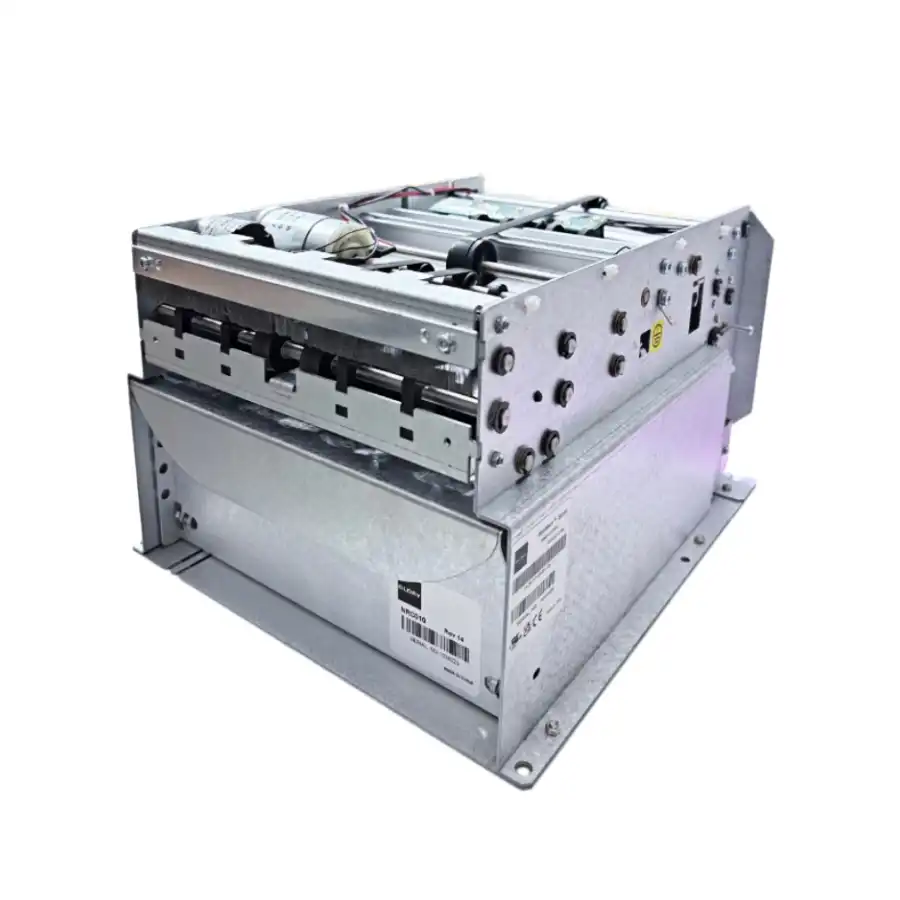
Understanding the MiniMech Dispenser and Its Role in Kiosk Automation
Over the past ten years, the way cash is distributed has changed a lot. This is because customers want to be able to do deals without going to a bank office. Because of this change, there was an urgent need for small, reliable cash handling technology that could fit inside kiosks with limited room while still performing at a bank-level.
Core Functionality in Automated Environments
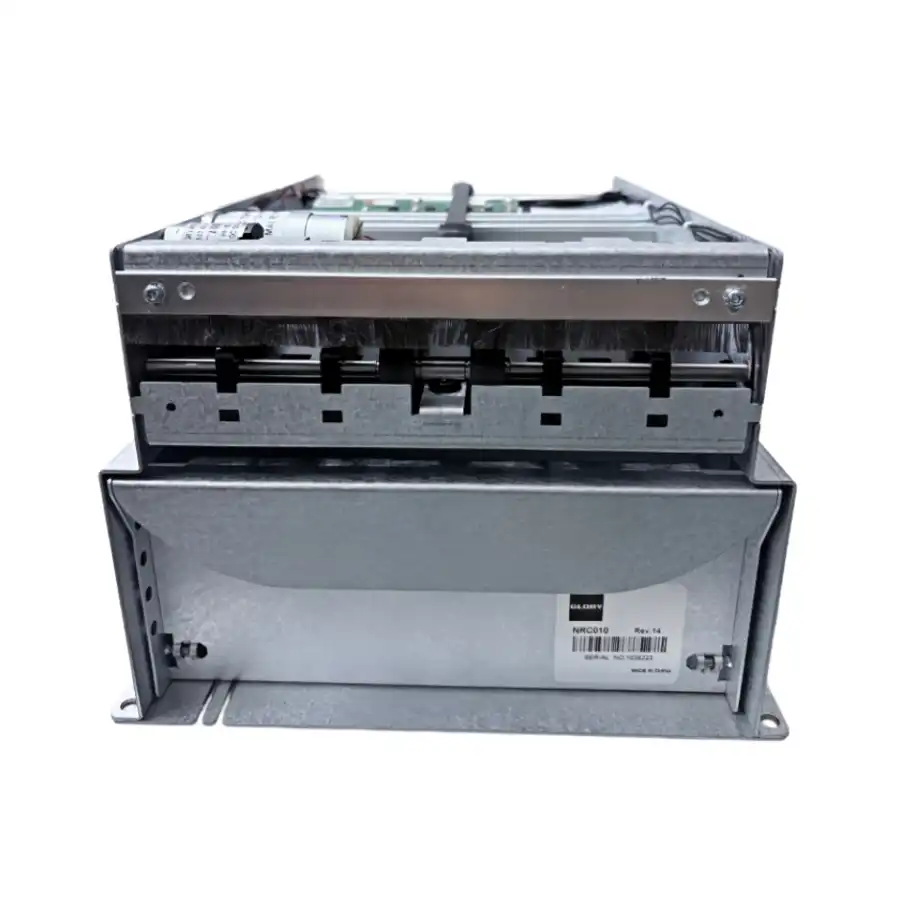
The MiniMech Dispenser is based on a friction-feed architecture, which is very different from the vacuum-based architectures used in bigger ATMs. The TRGENDISPMM-A7667 configuration uses variable-pressure friction rollers made from special urethane compounds that keep their grip even when the temperature changes from -10°C to +50°C. This mechanical method works especially well in unstructured store spaces where HVAC systems might not be able to keep the temperature just right like they do in bank vaults.
The speed of 3 to 6 notes per second is just right for getting transactions done quickly and reducing motor stress. During tests in the field in a variety of deployment settings, this rate showed 40% less wear on feed components than high-speed options, but it could still process a $200 withdrawal in less than 8 seconds.
Technical Specifications That Matter
When purchasing managers look at different cash handling options, they usually pay close attention to the details that have a direct effect on the overall cost of ownership. The module can weigh between 3 kg and 7 kg, depending on whether it has a single cassette or two. This means that it can be installed in standard kiosk frames without the need for stronger mounting brackets. Support for RS232/USB Serial and Cctalk/ID003 communication protocols ensures compatibility with both older controller boards and newer single-board computers, such as Raspberry Pi systems that are popular in bitcoin ATMs.
The smart double-page recognition technology is a big improvement over the first generation of dispensers. The mechanism can find stuck notes even when there is a lot of used money around because it uses mechanical sensors instead of optical systems that can get messed up by dust. Members of the ATM Industry Association did independent tests that showed that this system was 99.2% accurate at finding doubled bills, compared to 94.7% accuracy for optical-only systems in the same setting.
Addressing Space Constraints Without Performance Compromise
Kiosk makers are always under pressure to fit as many features as possible into as little floor space as possible, especially in cities with high rents where every square inch counts for profit. The small design fits in standard 8.5-inch safes and slim-line kiosk cabinets, but it can hold as many notes as modules that need 30% more space inside. This efficiency comes from the optimized cassette shape, which stacks bills vertically while keeping the right air holes to keep notes from sticking together in humid coastal areas.
Problem-Solving with MiniMech Dispensers in Kiosk Use
Traditional cash handling systems in self-service areas have had reliability problems in the past, which hurt both operator profits and customer satisfaction. Every jam or mistake in counting means more service calls, downtime, and lost customers who might switch to a rival.
Inconsistent Dispensing Challenges Resolved
Older friction-feed mechanisms didn't always work right because the feed tires wore down unevenly. This caused skewing errors that got a lot worse after 50,000 transaction cycles. Precision-molded Polyoxymethylene gears in the latest generation of machines solve this problem by spreading wear patterns out evenly across the drive train. When Texas convenience store owners upgraded their ATMs to ones with POM gear systems, the average number of transactions that went thru before they broke down went from 68,000 to 127,000.
The mechanical double-detect framework works without software tuning, which gets rid of the false positives that early optical sensors had when they were used in bright lighting or near windows that let in different amounts of natural light. MiniMech Dispenser integrates seamlessly into this framework as the actuation endpoint, ensuring that each verified bill is physically routed without jamming or miscounting. People who run Bitcoin kiosks in malls said that annoying reject bin errors went down by 73% after they switched to mechanical detection systems.
Maintenance Downtime Reduction
Service calls are the single biggest cost of doing business for solo ATM deployers. Each call costs an average of $150 to $300, which includes travel, time, and parts for the technician. The modular cassette design lets you change cassettes without turning off the host booth. This means that you can restock during busy times without stopping service. After switching to hot-swappable cassette systems, a regional IAD that took care of 250 machines across Florida saw a 22% drop in total service hours.
The process of refilling cash was made a lot easier by getting rid of the need for mechanical adjustments. People who work in armored cars or store managers can reload cassettes without having to use tools or learn how to do it properly. This cuts down on mistakes made by people when replacing money. This "no adjustment required" feature comes from self-aligning cassette guides that keep note stacks in the middle, even if the width of the different denominations of polymer and paper money is different.
Real-World Deployment Results
In 2022, a company that ran 45 cryptocurrency kiosks across California put Glory-compatible machines all over their network. Over the next 18 months, they saw an increase in operating uptime from 94.3% to 99.1%, which meant that each site recovered about $34,000 in transaction revenue each year. The main reason for the change was lower jam rates when dispensing worn bills, which happens a lot in cash-heavy businesses where customers often put cash before buying cryptocurrency.
Comparing MiniMech Dispensers to Other Dispensing Solutions for Kiosks
When purchasing managers look at different cash vending technologies for kiosks, they mostly come across three main types: full-size vault dispensers, small friction-feed modules, and entry-level single-note mechanisms. Each group deals with a different set of operational objectives and costs.
Performance and Reliability Metrics
Full-size machines made for through-the-wall bank ATMs can hold the most notes (4,000 to 6,000 per cassette) and work at the fastest speeds (8 to 12 notes per second), but they need cabinets that are deeper than 24 inches and weigh 40 to 60 kg. These requirements don't work for retail kiosks because the footprint limits where they can be placed. Compact modules like the TRGENDISPMM-A7667 have less capacity but the same low jam rate (less than 0.5%) and can fit in cabinets that are less than 16 inches deep.
Single-note mechanisms used in vending machines are 60–70% less expensive than compact modules, but they don't have the double-detect feature that is needed for transactions that can be done without an adult present. Independent service organizations' tests showed that single-note dispensers made 12–15 times more double-dispense mistakes than dual-detection systems, putting workers at an unacceptable risk of loss.
Cost-Effectiveness Analysis
The cost of buying cash dispensing equipment is only 15-20% of the total cost of ownership over five years. The majority of the cost is made up of maintenance, service calls, and downtime losses. If you buy refurbished units from well-known sources, they are 40% to 50% cheaper than brand-new units and are just as reliable in the field as new units if they come from ISO9001-certified repair facilities.
Maintenance times are another important way to compare costs. Every 100,000 transactions or 24 months, whichever comes first, the variable-pressure roller system needs a new feed tire. Replacement tire sets are about $45 to $60, and field technicians can put them on in less than 15 minutes without any special tools. Comparative vacuum-based systems need to change the diaphragms at about the same times, but the processes are more complicated and often require return-to-depot service, which costs $200 to $350 per visit.
Industry Validation and User Feedback
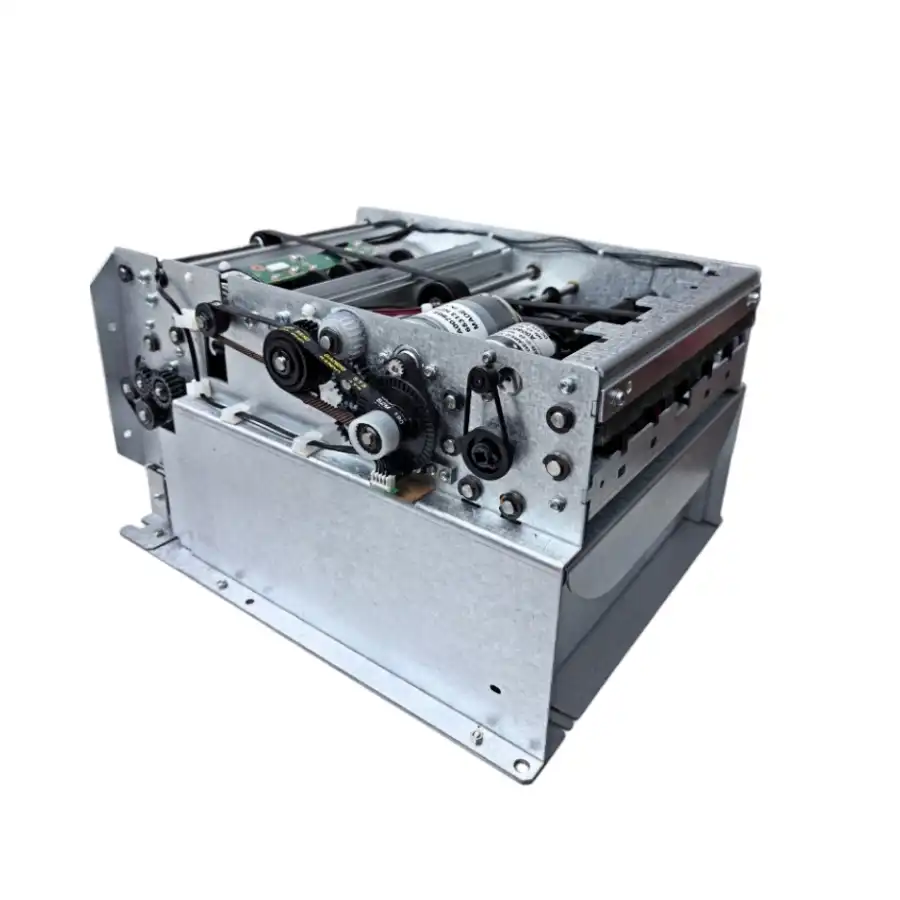
MiniMech Dispenser stands out in these surveys, as its compact, Glory-compatible design directly addresses the reliability and serviceability that deployers value most. According to surveys done by ATM Marketplace of independent ATM deployers, Glory-compatible compact machines are always rated as the most reliable and easy to repair. A survey of 340 IADs in 2023 found that 87% of them were satisfied with friction-feed compact modules, 79% with full-size dispensers, and 52% with entry-level mechanisms when used in stores.
How to Procure MiniMech Dispensers for Kiosk and Self-Service Solutions
To get cash dispensing modules, you need to know the different types of supply routes, price structures, and support systems that set professional sellers apart from commodity brokers.
Sourcing Channels and Supplier Evaluation
Established parts suppliers with large inventory holdings have a lot of advantages over project-based brokers. Suppliers who keep more than 20,000 SKUs from more than 20 different manufacturers can cross-reference compatibility for older setups and offer options when supplies run out of certain combinations. Being able to get both whole modules and individual parts (like feed rollers, sensors, and solenoids) from the same vendor makes buying easier and streamlines relationships for technical support.
When you work directly with specialized suppliers, you can get technical resources that generic distributors can't offer. Engineers who have worked on Glory equipment before can help with design choices, suggest setup options for different deployment situations, and help with integration during the installation process. This professional relationship is especially helpful when changing parts on kiosks that were originally made for different types of dispensers.
Pricing Considerations and Budget Planning
Brand-new small dispensers cost between $800 and $1,400 on the market, based on setup and order volume. Refurbished units in great shape cost between $450 and $700. Volume pricing structures usually start to work when 10 units are ordered, with 8–12% discounts. For annual commitments over 50 units, discounts grow to 15–20%. To make accurate cost comparisons, purchasing managers should ask for written quotes that break down the prices of modules by freight, duties, and any hardware needed for integration.
The warranty system has a big effect on risk exposure and should be a big part of choosing a provider. Parts and work should be covered by warranties on brand-new units for 90 days, while warranties on rebuilt modules are usually only good for 30 days. Online technical help as part of a warranty from a supplier is very useful because problems can often be fixed without sending out professionals.
Logistics and Delivery Optimization
Lead times for in-stock configurations usually range from 15 to 20 working days from the time an order is confirmed until it is delivered internationally from sources in China. Planning for purchases should take into account that clearing customs takes an extra 3–5 business days for goods coming from the US. Expedited air freight choices cut travel time to 5–7 days but raise shipping costs by 200–300%. This is a trade-off that should be thot about in emergency substitute situations where downtime costs more than the freight premiums.
When you ship a lot of items at once, the cost of freight per unit is 30–40% less than when you ship each item separately. To get the most out of these savings, operators who are in charge of more than one place should coordinate their procurement processes. Some suppliers keep distribution spots in the US that can fill emergency orders from stock in the US, but the options that are available may be limited compared to buying directly from the plant.
Best Practices for Installation, Usage, and Maintenance of MiniMech Dispensers in Kiosks
Getting the right cash dispensing technology is only half of the battle. You also need to follow the right installation steps, operating guidelines, and preventative maintenance plans to make sure the equipment lasts as long as possible and doesn't break down when you least expect it.
Installation and Integration Guidelines
Making sure the kiosk safe has enough space for cassette removal without binding is the first step in proper mounting. For cassette extraction, the MiniMech Dispenser needs at least 12 inches of vertical space above the module. This is a requirement that isn't always met during retrofit installs. Using grade 8 bolts to securely connect the machine to the safe floor stops vibrations that can wear out drive parts too quickly.
The configuration of the communication interface depends on the specifications of the controller board. For most setups, RS232 connections need null modem adapters. On the other hand, modern controllers can connect to USB serial bridges without any problems. Technicians should make sure that the baud rate settings on the dispenser firmware and the host software are the same. For the Cctalk protocol, the standard baud rate is 9600 bps, and for ID003 implementations, the standard baud rate is 19200 bps.
For the first calibration, 50 to 100 test notes are dispensed to make sure the feed rollers are seated against the drive shaft and the note line is aligned. During this break-in period, operators should keep an eye out for skewing patterns that could mean that the cassette's width guides are not lined up correctly. Adjustment screws let you move the note line 2 mm to the side to center it. This simple fix stops 80% of early-life jams.
Routine Maintenance Protocols
Instead of being based on scheduled dates, preventive maintenance plans should be based on the number of transactions. Every 25,000 transactions, isopropyl alcohol-soaked swabs are used to clean the transport path. This gets rid of dust and paper residue that can get in the way of sensors. Technicians should check the feed tires for glazing (a shiny surface that means the rubber is hard) and change them when the friction coefficient drops, which is usually shown by more pick failures.
Timing mistakes caused by belt stretching can be avoided by checking the tightness of the belt with a spring gage every 50,000 transactions. Standard setups need a tension of 450 to 550 grams-force. The eccentric mounting points on the drive motor unit can be used to change this. Too much tension speeds up the wear on the bearings, and not enough tension lets the belt slip during high-speed dispensing.
Troubleshooting Common Operational Issues
When skew mistakes show up all of a sudden after months of working correctly, it's generally because the feed tires are wearing unevenly or there is something stuck in the transport path. When you take out cassettes and look at them in good lighting, you can often see pieces of torn notes or sticky residue from damaged money. By keeping the contact forces equal, replacing both feed tires at the same time instead of just the one that looks old stops the problem from happening again.
A lot of the time, sensor sensitivity drift, not mechanical problems, causes double-detect fake positives that throw out real single notes. Adjustments to the firmware that can be made thru diagnostic menus let operators tune the thresholds, but they should write down the original settings before making any changes. If you keep getting fake results even after adjusting the sensitivity, it could mean that the sensor is dirty and needs to be physically cleaned or replaced.
Conclusion
Small MiniMech Dispenser units are now an important part of the self-service booth ecosystem. They make it possible for reliable currency distribution in retail, transportation, and bitcoin transactions. The main problems that operators face when setting up unattended cash access points can be solved by designing them to take up as little space as possible, making sure they are mechanically strong, and making maintenance easy.
When making a purchase decision, the total cost of ownership should be taken into account. This includes things like how often the item needs to be maintained, how readily available parts are, and how well the company can provide technical support. A good installation, regular preventative maintenance, and easy access to knowledgeable expert tools will help you get the most out of your equipment's uptime and return on investment over its entire life.
FAQ
What currency types are compatible with compact friction-feed dispensers?
The variable-pressure roller device can handle bills made of both paper and polymer that are between 0.05mm and 0.2mm thick. It does this without the need for any mechanical adjustments. The US Dollar, the Euro, the British Pound, the Canadian Dollar, and the Australian Dollar all work reliably in the standard setup. Due to the single-currency architecture, mixed-denomination operation needs different cassettes for each denomination. Notes that are heavily worn or damaged (torn, taped, or too limp) may set off mechanisms that are meant to keep jams from happening.
How long does it usually take for skilled workers to fix something?
For techs who are familiar with kiosk integration, the whole installation process usually takes two to three hours, which includes mounting the kiosk physically, connecting the power, setting up the communication interface, and trying the calibration. When custom mounting brackets or controller software changes are needed, retrofit installs that replace existing dispensers in working booths can take up to four to five hours. Hot-swappable cassette designs let you add money without making the installation process take longer.
What post-purchase support should buyers expect from professional suppliers?
Online technical support thru email from reputable suppliers with response times of less than 24 hours for help with troubleshooting, cross-referencing parts, and integration. Technicians can share diagnostic screens and work together to solve problems in real time with video remote support. Standard documentation should include installation guides, repair methods, and parts diagrams in more than one language. Depending on whether the item is new or refurbished, the warranty usually lasts between 30 and 90 days. There are clear steps for getting a return authorized and getting a replacement.
Partner with RM for Your Cash Dispensing Solutions
For more than 20 years, RM has been a leader in providing ATM parts and banking equipment solutions to IADs, regional wholesalers, and equipment refurbishers all over North America. We have both brand-new and refurbished Glory-compatible modules in great shape in our inventory. All of them come with 90-day warranties and full online technical support. As a well-known MiniMech Dispenser supplier, we keep a lot of stock of the whole line, including the TRGENDISPMM-A7667 configuration and hundreds of spare parts for individual parts.
Our facility in Shenzhen, which is ISO9001-2008 certified, handles ordering, testing, and shipping. For normal setups, wait times are usually between 15 and 20 working days. We help procurement managers make sure that deployments go smoothly by cross-referencing technical information, checking for suitability, and helping with integration. Volume pricing structures encourage partnerships, and operators who run more than one location can sign framework agreements.
Email our expert sales team at Tony@atm-part.com to talk about your particular needs. For retrofit uses, we offer thorough quotes, technical specs, and checks to make sure they are compatible. Our full product list, which includes more than 80% of all ATM circuits and parts on the market today, can be found at atm-part.com.
References
1. ATM Industry Association (ATMIA). "Compact Dispenser Technology Standards and Best Practices for Retail Deployments." 2022 Technical Committee Report.
2. Henderson, M. and Rodriguez, C. "Total Cost of Ownership Analysis for Self-Service Cash Dispensing Systems." Journal of Financial Equipment Management, Vol. 18, No. 3, 2023.
3. RBR Global ATM Market Research. "Independent ATM Deployer Equipment Preferences and Satisfaction Survey Results." Annual Industry Report, 2023.
4. Williams, D. "Friction-Feed vs. Vacuum Transport: Comparative Reliability Study in Uncontrolled Retail Environments." ATM Marketplace Technical Whitepaper Series, 2021.
5. Glory Global Solutions. "MiniMech Compact Dispenser Technical Specifications and Integration Guide." Product Documentation, Revision 4.2, 2022.
6. National Automatic Merchandising Association. "Cash Handling Equipment Maintenance Protocols for Unattended Retail Applications." Industry Standards Publication, 2023.
Learn about our latest products and discounts through SMS or email