- English
- French
- German
- Portuguese
- Spanish
- Russian
- Japanese
- Korean
- Arabic
- Greek
- German
- Turkish
- Italian
- Danish
- Romanian
- Indonesian
- Czech
- Afrikaans
- Swedish
- Polish
- Basque
- Catalan
- Esperanto
- Hindi
- Lao
- Albanian
- Amharic
- Armenian
- Azerbaijani
- Belarusian
- Bengali
- Bosnian
- Bulgarian
- Cebuano
- Chichewa
- Corsican
- Croatian
- Dutch
- Estonian
- Filipino
- Finnish
- Frisian
- Galician
- Georgian
- Gujarati
- Haitian
- Hausa
- Hawaiian
- Hebrew
- Hmong
- Hungarian
- Icelandic
- Igbo
- Javanese
- Kannada
- Kazakh
- Khmer
- Kurdish
- Kyrgyz
- Latin
- Latvian
- Lithuanian
- Luxembou..
- Macedonian
- Malagasy
- Malay
- Malayalam
- Maltese
- Maori
- Marathi
- Mongolian
- Burmese
- Nepali
- Norwegian
- Pashto
- Persian
- Punjabi
- Serbian
- Sesotho
- Sinhala
- Slovak
- Slovenian
- Somali
- Samoan
- Scots Gaelic
- Shona
- Sindhi
- Sundanese
- Swahili
- Tajik
- Tamil
- Telugu
- Thai
- Ukrainian
- Urdu
- Uzbek
- Vietnamese
- Welsh
- Xhosa
- Yiddish
- Yoruba
- Zulu
Is there a universal card reader?
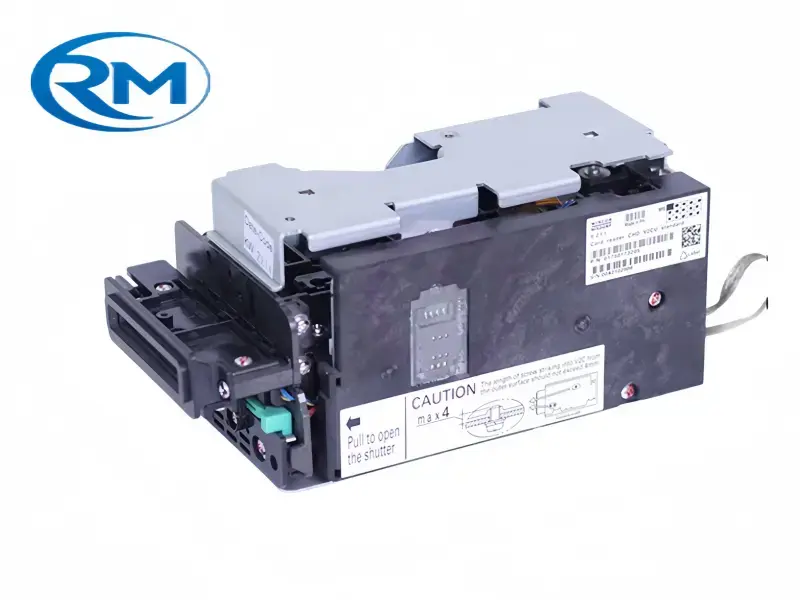
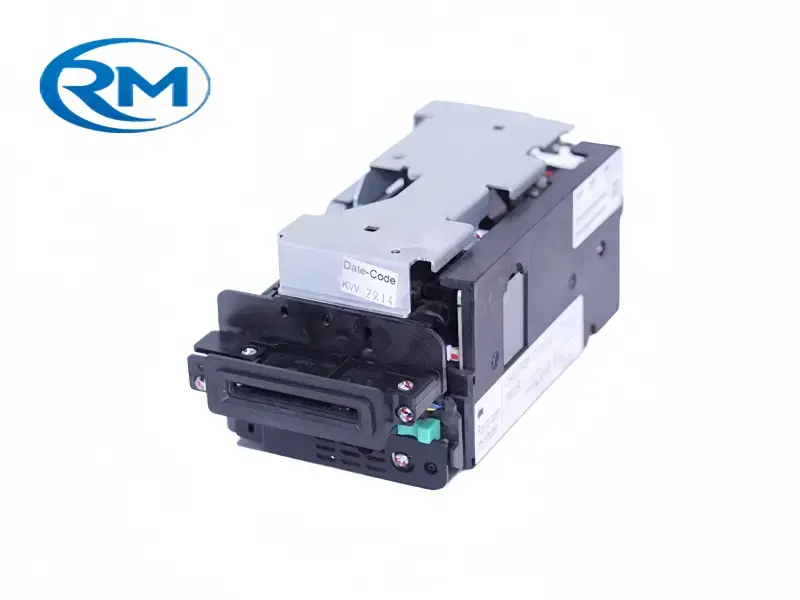
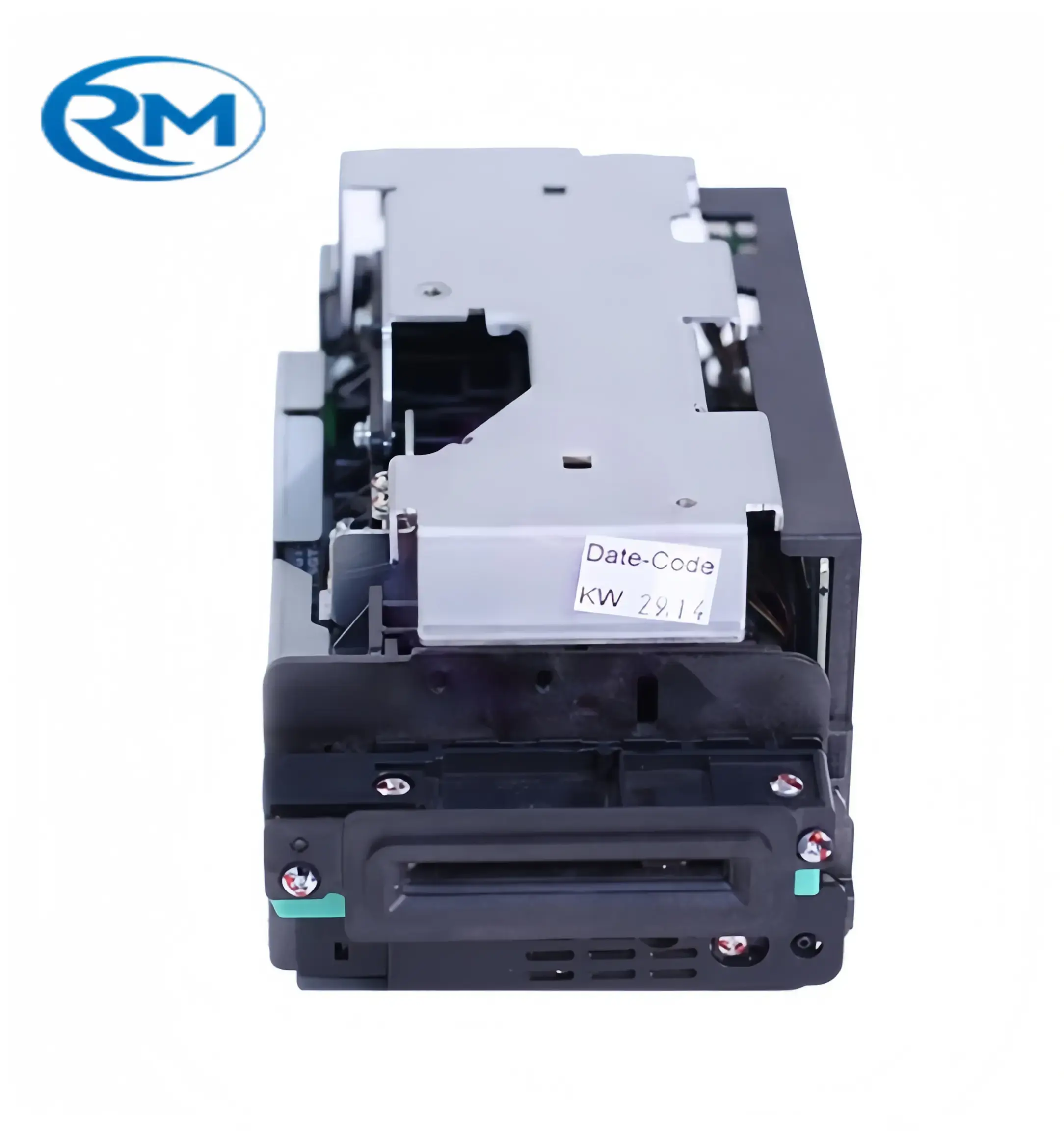
ATM owners, manufacturers, and service providers all over the world have been searching for a truly universal card reader for a long time. Some advanced readers are very close to being able to work with all card types and applications, but not all of them can. The V2CU Card Reader is one of these solutions. It is a high-performance, industrial-grade smart card interface device that connects different card technologies to host systems. With PC/SC and CCID class compliance, this reader works very reliably with contact-based chip cards, though "universal" is still a bit of a stretch in a field where different protocols and regional requirements are common.
Understanding the Concept of a Universal Card Reader
What Makes a Card Reader "Universal"?
Card reader technology uses the word "universal" to describe a device that can work with a number of different card formats and protocols. Modern card readers have to deal with a lot of different types of cards, such as magnetic stripe cards, EMV chip cards, contactless NFC/RFID technologies, and different proprietary formats. A truly flexible reader works with many different types of cards and interfaces, including ISO 7816 for contact cards and ISO 14443 for contactless ones.
Finding a good balance between how well something works and how many things it can connect to is hard. There are some problems that banks in Southeast Asia, the Middle East, and Latin America have to deal with. Older ATMs often use magnetic stripe technology, while newer ATMs need EMV chip and contactless capabilities. Because of this, procurement teams have to put readers that work reliably across the technologies that are most important to their operational environment at the top of their list.
Technical Barriers to True Universality
For full compatibility to be reached, the hardware and firmware architecture must be very complex, including for the V2CU Card Reader. Card readers have to deal with different voltage levels, different data exchange formats, and different transmission protocols (T=0 and T=1 for smart cards). Another layer of complexity is added by security requirements. For example, PCI compliance is needed for financial transactions, but different certification standards are needed for government ID applications.
There are big trade-offs that go into making a reader that is great in all of these areas. High-frequency RFID readers that are designed for access control might not work as well for banking transactions. When it comes to durability, devices made for harsh ATM environments have to meet different standards than desktop accessories. Because of these facts, the market offers customized solutions instead of one-size-fits-all devices. However, some readers, like the V2CU Card Reader, are surprisingly flexible within the scope of their intended use.
Industry-Specific Requirements Shape Reader Design
Card reader technology has to meet different needs in different fields. Financial institutions put a high value on features that stop skimming, encryption, and being in line with payment card industry standards. Government offices need readers that can work with national ID cards that have certain chip specs. Access control systems need to be able to quickly find cards and use little power.
The ATM business has its own problems that need special engineering solutions. Readers have to be able to handle thousands of insertion cycles every day, work reliably in a wide range of environmental conditions, and not be tampered with. They have to be able to work with cards that are bent, worn, or have chip contacts that have become oxidized. This is how things work in real life, and it guides the design philosophy behind industrial-grade readers made just for financial self-service applications.
Deep Dive into the V2CU Card Reader: Features and Functionality
Core Hardware Specifications and Architecture
The V2CU Card Reader is a smart card interface device that was made to make sure that electronic transactions and identity verification are safe. This reader is different from consumer-grade peripherals because it uses a USB 2.0 Full Speed interface that makes connection stable for demanding tasks. The device strictly follows PC/SC standards and CCID class requirements, which makes it easy to connect to secure enterprise networks, government access control systems, and banking terminals.
At its core, the reader makes it possible for smart card chips and operating systems to talk to each other through APDU commands. The design of the contact head includes a wiping action that helps remove minor oxidation from the card chip surfaces while the card is being inserted. This makes it easier to read older or more commonly used cards. This seemingly simple mechanical feature solves a common problem that comes up when there are a lot of transactions and the condition of the cards varies a lot.
In places with a lot of electrical noise, the electronic architecture puts signal integrity first. Self-service terminals and ATM kiosks send out a lot of electromagnetic interference that can mess up operations that need to read sensitive cards. Insert the V2CU Card Reader into such an environment, and its shielding and circuit design keep it working reliably even when it's inside a metal chassis with power supplies, display drivers, and communication modules all around it.
Compatibility Scope and Protocol Support
This reader is mostly for CPU cards that use the T=0 and T=1 asynchronous protocols. These are the ones that are used in most financial chip cards and secure ID applications. It works with synchronous memory cards like the SLE5542, but the software optimization is mostly for the asynchronous CPU cards that are common in banks and public key infrastructure.
Windows, Linux, and a number of proprietary platforms can all work with each other. Windows 10 and 11 users can use native Microsoft CCID class drivers, which lets them use plug-and-play features without having to install proprietary drivers. Some specialized Linux distributions may need driver packages from the manufacturer. These are easy for integrators and OEM customers to get.
That's because the reader works with Class A, B, and C cards, so it can work with old ID cards as well as new low-voltage chip technologies. This range is very important for government agencies and financial institutions that are switching between card generations because their systems need to be able to reliably read both older and newer credentials during multi-year migration periods.
Installation Process and Troubleshooting Common Issues
For most operating systems, deployment is as easy as connecting via USB and letting the drivers start up automatically. Integration teams can get a full SDK with PC/SC API samples in C++, C#, and Java. This lets developers call functions for getting ATRs and exchanging APDU commands. This support for developers speeds up the creation of custom apps for banks and system integrators that are making their own authentication workflows.
Most problems with connectivity are caused by USB hubs not delivering enough power or other peripherals interfering. Most power problems can be fixed by connecting directly to the motherboard. A lot of the time, recognition errors are caused by old BIOS settings that make it hard to list all of the USB devices. Card reading problems with certain chip types are usually caused by firmware version mismatches, which can be fixed by downloading updates from the manufacturer.
The reader's MTBF rating of 500,000 hours for electronic parts and 200,000 cycles for mechanical contact heads gives you a good idea of how long the parts will last so you can plan your purchases. These specifications help maintenance teams plan preventative replacements and keep track of spare parts well, which cuts down on unplanned downtime in important applications.
Comparing V2CU Card Reader with Other Market Options
Performance Benchmarks Against Industry Alternatives
In comparison tests with readers such as the ACR122U and different HID models, the V2CU Card Reader performs differently, which is due to the way it was designed. The ACR122U is great for contactless NFC applications and works with a wide range of tags, which makes it perfect for use in logistics and access control. With their own card technologies and built-in access management systems, HID readers are the most common type of readers used for physical security.
The V2CU Card Reader has an edge over its competitors in contact smart card uses that need high reliability in tough conditions. It's more durable mechanically than desktop readers, and it's better at blocking interference than readers made for clean office settings. This toughness is especially important for financial institutions that run ATM fleets, since broken devices mean lost transaction revenue and unhappy customers.
The way security is implemented on these different platforms is different. All of them support basic encryption protocols, but the V2CU Card Reader's design protects against threats specific to the financial sector, like attempts to skim data and physical tampering. The reader's firmware has anti-fraud features that are in line with what the banking industry needs. Other models may focus on different security features that are more important for their intended uses.
Evaluating Total Cost of Ownership
Buying decisions involve more than just the initial purchase price. They also include things like maintenance costs, failure rates, and how long the product will work. The industrial-grade construction of the V2CU Card Reader usually means higher initial costs compared to consumer-oriented options. However, this investment pays off because the V2CU Card Reader lasts longer and needs to be replaced less often.
Buying in bulk has a big effect on unit economics. When ATM operators and distributors buy hundreds of readers, they can get better prices because of the volume discount, which makes the readers more durable. Over a five-year deployment lifecycle, the V2CU Card Reader's lower failure rate and longer component lifespan often lead to a lower total cost of ownership, even though it costs more at first.
Another aspect of cost that is often overlooked during the initial evaluation is the availability of technical support. Readers with responsive, multilingual support and detailed documentation cut down on the time and money needed for integration delays and troubleshooting. Customization services for OEM applications are useful for companies that want unique solutions but don't have the resources to develop their own readers.
Real-World Application Feedback
When the V2CU Card Reader is used in the banking sector, it shows consistent patterns in performance feedback. ATM service companies say that maintenance calls for card reader failures are down compared to readers from earlier generations. The device's ability to handle cards that have been physically compromised increases the number of successful transactions. This is especially true in places where replacing cards takes longer than usual because of bad customer behavior or problems with distribution.
Government ID applications show off the reader's strong backward compatibility. During multi-year transition periods, immigration checkpoints and administrative service centers like that both older and newer national ID cards work without any problems. This feature keeps operations from being interrupted by supporting different reader types during migration phases.
System integrators like how complete the SDK is and how responsive the manufacturer is to technical questions. Custom application development goes smoothly when API documentation is complete and support engineers know how to deal with real-world integration issues. In business-to-business relationships, these qualitative factors have a big effect on brand loyalty and decisions to buy from the same company again.
How to Choose the Right Card Reader for Your Business Needs?
Assessing Compatibility Requirements and Scalability
The first step in making a procurement strategy is to carefully look at the current and future card technologies that will be used in your business. Banks that run ATM networks have to keep track of the types of cards their customers already have and guess how quickly contactless and mobile payment technologies will be adopted. Preventing early obsolescence and expensive mid-lifecycle replacements is what this forward-looking assessment does.
Scalability issues include more than just card technology; they also include deployment size and location. A reader that works for a pilot program of fifty units might not have the supplier support infrastructure that is needed for a rollout of 5,000 units in several countries. When planning large-scale deployments, it's important to look at how much a manufacturer can produce, how well they can manage their inventory, and how well their regional distribution networks work.
Integration architecture has just as much of an effect on reader choice as technical specifications. When it comes to form factors and mounting options, systems that need readers built into custom kiosk designs are different from desktop applications. Different deployments have different connectivity needs. Some want USB to keep things simple, while others need serial interfaces to work with older systems. By matching reader capabilities to architectural constraints, implementation doesn't have to go through expensive re-engineering.
Security Standards and Compliance Validation
Financial applications need readers that are certified to meet the standards of the payment card industry. Teams in charge of hiring must make sure that potential readers meet PCI PTS requirements and keep their certifications up to date, since old certifications may not meet audit requirements. For government jobs, ID document readers need to have different certifications that are in line with national security standards.
Details about how security is implemented are just as important as formal certifications. Different reader models have very different anti-skimming features, tamper detection mechanisms, and safe key storage options. Readers that will be used in unattended places like ATMs need more security features than readers that will be used in bank branches that are supervised. Getting the right risk mitigation means matching your security capabilities to threat models that are specific to your deployment environment.
A security aspect that is often overlooked is the ability to update firmware. If a reader doesn't have secure update options, it becomes a security risk as vulnerabilities are found over time. Buying decisions should be based on how committed the manufacturer is to ongoing security maintenance and how technically possible it is to deploy firmware updates across large groups of readers.
Supplier Evaluation Criteria Beyond Product Specifications
Your relationship with the company that supplies your card reader goes far beyond the initial sale. It's just as important to look at a supplier's technical support, availability of spare parts, and customization services as it is to look at the product specifications. Suppliers that offer multilingual support 24 hours a day, 7 days a week greatly lower operational risk for international deployments where time zones make troubleshooting more difficult.
After recent global problems, manufacturing capacity and supply chain resilience became more important. Suppliers who get their parts from a variety of places and keep enough stock on hand can handle supply shocks better, which can stop deployments or leave existing installations without replacement parts. Due diligence on a supplier's financial stability and production capabilities can help protect against supplier failures in the middle of a project.
OEMs and system integrators that want unique solutions can benefit from the ability to customize. Suppliers who can change firmware for certain protocols, change mechanical dimensions for custom enclosures, or provide custom cable assemblies can make a product stand out without having to develop the reader themselves. These suppliers that focus on partnerships work as technology enablers instead of just selling parts.
Future Trends and Innovations in Card Reader Technology
Emerging Standards Reshaping Compatibility Landscapes
Card readers are becoming more and more important as contactless and mobile payment technologies continue to develop. Contact readers are still needed for existing EMV chip infrastructure, but more and more, procurement specifications call for contactless NFC capabilities. Readers that use both technologies together deal with transitional periods when payment ecosystems support more than one method at the same time.
Biometric integration is the next big thing in compatibility. Multi-factor authentication schemes are becoming more popular in high-security settings. Readers that have fingerprint sensors or can seamlessly hand off to external biometric modules support these schemes. Because of this convergence, readers need to be built from the start with a modular architecture that lets authentication methods change over time without having to replace all the hardware.
As encryption standards improve, readers need to be updated from time to time. Older encryption algorithms are being phased out because newer computers can make them less secure. Readers must support the newer algorithms by updating their firmware or getting new hardware. More and more, procurement strategies focus on readers with clear upgrade paths and manufacturers who show they are committed to long-term security maintenance.
How the V2CU Card Reader Adapts to Technological Shifts?
The V2CU Card Reader's architecture shows that its designers put adaptability first within its main function of reading contact smart cards. Instead of trying to be good at every new technology, the reader is great at what it's supposed to do best while still being able to have its firmware updated for better protocol support. This focused approach helps customers who value reliability in current applications over guesswork when it comes to the future.
The V2CU Card Reader can be added to new or changing system architectures thanks to its modular design. As ATM makers add more ways to prove your identity, the reader's standard interfaces and full APIs make it possible for biometric modules, contactless receivers, and mobile integration frameworks to work together. This interoperability makes the reader more relevant than it could be on its own.
The manufacturer's investment in firmware development makes sure that the V2CU Card Reader can adapt to new security standards and better protocol usage. Installed base lifespan is increased by regular firmware updates that fix newly discovered security holes and improve performance. This ongoing support sets industrial-grade readers apart from consumer Products, which are usually taken off the market soon after they come out.
Strategic Recommendations for Future-Proof Procurement
Investing in readers that can be changed and are well supported is a better way to reduce the risk of obsolescence than chasing specifications that meet hypothetical future needs. Teams in charge of buying things should give more weight to suppliers who have consistently invested in product development and customer service over long periods of time. Suppliers who have a history of updating firmware, putting out security patches, and keeping backward compatibility show that they are likely to support products for as long as they are used.
Strategic advantages come from building relationships with suppliers that go beyond just buying things. When suppliers see customers as long-term partners, they let customers know about changes to products ahead of time, give them early access to new technologies, and are willing to make solutions fit specific needs. These connections are especially helpful for manufacturers and big businesses that buy a lot and need to give each supplier individual attention.
Long-term technology strategy works best when standardization and flexibility are balanced. Using well-supported readers across all of your infrastructure makes maintenance and managing spare parts easier and lowers the need for training. Keeping evaluation processes going for new technologies makes sure that people are aware of the skills that might be needed for future transitions. This lets things change slowly over time instead of all at once.
Conclusion
Different technologies, protocols, and application needs in modern card-based systems make it hard to find a single card reader that works with all of them. The V2CU Card Reader is a great example of how industrial-grade engineering can be very flexible within certain application areas. This is especially true for contact smart card applications that need to work in tough conditions. Instead of trying to be everything to everyone, it's more important for procurement success to match reader capabilities to specific operational needs.
Checking the level of compatibility, security features, supplier capabilities, and total cost of ownership is helpful for banks, ATM operators, and system integrators. As card technologies move toward contactless and biometric integration, organizations can make gradual changes without having to replace all of their readers all the time if they buy readers from companies that are committed to ongoing development and support.
FAQ
1. Does the V2CU Card Reader require proprietary drivers for Windows systems?
The reader uses the built-in Microsoft CCID class driver in Windows 10 and 11, which lets you use plug-and-play without having to install a separate driver. Some specialized operating systems, like some Linux distributions, may need driver packages from the manufacturer. Integrators and OEM customers can get these through standard support channels.
2. Can this reader handle cards with worn or oxidized chip contacts?
The V2CU Card Reader's contact design has a wiping action that helps clean card chip surfaces of small amounts of oxidation while they are being inserted. This mechanical feature makes it easier to read older cards that are common in places with a lot of transactions. Cards that are severely damaged beyond surface oxidation may still fail because the chips are breaking down physically, which has nothing to do with the reader's abilities.
3. What is the expected service life for high-volume applications?
The MTBF rating for the electronic parts is 500,000 hours, and the rating for the mechanical contact head is 200,000 insertion cycles. With these specs, maintenance teams can plan preventative replacements based on the number of transactions. This cuts down on unplanned downtime in ATM and self-service applications that are very important to the business because a broken device has a direct effect on customer service and revenue.
Partner with RM for Reliable Card Reader Solutions
RM can meet your needs for a card reader or module because they have over twenty years of experience making parts for financial equipment and ATMs. As a V2CU Card Reader supplier that can provide everything from whole machines to individual parts, we know how hard it is for ATM operators, manufacturers, and service companies to find the right parts. Our 3,000-square-meter building in Shenzhen has quality control departments with ISO9001-2008 certification, mold rooms, and departments for injection molding. We keep more than 80% of the ATM modules on the market in stock, which lets us fulfill orders quickly. Typical lead times are 15 to 20 business days.
Because ATM maintenance and deployment projects need to be done quickly, our technical support team is available 24 hours a day, 7 days a week. RM offers the unified approach that procurement teams that want to save money prefer, whether they need to order a lot of V2CU Card Readers, custom module solutions, or a full supply of spare parts. Get in touch with Tang@atm-part.com to talk about your specific needs and find out how our manufacturing skills, large inventory, and quick customer service can help you streamline your supply chain and lower your total cost of ownership.
References
1. International Organization for Standardization. "ISO/IEC 7816: Identification Cards — Integrated Circuit Cards." Geneva: ISO Press, 2020.
2. Hendry, Mike. "Smart Card Security and Applications." Boston: Artech House Publishers, 2018.
3. Payment Card Industry Security Standards Council. "PCI PTS Point of Interaction Security Requirements." Wakefield: PCI SSC, 2021.
4. Rankl, Wolfgang and Effing, Wolfgang. "Smart Card Handbook, Fourth Edition." Hoboken: John Wiley & Sons, 2010.
5. European Payments Council. "Card Standardisation Volume: Payment Application Version 2.0." Brussels: EPC Documentation, 2019.
6. Zhang, Li and Chen, Wei. "Reliability Engineering in Financial Self-Service Terminal Design." Journal of Banking Technology and Equipment, Vol. 34, No. 2, 2022, pp. 145-167.
Learn about our latest products and discounts through SMS or email