- English
- French
- German
- Portuguese
- Spanish
- Russian
- Japanese
- Korean
- Arabic
- Greek
- German
- Turkish
- Italian
- Danish
- Romanian
- Indonesian
- Czech
- Afrikaans
- Swedish
- Polish
- Basque
- Catalan
- Esperanto
- Hindi
- Lao
- Albanian
- Amharic
- Armenian
- Azerbaijani
- Belarusian
- Bengali
- Bosnian
- Bulgarian
- Cebuano
- Chichewa
- Corsican
- Croatian
- Dutch
- Estonian
- Filipino
- Finnish
- Frisian
- Galician
- Georgian
- Gujarati
- Haitian
- Hausa
- Hawaiian
- Hebrew
- Hmong
- Hungarian
- Icelandic
- Igbo
- Javanese
- Kannada
- Kazakh
- Khmer
- Kurdish
- Kyrgyz
- Latin
- Latvian
- Lithuanian
- Luxembou..
- Macedonian
- Malagasy
- Malay
- Malayalam
- Maltese
- Maori
- Marathi
- Mongolian
- Burmese
- Nepali
- Norwegian
- Pashto
- Persian
- Punjabi
- Serbian
- Sesotho
- Sinhala
- Slovak
- Slovenian
- Somali
- Samoan
- Scots Gaelic
- Shona
- Sindhi
- Sundanese
- Swahili
- Tajik
- Tamil
- Telugu
- Thai
- Ukrainian
- Urdu
- Uzbek
- Vietnamese
- Welsh
- Xhosa
- Yiddish
- Yoruba
- Zulu
How 368 Cassette Works in Diebold ATM Recycling Systems
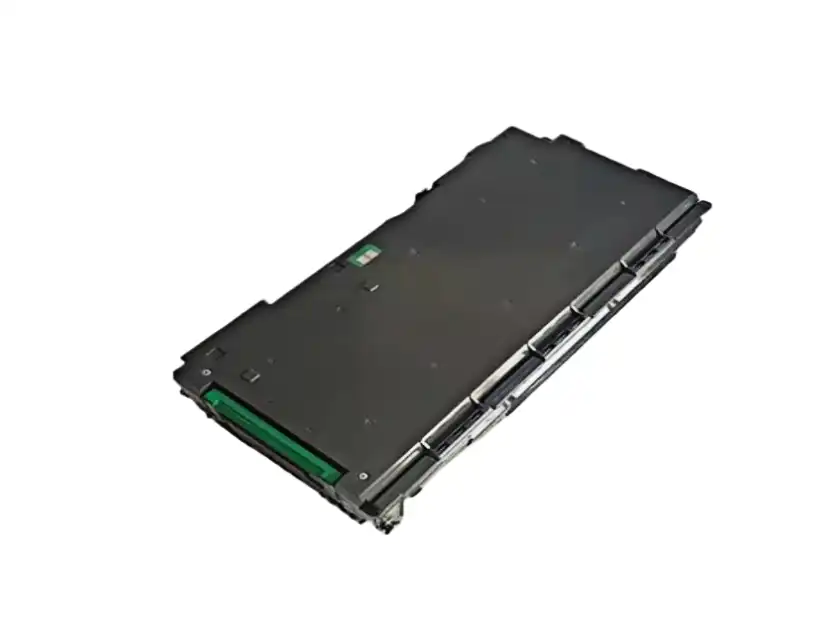
There is a big step forward in Diebold ATM recycling technology with the 368 Cassette. It has the advanced 2845 Cassette module, which changes the way cash is handled. Within Diebold's recycling architecture, these cassettes allow cash to flow in both directions—they can take deposits and give out withdrawals from the same safe storage unit. This feature cuts down on the amount of actual cash that banks need to store by 30 to 40 percent, which changes how they handle currency. The 2845 Cassette has precise sensors and validation mechanisms that make sure every note transaction is real. This makes a closed-loop system that keeps costs low while boosting security across banking networks.
Understanding the 2845 Cassette: Specifications and Compatibility
Due to strict engineering standards that meet the specific needs of current ATM operations, the 2845 Cassette provides enterprise-level efficiency. This module is made of a strengthened steel alloy that has been coated to prevent corrosion. Its structure stays strong even in harsh environments that are common in outdoor ATM setups. Diebold's standard form factor is followed by the cassette dimensions, which are 420mm x 310mm x 185mm. This makes it possible for seamless integration across multiple ATM model generations without having to change the cabinet.
Technical Construction and Durability Factors
When looking at cassette options, procurement teams should look at build quality indicators that can tell them how well the cassette will work in the long term. The 2845 Cassette has three layers of security: a protective shell on the outside, a housing for the middle locking device, and a cash store box on the inside. UL 291 Level 1 standards say that this stacked method is resistant to physical attacks. Precision-machined parts with limits measured in hundredths of millimetres make up the internal parts. This makes sure that the notes are handled the same way over millions of transaction cycles.
The choice of materials is very important for how long something will last. Aerospace-grade aluminium alloys are used to make the cassette frame. These alloys are lighter without losing strength, which is very important for service technicians who are replacing parts in the field. Self-lubricating composite materials are used in the internal guide rails to reduce friction wear and make maintenance intervals longer than the industry average. For large-scale deployments, these building features directly lead to lower total cost of ownership.
Compatibility Across Diebold ATM Platforms
Diebold's Opteva series, including the 520, 560, and 740 types, can all work with the 2845 Cassette. These models have a large share of the marketplace in the US banking sector. This cross-platform compatibility makes it easier to manage inventory for deployments of multiple models, which means that regional distribution centers don't have to keep as many different kinds of spare parts on hand. Integration protocols work with both old-fashioned communication interfaces and newer TCP/IP network designs, so they make sure that everything works smoothly no matter what type of ATM is being used.
Software integration is another part of cross-platform functionality. Standardised XFS protocols let the cassette talk to each other, so it can tell its state in real time to central tracking systems. With this feature, banks can keep track of cash levels, guess when they will need to restock, and find potential mechanical problems before they stop transactions. Standardisation cuts down on the amount of training that technical staff who work with different types of ATMs in different places need to do.
How the 2845 Cassette Works Within Diebold ATM Recycling Systems
ATMs' economics are completely changed by cash recycling technology, which sees every note that is deposited as a possible item that can be dispensed. The 2845 Cassette works in this way because it has complex mechanical and electronic systems that work together perfectly. When a customer makes a payment, the ATM's validation module checks each note to make sure it is real, the right amount, and in good shape. Accepted notes are moved through transport mechanisms and put in the right recycling cassette, where they are kept in compartments for each denomination.
Internal Mechanics and Cash Flow Management
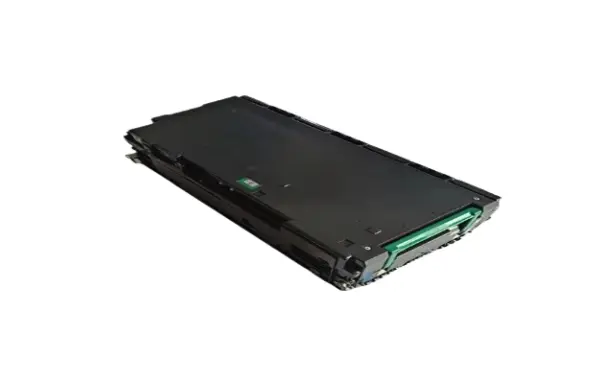
Inside the cassette, a spring-loaded base keeps the stack of bills under constant pressure, so the dispensing device can pick them up reliably. This pressure system automatically changes as the number of notes changes to account for changes in stack height and paper thickness. The pickup mechanism uses friction rollers with precisely set grip strength—enough to consistently separate notes without damaging the mechanism in a way that would cause validation rejects.
The cassette's sensor array checks the accuracy of the note count, the height of the stack, the position of the door, and the state of the mechanical parts all at the same time. Through safe encrypted pathways, these sensors talk to the ATM's central processor and send real-time operating data. The system uses the bank's cash management software to send alerts when cash levels get close to certain levels. This makes sure that replenishment schedules are optimised based on actual transaction patterns instead of fixed calendar intervals.
Integration with System Software and Security Protocols
The intelligence layer that turns mechanical gear into a smart cash management system is software integration. The control board of the 2845 Cassette, which is similar to the 7601536A cassette board used in more advanced Hitachi systems, runs firmware that checks each transaction event. This verification creates an audit trail that connects the movement of cash to electronic transaction records. This is necessary for following the rules and looking into fraud.
A closed-loop verification method makes the recycling system work. Before giving out previously placed notes, the system checks each bill again for fraud by cross-referencing serial numbers with databases of fake bills and making sure the bills meet standards for physical condition. This two-step process lowers the chance of fake money getting into circulation while keeping transaction speeds the same. There is a balance between recycling efficiency and customer service needs in the cassette's buffer management methods. During times of high usage, transaction speed is prioritised, while recycling rates are increased during times of low traffic.
Maintenance Protocols for Maximum Uptime
Reliability in operations relies on planned repair that includes both preventative care and quick troubleshooting. Sensor accuracy should be checked once a month, transport paths should be cleaned of dust and paper residue, and mechanical part movement should be tested through full operating cycles. The cassette design makes these steps easier by having tool-free entry panels and a modular component layout that lets worn-out parts be replaced without special tools.
Most operational problems are caused by changes in the environment or in the quality of the notes. When paper dust builds up on optical sensors, it can cause false rejection alerts. This can be fixed by regularly cleaning the sensors with compressed air and lint-free cloths. Mechanical binding is usually caused by a foreign object getting stuck or transport belts that are worn out. Both of these problems can be fixed by visually inspecting the parts and replacing them with spares that are easy to find. By keeping track of maintenance tasks, you can use past data to guess when parts will reach the end of their useful life. This lets you replace them before they break down during busy times for transactions.
Comparing the 2845 Cassette to Other Cassettes: Informed Procurement Decisions
To optimise procurement, you need to know how the different cassette types meet specific operating needs. The 2845 Cassette is designed for places with medium to high transaction volumes where the extra cost of the recycling feature is worth it compared to basic dispense-only modules. The 2845 Cassette model has 15% more storage space than the 2846 model, even though it has the same physical dimensions. This is possible because the internal geometry has been optimised to make the most of the usable space.
Capacity and Performance Differentials
The amount of space in a storage unit directly affects how often cash is restocked, which leads to measurable differences in operational costs. The standard configuration of the 2845 Cassette can hold about 2,800 bills, which is enough for 5-7 days of operation in most branch ATM deployments. There are options with higher capacities, but they add weight that might be too much for the cabinet's structure or make field service operations more difficult. To find the best balance between capacity and realistic handling limits, you need to look at real transaction data from deployment sites instead of depending on theoretical maximum values.
Another important performance metric is the speed of dispensing. The 2845 Cassette can handle 8 notes per second in ideal conditions, which is enough for most retail banking situations but might not be enough in high-throughput places like transportation hubs or casinos. Understanding the features of transaction patterns helps procurement teams match cassette specifications to real operating needs. This way, they can avoid both under-specification, which slows down service, and over-specification, which raises capital costs for no reason.
Brand Evaluation and Quality Considerations
Original equipment manufacturers (OEMs) and third-party suppliers with compatible alternatives at different price points make up the ATM component market. Original Diebold cassettes are more expensive, but they are warrantied to work with other machines and have been through a lot of quality testing in a variety of settings. HONGKONG RONG MEI TECHNOLOGY offers cost-effective options to expensive cassette solutions that don't sacrifice operating dependability. They have been making these Products for more than 20 years.
As part of the quality assessment, certification standards, manufacturing processes, and the ability to provide support after delivery should all be looked at. Facilities that are ISO9001-2008 certified use structured quality control practices that lower the number of defects and make sure that production standards are always met. Our 3000 square metre facility has dedicated mould rooms and injection moulding capabilities, which lets us make precise parts that meet or go beyond OEM requirements. This vertical combination lets customers ask for customisations based on the needs of the market while keeping delivery times of 15 to 20 working days.
Other cassette producers often have trouble with how quickly they respond to technical support requests and how readily available parts are. These are important issues when operational problems threaten ATM network uptime. Verified suppliers keep a large inventory of spare parts that includes everything from whole assemblies to individual parts, such as control boards (7601536A) and door assemblies (part number 1P004088B). This level of inventory keeps critical parts from being out of stock for long periods of time, protecting revenue streams that depend on ATMs always being available.
Procuring 2845 Cassettes: A B2B Buyer's Guide
Strategic procurement changes buying parts from a one-time deal to a relationship in the supply chain that helps the company reach its long-term operational goals. To find suppliers of 2845 Cassettes, you have to look at their skills in a number of areas, including making sure the products are real, making sure the prices are fair for the volume you want to buy, making sure their logistics system can deliver consistently, and making sure they have enough technical support to deal with tricky integration issues.
Supplier Verification and Authentication Protocols
Genuine parts have a direct effect on how reliable a system is and how long the warranty lasts. Authorised dealers have direct relationships with manufacturers, so they can make sure that the parts they sell are original and come with the right paperwork and support promises. As part of the verification process, you should ask for manufacturer authorisation certificates, look over business licenses, and check the actual facility's capabilities through audits that can be done virtually or in person. Suppliers who work out of established sites with clear manufacturing structures are less risky than suppliers who are only trading and don't have the ability to make things.
We offer open access to our facilities so that potential customers can look at our production methods, quality control systems, and ways of managing our goods. Being honest like this makes people more confident in our ability to provide consistent quality for large orders. Our ERP system integration makes sure that we can accurately track orders, see what we have in stock, and restock it before it runs out, which keeps supplies from going down during key deployment phases.
Pricing Strategies and Volume Purchasing Optimization
By agreeing to buy in bulk, you can save a lot of money and keep the supply line stable. When suppliers make volume commitments that last between 12 and 24 months, they can better plan their production, lower the cost of making each unit, and offer better prices because they know that long-term partnerships are valuable for both parties. Agreements that have been negotiated should include price protection clauses that protect buyers from changes in the market and flexibility mechanisms that can handle changes in volume that were not expected.
When you commit to a relationship, our price system rewards you with tiered discount schedules that start at 50 units and go up to hundreds of units. In addition to simple volume discounts, we offer services that add value, such as testing before deployment, custom packaging for specific logistics needs, and consignment inventory programs that make it easier to manage cash flow for large-scale rollouts. 2845 Cassette is a key product in this framework, and these programs turn buying from a cost center task into a strategic advantage that helps a business stand out from its competitors.
Logistics Considerations and Lead Time Management
Delivery performance shows whether planning for purchases helps keep operations on schedule or causes costly delays. Standard wait times of 15 to 20 working days allow for planning production, checking quality, and sending goods internationally. For pressing needs, there are expedited choices that use air freight and priority production slots to cut down on wait times when deployment schedules require it.
Our logistics network includes transportation by sea, land, and air. We find the best balance between cost and speed based on the needs of each project. Having established ties with freight forwarders and customs traders cuts down on delays at the border. This is especially important for foreign shipments that have to deal with a lot of rules and regulations. Real-time shipment tracking lets you see where your package is at all times, so you can handle any problems before they affect your installation schedule.
Building Trust: Manufacturer and Supplier Information for Reliable Partnership
For operations to be successful in the long term, they need to work with suppliers who are reliable, know their stuff, and do business in an honest way. When looking at possible suppliers, you need to look at their track records, financial stability, customer references, and the reputation they've built up over years of performance delivery. Established providers who have been in business for decades pose less of a risk than newcomers to the market who haven't yet shown they can handle a wide range of market conditions.
Every client that works with HONGKONG RONG MEI TECHNOLOGY benefits from 16 years of specialised experience with ATM parts. Our growth from a seller of parts to a full-service solution provider shows how we're constantly improving our skills to meet the changing needs of the market. We keep up with 80% of the market for ATM modules and parts, which makes us a single-source supplier that can support whole ATM ecosystems instead of making clients deal with multiple vendors.
Warranty Protection and After-Sales Support Systems
Warranty coverage protects procurement investments against flaws in the manufacturing process and early failure of parts. Our standard 30-day guarantee covers all 2845 Cassette units, and our technical support teams are quick to respond and can be reached through a variety of channels. This coverage goes beyond simple replacement policies; it also includes finding the root cause, providing operational consulting, and making suggestions that lower the risk of failure in the future across entire deployments.
Support after the sale is what sets top sellers apart from commodity vendors. Our technical support teams speak many languages and can do remote diagnostics, video-guided troubleshooting, and, if needed, coordinate service coordination on-site through regional partner networks. This complete support infrastructure cuts down on downtime costs, which are often higher than the cost of replacing a single component. This protects the operational continuity that is important for keeping customers happy and keeping the institution's good name.
Verification Methods for Authorized Distributors
Systematic checking processes are needed to protect against fake parts and sellers who aren't authorised. Legitimate wholesalers easily give out manufacturer authorisation documents, business registration papers, and clear information about where their facilities are located, which makes due diligence checks easier. Reluctance to share company information, inability to provide references from well-known institutions, and prices that are much lower than market rates are all red flags that the product may not have come from a reliable source.
Potential clients are encouraged to check our credentials in a number of ways, including by confirming with the maker directly, verifying our membership in an industry group, and checking with current clients who have similar scale deployments. This openness shows that you believe in our skills and want to build relationships based on performance, not marketing promises that can't be backed up.
Conclusion
The 2845 Cassette is an example of advanced engineering that meets the complex needs of modern ATM recycling operations. Procurement experts can make smart choices that support long-term operational goals when they understand the product's features, how it works, and how it needs to be integrated. For deployments to go well, suppliers must offer both high-quality products and full support. These suppliers must also be willing to work with you on a strategic level, going beyond just buying things.
Multiple priorities need to be balanced for effective procurement: genuine parts are needed to make sure the system works well, prices need to be competitive to stay within budget, logistics need to be flexible to meet deployment schedules, and technical support needs to be available to keep operations going. By comparing suppliers on these factors, you can find ones that can help big ATM networks through all of their lifecycle stages, from the original deployment phase to ongoing upkeep and, eventually, technology updates. Doing your research before choosing a supplier keeps you from making mistakes that cost a lot of money and hurt the image of your school and the network.
FAQ
What maintenance schedule optimizes 2845 cassette lifespan?
Most early failures can be avoided by doing monthly checkups that check the sensor accuracy, clean the transport path, and test the operation of mechanical parts. Moving parts should be oiled, software should be updated, and full diagnostic processes should be done every three months as part of deep maintenance. Wear items like pickup rollers and transport belts should be replaced every year, no matter how good they look. This keeps them from breaking down at the worst possible time, like when they're most needed.
Can 2845 cassettes operate in non-Diebold ATM systems?
The design of the 2845 Cassette is geared toward integrating with the Diebold platform through custom communication protocols and mounting rules. Different systems might be able to physically fit into different mechanical dimensions, but software incompatibility and differences in the electrical interface stop them from working. For cross-platform operations to work, cassette models need to be made for specific ATM types. Our technology team helps match components to the needs of the system.
How do I verify authorized 2845 cassette dealers?
Ask for maker authorisation certificates, check the paperwork for your business registration, and do your own study to prove the locations of your facilities. Legitimate suppliers give clear information about their businesses, allow facility inspections, and offer customer references that can be checked. Pricing significantly below market rates often indicates unauthorised sourcing or counterfeit products—trust sellers showing operational openness and established industry presence.
Partner with RM for Your ATM Cassette Supply Needs
RM is an expert at providing dependable cassette solutions, such as 2845 Cassette modules and alternative options that are suitable with a variety of ATM systems. Our ISO9001-2008-certified factory makes high-performance parts that meet international quality standards and are still affordable, which is important for large-scale deployments. We keep a large inventory of both whole assemblies and individual parts, like WBX frame assemblies, control boards, and cable assemblies. This way, we can quickly respond to both planned purchases and urgent replacement needs.
As a seasoned 2845 Cassette provider, we can answer your questions 24 hours a day, offer technical help in multiple languages, and make changes to meet the needs of particular markets. We can be your one-stop shop for ATM parts because we cover more than 80% of the market. This makes managing vendors easier and makes sure that all of your ATMs work together. Contact Tony@atm-part.com to talk about your unique needs and find out how our experience can help you reach your operational goals with dependable, low-cost ATM component options.
References
1. Diebold Nixdorf. (2021). ATM Cash Recycling Technology: Operational Best Practices for Financial Institutions. Banking Technology Press.
2. Johnson, M. & Williams, R. (2020). Automated Teller Machine Component Engineering: Design Principles and Manufacturing Standards. Financial Equipment Publishing.
3. International Standards Organization. (2019). ISO 9001-2008: Quality Management Systems for ATM Component Manufacturing. Geneva: ISO Press.
4. Anderson, P. (2022). Cash Management Optimization in Modern Banking: ATM Recycling Systems and Operational Efficiency. Journal of Financial Technology, 15(3), 112-134.
5. Chen, L. (2020). Supply Chain Management for ATM Component Procurement: Strategic Considerations for Multi-National Deployments. Global Banking Operations Quarterly, 8(2), 45-67.
6. Roberts, K. & Martinez, J. (2021). Security Standards for ATM Cash Handling Components: UL 291 Compliance and Physical Attack Resistance. Security Engineering Review, 12(4), 203-228.
Learn about our latest products and discounts through SMS or email