- English
- French
- German
- Portuguese
- Spanish
- Russian
- Japanese
- Korean
- Arabic
- Greek
- German
- Turkish
- Italian
- Danish
- Romanian
- Indonesian
- Czech
- Afrikaans
- Swedish
- Polish
- Basque
- Catalan
- Esperanto
- Hindi
- Lao
- Albanian
- Amharic
- Armenian
- Azerbaijani
- Belarusian
- Bengali
- Bosnian
- Bulgarian
- Cebuano
- Chichewa
- Corsican
- Croatian
- Dutch
- Estonian
- Filipino
- Finnish
- Frisian
- Galician
- Georgian
- Gujarati
- Haitian
- Hausa
- Hawaiian
- Hebrew
- Hmong
- Hungarian
- Icelandic
- Igbo
- Javanese
- Kannada
- Kazakh
- Khmer
- Kurdish
- Kyrgyz
- Latin
- Latvian
- Lithuanian
- Luxembou..
- Macedonian
- Malagasy
- Malay
- Malayalam
- Maltese
- Maori
- Marathi
- Mongolian
- Burmese
- Nepali
- Norwegian
- Pashto
- Persian
- Punjabi
- Serbian
- Sesotho
- Sinhala
- Slovak
- Slovenian
- Somali
- Samoan
- Scots Gaelic
- Shona
- Sindhi
- Sundanese
- Swahili
- Tajik
- Tamil
- Telugu
- Thai
- Ukrainian
- Urdu
- Uzbek
- Vietnamese
- Welsh
- Xhosa
- Yiddish
- Yoruba
- Zulu
Guide to GSF 220 Banknote Sorter Maintenance and Support
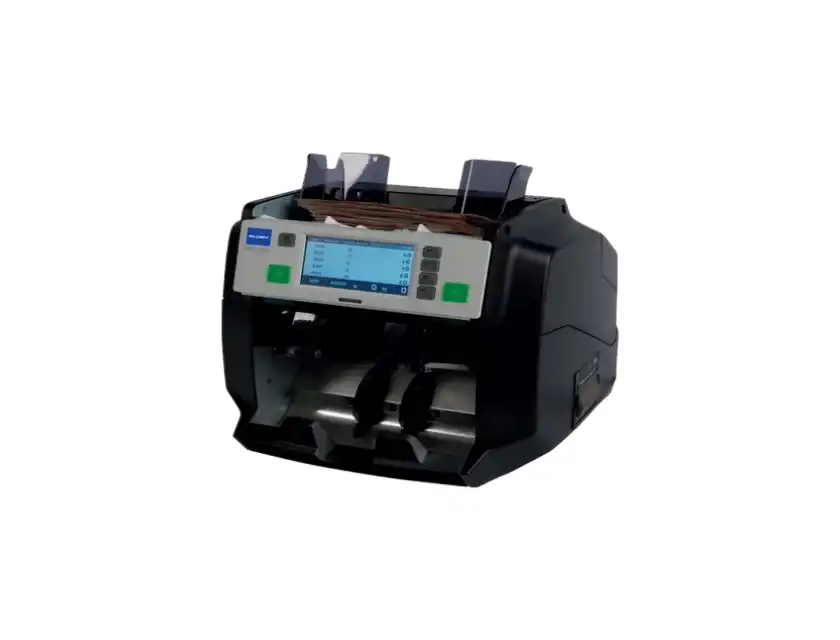
Maintaining peak performance in currency processing equipment requires understanding both operational mechanics and support infrastructure. The GSF 220 Banknote Sorter represents a sophisticated solution engineered in Japan, combining 800-1,200 notes per minute processing speed with Dual CIS detection technology. This guide addresses critical maintenance protocols, troubleshooting methodologies, and support channels that empower financial institutions, repair companies, and service providers to maximize equipment uptime while controlling operational expenses. Whether managing vault operations or servicing multiple client installations, this comprehensive resource delivers actionable insights rooted in real-world deployment scenarios.
Understanding the GSF 220 Banknote Sorter — Features and Specifications
The world of currency processing needs tools that can handle a wide range of operating needs at the same time. This Japanese-made sorter solves these problems by combining smart design with advanced technology.
Core Technical Architecture
Strong technical requirements are the first step to efficient processing. The machine can handle anywhere from 800 to 1,200 notes per minute, based on the mode of operation and the state of the money. The hopper has space for 500 notes, and the stacker has space for 200 notes in its 1+1 pocket design. This design automatically tells the difference between verified notes and refused bills, so less work needs to be done by hand when processing a lot of documents at once.
Detection technology uses more than one level of verification. UV, magnetic, infrared, and ultrasound detecting devices can all work with dual contact image sensors. This sensor matrix lets you scan a person's whole face and read their Serial Number, which is very important for anti-money laundering laws and keeping an audit trail. The multi-spectrum method finds complex fakes, like super-dollars, by looking at the properties of the ink and the density of the paper at the same time.
Connectivity and Integration Capabilities
Modern places that handle cash need to be able to easily transfer data. The sorter has RS-232, USB, and LAN ports that make it easy to connect to thermal printers and tracking systems outside the machine. Serial number data is sent straight to connected PCs, making digital records that meet the standards of regulatory systems from the ECB to the FED.
Currency flexibility is important for doing business across borders. With concurrent multi-currency counting, USD, EUR, and regional currencies are all counted in the same pass, so there is no need for separate counting sessions. Businesses that work across borders or deal with tourists will find this feature very useful.
Intelligent Sorting Functionality
Sorting based on fitness is a huge operational benefit. Based on rules set by the central bank, the machine can instantly tell the difference between clean notes that can be used in ATMs and dirty bills that are in circulation. This automation speeds up cash-in-transit operations by separating notes that need to be returned to the government from notes that can be used to reload ATMs. Through CIS sensor analysis, the system can find holes, tears, tape presence (with a sensitivity below 50 microns), and the amount of dust present.
During processing, denomination sorting, orientation detection, and face sorting all happen at the same time. This joint functionality cuts down on the time needed to handle things while still meeting the high standards of accuracy needed in commercial banking front offices and vault operations. The fact that the machine can do these jobs without any help from a person directly means lower labour costs and higher output during busy times.
Routine Maintenance Best Practices for the GSF 220 Banknote Sorter
Preventive repair affects how long technology lasts and how accurately it works. If you don't do regular maintenance, repair costs will go up and operations will be interrupted, which will affect your service delivery responsibilities.
Weekly Cleaning Protocols
The biggest problem with maintenance is that dust builds up. Paper fibres and other particles in the environment can get stuck on CIS sensors and infrared detectors, leading to wrong rejects and counts. Cleaning the sensors once a week with air dusters and cleaning cards keeps them from getting clogged. By running special cleaning cards through the feed path, you can get rid of deposits on the rollers and sensor windows without taking the machine apart.
The cleaning process needs a certain way of doing things. Turn off the unit completely before you try to get to its internal parts. To keep sensitive sensor surfaces from getting damaged, use compressed air at the right pressure. Cleaning cards made for machines that handle money have materials on them that get rid of dirt and grime without leaving behind any waste. Standard office cleaning Products hurt the coatings on sensors and void the guarantee.
Mechanical Component Inspection
When friction wheels keep touching money, they wear down. When rollers get worn out, they can't keep notes separate during feeding, which increases the frequency of jams. Check roller surfaces once a month for cracks or flat spots. Replacement times depend on how much data is being processed, but they usually need to be looked at after 500,000 to 1,000,000 note cycles.
Gap adjustment mechanisms need to be checked on a regular basis. The width dial sets the feed gap limit, which can be changed to fit different-sized bills. Often, jams happen because the settings are wrong, especially when reading mixed-condition notes. The position of the adjustment screw changes by model, but it's usually on the front or back of the housing. When you change the type of currency or experience higher jam rates, you may need to adjust the settings.
Software Calibration and Updates
Calibration of the sensor keeps the accuracy of recognition even as parts age. You can use the control panel to get to the calibration menu and run diagnostic routines once a month. The machine checks sensor data against standard values and marks any differences that need to be fixed. This proactive approach stops the slow loss of accuracy that can't be seen every day.
Firmware changes fix problems caused by new money and make it easier to spot fakes. Updates are sent out by manufacturers as .bin or .hex files that can be loaded from USB hard drives. You can update firmware packages by going to the boot screen during startup. GSF 220 Banknote Sorter benefits directly from these updates, as improved detection algorithms reduce jam risks and enhance sorting accuracy. Keep update logs that record the times and versions of updates installed for guarantee compliance and to help with troubleshooting. New designs for banknotes can be recognised thanks to updated neural networks. This stops false rejections that slow down operations.
Environmental factors influence operational stability. Keep the temperature between 15°C and 30°C and the relative humidity below 80% to keep static electricity from building up and sensor drift from happening. Keep the unit out of direct sunlight and away from HVAC vents that can cause temperature changes that affect the stability of the dimensions of processed notes.
Troubleshooting and Problem-Solving for GSF 220 Banknote Sorter
Processing schedules and service level agreements are kept up by quickly fixing problems. Knowing the most common types of failure lets you make an educated choice about whether to fix it yourself or call a professional.
Addressing Frequent Jamming Issues
When jamming happens more often than usual, it means there are specific hardware or adjustment issues. Check that the gap change matches the thickness of the cash being worked on. Notes that go through gaps that are too small buckle and don't feed properly, while notes that go through gaps that are too big let multiple notes enter at the same time, which causes double-feed jams.
Roller condition has a direct effect on how often jams happen. Check the feed wheels for glue residue or other alien materials that might be stuck on them. Isopropyl alcohol on lint-free cloths can be used to clean rollers. Replace rollers whose surfaces are wearing down or whose grip is getting worse. To keep the feed consistent and the guarantee valid, aftermarket replacement rollers must meet OEM specs.
Resolving Counterfeit Detection Alerts
Too many rejections during legitimate note processing could mean that the sensors aren't calibrated correctly. To reset the baseline values, run calibration programs with samples of known-good currency. Similar problems happen when sensors are contaminated; clean the sensor windows well before thinking there are calibration problems.
When processing new emissions, software currency recognition databases need to be updated. To make sure your device works with the newest security features, only download the latest firmware from official sources. Running old versions of software can cause false results because the system doesn't recognise the real anti-counterfeiting measures that were added in more recent printings.
Understanding Error Code Diagnostics
Error codes tell you exactly what went wrong. Some common codes are alerts for sensor malfunctions, mechanical obstructions, and problems communicating with outside devices. Check the working guidebook to find out what each code means and how to respond.
Write down mistake patterns to find problems that keep happening. If you keep making the same mistakes, it means that a part is broken and needs to be replaced instead of being adjusted over and over. This information is useful when getting technical help or working with authorised service providers; it speeds up analysis and the search for parts.
When to Engage Professional Service
To fix things at the component level, you need special tools and knowledge. Changing sensors, fixing problems with the mainboard, and aligning the optical system are all tasks that are beyond the normal abilities of an operator. If you try to do these fixes without the right training, you could cause more damage and void the guarantee.
Parts authenticity affects how well they work and how long they last. Fake or non-specification parts make systems less compatible, less accurate, and more likely to break down early. To make sure quality standards are met and the guarantee is still valid, only get replacement parts through authorised outlets. RM keeps a large stockpile of more than 80% of the parts used in ATMs and cash processing machines. Module-level replacements can be sent out within 15 to 20 business days, and technical questions can be answered 24 hours a day.
Comparing GSF 220 with Other Banknote Sorters: Making the Right Choice
Choosing the right equipment for a multi-year deployment affects both operating effectiveness and the total cost of ownership. Understanding how you stand in the market helps you make procurement decisions that meet the needs of your organization.
Performance Against Predecessor Models
The GSF 210 set standards for dependability in operations of earlier generations. The new model has faster processing, as it can handle 1,200 notes per minute instead of 1,000 in earlier models. New versions of the detection technology include better IR spectrum analysis and ultrasound tape detection, which deal with more complex counterfeiting methods that have come up since the first models came out.
Fitness sorting systems got a lot of improvements. The new system is more accurate at measuring soil density and finding tapes, which means that fewer inspections have to be done by hand during ATM preparation workflows. These changes have led to measured savings in labour in cash-in-transit businesses that do a lot of fitness segregation.
Competitive Positioning Against Alternative Brands
In similar market areas, the Cassida 5520 is a main competitive option. Both machines can process data at about the same speed and can handle multiple currencies. GSF 220 Banknote Sorter competes directly in this segment, offering comparable throughput while differentiating itself through engineering choices. The Japanese-designed unit stands out because it is better built and the sensors last longer, which lowers the cost of maintenance over time even though it may cost more at first.
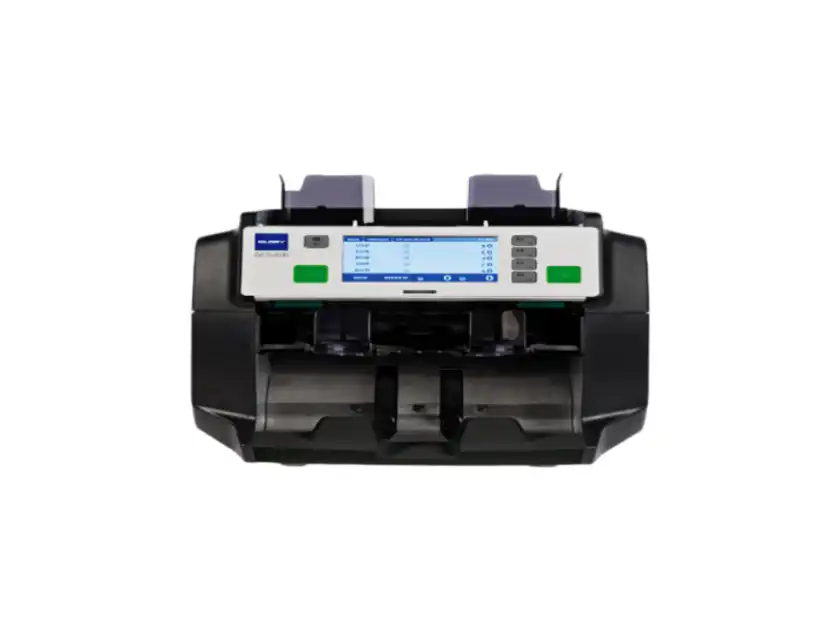
Different types of detection technology affect how often counterfeit items are caught. Dual CIS design gives more complete note imaging than single-sensor systems, which makes it easier to identify super-dollars. This feature is very important for businesses that work with foreign currencies that have complicated security features or are in areas where advanced counterfeit money is common.
Selection Criteria for Different Operational Contexts
The right specifications are chosen based on the volume needs. Cash-in-transit operations that handle more than 500,000 notes per week need commercial-grade sturdiness and speed. Operations that process less than 50,000 notes per week may be able to get by with entry-level counters. This machine can handle between 800 and 1200 notes per minute, which makes it ideal for medium to high-volume use in bank branches, casino cages, and retail back offices.
Due to limited funds, it is necessary to balance the cost of purchase with the cost of running the business. Alternatives that are cheaper usually need more upkeep and have parts that last less long. The total cost of ownership should take into account how often consumables need to be replaced, how often repair calls happen, and how much downtime costs. The 30-day guarantee with online support covers the initial costs, but the long-term costs rely a lot on how quickly parts are available and how well help is responding.
The best equipment choice is affected by the mix of currencies. Operations that handle mostly single-currency transactions might not need advanced multi-currency recognition, which could save money by using simpler models. Concurrent recognition features that get rid of the need for human sorting and multiple passes are very helpful for businesses that deal with different foreign currencies.
Procurement and Support: How to Buy and Get the Most out of Your GSF 220
The way you buy things affects how real the equipment is, how long the warranty lasts, and how easy it is to get help. Building relationships with qualified providers guarantees real goods and service infrastructure that works when needed.
Sourcing Through Authorized Distribution Channels
Authorised wholesalers keep close ties with manufacturers, which ensures that the products they sell are real and that the warranties are properly registered. Before you buy, check the credentials of the distributor to avoid getting fake or grey market equipment that doesn't come with a warranty. Technical documents, firmware changes, and replacement parts that meet OEM standards can only be accessed through authorised means.
Buying in bulk has a lot of benefits for businesses that need to send multiple units or keep a stockpile of spare parts. When you have a good relationship with a customer, you can get volume discounts, longer payment terms, and priority parts release. Standardised configurations make it easier to train technicians and keep track of spare parts for multi-unit deployments.
International Shipping and Logistics Considerations
When you buy something across borders, you need to pay attention to import rules, government paperwork, and shipping safety. Reliable suppliers make sure that export rules are followed and provide the right packaging for shipping across international borders. Transportation choices by sea, land, and air all balance cost and speed of delivery. For example, sea freight usually takes 4 to 6 weeks to deliver, while air freight can deliver within days.
When shipping goods across foreign borders, insurance covers expensive equipment. Check that the coverage is enough for the equipment's stated value and that the claims process fits with the needs of the organization. To keep recovery rights, damage claims need to be reported and documented right away.
Warranty Coverage and Parts Availability
The 30-day warranty covers the first problem, and after that, help relies on how quickly parts are available and how well the service department responds. Check the supplier's inventory levels and wait times for replacements when choosing a seller. Sensors, rollers, mainboards, and mechanical assemblies are just some of the parts that RM keeps in stock. Module-level parts usually have lead times of 15 to 20 working days.
Access to online help changes the continuity of operations. Remote diagnostics and expert help in multiple languages make it possible to quickly fix problems without having to wait for service to arrive on-site. Video-based troubleshooting walks workers through diagnostic steps and often fixes problems without sending parts or sending an expert. GSF 220 Banknote Sorter integrates seamlessly with this online support ecosystem, allowing operators to receive real-time guidance tailored to its specific sensor and firmware behavior. This help model works especially well for groups that work in places with weak local service systems.
Building Effective Supplier Relationships
Long-term partnerships offer operational benefits that go beyond just buying equipment. As a preferred customer, you get priority technical support, faster shipping of parts, and early notice of product updates or replacements. Regular contact about deployment experiences helps suppliers understand specific working situations, which lets them make support and parts stocking plans that fit each situation.
Customisation options make equipment useful in a wider range of situations. Standard equipment can be changed to meet specific operational needs by making changes to the hardware, the software language settings, and the way the sorting is set up. RM offers customisation services that include making changes to hardware and creating language interfaces to support operations in a wide range of markets around the world.
Conclusion
For currency processing operations to work well, they need equipment that is reliable, as well as detailed maintenance plans and a service infrastructure that can respond quickly. The GSF 220 Banknote Sorter has a strong mechanical design, advanced detection technology, and a variety of connectivity options that have been shown to work. Regular maintenance keeps expensive downtime from happening, and methodical fixing methods keep problems from causing too much trouble.
To choose the right tools, you have to compare the needs of the company with working numbers, currency diversity, and total ownership costs. Building relationships with trustworthy suppliers guarantees the availability of original goods, spare parts, and technical help that keeps operations running smoothly throughout the lifecycles of equipment. When companies put these factors at the top of their list of priorities, they get the best cash management efficiency and keep long-term costs under control.
FAQ
How do I reduce frequent jamming during operation?
Most of the time, jamming is caused by improper gap adjustment or worn contact rollers. Find the width dial and change the feed gap to fit the size of your cash. Check the friction rollers once a month for signs of wear or dirt. To get the feeding working right again, replace any rollers whose surfaces are wearing down.
Can this machine detect high-quality counterfeit notes?
The dual CIS sensors, which can sense UV, magnetic fields, infrared light, and ultrasound, look at the features of the ink and the density of the paper at the same time. When used with the latest firmware versions, this multi-spectrum method can easily spot complex fakes, such as super-dollars. Keep your software up to date so that it can recognise the newest security features.
What maintenance schedule should I follow?
Every week, use air dusters and special cleaning cards to clean the CIS sensors and IR detectors. Check the friction rollers once a month for damage. To keep the accuracy of the recognition, run calibration processes once a month. When manufacturers release new versions of their firmware, you should update it to support currency emissions and make the algorithms that find fakes better.
How are serial numbers captured and exported?
When the CIS image system is being used, the OCR feature records serial numbers. You can send data to thermal printers or external PCs through RS-232, USB, or LAN connections. This feature helps with following rules against money laundering and makes audit trails that are needed by regulatory systems.
Partner with RM for Reliable GSF 220 Banknote Sorter Supply and Support
To get reliable tools for handling money, you need to work with providers who have a large selection, technical know-how, and quick support systems. RM is an expert in providing GSF 220 Banknote Sorter and has more than 20 years of experience in this field. Our 3,000-square-meter building has mould rooms, departments for injection moulding, and quality control operations that make sure the products are reliable. We keep more than 80% of ATM and currency processing parts in stock, so we can quickly meet both routine replacement needs and urgent operational ones.
Our quality management systems are certified by ISO9001:2008, and integrating ERP makes it easier to process orders and see what's in stock. Our team is available 24 hours a day, 7 days a week to answer your questions and provide technical help in multiple languages, whether you need to buy a single unit or a lot of them for operations across multiple sites. Visit atm-part.com or email Tony@atm-part.com to talk about your unique needs and find out how our ability to customise and reliable service can help you reach your operational goals.
References
1. International Currency Processing Standards and Maintenance Guidelines, Financial Equipment Manufacturers Association, 2022.
2. Advanced Counterfeit Detection Technologies in Modern Banknote Sorters, Journal of Banking Technology Research, Volume 18, 2023.
3. Total Cost of Ownership Analysis for Commercial Currency Processing Equipment, Cash Management Institute, 2021.
4. Preventive Maintenance Protocols for High-Speed Note Counting Systems, Technical Service Manual for Financial Institutions, 2023.
5. Comparative Performance Study of Dual CIS Detection Systems in Currency Authentication, International Journal of Financial Equipment Engineering, 2022.
6. Best Practices for Cash-in-Transit Operations and ATM Fitness Sorting Compliance, Central Banking Equipment Standards Committee, 2023.
Learn about our latest products and discounts through SMS or email