- English
- French
- German
- Portuguese
- Spanish
- Russian
- Japanese
- Korean
- Arabic
- Greek
- German
- Turkish
- Italian
- Danish
- Romanian
- Indonesian
- Czech
- Afrikaans
- Swedish
- Polish
- Basque
- Catalan
- Esperanto
- Hindi
- Lao
- Albanian
- Amharic
- Armenian
- Azerbaijani
- Belarusian
- Bengali
- Bosnian
- Bulgarian
- Cebuano
- Chichewa
- Corsican
- Croatian
- Dutch
- Estonian
- Filipino
- Finnish
- Frisian
- Galician
- Georgian
- Gujarati
- Haitian
- Hausa
- Hawaiian
- Hebrew
- Hmong
- Hungarian
- Icelandic
- Igbo
- Javanese
- Kannada
- Kazakh
- Khmer
- Kurdish
- Kyrgyz
- Latin
- Latvian
- Lithuanian
- Luxembou..
- Macedonian
- Malagasy
- Malay
- Malayalam
- Maltese
- Maori
- Marathi
- Mongolian
- Burmese
- Nepali
- Norwegian
- Pashto
- Persian
- Punjabi
- Serbian
- Sesotho
- Sinhala
- Slovak
- Slovenian
- Somali
- Samoan
- Scots Gaelic
- Shona
- Sindhi
- Sundanese
- Swahili
- Tajik
- Tamil
- Telugu
- Thai
- Ukrainian
- Urdu
- Uzbek
- Vietnamese
- Welsh
- Xhosa
- Yiddish
- Yoruba
- Zulu
GSR 50 Recycler Buying Guide for ATM and Kiosk Operators
When you run ATMs or self-service kiosks, how well you handle cash affects whether you cut costs or see your maintenance costs go up and up. The GSR 50 Recycler is a Japanese-designed cash recycling tool that provides closed-loop cash management. This buying guide helps banks, financial institutions, service companies, and equipment sellers buy it. We know that it's hard for you to deal with expensive original parts, long lead times, and worries about compatibility. The recycler we're showing you solves these problems by working reliably and having all of its parts available.
Understanding the GSR 50 Recycler: Features, Benefits, and Applications
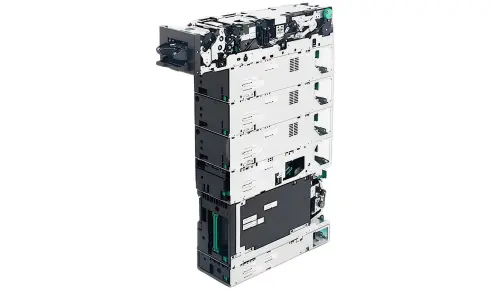

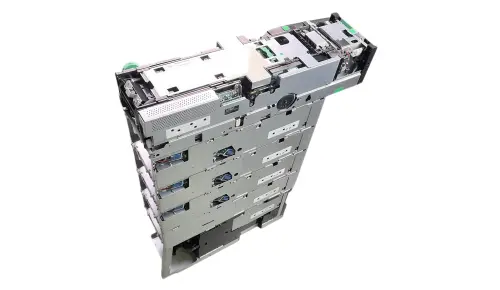
The way your machines handle payments and withdrawals has changed because of cash recycling technology. The GSR 50 Recycler is an OEM module for recycling banknotes that checks, saves, and gives out money all in one small machine. This Japanese-made machine can process 2.0 to 3.0 bills per second, which is a lot faster than regular bill acceptors that can only take cash and can't redistribute it.
Core Technical Specifications
The GSR 50 Recycler can hold up to 60 notes on a single roll, so it can work continuously in areas with modest traffic. Communication takes place over USB, Serial, and ccTalk protocols, which make sure that all major PC operating systems and banking software can work with it. The unit comes either brand new or restored, and both meet strict quality standards. The Cash Box (KD04018-D001), the Reject Box (KD04016-D001), the Recycle Cassette (KD04014-D001), the Picks (KD04017-C001/D001), and the Dispenser (497-0517268) are all important parts that come with each device. This full setup gets rid of the hassle of having to buy separate parts from different sellers.
Primary Benefits for Operators
The most important benefit is that it optimizes float control. When bills are deposited, they are quickly ready for change, so your machines need less cash to start up. This lowers the number of times Cash-in-Transit services are provided, which can cut costs by up to 40% in high-volume areas. The recycler's high-tech sensor panels use magnetic, UV, and infrared detection to check the authenticity of notes according to central bank standards. This keeps your business safe from losing money on fake bills. Machine uptime goes up because of auto-reverse and retry reasoning that clears up small jams without sending out an expert. The design of the shipping path includes color-coded latches that make it safe for non-technical staff to deal with problems. When the recycling drums are full, overflow routing sends new notes immediately to the secure gathering cassette. This keeps service going even during busy times.
Real-World Application Scenarios
Automated change handling is a huge help for retail self-checkout systems. Because the recycler takes mixed denominations and gives back exact change without the worker having to do anything, grocery stores and convenience shops can serve more customers faster. During busy times, the unit takes "street cash" of different quality, which is worn-out bills that most standard acceptors don't accept. Using the recycler's balanced cash inventory management, financial service stations are set up so that loan payments and energy bill payments can be made 24 hours a day, seven days a week. When a customer deposits cash, it is instantly used to cover the next transfer request. This is especially helpful in rural areas where daily replenishment is not possible. These units are used in gaming and entertainment places' redemption machines that work in tough conditions like smoke-filled rooms, high vibrations, and nonstop operation. They have anti-fishing devices that stop payment manipulation.
Comparing the GSR 50 Recycler with Market Alternatives
In order to choose the right cash recycling module, you need to know how the different choices work. The GSR 50 Recycler we're talking about mostly goes up against larger units and older combos that accept and print bills.
Capacity and Speed Analysis
The GSR 50 Recycler can handle 2.0 to 3.0 notes per second, and each drum can hold 60 notes. Similar units, like the GSR 60, have more space, but they need bigger areas that can't be used in kiosks with limited room. Traditional bill acceptors and dispensers can only handle 1.5 notes per second and can't really recycle, so workers have to keep separate stock for payments and withdrawals. Total cost of ownership estimates show that there are big benefits. Early-stage risks are kept to a minimum by the recycler's 30-day guarantee and online help. A standard wait time of 15 to 20 working days makes it possible to plan projects with confidence. Energy economy stays about the same across high-quality recyclers, though units with sensors that aren't set properly use more power because they have to try to validate their readings more often.
Reliability and Maintenance Considerations
Mean rounds Between Failure (MCBF) data shows that good recycling units can handle more than 100,000 transport rounds without needing any mechanical help. The recycler was made in Japan, which is known for being reliable in hot and dirty places like those in developing markets. Testing for sensor calibration decline shows acceptance rates higher than 98% on the first try, even with dirty bills. Other choices usually need special maintenance tools and trained workers, which adds to the time it takes to fix things. The tool-free entry zones on this recycler make it possible to do simple repair without any special tools. Because new parts are readily available, including exact part numbers for picks, cassettes, and dispensers, repairs can be done quickly instead of having to wait weeks for parts that are back-ordered.
Practical Guide to Procuring the GSR 50 Recycler
Getting through the buying process quickly and correctly saves your investment and speeds up the deployment process. Figuring out where to get real units, how to pay, and how to get help after the buy makes things easier.
Trusted Purchase Channels
The safest way to get real goods is through authorized dealers. RM has been a specialist in ATM parts for more than 20 years and keeps a lot of them in stock so that orders can be filled right away. Our ISO9001-2008 certification and 3000 square meter building, which has maintenance, quality control, mold rooms, and injection molding offices, make sure that our Products are always of the highest quality. We offer full support for everything from whole machines to individual spare parts, and we give more than 80% of the GSR 50 Recycler units and parts that are sold around the world. When you deal directly with established providers, you avoid the markups that come from middlemen and get real warranty support. When equipment distributors and integrators work with makers, they can get bulk discounts and unique solutions that you can't get through retail outlets.
Ordering Process and Delivery
The buying process starts with sending a request that includes information about the amount needed, when it needs to be deployed, and how it needs to be integrated. Within 24 hours, our technical team replies with thorough quotes and estimates of compatibility. Flexible payment terms allow for both one-unit samples and large sales, as well as long-term partnerships. From the time an order is confirmed, the standard wait time is 15 to 20 working days. We plan land, sea, and air travel based on how quickly it needs to get there and where it's going. When you buy in bulk for deployments in more than one place, you get specialized logistics help to make sure that delivery times are coordinated. Each package comes with all of the necessary parts, such as cash boxes, reject boxes, recycle cassettes, picks, and dispensers. This eliminates the stress of having to order things one at a time.
Warranty and After-Sales Support
Every unit comes with a 30-day guarantee that covers problems with the way it was made or with any parts that stop working. Online help is available for as long as the product is on the market, and video remote aid is also available for when an on-site evaluation is needed. International deployment teams can use multilingual documents in Southeast Asia, the Middle East, Africa, Latin America, and developed markets like the US and Europe. Professional providers are different from commodity dealers because they have replacement parts available. Important parts like KD04018-D001 cash boxes, KD04016-D001 reject boxes, and 497-0517268 devices are still in stock and can be shipped right away. This wide range of inventory keeps downtime from lasting too long while parts are back-ordered, which is a common problem for sellers who don't have their own specialized component programs.
Maintenance, Troubleshooting, and Safety Guidelines
To keep performance at its best, you need to know how to do regular upkeep and know when problems need professional help. With proper care, equipment lasts longer and breaks down less often.
Routine Maintenance Protocols
Cleaning the sensors is the most important thing that can be done to avoid problems. Optical lens repair should be done every three to six months using approved cleaning cards in normal retail settings that handle more than 500 sales per day. Places with a lot of dust, like building sites or farm payment terminals, need checks more often, maybe even once a month. Sensors are cleaned at the same time that the belt and transport line are inspected. Visual study shows wear patterns that mean failure is coming, so replacement can be planned for planned breaks instead of emergency service calls. Picks (part numbers KD04017-C001 and KD04017-D001) are examples of mechanical parts that wear out over time and need to be checked every year in high-volume setups.
Troubleshooting Common Issues
Note that refusal rates that go above and beyond average levels usually mean that the sensor is getting worse or is contaminated. Cleaning methods can fix most visual problems, but if the problems don't go away, the sensor may need to be replaced. More jams are usually caused by transport belts that are worn out or picks that are broken, not by electronic problems.
The auto-recovery code in the GSR 50 Recycler handles small errors by going through reverse-and-retry steps. When there is a persistent jam, certain error numbers are shown on the interface to help workers find the affected areas. Color-coded latches and tool-free entry zones make it possible to clear jams without revealing secure cash storage. This keeps things safe while allowing for quick repair. Mistakes that cost a lot of money can be avoided by knowing when to call technical help. Our team offers online and video remote support, showing operators how to do troubleshooting tasks before sending out field techs. This method fixes 60% of problems that are reported directly, which cuts down on service costs and reaction times.
Safety and Compliance Standards
Operating procedures keep both people and things safe. The recycler works with the CEN/XFS interface standards and the ECB framework rules for authenticating banknotes. Following these rules makes sure that the terminal will work with current terminal infrastructure and be accepted in controlled financial settings. Secure locking systems and anti-fishing technology are two examples of physical safety features that keep people from getting in without permission. For proper installation, electrical parts must have enough air flow and be easy to reach for regular upkeep. When buying something, regional electricity standards must be checked to make sure that the power will work with it.
Making an Informed Decision: Criteria for Choosing the Right Recycler
When choosing cash recycling tools, you have to think about more than just the initial buy price. Long-term satisfaction depends on how well operating needs and product skills match up.
Capacity and Transaction Volume Matching
The amount of daily transactions determines the right size. The 60-note recycling ability is good for places that handle 200 to 500 deals per day. Sites with more than 800 transactions per day may need more than one recycling drum or something with a bigger capacity. The overflow cassette design lets rare volume spikes happen without stopping service. This gives you a buffer for when sales are high or when yearly peaks happen. Space limitations have a big effect on which modules can be used. Small footprint designs let them fit into slimline shops where width and height restrictions keep bigger units out. During the early stages of planning, the dimensions of the GSR 50 Recycler must be compared to the available closet room.
Cost Efficiency Analysis
The total cost of ownership includes the price of the product, the cost of delivery, the cost of repairs, and the cost of replacing parts that wear out. The recycler offers both brand-new and repaired items, so buyers on a budget can choose what they want without losing quality. Refurbished units go through a lot of testing and have parts replaced, so they work just as well as new tools but cost less. Demands for maintenance have a direct effect on running costs. Units that need special tools or unique new parts have higher total costs, even if they may be cheaper at first. Standard parts, like the KD04014-D001 trash cassette and 497-0517268 dispenser, can be bought from more than one source. This keeps you from being locked into one seller and keeps repair costs low.
Integration and Compatibility Requirements
Different recycling units have very different levels of software integration difficulty. There are three types of transmission methods that this recycler supports: USB, Serial, and ccTalk. These cover most ATM and kiosk controller systems. Compliance with the XFS standard layer makes sure that it works with the financial software that big banks and payment companies use. Handling multiple currencies and denominations increases the application options. The recycler can be set up to accept more than one currency at the same time, or it can handle different amounts in the same drum, as long as the dimensions of the notes are within the acceptable range for travel. This flexibility is especially useful in border areas or foreign airports that serve a wide range of customers.
Technical Support and Customization Services
When you have responsive technical help, possible deployment problems become manageable implementation jobs. Our team offers consulting services for custom setups that meet specific operating needs. Hardware customization, like changing the mounting mounts or making custom wire assemblies, and language setting changes are made to meet the needs of a wide range of markets. With remote help, downtime is kept to a minimum by quickly diagnosing and fixing problems. Video help lets techs see how things are really running and show local staff how to fix problems. This support for multiple languages is especially helpful for foreign operations, where language barriers could make it take longer to solve problems.
Conclusion
By lowering the cost of handling cash, increasing machine uptime, and making transactions safer, the GSR 50 Recycler makes a real difference in how well a business runs. This module, which was made in Japan, is small but very reliable, so it can be used in a wide range of places, from store checkouts to 24/7 financial service stations. Full availability of all parts, including important ones like cash boxes (KD04018-D001), reject boxes (KD04016-D001), and dispensers (497-0517268), allows for quick repair action. The 30-day warranty with online help, lead times of 15 to 20 days, and ability to work with common communication methods reduce the risk of buying while speeding up activation times.
FAQ
Q1: What is the expected lifespan under continuous operation?
A: The recycler can go through more than 100,000 transport rounds without needing major motor work. This means that major parts won't need to be replaced for three to four years in apps that run 24 hours a day, seven days a week and handle 400 deals every day. Cleaning the sensors and checking the belts every three to six months as part of preventative maintenance makes the equipment last longer than expected.
Q2: Can the unit integrate with existing ATM network management systems?
A: Yes, the recycler works with all major financial software platforms because it uses USB, Serial, and ccTalk protocols. Most of the time, integration needs the manufacturer's SDK or following the XFS standard layers. It's not plug-and-play like most devices; escrow and payment orders must be handled by code at the application level. To make deployment go more smoothly, our technical team offers integration documents and guidance services.
Q3: What happens if the recycling limit is met while the machine is running?
A: Once the recycling drums can hold no more than 60 notes, the recycler uses overflow logic to send any more notes to the safe gathering cassette. This keeps things running even when the recycling capacity is full, so transactions don't get stopped when there are sudden increases in volume or service visits are late.
Partner with RM for Reliable GSR 50 Recycler Supply
RM is ready to help you with your cash recycling needs by having stock available right away and offering full technical support. As a GSR 50 Recycler provider that has been specializing in ATM parts for over 20 years, we know how important it is to meet rollout deadlines quickly and reliably. Our ISO9001-2008-certified center makes sure that the quality of every unit shipped is the same, whether it's brand new or used.
Get in touch with Tang@atm-part.com right away to get personalized quotes that take into account your unique volume needs and interface issues. We offer full technical specs, in-depth product demos, and consulting services for deployments that are more complicated. Our 24-hour response guarantee and international support team make sure that you get quick, complete answers to your questions no matter what time zone you're in or what language you prefer.
References
1. International Journal of Banking Technology and Automation, "Cash Recycling Systems in Self-Service Banking: Performance Metrics and Deployment Strategies," 2022.
2. Financial Equipment Standards Association, "Technical Guidelines for Banknote Recycling Modules in Unattended Terminals," Industry White Paper, 2021.
3. Global ATM Market Research Institute, "Total Cost of Ownership Analysis: Cash Recycling vs. Traditional Bill Handling Systems," Annual Report, 2023.
4. Banking Security Journal, "Authentication Standards and Counterfeit Detection in Automated Cash Handling Equipment," Volume 18, Issue 4, 2022.
5. Self-Service Terminal Operators Manual, "Integration Protocols for Cash Recycling Modules: XFS Standards and Middleware Compatibility," Technical Documentation, 2023.
6. Asia-Pacific Financial Technology Review, "Maintenance Best Practices for Cash Recycling Units in High-Humidity Environments," Quarterly Publication, 2022.
Learn about our latest products and discounts through SMS or email