- English
- French
- German
- Portuguese
- Spanish
- Russian
- Japanese
- Korean
- Arabic
- Greek
- German
- Turkish
- Italian
- Danish
- Romanian
- Indonesian
- Czech
- Afrikaans
- Swedish
- Polish
- Basque
- Catalan
- Esperanto
- Hindi
- Lao
- Albanian
- Amharic
- Armenian
- Azerbaijani
- Belarusian
- Bengali
- Bosnian
- Bulgarian
- Cebuano
- Chichewa
- Corsican
- Croatian
- Dutch
- Estonian
- Filipino
- Finnish
- Frisian
- Galician
- Georgian
- Gujarati
- Haitian
- Hausa
- Hawaiian
- Hebrew
- Hmong
- Hungarian
- Icelandic
- Igbo
- Javanese
- Kannada
- Kazakh
- Khmer
- Kurdish
- Kyrgyz
- Latin
- Latvian
- Lithuanian
- Luxembou..
- Macedonian
- Malagasy
- Malay
- Malayalam
- Maltese
- Maori
- Marathi
- Mongolian
- Burmese
- Nepali
- Norwegian
- Pashto
- Persian
- Punjabi
- Serbian
- Sesotho
- Sinhala
- Slovak
- Slovenian
- Somali
- Samoan
- Scots Gaelic
- Shona
- Sindhi
- Sundanese
- Swahili
- Tajik
- Tamil
- Telugu
- Thai
- Ukrainian
- Urdu
- Uzbek
- Vietnamese
- Welsh
- Xhosa
- Yiddish
- Yoruba
- Zulu
Glory EV8626 Counter Uses in Banks and Cash Offices
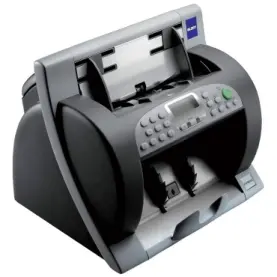
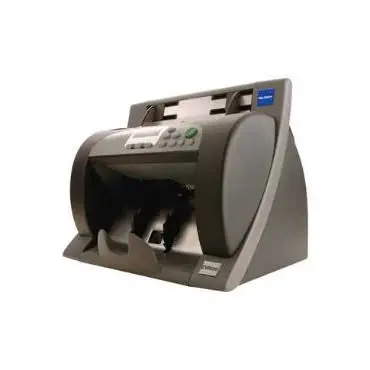
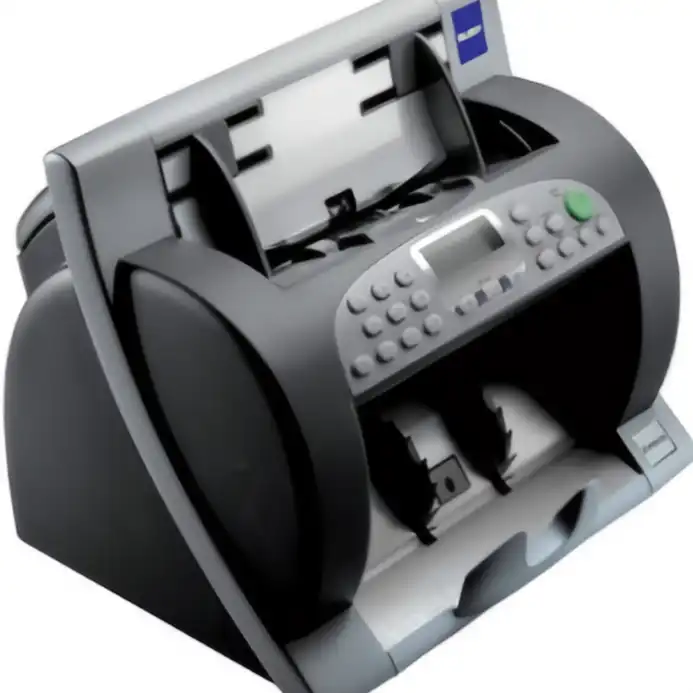
The Glory EV8626 is a professional-grade banknote counting machine built specifically for high-volume cash environments like bank back offices and cash-in-transit vaults. Processing 1,000 to 1,500 notes per minute with Dual-CIS image capture and UV/MG/MT/IR multi-spectrum detection, the EV8626 addresses two core operational demands: speed and counterfeit accuracy. Financial institutions across North America report measurable reductions in end-of-day reconciliation time after deploying this device. With a 500+ note hopper, RS-232/USB connectivity, and multi-currency firmware, it fits directly into existing treasury management workflows.
Understanding the Glory EV8626 Counter and Its Core Features
The Glory EV 8626 8650 Counter line comes from Japan and shows how much Glory has worked on cash processing over the years. If you want to know why procurement managers at commercial banks and CIT companies like this machine so much, it helps to look at some use cases first.
Dual-CIS Processing Technology
Two Contact Image Sensors are placed on opposite sides of each bill for the machine to work. This catch on both sides lets the counter read serial numbers, find problems with the print, and make audit trail pictures all at the same time. This feature gets rid of the need to log transactions by hand in back-office vault operations that need to keep records for legal reasons.
Multi-Spectrum Counterfeit Detection
There are IR (Infrared), UV (Ultraviolet), MG (Magnetic), and MT (Magnetic Thread) detection layers in the sensor array. Each layer focuses on a different protection trait that is printed on real money. Together, they can spot sophisticated fakes, even ones that look like real dollars and pass single-sensor checks. During quality control, known test decks of both fake and bleached notes are used to make sure that the system's OBA (Optical Banknote Analysis) is sensitive.
Integration and Connectivity
The Glory EV8626 8650 has both RS-232 and USB interfaces, so it can connect directly to Treasury Management Systems (TMS) and software for logging sales at the point of sale. Multi-currency firmware supports USD, EUR, GBP, and other denominations. This is important for banks with correspondent accounts or CIT companies that ship cash across borders.
Practical Use Cases in Banks and Cash Offices
There are three problems that banks and cash offices always have to deal with: mistakes made when counting money by hand, slow handling times, and fake bills getting smarter. All three are taken care of by the EV8626's automation and detection layers. Here are the main areas of operations where this counter gives us measurable results:
- Bank Back-Office Vault Processing: Tellers consolidate daily deposits into bulk batches that vault staff must count, sort, and verify. At 1,500 notes per minute with a 500+ note hopper, the EV8626 processes a standard $10,000 mixed-denomination bundle in under a minute, cutting end-of-day reconciliation time by a documented margin reported by institutions using similar Glory hardware.
- Cash-in-Transit (CIT) Vault Operations: CIT companies like Brink's and Loomis depend on high-throughput counters for intake verification when cash arrives from retail clients. The machine's heavy-duty friction feed mechanism handles worn, soiled, or crumpled notes without jamming, which is a common failure point in lighter-duty counters used in transit environments.
- Retail Cash Reconciliation Centers: Large supermarket chains and hotel groups operating centralized cash offices process till drawers across dozens of locations each night. The EV8626's mixed-denomination counting and value totaling capability replaces manual denomination sorting before counting, directly reducing labor hours at supervisory stations.
One thing that all of these use cases have in common is that they need a failure rate of less than 1 in 100,000 passes. This is the industry KPI that procurement managers and risk compliance officers use as a standard when judging RFPs.
Comparing the Glory EV8626 with Market Alternatives
When managers of cash operations look at banknote counters for big purchases, they look at a number of different sites. Based on its technical specs, the Glory EV 8626 8650 Counter fits into a certain spot in that analysis.
Speed and Throughput
This desk-top sorting machine is one of the best because it can sort between 1,000 and 1,500 notes per minute. Entry-level counters usually can only handle 600 to 800 notes per minute, which slows down work during busy vault times. The EV8626 doesn't have this problem.
Detection Depth vs. Single-Sensor Competitors
A lot of mid-range counters depend on UV or UV plus MG. The EV8626 has a four-layer detection stack that includes UV, MG, MT, and IR. It also has Dual-CIS image analysis, which makes the verification process more thorough. This is important for risk compliance officers because they need proof that their equipment meets or beats the Federal Reserve's guidelines for finding fake money.
Total Cost of Ownership for Bulk Orders
Chief financial officers who are thinking about deploying 50 to 100 units weigh the initial cost of each unit against the cost of maintenance over three to five years. The EV8626's friction rollers and separate wheels are rated for more than 1,000,000 operating cycles. This means that you won't have to call for mechanical service as often. There are both brand-new and certified refurbished units to choose from, which gives procurement teams the freedom to plan their capital expenditures across fiscal quarters.
Purchasing and Procurement Guide for the Glory EV8626
There's more to getting the right banknote counter than just reviewing description sheets. Cash operations managers can move quickly from RFP to deployment if they know the procurement path.
Sourcing New vs. Refurbished Units
Brand-new Glory EV 8626 8650 units have all of the factory settings and firmware that is up to date when they are sent out. When bought from a trusted seller, certified restored units are re-calibrated sensors, have new rollers installed, and have their software updated before they are sold again. As part of their due investigation process, banks that have to follow buying compliance rules always check that refurbished units have service records that can be seen.
Firmware and Currency Updates
Firmware changes can be sent to the EV8626 via USB. When the Federal Reserve or a foreign central bank puts out new series of notes, Glory's service network sends out currency recognition data changes. Before you buy, make sure that the supplier you're considering has an active firmware update channel. This will keep you from getting false rejection errors on newly issued notes.
Warranty and After-Sales Support
The Glory EV 8626 8650 Counter comes with a 30-day guarantee and can be fixed online through official methods. It is standard practice in the CIT procurement cycle to negotiate extended service agreements that cover cleaning schedules for sensors and priority replacement parts for large-scale deployments.
Maintenance and Troubleshooting Tips for the EV8626
A structured maintenance schedule is needed to keep the machine running at its best. The following processes stop the most common types of failure in high-volume settings.
CIS Sensor Cleaning
Over time, dust and ink residue build up on the CIS glass panels. The manufacturer suggests cleaning once a week with a dry, lint-free cloth in places that handle more than 50,000 notes every day. If CIS screens are dirty, they send out fake alerts, which stops the vault from working and creates extra reports for compliance teams.
Feed Mechanism Calibration
The feed gap change at the back of the unit should fix any CHAIN or DOUBLE feed mistakes that show up on the counter. This means that the space between the notes has moved, which is a normal effect of roller wear. It doesn't take a service technician more than five minutes to re-calibrate the gap.
Software and Log Management
The EV8626 can send count logs straight to a linked TMS through its RS-232 and USB ports. Archiving these logs on a regular basis keeps the machine's memory clear and keeps a record of transactions that can be checked. This meets the needs of both internal audits and regulatory reviews from outside the company.
Conclusion
It is important for banks and CIT vaults to have the Glory EV8626 counter because it meets a unique need. It can process 1,000 to 1,500 notes per minute, has four layers of counterfeit detection, Dual-CIS image capture, and TMS-compatible connection. These features meet the real KPIs that cash operations managers report during purchase evaluation. The machine can be bought as either brand-new or certified refurbished, which gives procurement teams options for when budgets change. The EV8626 is a technically sound choice for institutions that deal with a lot of cash every day and need to make sure that error rates and counterfeit detection accuracy are met.
FAQ
Why does the EV8626 show frequent DOUBLE feed errors?
Most of the time, this error means that the feed gap is too big, letting two notes pass at the same time. The gap can be fixed by turning the interference knob on the back of the unit. Notes that are sticky or damp can also make this happen.
How often should the CIS sensors be cleaned?
Where 30,000 or more notes are processed every day or more, cleaning once a week is the norm. Keeping the sensor screens clean is the best way to keep them in good shape because dust on the CIS glass directly leads to false phony detection.
Can the EV8626 detect Superdollar counterfeits?
Yes. Forgeries of Superdollars can't correctly copy the MG and IR sensors' maps of magnetic ink spread and infrared absorption patterns. With Dual-CIS image analysis, the machine can find security features that you can't see with the naked eye.
Does the machine handle polymer banknotes?
Both cotton-paper and polymer substrates can be moved by the transport mechanism. For smaller polymer notes, the feed gap may need to be slightly adjusted, but there are no hardware changes that need to be made.
How are firmware updates delivered for new note series?
Updates are sent through Glory's service network using cash data patches that can be connected via USB or PC. Before you finalize a bulk purchase order, it's important to make sure that your supplier has active firmware access.
Source the Glory EV8626 from RM — Request a Quote Today
From our factory in Shenzhen, China, RM has been sending financial equipment and ATM parts to banks and CIT operators for more than 20 years. As a reliable Glory EV8626 seller, we offer both brand-new and certified refurbished units that have had their firmware checked and come with a 30-day warranty. Answers to questions are given by our team within 24 hours. You can email us at Tony@atm-part.com to get prices for your next purchase cycle.
References
1. Bank for International Settlements — "Counterfeit Detection in High-Volume Cash Processing," BIS Working Papers, 2021.
2. Federal Reserve Bank of San Francisco — "Trends in U.S. Currency in Circulation," Economic Letter, 2022.
3. Glory Global Solutions — EV Series Banknote Counter Product Technical Documentation, 2020.
4. International Association of Currency Affairs (IACA) — Currency Technology Review: Sensor Standards for Banknote Authentication, 2022.
5. European Central Bank — Report on Euro Banknote Counterfeiting, 2023.
6. Cash Product Office, U.S. Federal Reserve — Fitness Sorting and Currency Verification Standards for Financial Institutions, 2021.
Learn about our latest products and discounts through SMS or email