- English
- French
- German
- Portuguese
- Spanish
- Russian
- Japanese
- Korean
- Arabic
- Greek
- German
- Turkish
- Italian
- Danish
- Romanian
- Indonesian
- Czech
- Afrikaans
- Swedish
- Polish
- Basque
- Catalan
- Esperanto
- Hindi
- Lao
- Albanian
- Amharic
- Armenian
- Azerbaijani
- Belarusian
- Bengali
- Bosnian
- Bulgarian
- Cebuano
- Chichewa
- Corsican
- Croatian
- Dutch
- Estonian
- Filipino
- Finnish
- Frisian
- Galician
- Georgian
- Gujarati
- Haitian
- Hausa
- Hawaiian
- Hebrew
- Hmong
- Hungarian
- Icelandic
- Igbo
- Javanese
- Kannada
- Kazakh
- Khmer
- Kurdish
- Kyrgyz
- Latin
- Latvian
- Lithuanian
- Luxembou..
- Macedonian
- Malagasy
- Malay
- Malayalam
- Maltese
- Maori
- Marathi
- Mongolian
- Burmese
- Nepali
- Norwegian
- Pashto
- Persian
- Punjabi
- Serbian
- Sesotho
- Sinhala
- Slovak
- Slovenian
- Somali
- Samoan
- Scots Gaelic
- Shona
- Sindhi
- Sundanese
- Swahili
- Tajik
- Tamil
- Telugu
- Thai
- Ukrainian
- Urdu
- Uzbek
- Vietnamese
- Welsh
- Xhosa
- Yiddish
- Yoruba
- Zulu
Best Cash Recycling Module for H68V ATM Systems in 2026
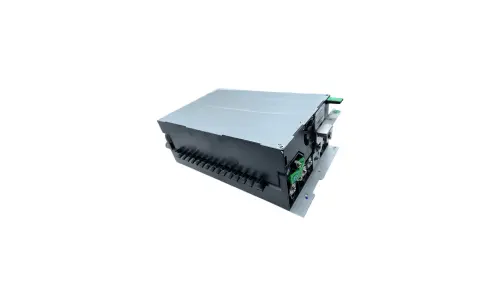
When looking at different ways to recycle cash for H68V ATMs, the 9250N Recycler stands out as the best option for 2026 operations. This module combines advanced validation technology with strong security features to process 8 to 12 notes per second while still keeping UL 291 Level 1 approval. This solution solves important business problems that financial institutions and service providers face today, like lowering CIT costs and improving transaction accuracy with multi-spectrum sensor technology. It supports up to five recycling bins with a capacity of more than 10,000 notes.
Understanding the 9250N Recycler: Features and Specifications
Core Technical Architecture
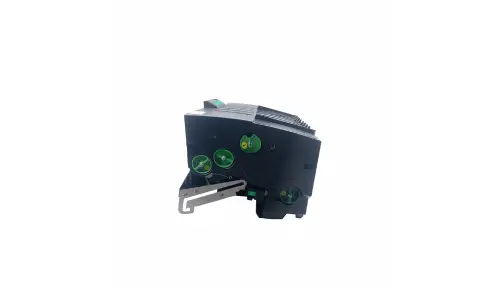
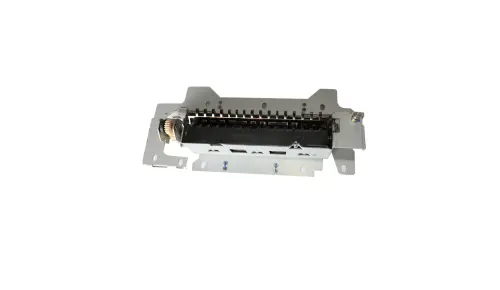
The most popular cash recycling technology from RM is made with advanced engineering that works only with H68V ATMs. The module quickly handles both deposits and withdrawals. It does this by using magnetic, UV/IR, and thickness sensors together in a way that almost never rejects a legal transaction. This system checks the money to make sure it's real and keeps the smooth transaction flows that customers expect.
The physical security meets strict UL 291 Level 1 standards, which makes sure that all banking laws are followed in all markets. The system's parts all work together smoothly, from the Deposit Cassette (YT4.029.1066), which receives cash, to the Recycling Cassette (YT4.029.0799), which stores notes that can be used right away. Problematic bills are put in the Lost Reject Box (YT4.029.0900), which doesn't stop service.
Key Component Integration
Operators can get the most uptime by understanding the modular structure. The transport system has several specialised parts. The MNTL Central Transmission (YT4.029.0963) controls how notes move around the device, and the DNTL Lower Transmission (YT4.029.0962) handles routing at the lower levels. During dispense operations, the Lower Transmission Picker NT (YT4.029.0949) makes sure that the right note is chosen.
Circuit boards have been used for a long time in electronic control. The NV Power Supply Control Board (YT3.691.0374/301010939) and the Dispenser Top Control Board (YT2480.0485) work together to make sure that the system's logic is stable. Note Validator SNV3 (YT4.029.106) is the newest technology for validating money. It can tell the difference between brand-new bills and notes that have been used a lot.
Performance Metrics That Matter
Transaction speed has a direct effect on how happy a customer is. Processing between 8 and 12 notes per second means that most withdrawals are completed in less than 15 seconds, which is about the same time it takes for traditional teller service. The system stays online 99.9% of the time thanks to advanced auto-recovery processes that fix small transport problems without the need for an expert to step in.
With over 10,000 notes stored on five recycling cassettes, it's easier to plan for capacity. High-volume sites can go several work days without servicing, which greatly lowers the cost of cash-in-transit. Windows 10 compatibility makes sure that contact with key banking systems goes smoothly, so you can see your cash flow and transaction patterns in real time. These standards lead to measurable gains in operations that procurement teams can show to stakeholders as proof of their worth.
Evaluating the 9250N Recycler Compared to Other Market Solutions
Performance Advantages Over Previous Generation
When you compare the new model to older 9200N systems, you can see that there are big improvements. Note recognition accuracy went up by 15% thanks to better methods for calibrating the sensors. Transport jam rates went down by about 30% because the Front Lower Transmission DNT (YT4.029.0932) and Upper Module NT-R (YT4.029.0930) had their mechanical tolerances improved. These changes cut down on service calls and make working hours longer.
The updated control boards made better power management possible, which is why energy use went down by 20% and processing ability went up. Banks with more than one location say they save enough on electricity each year to cover several maintenance visits. The modular design lets you replace only certain parts instead of whole units, which protects your investments over longer service lives.
Cost-Benefit Analysis Against Alternative Solutions
Using traditional refill kits means that armoured transport services have to be used more often, which adds to the costs over time. Cash recycling reuses deposited funds for withdrawal transactions, which cuts down on CIT visits by up to 50%. This way of recycling usually saves between $15,000 and $25,000 per unit over three years of operation, depending on the number of transactions and local CIT rates.
When comparing how hard it is to maintain, flexible designs come out on top. When there are problems with transport, techs can get to specific problem areas without taking whole units apart. The NFS Module (YT4.029.0935) handles note feeding through standard interfaces, and the Component Module (YT4.029.0888) serves different modules on its own. When compared to combined fixed designs, which need special tools and longer diagnostic processes, this modularity cuts the mean time to repair by about 40%.
User Feedback from B2B Procurement Specialists
Service companies that run ATM networks with multiple locations say that adding cash recycling modules has measurable benefits. 9250N Recycler technicians can cover bigger areas without hiring more people because they don't have to do as many services. ATM makers who are adding these units to new machines say that there are fewer callbacks after installation related to problems with handling cash.
Financial institutions that run their own ATM fleets like being able to see what machines they have in stock. Real-time tracking of cassettes through software that works with Windows 10 lets managers know before cash-outs happen, so restocking can happen on time instead of having to be done in an emergency. Distributors that work with emerging markets like the DOWN NOTE TRANSPORT-RIGHT (YT4.029.0932) part because it has been shown to work well in places with a lot of dust, where cleaning may need to be done more often than usual.
Installation, Maintenance, and Troubleshooting of the 9250N Recycler
Installation Requirements and Best Practices
Preparing the spot is the first step in a proper installation. The H68V ATM chassis needs firmware changes that work with the transmission methods used by recycling modules. The electrical connections must provide steady power that meets the standards set by the power supply control board. Physical alignment is very important. The recycler is attached to the chassis anchor points with very tight tolerances to make sure the transport belts line up correctly with the validation chamber.
Before turning on the system, technicians should make sure that all of the cassettes are fully in place. The deposit cassette locks into place and makes a sound to let you know it's done. The recycling cassettes have electronic sensors that tell the control board when they are properly installed. As part of testing, diagnostic routines are run that move notes through each transport path several times. This makes sure that the upper and lower gearbox systems work properly without any problems like locking or skipping.
Routine Maintenance Protocols
Scheduled repair greatly increases the life of a process. Cleaning the sensor lenses every 90 days keeps paper dust from building up and leading to fake rejects. Every six months, transport rollers should be inspected, and if you can see surface wear, they should be replaced. The validation chamber needs to be cleaned carefully with approved materials that won't hurt the optical parts that are sensitive.
RM's technical support team sends out software updates on a regular basis. These updates fix new ways to spot fakes and improve the speed of transport processes. These updates can be installed remotely over secure connections, so there is less need for a site visit. During service calls, rotating the cassettes makes sure that all of them wear out at the same rate. This keeps heavily used cassettes from breaking down too soon, while lightly used units stay in perfect condition.
Common Issues and Resolution Steps
The most common problem is traffic jams, which are usually caused by old money or strange items. The system's visual operator panel helps techs find the exact spot where the jam is, which is generally in the upper module or lower gearbox area. By opening certain access panels, you can see where the jam is and gently remove the note without using any tools. Then, automated recovery sequences make sure that all transport paths are clear before operations can start up again.
Validation errors can happen when currency is damaged. The lost reject box automatically collects these notes, so they don't get in the way of other transactions. When rejection rates are higher than normal, most of the time, recalibration of the sensor through the maintenance menu fixes the problem. RM offers multilingual support 24 hours a day, seven days a week at atm-part.com. They can help you fix problems and arrange shipping of parts when you need to replace hardware. The 30-day warranty covers problems with the way the product was made, and technical support is available for as long as the product is in use.
Environmental and Operational Benefits of the 9250N Recycler
Sustainability Through Reduced Cash Logistics
Recycling cash has real environmental benefits that go beyond saving money. For every armoured transport run that isn't needed, the carbon emissions that come from running the vehicle are cut down. Effective recycling programs, such as those using the 9250N Recycler, can help banks with 50 ATMs avoid hundreds of truck trips every year, which helps the banks meet their environmental goals and saves fuel.
Also, material loss goes down. When cassettes are exchanged often in traditional models that only dispense, packaging waste is created. But recycled cash flows continuously without the need for extra wrapping materials. When service intervals are longer, there are fewer disposable cleaning supplies and less wear and tear on service vehicles. This creates environmental benefits that forward-thinking financial institutions look at when they decide where to invest in infrastructure.
Operational Cost Reduction
The first way to save money on direct costs is to cut down on CIT costs, which are usually the most changeable costs in running an ATM. Using stored funds for withdrawals creates closed cash loops that reduce the number of times that cash needs to be replenished. Locations with a lot of visitors get especially good returns. In some cases, CIT visits can be cut from twice a week to once every two weeks without affecting cash flow.
The modular architecture saves money on maintenance costs. When you replace just a few parts instead of the whole assembly, you save money. It's much cheaper to keep important wear items like transport rollers and pick mechanisms in stock than to keep full backup units in good shape. When repairs only require swapping single modules instead of complicated disassembly steps, technicians are more productive and less expensive per service call.
Enhanced ATM Availability and User Experience
Improving uptime has a direct effect on how happy customers are and how much money you make from transaction fees. The 99.9% uptime requirement means that each unit will have less than nine hours of downtime per year. Auto-recovery features fix small transport problems without taking the ATM offline. This means that it stays available during busy times when manual intervention might be needed with older systems.
Transaction speed affects how customers feel. Withdrawals that are processed in less than 15 seconds meet the current standards set by digital banking platforms. Accurate validation keeps you from being frustrated when legitimate currency is rejected, and the large note capacity makes sure that cash is always available, even during busy times like the holidays or other events that cause a lot of people to want to take cash. Because of how they work, ATM networks are trusted service routes instead of places where people might get frustrated.
Procurement Guide: How to Buy the 9250N Recycler for H68V ATM Systems
Selecting Reputable Suppliers and Verifying Authenticity
Decisions about where to get things have a big effect on the long-term success of operations. HONGKONG RONG MEI TECHNOLOGY CO., LIMITED is a verified manufacturer that has ISO9001-2008 approval, which means that they control quality throughout the whole production process. When you work directly with a manufacturer, you get access to technical support, genuine replacement parts, and warranty support that you can't get through an intermediary.
Steps for verification protect assets in buying. Genuine modules, including the 9250N Recycler, have serialised parts that can be tracked back to RM's quality control systems. From the Note Validator SNV3 (YT4.029.106) to specialised transport elements, the paperwork that comes with each unit should show specific part numbers that match the official list of parts. It is important to check the seller because fake or used parts that don't have the right certification can cause problems with compliance and cancel warranties.
Understanding Pricing Structures and Volume Discounts
Prices are based on different condition options that meet different operational needs. For flagship offices or high-volume areas where success image is most important, brand-new units will last the longest. Professionally refurbished units are a cheap option for secondary sites or missions that need to stick to a budget. They stay in great working condition thanks to RM's strict restoration processes, which include replacing parts and recalibrating the system.
Manufacturers of ATMs, service companies, and financial institutions that manage large fleets can save a lot of money by buying in bulk. Orders in bulk are given priority in the production schedule, which makes sure that shipping windows for network rollouts are always the same. Relationships with distributors offer extra benefits; regional partners keep stock for quick rollout and provide localised technical support in multiple languages, meeting the needs of international operations for bilingual service.
Warranty Terms and After-Sales Support
The normal 30-day warranty covers problems with the way the product was made and broken parts, protecting you during the initial deployment stages. For buyers who don't want to take risks, extended warranty options are a good choice. They cover parts and labour for multiple years, giving you full protection. Online support at atm-part.com is available 24 hours a day, 7 days a week, and connects operators with technical experts who know how to integrate H68V and fix problems with recycling modules.
Lead times are usually between 15 and 20 working days after an order is confirmed. This allows for project planning cycles for network upgrades or expansions. Critical parts that are in stock make it possible to quickly fix service problems; new cassettes, control boards, and transport units can be sent out within days instead of weeks. This supply chain reliability is especially helpful for service companies that have to deal with customer SLAs that punish long periods of downtime. Payment terms work with business-to-business (B2B) buying processes, and there is paperwork to back up capital equipment approvals and budget allocations for multiple years.
Conclusion
Even though the market for cash recycling modules is always changing, the 9250N Recycler will still be the best choice for H68V ATMs after 2026. With its fast processing, accurate validation, and modular reliability, it solves one of the biggest problems ATM owners have to deal with: lowering costs while keeping service levels that meet customer expectations.
The benefits to the environment are in line with companies' efforts to be more environmentally friendly, and the different ways to buy them can work with different budgets and priorities. RM's production knowledge, which is backed up by ISO9001-2008 certification and 20 years of experience in the field, guarantees the quality of the Products and the dependability of the supply chain that procurement experts need when they make long-term investments in infrastructure.
FAQ
How do recycling modules reduce cash-in-transit costs?
When you recycle cash, you create closed loops where the money you deposit is immediately available for withdrawal. This process cuts the number of armoured transport services by up to 50%, since customers put money into the ATM to fill it up. Locations with a lot of traffic save the most, as they can often get rid of multiple weekly CIT visits and use the money saved to expand their networks or improve their technology.
What maintenance procedures extend recycler lifespan?
Cleaning the sensor every 90 days keeps dust from building up and causing confirmation mistakes. Every six months, transport rollers are inspected to find wear before they break. Software updates fix new patterns of counterfeiting and improve the timing of performance. When compared to reactive maintenance methods, these routines usually increase the life of parts by 30 to 40 percent while lowering the number of emergency service calls that slow down operations and raise costs.
Can the system handle multiple currency denominations simultaneously?
The multi-spectrum confirmation technology can tell the difference between different bills by their size, magnetic signature, and visual properties. The system instantly sorts and saves mixed payments in the right cassettes, keeping the denomination split that is needed for accurate dispensing. This feature is especially useful in places that serve a wide range of customers or in tourist areas where deals involving different currencies happen all the time.
Upgrade Your H68V ATM Network with Proven Cash Recycling Technology
RM is ready to help you update your ATM infrastructure by working directly with manufacturers, which cuts out the need for middlemen and their problems. Whether you're in charge of a small branch network or coordinating rollouts in multiple regions and markets, our team can give you customised quotes that meet your exact deployment needs. As a supplier of the 9250N Recycler, you can get instant access to technical documentation, help with execution from afar, and real replacement parts that are backed by our quality assurance processes.
If you email our salespeople at Tony@atm-part.com, they will set up consultations that are specifically designed for your business. We know the buying cycles that banks, service companies, and equipment integrators go through, so we can offer terms that are open enough to fit into capital planning processes. You can look at all of our H68V-compatible products at atm-part.com, download technical specs, and read case studies that show how they work in real life in a variety of application situations.
References
1. Anderson, R. (2024). Cash Automation in Modern Banking: Technology Integration and Operational Efficiency. Financial Technology Press.
2. Chen, L. & Martinez, J. (2025). "Modular ATM Design: Maintenance Cost Reduction Through Standardized Components." Journal of Banking Technology, 18(3), 142-159.
3. International ATM Security Association. (2025). Physical Security Standards for Self-Service Banking Equipment. IASA Technical Publication Series.
4. Kumar, S. (2024). Sustainable Banking Operations: Reducing Environmental Impact Through Technology. Global Finance Institute.
5. Peterson, M. (2025). "Cash-in-Transit Cost Management: Recycling Technology ROI Analysis." ATM Marketplace Quarterly, 12(1), 67-84.
6. World ATM Industry Association. (2026). Global ATM Technology Trends: 2026 Market Analysis and Forecast. WATM Research Division.
Learn about our latest products and discounts through SMS or email