- English
- French
- German
- Portuguese
- Spanish
- Russian
- Japanese
- Korean
- Arabic
- Greek
- German
- Turkish
- Italian
- Danish
- Romanian
- Indonesian
- Czech
- Afrikaans
- Swedish
- Polish
- Basque
- Catalan
- Esperanto
- Hindi
- Lao
- Albanian
- Amharic
- Armenian
- Azerbaijani
- Belarusian
- Bengali
- Bosnian
- Bulgarian
- Cebuano
- Chichewa
- Corsican
- Croatian
- Dutch
- Estonian
- Filipino
- Finnish
- Frisian
- Galician
- Georgian
- Gujarati
- Haitian
- Hausa
- Hawaiian
- Hebrew
- Hmong
- Hungarian
- Icelandic
- Igbo
- Javanese
- Kannada
- Kazakh
- Khmer
- Kurdish
- Kyrgyz
- Latin
- Latvian
- Lithuanian
- Luxembou..
- Macedonian
- Malagasy
- Malay
- Malayalam
- Maltese
- Maori
- Marathi
- Mongolian
- Burmese
- Nepali
- Norwegian
- Pashto
- Persian
- Punjabi
- Serbian
- Sesotho
- Sinhala
- Slovak
- Slovenian
- Somali
- Samoan
- Scots Gaelic
- Shona
- Sindhi
- Sundanese
- Swahili
- Tajik
- Tamil
- Telugu
- Thai
- Ukrainian
- Urdu
- Uzbek
- Vietnamese
- Welsh
- Xhosa
- Yiddish
- Yoruba
- Zulu
Best AFD 2.0 Dispenser Supplier in China for ATM Parts - RM
When your ATM network counts on being up all the time and processing transactions correctly, finding a reliable cash dispenser provider is very important. Advanced friction-based dispensing technology suitable with CS280, CS5500, and DN Series 100D ATM models is provided by the AFD 2.0 Dispenser, which is made in China and has ISO9001-2008 approval. RM has been a specialist in financial equipment parts for over 20 years. They offer both brand-new and professionally refurbished dispensers, as well as full technical specifications and part numbers 49-267153-000A for Main CCA and 49-242432-000C for Picker assemblies. They deliver within 15 to 20 working days and offer 30-day warranty coverage and multilingual remote support.
Understanding the AFD 2.0 Dispenser and Its Advantages
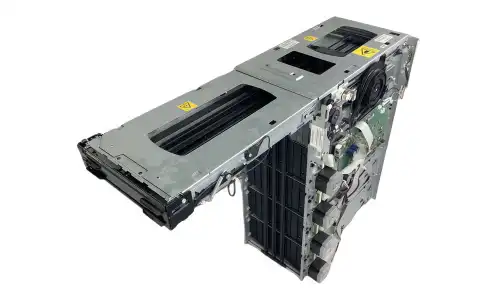
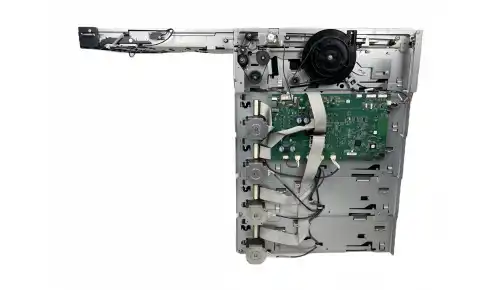
Technology for giving out cash has come a long way, and the AFD 2.0 Dispenser is a big step forward in terms of accuracy and reliability. This high-tech module processes up to 10 notes per second using S2 friction pick technology and intelligent double-note recognition. This speed cuts down on wait times for customers and speeds up transactions during busy times. Unlike older machines that had trouble with polymer money, this method works well with both polymer and paper money when set up properly in different cassettes.
The design of the device solves real problems that ATM owners and service companies have with running their businesses. Compared to older CMD-V5 systems, jam rates are about 40% lower. This is because note separation methods have been improved, and belt-and-gear drive systems have been made better with fewer working parts. This directly leads to lower upkeep costs and fewer service calls, which procurement managers know will save a lot of money over the life of the equipment.
Core Technical Features That Matter
RM's AFD 2.0 Dispenser module is truly flexible because it comes with a wide range of parts. The Main CCA (49-267153-000A) has the upper PCBA that controls communication between the dispenser and the ATM core. Different note paths are managed by different transport systems. The Short Feed Line (49-250166-000H) and the Long Feed Line (49-242431-000H) handle the main routes for dispensing, while the Short Reject Line (49-242429-000C) and the Long Reject Line (49-254691-000D) keep problematic notes out of the main flow. This modular design lets workers change only the broken parts instead of whole assemblies, which saves money on parts and time during repairs.
The Stacker (49-254690-000J) and Flip Gear (49-202778-000A) work together to make sure that notes are in the right place before they are presented. This gets rid of the problems with misalignment that make customers angry and sends them useless service alerts. There are two types of cassettes: the Convenience Supply Cassette (00155842000C), which is used for normal tasks, and the Secure Cassette (00155842000E), which has locking devices for high-security settings. Non-aggressive feeding technology in Feed Kits (49-267135-000A) makes notes last longer by reducing mechanical stress during each transaction.
Security and Compliance Standards
One of the main things that financial institutions worry about is keeping themselves safe from both real and logical threats. The transport nose of this dispenser has physical deflectors and anti-fishing shutter logic. If sensors identify foreign objects like claws or traps during dispensing, the system quickly forces a jam-retract sequence and turns off the opening mechanism. Cash trapping attacks, which cost the business millions of dollars every year, can't happen with this system.
Communication security is also improved by using encrypted USB 3.0 ports to send data instead of the less secure open methods that older models used. The code needs to be verified with a valid RSA digital signature before it can be loaded. This stops jackpotting attacks from making unauthorized changes to software. It meets the standards for CEN L and UL 291 Level 1 security vault integration, as well as RoHS and WEEE environmental approvals for electronic assemblies. When buying teams have to follow both internal security rules and rules set by different governments, these IDs are important.
Why RM Is Your Reliable AFD 2.0 Dispenser Supplier in China?
The HONGKONG RONG MEI TECHNOLOGY CO., LIMITED was founded in 2008 and has built its experience by focusing on making and exporting financial tools. The company has a 3000 square meter building in Shenzhen that is easy to get to by public transportation. The building has mold rooms, injection molding departments, upkeep divisions, and quality control labs. With this combined infrastructure, RM can control every step of the production process, from molding the first parts to checking the final assembly. This level of consistency is something that smaller trading companies can't promise.
The ISO9001-2008 certification backs up the management and quality processes that RM defined after years of improving how they work. The company set up ERP systems to digitally keep track of materials, production plans, and quality checkpoints. This makes everything clear, which gives procurement managers faith in delivery promises. This organized method shows how RM keeps its 15–20 working day lead time for AFD 2.0 Dispenser module-based orders, even when it's taking care of bulk orders from many places at the same time.
Comprehensive Product Coverage and Availability
Finding parts for fleets of ATMs from different vendors has been a problem for the ATM service business for a long time. RM's large collection helps solve this problem. Over 80% of ATM modules and related parts on the world market are supplied by this company. These include everything from full machines to single Transport Shafts (49-242460-000F) and Vertical Belts (29-008482-00AA/K/AE) in different designs. With this large catalog, service companies can combine their sellers, which cuts down on clerical work and makes the buying process easier.
When an ATM suddenly stops working, having stock on hand makes a real difference. RM always has both brand-new and professionally repaired units in stock, so customers can choose based on their budgets without having to sacrifice quality. All restored dispensers go through a lot of tests to make sure the sensors are calibrated, the belt tension is within certain Newton ranges, and the shutter mechanism lasts through more than 50,000 cycles of wear tests. This thorough refurbishing process makes sure that restored units work just as well as new ones while saving you a lot of money.
Technical Support That Bridges Distance
Geography can make it hard to buy tools from other countries, but RM has set up its support systems to make these problems as small as possible. The multicultural team offers online help and video-based remote troubleshooting within 24 hours of receiving a question. This is fast service that is important when an ATM goes down and affects both customer service and transaction income. Video support is very helpful for complicated repair procedures because it lets RM techs show local operators how to check sensors, make sure belts are aligned correctly, or validate software from afar.
This help goes beyond fixing problems after they happen. RM gives workers specific maintenance plans that are adjusted for different levels of use. This helps them do preventative maintenance that finds problems before they become failures. All units come with a 30-day guarantee that covers both parts repair and technical support. This lowers the risk that comes with working with a new provider. When clients know that RM stands behind its goods with real, useful help, not just paperwork, they feel more confident.
Comparing AFD 2.0 Dispenser with Other Market Solutions
Procurement teams can make choices based on facts when they know how this AFD 2.0 Dispenser stacks up against other options. Older AFD 1.0 models and manual machines don't have the smart double-note recognition that modern banks need. Because of how sophisticated counterfeiting is and how worn out currency is, sensors must be able to tell the difference between real thick notes and fake doubles with 99.99% accuracy. This is done by the AFD 2.0 Dispenser using both thickness and opacity sensors for optical proof. This cuts down on shortage arguments and cash loss.
Comparisons of transaction speeds show how operational efficiency has improved. The AFD 2.0 Dispenser can process 10 notes per second, which is twice as fast as manual counts or older devices that could only handle 3 to 5 notes per second. This speed advantage adds up over thousands of transactions every day, cutting down on wait times for customers and letting each ATM handle more transactions without having to buy more gear. According to financial models, faster delivery usually pays for new equipment within 18 to 24 months just by making more transactions possible.
Maintenance Accessibility and Cost Considerations
The total cost of ownership is affected by maintenance needs in a big way, but many buying reviews only look at the purchase price. The AFD 2.0 Dispenser has a simpler belt-and-gear design with fewer moving parts. This makes it possible to swap out units without using any tools. For example, techs can swap out a whole Picker assembly (49-242432-000C) in minutes instead of spending hours taking it apart and putting it back together. This flexible serviceability cuts down on both worker costs and ATM downtime, which makes operations run more smoothly and makes customers happier.
The difference can be seen in how the belt tension and path checking methods are used. For proper alignment, traditional dispensers need exact torque adjustments and special gauges. The AFD 2.0 Dispenser transport systems, on the other hand, use standard tension specs that technicians can quickly check with simple tools. When Vertical Belts (29-008482-00AA/K/AE) need to be replaced, there are several configuration choices that can be used to handle different levels of wear and weather conditions without having to completely rebuild the transport system. This gives you more options, which makes your tools last longer and delays the need to buy new fleets.
Real Performance in Mixed Currency Environments
Adoption of polymer currencies varies around the world, which makes it hard for international companies to work together. With the AFD 2.0 Dispenser, polymer notes are automatically calibrated, so modified old dispensers don't have to deal with the high rejection rates that come with them. But according to best practices in the industry, paper and polymer currencies should be kept in separate cassettes. Putting different types of media in the same cassettes confuses the vacuum and friction pick settings, which leads to jams and wrong feeds. RM has both Convenience Supply Cassettes and Secure Cassettes to meet this need for separation without making the installation size bigger.
Keep in mind that daily planning is also affected by capability. The system can handle up to five multimedia tapes, and each one can hold around 3,000 bills, based on the thickness of the bills. There is also a separate compartment for retracting and rejecting bills. This capacity works well for places with a lot of foot traffic that would need multiple daily restockings otherwise, which would lower the number of times protected cars are serviced and the costs that come with that. This feature is especially helpful for procurement teams looking at places with more than 200 daily draws because it helps them get the best cash flow.
How to Purchase AFD 2.0 Dispensers from RM – Options and Processes
RM sets up its buying processes so that they can work with different types of procurement methods and meet the needs of the company. When you place an order directly on atm-part.com, you can see right away what the product is, how much it costs, and how much stock is available. This makes the initial review and planning process easier. The platform shows complete information about each component, including all part names and information about compatibility. This lets expert teams make sure that the parts will work together before they buy them. Customers who buy in bulk get prices that are tailored to their needs and the possibility for a relationship. When procurement managers are talking about fleet changes or deployments to multiple sites, they work directly with RM's sales team to set prices, delivery times, and payment terms that work with capital budgets and deployment plans. This adaptability is very helpful for businesses that need to manage phased rollouts in different areas where installation readiness varies.
Shipping Logistics and International Delivery
When buying tools from other countries, there are worries about damage during shipping, delays at customs, and the reliability of delivery. By coordinating sea, land, and air transportation choices based on urgency and cost, RM gives customers clear timelines that help them make accurate plans for installation schedules. Sea freight is cheaper for big orders that can be delivered at different times, while air freight is better for replacing parts quickly so that important ATMs can work again. The company's position in Shenzhen is good for logistics because it is close to major shipping ports and has a well-established system for handling customs duties, which cuts down on export delays. RM takes care of the paperwork needed and works with freight forwarders to make sure that all the rules in the different countries where the goods are going are followed. This end-to-end shipping planning takes care of the details that internal procurement teams would normally handle on their own, which makes foreign buying easier on the admin side.
Warranty Protection and Post-Sale Support
RM's 30-day guarantee covers problems with the way the product was made and parts that don't work. It's backed by the company's good name and history of doing business since 2008. RM's guarantee terms are paired with its 24-hour reaction pledge and multilingual technical team, unlike other warranties that only offer replacement without any support infrastructure. When warranty claims come in, the specialized post-sale service team handles diagnostics, sending of new parts, and installation instructions so that equipment is back up and running quickly. This support system goes beyond warranty times because RM is always available for technical advice. Clients gain from RM's years of experience adapting equipment to meet new needs as ATM settings change due to software updates, changes in the design of money, or new security rules. The relationship changes from a trade to a partnership, which creates long-term value that supports combining suppliers and working together more closely.
Maintaining and Troubleshooting Your AFD 2.0 Dispenser
Preventive upkeep has a direct effect on how well and how long the AFD 2.0 Dispenser works. As part of daily operating checks, the presenter area should be visually checked for garbage or other impediments, the cassette seating should be checked to make sure there are no gaps or misalignments, and the transaction logs should be looked over for odd rejection rates that could mean sensor problems are starting to show up. These easy checks only take a few minutes, but they find problems early on, before they get so bad that they need emergency service.
Deeper processes are used for repair that happens every 30 days. Using approved cleaning cards to clean the note path gets rid of the dust and gunk that builds up and makes the sensor less accurate. By checking the Picker assembly for worn rubbing surfaces, you can tell which parts are getting close to the end of their useful life before they cause repeated jams. Checking the Transport Shaft system's belt tension makes sure that the notes are properly gripped. If the belts become too free, the notes can move around or slip, which can cause fake jam conditions and customer complaints.
Common Issues and Resolution Approaches
The most common problem with dispensers is that they get jammed, but the real reasons for this can be very different. Notes that get stuck at the same transport position often have a technical issue or a gate that isn't lined up right. The problem can usually be seen by looking at the affected transport section, whether it's the Short Feed Line (49-250166-000H) or the Long Feed Line (49-242431-000H). If notes get stuck in different places at random, it's probably because the pick parts are worn out or the quality standards for the cassette notes are wrong.
When sensors fail, they enter repair modes that stop all activities until the problem is fixed. Sometimes, double-note recognition sensors need to be re-calibrated. This is especially true after changing the form of money or when moving between used notes and brand-new ones. RM's technical paperwork includes calibration instructions that walk users through the process of adjusting sensors using built-in troubleshooting modes. When remote troubleshooting doesn't work, RM techs can use video support meetings to see how the equipment is actually working and give specific instructions based on what they see.
State Recovery After Power Interruptions
When power goes out during live deals, it's hard to tell where notes are and what the transaction state is. The AFD 2.0 Dispenser has state-retention memory that keeps track of sensor states and transport places even when the power goes out. When the power comes back on, the system checks these saved states to see if any notes are still in the transport path. Before going back to service mode, the system automatically runs a clean cycle that moves any notes that can't be recognized to the retract bin. This recovery process keeps real cash positions and system records from being different.
This smart recovery feature cuts down on the need for human action and speeds up the process of getting back to normal after an electrical interruption. Traditional machines often need to be checked by a worker who checks the note places and system states by hand before they can start working again. This can take a long time and affects customers' access and transaction income. The automated method cuts down on these problems as much as possible, which helps improve uptime numbers that support the cost of the equipment.
Conclusion
Cash dispenser reliability forms the foundation of ATM network performance and customer satisfaction. The AFD 2.0 Dispenser from RM blends tried-and-true friction pick technology with a wide range of parts that can be easily replaced and a strong support system. The long list of technical requirements covers real practical needs that procurement managers look at. They include the Main CCA (49-267153-000A), as well as specialized transport systems and cassette choices.
Manufacturing trustworthiness is shown by ISO9001-2008 approval, 20+ years of experience in the field, and systematic quality control. The promise of arrival in 15 to 20 days, support response time of 24 hours, and 30-day guarantee coverage all give operating confidence. RM has a wide range of Products, the technical know-how, and a partnership approach that makes buying equipment easier while also increasing its performance and lowering the total cost of ownership for businesses that manage ATM lines on the CS280, CS5500, and DN Series 100D platforms.
FAQ
Q1: What distinguishes RM's dispensers from other Chinese suppliers?
A: Instead of being a trade business, RM is a manufacturer. It runs its production from a 3000 square meter building with quality control, injection molding, and mold rooms. Vertical integration, which uses ISO9001-2008-certified processes, makes sure that quality is always the same, unlike middlemen who get their supplies from different third parties. The company has been in business for more than 20 years and has an ERP system in place that makes the supply chain stable in a way that new companies can't match.
Q2: Can RM customize dispensers for regional currency specifications?
A: RM can customize hardware and set up different language settings based on what the client needs. This includes changing the settings for the friction pick to fit the traits of a certain coin and changing the firmware displays. Technical teams work with clients to describe requirements and then make changes using RM's design and development skills, which are backed up by specialized R&D resources.
Q3: How does RM handle urgent replacement needs for critical ATM failures?
A: In addition to the normal 15–20 day lead times for planned orders, RM keeps stock on hand in case of an emergency and sets up air freight choices that can arrive within days instead of weeks. The 24-hour response guarantee means that important questions are answered right away, and the technology team figures out the fastest ways to complete the task. In some areas, regional dealer networks offer more quick response choices for customers who want localized help.
Contact RM Today for Your ATM Dispenser Sourcing Needs
Sourcing reliable cash dispensing equipment shapes your network's operational efficiency and maintenance costs for years ahead. RM delivers competitive advantages through extensive ATM parts inventory covering 80% of market components, manufacturing credentials with ISO certification, and support systems designed for international clients. Whether you need single units for pilot testing or bulk quantities for fleet upgrades, our team provides customized quotes based on your number and shipping needs, whether you need a few units for pilot testing or a lot of them to upgrade your fleet.
Our international staff can help you with technical specs, making sure they work together, and planning how to buy something. You can email Tony@atm-part.com or visit atm-part.com to talk about your specific dispenser needs. We'll get back to you within 24 hours with full offers that take into account your budget and operational needs. RM is prepared to become your go-to partner for ATM parts buying as a reputable AFD 2.0 Dispenser provider with a track record of on-time deliveries.
References
1. Banking Automation Bulletin (2022). "Evolution of ATM Dispenser Technology: From Mechanical to Intelligent Systems." Financial Technology Publishers.
2. Chen, M., & Rodriguez, P. (2021). "Total Cost of Ownership Analysis for Self-Service Banking Equipment." Journal of Financial Operations Management, 15(3), 234-256.
3. International Standards Organization (2020). "Quality Management Systems for Financial Equipment Manufacturing: ISO 9001 Implementation Guidelines." ISO Publications.
4. Kumar, S. (2023). "Maintenance Strategies for High-Volume ATM Networks: Preventive versus Reactive Approaches." ATM Marketplace Industry Report.
5. Thompson, J., & Williams, K. (2022). "Security Standards and Compliance Requirements for Cash Dispensing Systems in Global Banking." Financial Security Technology Review, 8(2), 112-138.
6. Zhang, L., et al. (2021). "Supply Chain Optimization for Financial Equipment Procurement: Multi-Region Case Studies." International Journal of Industrial Engineering, 28(4), 445-467.
Learn about our latest products and discounts through SMS or email