- English
- French
- German
- Portuguese
- Spanish
- Russian
- Japanese
- Korean
- Arabic
- Greek
- German
- Turkish
- Italian
- Danish
- Romanian
- Indonesian
- Czech
- Afrikaans
- Swedish
- Polish
- Basque
- Catalan
- Esperanto
- Hindi
- Lao
- Albanian
- Amharic
- Armenian
- Azerbaijani
- Belarusian
- Bengali
- Bosnian
- Bulgarian
- Cebuano
- Chichewa
- Corsican
- Croatian
- Dutch
- Estonian
- Filipino
- Finnish
- Frisian
- Galician
- Georgian
- Gujarati
- Haitian
- Hausa
- Hawaiian
- Hebrew
- Hmong
- Hungarian
- Icelandic
- Igbo
- Javanese
- Kannada
- Kazakh
- Khmer
- Kurdish
- Kyrgyz
- Latin
- Latvian
- Lithuanian
- Luxembou..
- Macedonian
- Malagasy
- Malay
- Malayalam
- Maltese
- Maori
- Marathi
- Mongolian
- Burmese
- Nepali
- Norwegian
- Pashto
- Persian
- Punjabi
- Serbian
- Sesotho
- Sinhala
- Slovak
- Slovenian
- Somali
- Samoan
- Scots Gaelic
- Shona
- Sindhi
- Sundanese
- Swahili
- Tajik
- Tamil
- Telugu
- Thai
- Ukrainian
- Urdu
- Uzbek
- Vietnamese
- Welsh
- Xhosa
- Yiddish
- Yoruba
- Zulu
Benefits of Using SelfServ ATM Recyclers in Banking
Today's banking requires that every transaction be quick, safe, and low-cost. The Selfserv ATM recycler has become a game-changing solution that solves the problems of managing cash and gives businesses real operational benefits. These smart machines accept deposits and give out cash all in one unit, reusing notes that have been deposited for future withdrawals. This closed-loop system cuts Cash-in-Transit costs by a huge amount, cuts down on downtime, and makes the best use of cash inventory. When banks and other financial institutions use this technology, transaction speeds, security, and customer satisfaction all get a big boost.
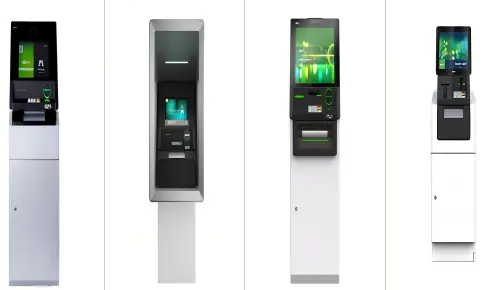
Introducing SelfServ ATM Recyclers: Technology and Operation
The structure of a Selfserv ATM recycler is a complex piece of engineering made for tough banking environments. The main part of the device is Bill Recycling Units, which use advanced sensor technology to check, sort, and store banknotes.
Core Components and Functionality
Modern recyclers use Magnetic and Ultraviolet detection systems along with Contact Image Sensors to accurately check the value of money. The multispectral sensor technology reads serial numbers and sorts bills by fitness level, separating bills that are still good to be used from bills that are worn out or damaged. This feature makes sure that standards set by the Central Bank Framework are followed, and it also protects the integrity of transactions.
The modular cassette setup usually has four or five recycle cassettes, and each one can hold anywhere from 2,000 to 3,400 notes, depending on the type of notes used. Questionable bills are automatically thrown away in a separate bin. Both deposits and withdrawals can be processed at speeds of 8 to 12 notes per second, and each bundle of notes can hold more than 200 notes. These requirements make it possible for high-volume areas to keep running smoothly during busy times.
Integration with Banking Infrastructure
Being able to connect to core banking systems lets cash management be seen in real time. The built-in software makes operations clear, so banks can check on cash levels, transaction patterns, and maintenance needs from afar. Transactions that are encrypted and anti-skimming tools help stop fraud while also meeting strict regulatory requirements. The temperature range is from 0°C to 40°C, and the humidity range is from 20% to 85%. This means that it will work reliably in a variety of deployment sites.
Major Benefits of Using SelfServ ATM Recyclers in Banking
Cash recycling technology has a lot of great benefits that affect both operational costs and the customer experience. Knowing about these benefits helps procurement managers make investment decisions and set reasonable goals for performance.
Dramatic Reduction in Cash-in-Transit Costs
One of the biggest ongoing costs for banks is their Cash-in-Transit services. Traditional ATMs need to be refilled by hand often, usually twice or three times a week in places with a lot of traffic. You can cut this frequency by up to 50% by recycling cash that has been deposited and used for withdrawals. When armored cars don't have to go as often, service contracts, insurance premiums, and staff coordination time are saved in a big way. Banks with multiple locations report that using Selfserv ATM recycler fleets has helped them save six figures every year.
Enhanced Cash Flow Management
With real-time monitoring, cash forecasting goes from being a reactive guess to a proactive plan. Centralized dashboards give branch managers accurate information about the amount of cash on hand, the number of transactions, and the distribution of denominations. This visibility lets networks best distribute cash, which cuts down on both cash shortages and too much inventory. By investing working capital instead of idle cash reserves, institutions can boost their overall financial performance.
Improved Customer Experience
At self-service terminals, transaction speed has a direct effect on how happy customers are. Recyclers can handle deposits and withdrawals faster than regular ATMs, which cuts down on wait times when they're busy. Business banking clients especially benefit from being able to accept large deposit bundles without having to insert them multiple times. Fewer service interruptions for cash restocking mean that machines are available more of the time, so customers can complete transactions whenever they need to.
Strengthened Security and Compliance
Advanced authentication technology lowers the risk of accepting fake notes, and automated fitness sorting keeps note quality standards high. Communication protocols that encrypt data keep sensitive transaction data safe while it is being processed. Detailed audit trails help make sure that regulations are followed and make the process of reconciliation easier. These security features cut down on fraud losses and show regulatory authorities that you did your homework during exams.
Extended Equipment Lifecycle
The reinforced belt-drive transport paths and high-torque stepper motors can handle millions of transaction cycles with little wear and tear. Mechanical failures and the costs of fixing them are less likely when engineering is done well. Predictive maintenance can find problems before they break down, so repairs can be planned for times when there isn't much traffic. A Selfserv ATM recycler further enhances this dependability, as it makes equipment last longer and get the most out of your investment.
Comparing SelfServ ATM Recyclers to Alternative Solutions
Before making a purchase decision, it's important to carefully consider the technologies that are available and how well they work in different operational situations. Understanding important differences helps you make the best choice.
Recyclers Versus Traditional ATMs
Traditional ATMs have separate functions for depositing and dispensing, and they need different cassettes for each. This method requires more frequent cash replenishment and leads to more dead cash on hand. Selfserv ATM recyclers get rid of this waste by keeping a single cash pool that can be used for both purposes. The operational savings are especially big in places with a lot of transactions, where deposits and withdrawals naturally balance out.
New Equipment Versus Refurbished Options
People who are on a tight budget often look at used equipment, but this choice comes with costs that go beyond the initial purchase price. Selfserv ATM recyclers, the newest recyclers have the most up-to-date authentication sensors, software features, and mechanical improvements that fix known reliability problems. Manufacturer warranties cover a lot of things and give you access to networks for technical support. Even though refurbished units may be cheaper to buy, they usually come with shorter warranties and service lives. The total cost of ownership favors new equipment, even though it costs more up front. This is especially true for institutions planning long-term deployments.
Emerging Technology Integration
Leaders in the industry now include contactless interfaces that let smartphones be used for authentication and to start transactions. Monitoring with artificial intelligence looks at patterns of performance to predict when maintenance will be needed and to make the best use of cash allocation algorithms. Because of these improvements, recyclers will be able to adapt to changing customer needs and technological standards for as long as they are in use.
Practical Guide to Procurement and Implementation
For Selfserv ATM recycler deployment to go smoothly, there needs to be careful planning during the buying, installation, and ongoing support stages. Paying attention to important details at every stage keeps mistakes from being expensive and speeds up the time it takes to get value.
Evaluating Technical Specifications
How much cash you need depends on how often you want to restock and how many transactions you expect to happen. For longer service cycles, branches with a lot of traffic need cassettes with the most space possible, while locations with less traffic may value small footprints. Communication protocols, software interfaces, and security certificate management need to be carefully looked at to make sure they work with existing IT infrastructure. Make sure that the models being considered will work with your core banking platform and won't need expensive middleware development.
Compliance with security protocols must be in line with institutional standards and government rules. Make sure that the devices you're looking at meet or go beyond the latest encryption standards, physical security certifications, and accessibility guidelines. Ask for detailed technical documentation and set up demonstration units so that IT security teams can test them out in real life before making a decision.
Structuring Procurement Agreements
Aside from lower unit prices, bulk purchasing agreements with qualified suppliers save a lot of money. When there are supply problems, volume commitments can often lead to better financing terms, longer warranties, and faster distribution of goods. Setting up framework agreements with suppliers like RM leads to long-term partnerships that support consistent quality, dependable delivery schedules, and quick technical support. The Selfserv ATM recycler is a key part of this strategy, as RM keeps more than 80% of ATM modules and parts in stock, including those for the Selfserv ATM recycler, so orders can be filled quickly and replacement parts are always available throughout the lifecycle of the equipment.
Delivery times for standard module configurations are usually between 15 and 20 working days. However, if customizations are needed, this time frame may be extended. Make lead times clear when you're negotiating a contract, and add enough time to your deployment schedules to account for unexpected events. To keep valuable items safe while they're being shipped by sea, land, or air, make sure you know the exact packaging requirements, shipping methods, and insurance coverage.
Installation and Commissioning Best Practices
Installing something correctly by certified professionals sets the stage for long-lasting reliability. As part of site preparation, the right power supply specifications, network connectivity, physical security measures, and environmental controls must all be met. Work with the facilities teams early on to make any changes to the infrastructure that need to be made before the equipment arrives.
As part of the commissioning process, all functions should be fully tested under simulated transaction loads. Check the accuracy of handling different amounts of cash, the calibration of sensors, the integration of software, and the operation of security features. Train your staff on routine tasks, basic problem-solving, and how to escalate problems. Write down baseline performance metrics to set standards for ongoing monitoring.
Establishing Maintenance Protocols
Structured maintenance plans keep small problems from getting worse and leading to major failures. As part of daily checks, you should look for physical damage, make sure there are enough consumables, and look through the transaction logs to look for patterns of errors. Cleaning sensors and transport paths, testing backup power systems, and checking the status of software updates are all things that are usually done once a week. Trained technicians do deep maintenance once a month that includes adjusting the machine's parts, lubricating them, and checking for wear on each one.
RM offers online support and video remote assistance 24 hours a day, 7 days a week to quickly fix problems. Multilingual skills make sure that everyone can communicate clearly across global deployments. This responsive service model keeps customers happy even when there are technical problems and cuts down on downtime.
Future Trends and Sustainability in SelfServ ATM Recycling
Sustainability concerns, digital integration, and changing consumer habits are all speeding up the development of Selfserv ATM recycler technology. Procurement strategies that are forward-thinking are ready for these changes.
Energy Efficiency and Environmental Impact
Modern recyclers use a lot less power than older ones did because the parts are more efficient and the power is managed smartly. Standby modes use less energy when the system is not being used, but they don't affect the readiness for transactions. These changes lower operational costs and help companies keep their promises to be more environmentally friendly. Some manufacturers now offer carbon footprint reporting tools that can be used to figure out how much better the environment is because of fewer needs for armored transport.
Material selection increasingly favors parts that can be recycled and fewer harmful substances. End-of-life equipment disposition programs make it easier to recycle metals, plastics, and electronic parts in a responsible way. These features help banks that want to get environmental certifications show that they have complete green banking plans.
Predictive Analytics and IoT Integration
Connecting things to the internet lets you keep an eye on their performance and make improvements based on data. Machine learning algorithms look at patterns in the past to predict changes in cash demand, suggest the best mix of denominations, and plan preventative maintenance. Selfserv ATM recyclers use these features to cut down on both emergency calls and stockpiling too much cash, which directly improves operational efficiency.
Centralized fleet management platforms collect data from all terminal networks and look for patterns and oddities that can't be seen at the unit level. This level of visibility helps make strategic decisions about how to use equipment, when to update software, and when to replace technology.
Enhanced User Interface Design
Improvements to accessibility make it possible for more customers to use self-service terminals on their own. Users who have trouble seeing or thinking can use bigger screens, voice guidance, and haptic feedback. Support for multiple languages makes it easier to use in a wide range of settings. These improvements make it less necessary to use teller services and make all types of customers happier.
Conclusion
The Selfserv ATM recycler has strong operational benefits that make it a valuable asset for banks that want to improve efficiency, security, and customer satisfaction. Less Cash-in-Transit costs, better cash flow management, and better transaction experiences all lead to measurable returns that justify capital investment. As technology keeps getting better with features like sustainability, predictive analytics, and easier access, recyclers set up businesses to have a long-term competitive edge. When looking at these solutions, procurement teams should put an emphasis on full supplier partnerships that offer not only high-quality equipment but also full support ecosystems. Cash management can go from being a cost center to a value driver with the right mix of technology, service, and strategic planning.
FAQ
1. How do recyclers improve cash efficiency compared to traditional ATMs?
Selfserv ATM recyclers make a closed-loop cash system where notes that are deposited are immediately usable for withdrawal transactions. Traditional ATMs keep separate pools of cash for deposits and withdrawals, which means they need to be restocked more often and have more money on hand. By getting rid of this separation, recyclers cut down on Cash-in-Transit visits by as much as 50% and cut down on the amount of cash that sits idle. As a result, operational costs go down and working capital is better used.
2. What maintenance procedures do SelfServ ATM recyclers require?
Visual checks and reviews of transaction logs are part of daily maintenance. Sensor cleaning and transport path maintenance are tasks that need to be done every week. Deep service is done once a month by trained technicians who make mechanical adjustments and check for wear on all parts. Modern recyclers can check for problems on their own and let operators know about them before they happen. RM offers video and remote support to help fix issues quickly and keep downtime to a minimum.
3. Can recyclers integrate with existing banking software systems?
These days' recyclers work with most core banking platforms and support standard banking communication protocols. The integration lets you process transactions in real time, keep an eye on your cash flow, and manage your fleet from one place. During the procurement process, you should look over the technical specifications to make sure they work with your IT infrastructure. RM offers technical advice to make sure that new systems work well with existing ones.
Partner with RM for Your SelfServ ATM Recycler Supply Needs
To upgrade to more advanced cash recycling technology, you need a reliable Selfserv ATM recycler supplier with a track record of success and full support services. For more than 20 years, RM has been making specialized financial equipment for banks, ATM operators, and service providers around the world. Our 3,000-square-meter ISO9001-2008-certified production facility has mold rooms, injection molding operations, maintenance divisions, and quality control departments that make sure the Products are very reliable.
RM sells everything from whole ATMs to individual spare parts because it keeps more than 80% of all the available ATM modules and parts in stock. Our responsive support, technical help in multiple languages, and ability to customize meet a wide range of operational needs effectively. Contact Tang@atm-part.com right away to talk about your specific needs and get personalized advice based on decades of experience in the field.
References
1. Banking Technology Review, "Cash Recycling Systems: Operational Benefits and ROI Analysis for Financial Institutions," Journal of Banking Operations, 2023.
2. International ATM Industry Association, "Global Standards for Bill Recycling Units: Technical Specifications and Performance Benchmarks," ATMIA Technical Publication, 2024.
3. Financial Services Technology Consortium, "Branch Transformation Strategies: Self-Service Technology Implementation Guide," FSTC Research Report, 2023.
4. Central Banking Security Forum, "Authentication Technology in Automated Cash Handling: Counterfeit Detection Standards," CB Security Guidelines, 2024.
5. Retail Banking Innovation Institute, "Total Cost of Ownership Analysis: ATM Recyclers Versus Traditional Cash Dispensers," RBII White Paper, 2023.
6. Sustainable Banking Initiative, "Energy Efficiency and Environmental Impact of Modern ATM Technology," Environmental Banking Review, 2024.
Learn about our latest products and discounts through SMS or email