- English
- French
- German
- Portuguese
- Spanish
- Russian
- Japanese
- Korean
- Arabic
- Greek
- German
- Turkish
- Italian
- Danish
- Romanian
- Indonesian
- Czech
- Afrikaans
- Swedish
- Polish
- Basque
- Catalan
- Esperanto
- Hindi
- Lao
- Albanian
- Amharic
- Armenian
- Azerbaijani
- Belarusian
- Bengali
- Bosnian
- Bulgarian
- Cebuano
- Chichewa
- Corsican
- Croatian
- Dutch
- Estonian
- Filipino
- Finnish
- Frisian
- Galician
- Georgian
- Gujarati
- Haitian
- Hausa
- Hawaiian
- Hebrew
- Hmong
- Hungarian
- Icelandic
- Igbo
- Javanese
- Kannada
- Kazakh
- Khmer
- Kurdish
- Kyrgyz
- Latin
- Latvian
- Lithuanian
- Luxembou..
- Macedonian
- Malagasy
- Malay
- Malayalam
- Maltese
- Maori
- Marathi
- Mongolian
- Burmese
- Nepali
- Norwegian
- Pashto
- Persian
- Punjabi
- Serbian
- Sesotho
- Sinhala
- Slovak
- Slovenian
- Somali
- Samoan
- Scots Gaelic
- Shona
- Sindhi
- Sundanese
- Swahili
- Tajik
- Tamil
- Telugu
- Thai
- Ukrainian
- Urdu
- Uzbek
- Vietnamese
- Welsh
- Xhosa
- Yiddish
- Yoruba
- Zulu
AFD 2.0 ATM Module Uses and Applications in Banking
For modern banks, the AFD 2.0 ATM part is a big step forward in the technology used to give out cash. This high-tech dispenser is the most important part of distributing money safely and accurately across a number of ATM systems, such as the CS280, CS5500, and DN Series 100D types. The DN 2.0 architecture has better S2 Friction Pick Technology, smart double-note recognition, and a modular design that solves the problems banks keep having with equipment dependability, maintenance costs, and transaction accuracy. This module gives banking institutions that manage a variety of ATMs uniform performance while lowering running costs.
Understanding the Core Features and Benefits of AFD 2.0 ATM Module
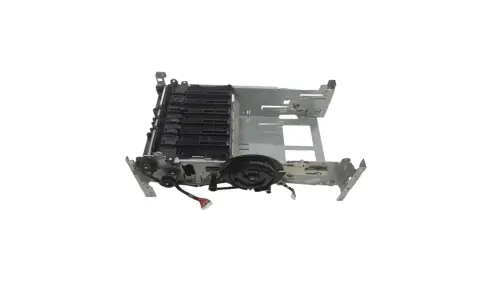

The AFD 2.0 Dispenser works as a precision-engineered system made to handle the tough conditions of high-volume banking settings. At its heart, this module is made up of several specialized units that work together to make sure that all cash transfers go smoothly.
Advanced Component Architecture
The Main CCA (49-267153-000A) of the module is an example of excellent engineering. It has a top PCBA that controls all delivery operations. This main control unit handles data processing between the host controller of the ATM and the mechanical transport devices. The design allows for quick responses and works with encrypted USB 3.0 methods to keep transaction data safe during the whole delivery process.
It's amazing how flexible the AFD 2.0's transport methods are. The Short Feed Line transport (49-250166-000H) and Long Feed Line transport (49-242431-000H) can handle different tape layouts. This lets banks store their money in the best way possible based on how often they handle transactions. Along with the Short Reject Line transport (49-242429-000C) and Long Reject Line transport (49-254691-000D), these systems send suspicious notes to the Reject Cassette (00-103334-000Q/R) before they get to users. This multi-path design makes it much less likely for customers to complain about broken or fake money.
Operational Reliability Features
The note stacking device (Stacker 49-254690-000J) is a major improvement in the quality of the show. Older machines sometimes gave out crumpled or misplaced notes. This stacker, on the other hand, makes sure that all notes are neatly presented and ready for customers, no matter what condition they are in or what denominations they are. The Flip Gear (49-202778-000A) lets you turn notes over to show both sides. This is especially useful for polymer currencies that need to be shown at certain angles for security features to be checked.
The Picker unit (49-242432-000C), which uses friction-based separation technology, is a big part of how accurately notes are picked. This part works with the Feed Kits (49-267135-000A), which are made for non-aggressive feeding that keeps the purity of the note even after thousands of pick cycles. The Transport Shaft (49-242460-000F) and Vertical Belts (29-008482-00 in AA/K/AE configurations) finish the mechanical path and make sure that the notes move smoothly from the tape to the display slot.
Cassette Flexibility and Security
The AFD 2.0 works with both Convenience Supply Cassettes (00155842000C) and Secure Cassettes (00155842000E), which gives banks a choice in how they run their businesses. Convenience cassettes speed up restocking in branch settings where armed car services run on a regular basis, while secure cassettes offer better physical safety for outlying areas or high-risk deployments. This feature of having two cassettes lets institutions use a single dispenser base while adapting the amount of security to each location's risk rating.
Up to ten notes can be dispensed per second, which cuts transaction times by a large amount during busy banking hours. With this much output and the ability to handle about 3,000 notes per cassette, the AFD 2.0 is perfect for places with a lot of customers where wait times have a direct effect on customer happiness.
How AFD 2.0 ATM Module Works in Different Banking Scenarios
The needs of banks change a lot depending on where they are located. For example, in cities, branches handle hundreds of transactions every day, while in rural areas, they serve smaller towns. The flexible design of the AFD 2.0 works well across this range.
High-Volume Urban Deployment
Financial hubs in cities need machines that can keep running at high speeds with little downtime. These needs are met by the AFD 2.0's predictive health tracking features, which send sensor data to management systems so that they can check the vehicle's condition in real time. Before problems happen, maintenance teams are told about wear conditions, which lets them plan repairs for times when demand is low. The modular picker sub-assembly design is especially useful here—technicians can swap out the whole picking unit in minutes without taking the body apart, which greatly reduces the time needed for maintenance.
Multi-Currency Tourist Locations
With mixed-denomination and polymer cash handling, tourist areas and foreign airports have their own problems. The AFD 2.0's built-in calibration for polymer notes gets rid of the high rejection rates that happen when modified old systems are used. Banks can set up different cassettes for paper and plastic money, and the dispenser will change the pick settings automatically based on where the cassette is placed. This configuration flexibility makes sure that the friction pick works well with any type of cash, which improves the customer experience and cuts down on service calls related to problems with dispensing.
Retail and Convenience Banking
In-store and convenience banking machines work in less controlled settings where changes in temperature and a lack of room can make equipment less reliable. The AFD 2.0's small size makes it easy to place in tight areas, and its 24V DC dedicated power rail reduces the need for extra electrical infrastructure. The anti-fishing shutter logic protects against fraud in places that aren't being watched. If sensors pick up on foreign objects during the dispensing cycle, the system starts a jam/retract sequence and stops the opening mechanism, keeping cash safe from thieves who try to steal it by setting traps.
Branch Modernization Projects
During upgrading efforts, it can be hard to integrate old ATM lines. Because the AFD 2.0 works with the CS280, CS5500, and DN 2.0 Series 100D systems, it's possible to change in stages. Banks can choose high-traffic areas to convert right away while keeping older equipment in other areas and gradually standardizing their infrastructure as budget cycles allow. This backward compatibility lowers the total cost of ownership by making current ATM chassis last longer while updating important cash-handling parts.
These examples of deployment show how the DN 2.0 dispenser's adaptable design can work in a variety of situations without needing a lot of customization. The platform consistently performs well in all banking settings, from allowing fast transactions in busy financial centers to making sure stable operation in difficult retail settings.
Comparing AFD 2.0 ATM Module with Previous Versions and Market Alternatives
Procurement workers can better understand the AFD 2.0's value proposition by learning about the evolutionary changes from earlier dispenser versions. The units from earlier generations had a lot of problems that kept coming up, which modern banking operations find more and more unacceptable.
Performance Improvements Over AFD 1.0
When transaction rates were smaller and currency standardization was stronger, the first AFD platform did a good job for the business. The AFD 2.0 fills in important holes that have appeared as banking has changed. The speed of dispensing went up by about 40% because the transport timing methods were better and the mechanical accuracy was raised. The accuracy of finding double notes got a lot better, which cut down on customer complaints and back-office accounting costs.
Probably the most important improvement is the use of polymer for handling money. To work with polymer notes, the first generation of devices needed a lot of changes to be made in the field, which often led to uneven performance and high rejection rates. The AFD 2.0 has polymer-specific calibration factors built in from the start, so these problems are no longer a problem. Banks in areas that are switching to polymer cash will gain right away, without having to make any changes.
Maintenance Efficiency Gains
The switch to replacing modular subassemblies is a big change in how repair is done. In older dispensers, technicians had to take apart large parts of the chassis to get to worn parts. This meant that repair windows were longer and needed more advanced skills. The picker part (49-242432-000C), transport systems, and stacker gear of the AFD 2.0 can all be replaced in the field. This method cuts down on the average time it takes to fix something, the complexity of keeping track of extra parts, and the number of skilled workers needed to do regular maintenance.
Market Alternative Comparisons
Other makers' competitive dispensers have basic features that are similar to the AFD 2.0, but there are a few things that make the AFD 2.0 stand out in purchase evaluations. Availability of parts is an important factor to think about; the platform's maturity makes sure that new parts are always easy to get through established supply lines. Suppliers like RM keep large stockpiles that include more than 80% of popular ATM parts. For module-based sales, the normal wait time is 15 to 20 working days.
Long-term ownership costs are often more affected by how easy it is to get technical help than by the original purchase price. A lot of information and a large business network are helpful for the AFD 2.0. Support for multiple languages is especially helpful for foreign banks, where language barriers can make troubleshooting harder and cause problems to take longer to fix. With video help and remote diagnostics, experienced technicians can walk local staff through difficult processes without having to wait for them to get there.
When procurement teams are looking at different options, they shouldn't just rely on manufacturers' promises of "comprehensive support." Modules with proprietary parts from limited production runs run the risk of parts becoming obsolete, which could mean that otherwise functional equipment has to be replaced too soon. The large number of deployments of the AFD 2.0 across various ATM systems guarantees that all of its parts will remain available for a long time.
Procurement Guide: How to Buy and Implement AFD 2.0 ATM Modules
When buying cash dispensing tools strategically, you need to think about your current needs, the long-term costs of running the business, and the vendor's abilities. Structured review of a number of important factors helps the AFD 2.0 purchase process.
New Versus Refurbished Options
Choosing between new and used items is often based on budget, but there is more to this decision than just comparing costs. Brand-new AFD 2.0 units have the longest expected operating life and usually come with full guarantees. When you buy refurbished units from reputable sellers who follow strict testing procedures, you can save a lot of money and be sure that they will work well. A good repair process involves taking everything apart, replacing worn parts, cleaning it thoroughly, and trying it's functionality in a lot of different ways to make sure it works well in every situation.
Suppliers with a good reputation back up their reconditioning methods with 30-day guarantees, even on used units. Companies that are in charge of a lot of ATMs often put new units in places with a lot of customers and used modules that have been fixed up in places with less traffic. This helps them get the most out of their capital allocation across their networks. The modular design of the AFD 2.0 actually makes refurbishment more likely to work. This is because key wear parts are replaced during reconditioning, which resets the operating clock on mechanical systems that are most likely to break down.
Supplier Evaluation Criteria
Choosing the right vendor has a big effect on the long-term owning experience. In addition to price, buying teams should look at a number of important skills. Stock availability directly impacts project timelines—suppliers who keep a ready supply of full modules and key subassemblies allow for quick deployment and reduce the number of emergency service delays. If a manufacturer or dealer has parts like the Main CCA (49-267153-000A), picker assemblies, and cassette variants in stock, as well as DN 2.0 compatible components, they can help you more quickly than sellers who need longer wait times.
The framework for technical help should be carefully looked over. Suppliers that offer online and video live help can fix problems faster than those that only send out field service technicians. For foreign business, being able to offer product documentation and help in more than one language is important. Organizations that are in charge of ATM networks in more than one area benefit greatly from providers who can provide uniform support quality no matter where they are located.
The ability to customize adds another layer to evaluating a seller. Standard setups work well for most applications, but for some operations, hardware changes or language changes are needed. When suppliers have their own tech staff, they can meet these specific needs without having to coordinate with multiple parties. For example, RM's customization services include adapting gear and setting up foreign interfaces, which makes buying easier for businesses with unique needs.
Implementation Planning
A successful rollout of dispensers needs organized planning that takes into account logistics for installation, training for technicians, and the change from one mode of operation to another. Installation instructions from reputable sellers should include information on how to place the hardware, connect it to the power, and set up the software. Installation mistakes that hurt efficiency or put people in danger are less likely to happen when there is detailed paperwork.
Putting money into training pays off in a big way: fewer service calls and better problem solving. Comprehensive programs should cover things like how to do regular repair, fix common problems, and change parts the right way. Video-based training tools make it possible for technical teams in different parts of the world to share information consistently. Technicians gain confidence before going out into the field by practicing with real hardware, preferably using training units that are provided.
Large-scale conversions with phased rollout plans have less risk. Pilot installations in controlled settings let companies check the system's performance, make maintenance methods better, and find any problems with integration before the full rollout. This methodical approach is especially helpful when changing old dispensers with ones with different designs, because it gives you time to change how things are done and what parts you have on hand before implementing them across the whole company.
Future Outlook: Trends and Innovations in ATM Module Technology with AFD 2.0
The financial self-service business is still changing quickly because of new fraud threats, changing customer standards, and new technologies. The AFD 2.0 technology shows that it can work with a number of important business trends in the future.
Enhanced Security Integration
The complexity of financial crime keeps growing, which means that technologies used to stop it need to keep getting better too. In the future, AFD 2.0 systems will probably use AI-powered analytics to find small changes in delivery patterns that could be signs of theft. A computer program called machine learning can find signs of card skimming, cash trapping, and other types of fraud by looking at things like transaction time, number patterns, and sensor data sequences that a person might miss.
Improvements to physical security, such as better lock systems and stronger cassette designs, will help deal with new attack methods. The flexible design of the platform makes these improvements possible without having to replace the whole dispenser. Instead, security-critical parts can be improved separately as threats change.
Remote Management Capabilities
IoT connectivity is a huge change in how ATM fleets are managed. Network-connected dispensers send continuous operating data, which lets repair plans plan ahead and make the most of uptime while lowering service costs. Real-time tracking of component health measures, such as pick success rates, transport timing changes, and belt tension indicators, lets maintenance be optimized based on the real state of the equipment—and when paired with DN 2.0 compatible systems, this data-driven approach becomes even more effective—instead of making service schedules up on the spot.
Service reaction times are cut down by a huge amount when remote diagnostics are available. Before going to a site, technicians can look at detailed operational logs, check the states of sensors, and even run diagnostic programs. This makes sure that they have the right parts and information to quickly fix problems. This remote view is especially helpful for ATM networks that are spread out geographically, where the cost of trip has a big effect on the economics of service.
Sustainability Considerations
Environmental duty is becoming more and more important in all fields, including banks, when it comes to buying things. The AFD 2.0's modular repair method naturally supports sustainability by stretching equipment life through part change instead of throwing away the whole unit. This serviceability cuts down on technological trash and lowers the total cost of ownership, which is good for both the economy and the environment.
Improvements in the energy efficiency of computer parts and motor systems lower the amount of power needed for operations. This is something that organizations that track the carbon footprints of big groups of equipment should think about. RoHS and WEEE certifications show that a supplier is environmentally friendly. This helps business customers meet their own green goals and makes sure that suppliers are following the rules in markets that care about the environment.
Due to its flexibility, the container base will continue to be useful for a long time as industry needs change. When companies buy AFD 2.0 technology, they get not only the ability to use it now, but also a base for future improvements as banking technology improves.
Conclusion
Financial institutions have long-standing problems with giving out cash, but the AFD 2.0 ATM gadget solves all of those problems. Its flexible design, which works with systems like CS280, CS5500, and DN Series 100D, lets it be used in a variety of banking settings. The total cost of ownership goes down while the customer experience gets better. This is made possible by smart note handling, wide supply of parts, and a strong technical support system.
When purchasing managers are looking at different dispensers, the platform's strong performance, large community of parts, and ability to work with new technologies all make it a great choice. The AFD 2.0 meets both short-term needs and long-term strategy goals for organizations that value operating efficiency, security, and flexibility—and when combined with DN 2.0 compatible upgrades, it ensures a smooth transition path for mixed-fleet environments without sacrificing reliability or performance.
FAQ
What ATM models are compatible with the AFD 2.0 Dispenser?
It is still possible for the AFD 2.0 to work with the CS280, CS5500, and DN Series 100D ATM systems. This compatibility covers both hardware mounting ports and software communication methods, making merging easy without having to make a lot of changes. This flexibility is good for banks with a mix of ATMs because it means that a single machine platform can work with different chassis types. This makes it easier to keep track of parts and train technicians.
How does the guarantee work for units that have been used before?
Most refurbished AFD 2.0 feeders come with 30-day guarantees that cover problems with how they work and broken parts. For refurbishment methods to be of high quality, they must include thorough testing that confirms performance across all operational factors before the goods are sent out. This testing process, along with replacing worn-out parts during reconditioning, makes sure that refurbished units work as well as new ones. This is why the provider backs their reconditioning standards with a guarantee.
What maintenance intervals does the AFD 2.0 require?
Maintenance plans change depending on the number of transactions and the conditions of the surroundings, but the modular design makes service processes a lot easier. As part of routine maintenance, the picker assembly is usually inspected and replaced at regular intervals. The transport belt is also checked, and the cassette device is oiled. The field-replaceable sub-assembly method lets you quickly swap out parts without taking the chassis apart completely. This cuts down on maintenance windows and lets less-skilled workers do many regular tasks while being supervised by more-experienced experts from afar.
Can the dispenser handle mixed paper and polymer currency?
Even though the AFD 2.0 comes with built-in tuning for both paper and polymer currencies, it is best to use separate files for each type of media. Putting paper and polymer notes together in the same tape makes the friction pick settings more complicated, which could make it less reliable. By setting up different cassettes, the dispenser can use pick settings that are best for the type of currency being used, while still keeping high accuracy across a wide range of note compositions.
Partner with RM for Your DN 2.0 Dispenser Needs
Banking operations need sources who know how important it is for tools to be reliable and for support to be quick and helpful. HONGKONG RONG MEI TECHNOLOGY CO., LIMITED has been specializing in ATM circuits and parts for more than 20 years and keeps an inventory that includes more than 80% of popular parts. Our ISO9001-2008-certified production methods guarantee uniform quality, whether you need AFD 2.0 dispensers that are brand new or have been properly refurbished.
Standard wait times of 15 to 20 working days keep your projects on track, and our multilingual expert team offers online and video remote help that doesn't depend on where you are. We are a reputable DN 2.0 provider that can adapt to different rollout needs by making hardware changes and setting up setups based on languages. Get in touch with Tang@atm-part.com to talk about your unique needs with procurement experts who know how current banking infrastructure works in practice. Visit atm-part.com to see our full line of Products and learn how RM's complete solutions can help you reach your goals for optimizing your ATM fleet.
References
1. Johnson, M. & Williams, T. (2022). Modern ATM Technology: Hardware Evolution and Service Strategies. Financial Technology Press.
2. Chen, L. (2021). "Modular Design Principles in Self-Service Banking Equipment," Journal of Banking Automation, 18(3), 145-167.
3. Roberts, K. & Patel, S. (2023). Cash Handling Systems: Engineering Reliability in Transaction Processing. Industrial Equipment Publishers.
4. Anderson, D. (2022). "Polymer Currency Transition: Technical Challenges for Dispensing Equipment," International Banking Equipment Review, 29(2), 78-93.
5. Martinez, R. (2021). Procurement Strategies for Financial Services Technology. Enterprise Solutions Publishing.
6. Thompson, J. & Lee, H. (2023). "Predictive Maintenance in ATM Fleet Management," Banking Operations Quarterly, 41(1), 112-128.
Learn about our latest products and discounts through SMS or email