- Bahasa Inggeris
- Bahasa Perancis
- Bahasa German
- Portuguese
- Bahasa Sepanyol
- Russia
- Bahasa Jepun
- Bahasa Korea
- Bahasa Arab
- Greek
- Bahasa German
- Turki
- Itali
- Denmark
- Romania
- Indonesian
- Czech
- Afrikaans
- Swedish
- Poland
- Basque
- Catalan
- esperanto
- Hindi
- lao
- Albania
- Amharic
- Armenia
- Azerbaijan
- Belarusian
- bengali
- Bosnia
- Bulgarian
- Cebuano
- Chichewa
- Corsica
- Croatian
- Dutch
- Estonia
- Filipina
- Finnish
- Frisian
- Galicia
- Georgian
- gujarati
- Haiti
- Hausa
- Hawaii
- Bahasa Ibrani
- hmong
- Hungary
- Iceland
- Igbo
- Jawa
- kannada
- Kazakhstan
- Khmer
- Kurd
- Kyrgyz
- Latin
- Latvia
- lithuanian
- Luxembou ..
- Macedonia
- Malagasi
- Melayu
- Malayalam
- Malta
- Maori
- Marathi
- mongolian
- Burma
- Nepal
- Norwegian
- Pashto
- Parsi
- punjabi
- Serbia
- Sesotho
- Sinhala
- Slovak
- slovenian
- Somalia
- Samoa
- Scots Gaelic
- shona
- Sindhi
- Sundanese
- swahili
- Tajik
- Bahasa Tamil
- telugu
- Bahasa Thai
- Ukraine
- Urdu
- Uzbekistan
- Vietnam
- welsh
- Xhosa
- Yiddish
- Yoruba
- zulu
Diebold Nixdorf TP27 Printer Maintenance and Troubleshooting Guide
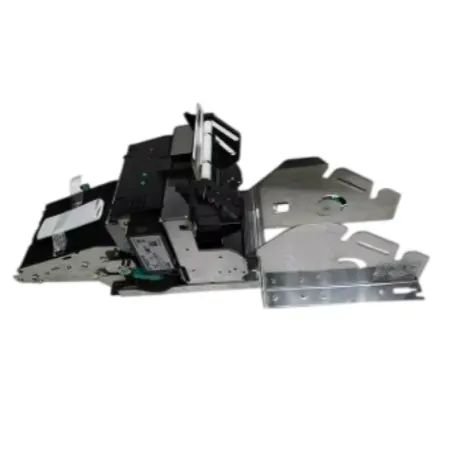
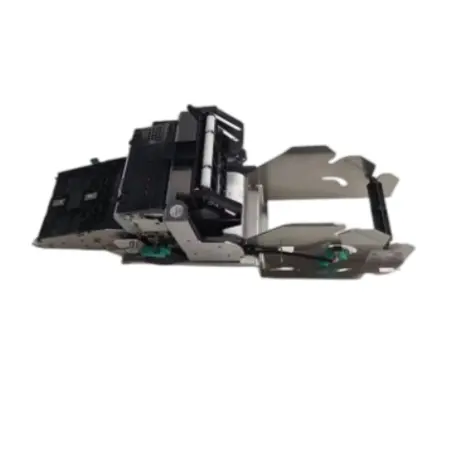
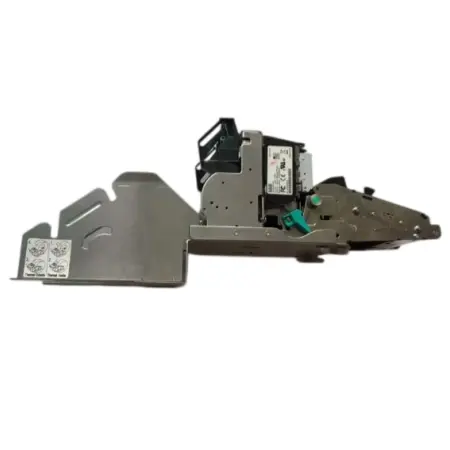
Mengekalkan TP27 Printer Module requires understanding both preventive care and systematic troubleshooting approaches. This thermal receipt printer module, designed exclusively for Diebold Nixdorf ProCash and CINEO series ATMs (including C4060), demands specific maintenance protocols to sustain its 24/7 operational capability. With proper upkeep, this 203 dpi resolution device continues delivering transaction receipts and journal logs while minimizing costly downtime that affects audit compliance and customer satisfaction in banking environments.

Understanding the TP27 Printer Module: Features and Specifications
The thermal receipt printer that was made for Wincor Nixdorf ATMs is an example of printing technology that is made for environments with a lot of continuous financial transactions. Service techs and purchase managers can correctly figure out what kind of replacement is needed if they know its technical specs.
Parameter Teknikal Teras
The TP27 ticket printer module (Part Number 01750256247 / 1750256247) works with a SHEC TL80 print head (type 01750256692) that can print at speeds of more than 150 mm per second and 203 dots per inch. During busy times, this speed makes sure that customers get written receipts within seconds.
The machine can handle 80 mm wide paper and works with thermal paper densities from 55 g to 80 g. It can adapt to different weather conditions without affecting the durability of the prints. Its automatic cutter can make more than 1,000,000 cuts, and its guillotine precision keeps it from getting stuck while it's running all the time.
The reinforced plastic frame can handle the thermal stress that comes with installing an ATM, and the dual-sensor arrays can tell when the paper is "low" or "out" before it runs out completely. This proactive tracking lowers the number of service calls and keeps banking operations running smoothly.
Keupayaan Ketersambungan dan Integrasi
The module was made to work with WOSA/XFS drivers and can be connected to a computer via USB or V.24 (serial). This dual connection makes it easy to connect to current ProCash and Cineo C4060 ATM setups without having to make a lot of hardware changes. With its anti-skimming security features, the specialized bezel interface keeps customer transactions safe while keeping the professional look that banking settings require. Low power use when not in use helps keep the costs of running large fleets of ATMs managed by independent service providers low.
Comprehensive Maintenance Guide for the TP27 Printer Module
To make thermal printer parts last longer, they need to be maintained on a regular basis so that mechanical wear and environmental contamination can be dealt with. Preventive measures that cut down on emergency service calls are good for banks and third-party ATM repair companies.
Prosedur Pembersihan Rutin
The thermal print head gathers paper dust and thermal coating residue, which has an effect on the quality of the prints and speeds up the wear and tear on the parts. The TP27 Printer Module requires that the heating elements are cleaned once a week with lint-free cleaning cards and isopropyl alcohol (at least 90% strength). Compressed air cleans optical sensors that are near the entry and exit points of the paper path of any debris. When these sensors are blocked, they send out "Paper Jam" errors that send out services that aren't needed.
The platen roller, which feeds the paper precisely, needs to be checked every month to see if the rubber is getting less hard. When printing multi-line transaction summaries, it's easy to see how the slippage caused by the hardened rollers affects the accuracy of the print length. Rotating the roller by hand while cleaning makes sure that wear is spread out evenly and increases the time between replacements.
Jadual Penyelenggaraan Pencegahan
Setting up regular checks of parts stops disasters from happening during busy banking hours. The cutter mechanism needs to be oiled every three months using silicon-based compounds that are approved by the manufacturer and are used on gear assemblies. This maintenance stops the binding problems that lead to cuts that aren't finished, leaving some receipts stuck in the presenter mechanism.
Diebold Nixdorf has released firmware changes for the WOSA/XFS driver stacks that fix bugs and make the communication protocol better. Planning these updates for times when maintenance is normally done makes sure that they work with new versions of ATM software platforms (ProBase/Agilis systems). Keeping track of maintenance tasks makes service history records that are useful for warranty claims and performance analysis when checking the consistency of provider quality.
Troubleshooting Common Issues with the TP27 Printer Module
Field techs see trends of failure that happen over and over again, which affects measures for ATM availability. Mean Time To Repair (MTTR) goes down and first-call resolution rates go up when you understand systematic diagnostic approaches.
Paper Jam Resolution Strategies
Paper jams usually happen because the paper is not loaded correctly, the paper path is dirty, or there is a mechanical blockage. When technicians get jam errors, they should take out the paper roll and look for torn pieces stuck in the printer throat. The cutter gear release wheel, which can be found on the side panel of the module, lets you retract the blade by hand if the automatic reset fails. When jamming happens again and again after cleaning, it means that either the platen roller needs to be replaced or the paper guide is out of place and needs to be mechanically adjusted.
Print Quality Diagnostics
On receipts, vertical white lines show where heating elements have failed within the thermal head. Using a multimeter to check the thermal head resistance finds broken parts that don't meet manufacturer standards (usually 1800-2200 ohms total resistance). If the printing on the whole receipt is faded, it means that there isn't enough pressure between the print head and the platen roller. This can be fixed by adjusting the tension springs or replacing the platen.
To get accurate dot heating control, you need to print grayscale check pictures for deposit proof activities. If the picture density changes, it could mean that the power source voltage is changing or that the capacitors on the control board are wearing out. Because of these electrical problems, board-level tests are needed instead of field-replaceable unit swaps.
Connectivity and Error Code Management
'Device Not Ready' messages show up when there are problems with communication between the printer module and the ATM PC core. Most connectivity problems can be fixed by making sure the wire harness is intact and that the dip switch settings match the host interface (USB vs. V.24). When the printer driver and ATM software stacks don't have the same firmware version, startup fails. To fix this, both systems need to be updated at the same time.
If sensor mistakes still happen after cleaning, it means the electronic sensor is broken, not dirty. By replacing just the sensor assembly, the paper detection function is restored without having to replace the whole module. This greatly reduces the cost of repairs for service providers who are in charge of cost-sensitive maintenance contracts.
Comparing TP27 Printer Module with Other Printer Modules in the Market
Understanding where you stand in the market compared to other thermal printer options used in ATMs can help you make better purchasing choices. The TP27's main competitors are the newer TP29 models and the older TP25 units that are still used in older ATM fleets.
Metrik Prestasi dan Ketahanan
When normal banking transaction amounts are used, the TP27 thermal head can print for about 100 to 150 km. Its longevity rate puts it in the middle of low-end print mechanisms (80 km) and high-end industrial heads (200 km+). The TP27 Printer Module also includes a cutter mechanism whose million-cut rating is 40% higher than the typical TP25 rating. This means that high-volume metropolitan branch locations that process 200 or more transactions per day will need less maintenance.
Print speeds of more than 150mm per second are 25% faster than units from the previous generation, which means that customers don't have to wait as long for receipts to be printed. This improvement in performance has a measurable effect on customer satisfaction in competitive retail banking markets where transaction speed affects how busy branches are.
Pertimbangan Kos-Faedah untuk Perolehan
The TP27's price falls in the middle of the market, between restored old parts and new TP29 units. When purchasing managers look at the total cost of ownership, they have to compare the original costs of buying something with the costs of regular upkeep and the availability of parts. The TP27 has good aftermarket support, with third-party sellers like RM selling print heads, feed motors, control boards, and gear assemblies as separate replacement parts, so you don't have to buy whole modules.
When TP27 units go through Level 4 repair, which replaces the platen roller, cutter blade, and heat head, they work just as well as new units but cost 40–60% less. This value proposition is especially appealing to independent ATM deployers who have to stick to tight operational budgets while still meeting service quality standards.
Procurement Considerations: Buying and Wholesale Guide for TP27 Printer Module
To get a reliable supply of printer modules, you have to go through the right channels and look at other suppliers who can offer competitive prices and fast delivery for urgent replacement needs.
Saluran Penyumberan dan Penilaian Pembekal
Authorized Diebold Nixdorf distribution partners sell original modules that come with full maker warranties. This is very important for banks that need repair records that can be audited. Lead times for these channels are usually between two and four weeks, and the prices are higher because they give authorized service network access.
Third-party ATM part suppliers are another option. They deliver quicker and give bulk savings. Procurement managers should verify that RM (HONGKONG RONG MEI TECHNOLOGY CO., LIMITED) is ISO9001-2008 certified, that their parts are guaranteed to work with ProCash/Cineo C4060 ATM models, and that their warranties cover new and used items.
. TP27 Printer Module is a key example of such a part: its thermal head and cutter mechanism offer durability that directly reduces urgent replacement needs. Part Number 01750256247 and critical subcomponents (SHEC TL80 print head 01750256692) may be shipped the same day in emergencies thanks to suppliers.
Logistik dan Sokongan Selepas Jualan
Coordinating sea, land, and air transportation choices based on how quickly they need to get to their destinations is part of international buying. Emergency replacements during ATM downtime are worth the cost of air freight, while planned inventory restocking is cheaper to use sea freight. Knowing how long it takes for suppliers to deliver modules (usually 15 to 20 working days) helps maintenance planners keep the right amount of safety stock on hand so that service doesn't stop.
International service teams can easily set up Produk when they have access to a lot of technical support, such as online debugging help, video-guided installation instructions, and product manuals in multiple languages. The standard warranty period of 30 days for aftermarket parts is enough time to test how well they work together before they are fully deployed across ATM networks.
Kesimpulan
Untuk TP27 Printer Module care to work well, it's important to follow cleaning routines, use systematic ways to fix problems, and plan ahead for purchases. Service companies that take care of Diebold Nixdorf ATM fleets get the most uptime by cleaning the thermal heads regularly, lubricating the cutters every three months, and replacing parts before they break completely.
Knowing what makes the TP27 different from other printer modules in terms of performance lets you make smart buying choices that balance the cost of the original purchase with the cost of long-term upkeep. When you work with suppliers who have a lot of parts in stock and quick expert help, printer repair goes from being reactive to problems to being planned for ahead of time.
Soalan Lazim
How do persistent sensor errors get resolved on thermal receipt printers?
Paper dust that builds up on optical detection parts often causes sensor errors. Failures caused by contamination can be fixed with cleaning methods that use compressed air and rubbing alcohol. If the errors keep happening after cleaning, it means that the electronic sensor is broken and needs to be replaced instead of being cleaned again.
What lifespan should be expected from the TP27 thermal print head?
Under normal banking conditions, the print head can print about 100 to 150 km of paper. Using low-quality thermal paper that has a lot of rough dust on it cuts this lifespan by a large amount. Watching how print quality goes down over time can help you figure out when to replace the printer before it fails completely.
Can refurbished units perform comparably to new printer modules?
Refurbished units that go through a full Level 4 refurbishment, which includes replacing the platen roller, cutter blade, and thermal head, work just as well as new units. Refurbishing only the outside without replacing any mechanical parts makes the application less reliable for 24/7 banking.
Which interface configurations are supported by the TP27?
The module can link via both USB and V.24 (serial). The ATM PC core setup must match the cable wiring specs and the dip switch settings on the control board. When settings don't match, initialization and communication don't work right.
Partner with RM for Reliable TP27 Printer Module Supply
RM has been providing repair providers and banking institutions around the world with ATM parts for more than twenty years. As a trusted TP27 Printer Module seller with a ready supply of Part Number 01750256247 and other important parts like SHEC TL80 print heads, we can help with urgent replacement needs by offering fast shipping choices. Our factory is ISO9001-2008 certified and makes parts that work with ProCash and CINEO ATM systems and meet the original equipment specifications.
Our full technical support is helpful for procurement managers. It includes video-guided installation tools and online problem help that is available within 24 hours. Our flexible purchasing choices can be used for both planned inventory management strategies and emergency service calls. You can get just the parts you need, like print heads and feed motors, or whole printer systems. Get in touch with https://www.atm-part.com/contact-us to talk about bulk discounts for buying the TP27 Printer Module directly from the manufacturer, or go to atm-part.com to look through our full catalog of ATM parts and modules, which includes over 80% of the ones on the market.
Rujukan
1. ATM Marketplace. (2022). Thermal Printer Reliability in Self-Service Banking Environments.
2. Journal of Banking Technology. (2023). Preventive Maintenance Protocols for ATM Peripheral Devices. Vol. 18, Issue 2.
3. ATM Industry Association Technical Papers. (2021). Diagnostic Approaches for Transaction Printer Failures.
4. Global ATM Supply Chain Review. (2022). Cost Analysis of OEM versus Third-Party Component Sourcing.
5. Self-Service Banking Journal. (2023). Component Lifecycle Management in ATM Operations.
6. Financial Equipment Standards Organization. (2021). Thermal Printer Performance Specifications for Banking Applications.
Ketahui tentang produk dan diskaun terkini kami melalui SMS atau e-mel