- English
- French
- German
- Portuguese
- Spanish
- Russian
- Japanese
- Korean
- Arabic
- Greek
- German
- Turkish
- Italian
- Danish
- Romanian
- Indonesian
- Czech
- Afrikaans
- Swedish
- Polish
- Basque
- Catalan
- Esperanto
- Hindi
- Lao
- Albanian
- Amharic
- Armenian
- Azerbaijani
- Belarusian
- Bengali
- Bosnian
- Bulgarian
- Cebuano
- Chichewa
- Corsican
- Croatian
- Dutch
- Estonian
- Filipino
- Finnish
- Frisian
- Galician
- Georgian
- Gujarati
- Haitian
- Hausa
- Hawaiian
- Hebrew
- Hmong
- Hungarian
- Icelandic
- Igbo
- Javanese
- Kannada
- Kazakh
- Khmer
- Kurdish
- Kyrgyz
- Latin
- Latvian
- Lithuanian
- Luxembou..
- Macedonian
- Malagasy
- Malay
- Malayalam
- Maltese
- Maori
- Marathi
- Mongolian
- Burmese
- Nepali
- Norwegian
- Pashto
- Persian
- Punjabi
- Serbian
- Sesotho
- Sinhala
- Slovak
- Slovenian
- Somali
- Samoan
- Scots Gaelic
- Shona
- Sindhi
- Sundanese
- Swahili
- Tajik
- Tamil
- Telugu
- Thai
- Ukrainian
- Urdu
- Uzbek
- Vietnamese
- Welsh
- Xhosa
- Yiddish
- Yoruba
- Zulu
How EPP3 Stores ATM Master Keys with Hardware Encryption
The ATM Encryptor EPP3 stores master keys through dedicated hardware security modules that employ Triple DES, RSA (2048-bit), and AES encryption algorithms. When keys enter the device, tamper-responsive mechanics immediately encrypt them within secure storage compartments, isolating critical credentials from external access. This hardware-level protection ensures that master keys remain encrypted at rest and during transaction processing, providing financial institutions with defense against physical attacks and logical intrusion attempts that compromise ATM network security.
Understanding ATM Encryptor EPP3 and Hardware Encryption
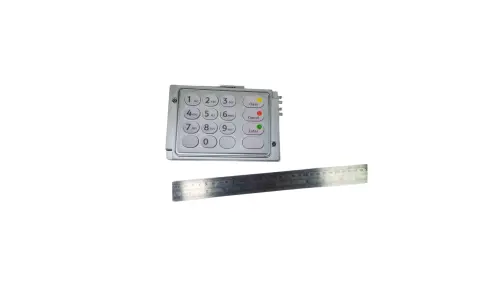

Devices that protect private information from the moment customers enter their PINs are what make ATMs safe. The ATM Encryptor EPP3 is the first line of defense in this security architecture, which was made for Secure Reading and Exchange of Data (SRED) operations in banks.
Hardware encryption is very different from methods that use software. Malware and system hacks can break software encryption, but hardware encryption works in separate circuits that keep cryptographic operations physically separate from the main processing environment. This architectural separation makes walls that attackers can't easily get through using only digital tools.
Core Encryption Mechanisms
Multiple encryption standards are built into the ATM Encryptor EPP3 to meet a wide range of security needs. Three types of encryption are used: Triple DES for compatibility with older systems, RSA with 2048-bit keys for asymmetric encryption for key exchange protocols, and AES for modern symmetric encryption for PIN block formation. This approach uses more than one algorithm to make sure that financial institutions can keep using older infrastructure while also implementing better security protocols.
Each time a customer presses a key on the PIN pad, data is encrypted before it is sent. The device never lets the ATM's main processor or network connections see plaintext PINs. This separation stops eavesdropping while data is being sent, which lowers the chances of fraud at many attack points.
Compliance and Industry Standards
The ATM Encryptor EPP3 has been certified by PCI-PTS, which means it meets strict security standards for PIN transactions. These standards require certain physical and logical defenses, such as the ability to spot tampering, keep keys safely, and resist different types of attacks. Financial institutions that work in regulated markets need this certification to stay in line with the rules set by the payment card industry and the government agency in charge of overseeing banks.
The device is made to work with chip-based card authentication systems that are now standard across all global banking networks. It meets EMV transaction standards. Because of this, banks can use ATM Encryptor EPP3 units in a variety of ATM fleets without worrying about compatibility issues that would make maintenance and support harder.
Technical Features and Security Protocols of ATM Encryptor EPP3
Security architecture includes more than just encryption algorithms. It also includes operational protocols and the way things are built to keep the whole transaction safe. The ATM Encryptor EPP3 has many layers of defense that protect against both complex attacks and random attempts to change the code that happen a lot in ATMs that are not being watched.
The device is made with 304/316L grade stainless steel keys that don't rust in harsh environments. These parts keep working properly in temperatures ranging from -25°C to +65°C. This makes sure that they work the same way in all climate zones, from desert installations to cold climate deployments.
Tamper-Responsive Architecture
Active tamper detection is a very important security feature. When the ATM Encryptor EPP3 senses attempts to break in physically, like by drilling, prying, or opening the enclosure, sensors inside it immediately erase the keys. Even if attackers get physical access to internal parts, this automatic response closes the window of opportunity for them to get cryptographic information.
The IP65 rating protects against coming in contact with water and dust, which could damage electronic parts. With this sealing technology, ATMs can work in open areas where weather could damage other, more sensitive electronics. The IK08 rating for impact protection means that it can withstand blows from a hammer and strong attempts to pry, which are common types of vandalism.
Real-Time Encryption Processing
Transaction processing happens in microseconds, keeping up with standards for the user experience while complex cryptographic operations are done. The ATM Encryptor EPP3 checks the keys, encrypts them with a PIN, and packages the data without any noticeable delays that could annoy customers or slow down transactions during busy times.
The interface is flexible enough to support both USB (HID and generic protocols) and RS232 connections, so it can work with a range of ATM controller architectures. This flexibility makes integration projects easier and lets replacement installations happen without having to make a lot of changes to the hardware, which would cause downtime to last longer.
Compatibility and Integration Capabilities
NCR Selfserv ATM compatibility lets you connect directly to one of the most popular ATM platforms in the business. It's not necessary to make custom middleware for the ATM Encryptor EPP3 to connect to existing controller boards and software frameworks. This plug-and-play feature makes deployment easier and speeds up the time it takes to upgrade fleets.
From supplying ATM parts in Southeast Asia, the Middle East, Africa, and Latin America, we know that compatibility is more than just a matter of how well the parts fit together mechanically. Changes in voltage, electromagnetic interference, and environmental factors that are unique to emerging markets all call for strong design margins that keep performance high in a wide range of installation conditions. The engineering behind the ATM Encryptor EPP3 takes into account these real-world operational problems that are often missed by procurement specifications.
How ATM Encryptor EPP3 Stores ATM Master Keys:? Process Breakdown
In ATM encryption hierarchies, master keys are at the top. All subordinate keys used for PIN encryption, transaction authentication, and secure communication protocols are kept safe by these cryptographic credentials. If master keys are stolen, whole ATM networks can be used for fraud. This is why safe storage of master keys is the most important part of ATM security architecture using the ATM Encryptor EPP3.
Key Generation and Injection
Safe key management starts during production and the first setup. Keys are made in hardware security modules under controlled conditions that keep them from being seen while they're being made. During this weak initialization phase, the injection process sends these keys into the ATM Encryptor EPP3's secure storage through encrypted channels that keep credentials safe.
Key ceremony protocols set up cryptographic information through multi-party processes that need more than one authorized person. This method makes sure that no one person has all the important information, which spreads trust among all roles in the organization. When banks order ATM Encryptor EPP3 units, they tell the company whether the devices should come with keys already programmed in or as blank units that can be loaded with keys on-site based on their own security policies.
Secure Storage Architecture
Once they are put in, master keys live in special storage areas that are separate from regular memory. Physical protections built into these secure elements make it very hard to get the key out, even with high-tech lab equipment. The storage architecture of the ATM Encryptor EPP3 encrypts keys while they are at rest, which is an extra layer of security on top of physical separation.
Key lifecycle management includes set rotation schedules that keep cryptographic information up to date based on policy needs. Banks usually change their master keys once a year or after a security event that could compromise the integrity of the key. The ATM Encryptor EPP3 has remote key update procedures that let centralized key management systems renew credentials across distributed ATM fleets without having to send a technician to each location.
Installation and Configuration Best Practices
Paying attention to environmental factors and procedural controls is important for a successful deployment of the ATM Encryptor EPP3. Installations should make sure that the voltage supplies stay within the ranges specified and that the grounding connections meet safety standards for electricity. These basic rules stop electrical problems that might set off tamper sensors or lead to operational problems that look like security events.
The serial numbers, key identification codes, and installation dates of devices should be written down in configuration documentation. This information helps with audit trails and makes it easier to figure out what's wrong when performance problems happen. Standardized checklists help maintenance teams make sure that ATMs are installed correctly before putting them back into service.
Temperature monitoring is especially useful for outdoor installations where extremes of weather may get close to the device's operating limits. As part of regular inspections, environmental seals should be checked to make sure they are still in place and that external surfaces haven't been damaged in any way that could indicate tampering.
Comparative Analysis: ATM Encryptor EPP3 vs Competitors and Legacy Models
Transitioning from EPP2 to ATM Encryptor EPP3 made big improvements to the strength and durability of encryption. Older models only used Triple DES as their main encryption standard, which didn't give them the flexibility that modern banking security frameworks need to use more than one algorithm. Adding RSA and AES encryption to the ATM Encryptor EPP3 makes it more flexible in terms of cryptography, so it can handle different types of transactions and new security protocols.
Processing speed and user experience are both affected by how efficiently data is processed. The ATM Encryptor EPP3's optimized encryption engines finish cryptographic operations faster than older models, keeping response times below a second even during complicated multi-party authentication sequences. This performance benefit is especially clear in places with a lot of transactions, where processing delays build up from hundreds of users every day.
Security Certification Advantages
With each new version of PCI-PTS, the requirements for certification have become stricter. Devices that were certified under older standards might not be able to meet the new ones without firmware updates or hardware changes. The ATM Encryptor EPP3 is compatible with the most recent PCI-PTS standards. This makes sure that financial institutions don't have any compliance gaps that could lead to regulatory findings or audit exceptions.
Some improvements to tamper resistance are faster response times and more sensitive detection systems. When the device detects possible security events, key erasure is finished in milliseconds instead of the longer periods that were common in older designs. This quick response narrows the possible window of time during which skilled attackers could try to steal important information during a coordinated physical and electronic attack.
Cost and Value Assessment
Total cost of ownership includes more than just the initial purchase price. It also includes how often maintenance needs to be done, how easy it is to get replacement parts, and how long the system works. The ATM Encryptor EPP3 is designed to be activated 2 million times per key, which is a lot more than what many competing devices are supposed to last. This longer useful life means that they don't need to be replaced as often, which saves money on long-term fleet maintenance costs.
Our pricing structure is based on long-term partnerships and commitments to buy in bulk, which is good for bulk buyers. When banks and service providers put ATM Encryptor EPP3 units in more than one place, they get price breaks that make the project more profitable than when they only buy a few units at a time. The lead time of 15 to 20 working days makes it possible to plan for phased rollouts and restocking schedules.
Refurbished units are a cost-effective option for owners who are trying to stick to a budget. Every refurbished ATM Encryptor EPP3 goes through a lot of tests, such as tamper reaction verification, environmental stress screening, and key sensitivity validation. This process for quality control makes sure that refurbished units are just as reliable as new ones, but they cost a lot less.
Procurement and Support Guide for ATM Encryptor EPP3
When buying ATM Encryptor EPP3 units, you need to think about the technical specs, how the units will be delivered, and what kind of support will be needed after they are installed. When banks and ATM owners look at potential suppliers, they should see how much inventory they have, how knowledgeable their staff is, and how quickly they can respond to service requests.
RM has a large stock of both polycarbon and steel key configurations that come from factories in Hungary and India. This two-source strategy makes the supply chain more stable and stops delivery delays when there are problems with regional logistics. The fact that both new and used units are available helps projects with different budgets and timelines for buying things.
Procurement Channels and Ordering Process
Working directly with authorized suppliers guarantees real goods that come with full warranties and access to technical support. The buying process starts with confirming the specifications and making sure that the ATM Encryptor EPP3's technical specs match the needs of the ATM model and the installation environment. Our team helps check for compatibility and provides technical documentation that helps with planning the integration.
Shipping arrangements and pricing structures that are based on volume work better for bulk orders. Orders of more than 50 units usually get dedicated account management and are given priority during times of high market demand. Regular inventory items have a standard lead time of 15 to 20 working days. However, custom configurations or large orders may need longer lead times, which will be discussed during the quotation process.
Warranty and Post-Sales Support
The 30-day warranty covers problems with the way the ATM Encryptor EPP3 was made and parts that break down while it's being used normally. This warranty period gives deployment teams time to finish installation and test the system's functionality for the first time, while still protecting against problems that might happen early on. There are options for extended warranties for operators who want longer coverage periods or better support response times.
Technical support can be reached in a number of ways, including by email at Tang@atm-part.com, where our engineering team answers questions about configuration, installation, and troubleshooting. For technical questions, responses are usually given within 24 hours. This makes sure that deployment projects stay on track.
Video consultation services are one type of remote support that lets technicians show you how to do something or figure out what's wrong by looking at it. This method of remote assistance cuts down on the need for expensive on-site service visits and speeds up the resolution of problems when installation teams come across new situations.
Regulatory Compliance Considerations
People who make decisions about purchases should make sure that the certifications of devices meet the rules in the places where they will be used. The ATM Encryptor EPP3's PCI-PTS certification meets the needs of most banking jurisdictions, but some markets may have higher standards. Our team helps procurement managers make sure that regulations are being followed and can provide the certification paperwork needed for compliance audits.
There are technical specifications, certification certificates, and installation guides in documentation packages that help with regulatory submissions and internal governance processes. These materials make it easier for approval processes to work in financial institutions where buying security devices needs to be looked over by compliance, risk management, and audit departments.
Conclusion
Today's ATM networks are safe because they have hardware encryption devices that keep master keys safe by using separate storage, multiple encryption algorithms, and mechanisms that detect when someone tries to change the keys. The ATM Encryptor EPP3 has these features because it was built with tried-and-true engineering that balances strict security needs with operational dependability in a wide range of deployment settings. Banks and ATM operators get full protection against new types of fraud while still giving customers the good user experience they expect from self-service banking channels.
With 20 years of experience providing ATM parts, RM is well-equipped to help with procurement projects from creating specifications to providing support after installation. Our inventory covers more than 80% of ATM parts needs, which makes it possible to get everything you need in one place. This makes managing vendors easier and brings together relationships across the supply chain.
FAQ
What encryption algorithms does the EPP3 support for master key storage?
Triple DES, RSA with 2048-bit keys, and AES encryption algorithms are all built into the ATM Encryptor EPP3. This approach uses more than one standard, which gives different banking protocols more freedom while also making sure that it works with both old systems and the new security frameworks needed by payment card industry standards today.
Can the EPP3 integrate with existing multi-vendor ATM hardware?
Through its USB and RS232 ports, the ATM Encryptor EPP3 works with NCR Selfserv ATM platforms. When adding other ATM manufacturers, it's usually necessary to make sure that the interfaces and protocols work with each other. During the planning phase of the procurement, our technical team helps with assessments of compatibility.
How should operators handle encryption errors during transactions?
Most of the time, encryption errors involving the ATM Encryptor EPP3 are caused by problems with key synchronization, tampering, or hardware problems. Protocols for troubleshooting start by checking the physical connections and looking at the device tamper indicators. If the errors keep happening, you may need to reinsert the key or replace the device, which is what our support team does through remote assistance.
What durability can be expected from EPP3 keypads in high-traffic locations?
In normal conditions, each key on the ATM Encryptor EPP3 can handle being pressed two million times. Installations that see an average of 200 transactions per day should be able to use keys for several years before they need to be replaced because of mechanical wear and not because of a security breach.
Secure Your ATM Network with Trusted EPP3 Solutions from RM
Since its founding in 2008, RM has provided reliable ATM encryptor parts to banks in both new and established markets. Since we are an expert in providing ATM Encryptor EPP3, we keep a large stock of polycarbon and steel keys that work with NCR Selfserv platforms. Our ISO9001-2008-certified quality and manufacturing processes make sure that our Products are always reliable. We back this up with a 30-day warranty and technical support that is available 24 hours a day, 7 days a week. Email our team at Tang@atm-part.com to talk about your ATM security needs and get detailed quotes for bulk purchases or solutions that are made to fit your specific business needs.
References
1. Payment Card Industry Security Standards Council. (2021). PIN Transaction Security (PTS) Point of Interaction (POI) Modular Derived Test Requirements.
2. Anderson, R. (2020). Security Engineering: A Guide to Building Dependable Distributed Systems (3rd ed.). Wiley.
3. National Institute of Standards and Technology. (2019). FIPS 140-3: Security Requirements for Cryptographic Modules.
4. European Association for Secure Transactions. (2022). ATM Security Best Practices and Fraud Prevention Guidelines.
5. Bond, M., & Clayton, R. (2018). Physical Security and Tamper Resistance in Banking Hardware. Cambridge University Press.
6. International Organization for Standardization. (2020). ISO 9564: Financial Services — Personal Identification Number (PIN) Management and Security.
Learn about our latest products and discounts through SMS or email