- English
- French
- German
- Portuguese
- spanish
- Russian
- Japan
- Korean
- arabic
- Greek
- German
- Turkish
- Italian
- Danish
- Romanian
- Indonesian
- Czech
- Afrikaans
- Swedish
- Polish
- Basque
- Katalan
- Esperanto
- Hindi
- Lao
- Albanian
- Amharic
- Armenian
- Azerbaijani
- Belarusian
- Bengali
- Bosnia
- Bulgarian
- Cebuano
- Chichewa
- Corsican
- Croatian
- Dutch
- Estonian
- Filipino
- Finnish
- Frisian
- Galician
- Georgian
- Gujarati
- Haitian
- Hausa
- Hawaiian
- Hibru
- Hmong
- Hungarian
- Icelandic
- igbo
- Javanese
- Kannada
- Kazakh
- khmer
- Kurdish
- Kyrgyz
- Latịn
- Latvian
- Lithuanian
- Luxemboo..
- Masedonia
- Malagasy
- Malay
- Malayalam
- Maltese
- Maori
- Marathi
- Mongolian
- Burmese
- Nepali
- Norwegian
- Pashto
- Persian
- Punjabi
- Serbian
- Sesotho
- Sinhala
- Slovak
- Slovenian
- Somalia
- Samoan
- Scots Gaelic
- Shona
- Sindhi
- Sundanese
- Swahili
- Tajik
- Tamil
- Telugu
- Thai
- Ukraine
- Urdu
- Uzbek
- Vietnamese
- Welsh
- Xhosa
- Yiddish
- Yoruba
- Zulu
NMD100 Dispenser Maintenance Guide for Long-Term Use
Maintaining your NMD100 dispenser properly is essential to maximizing uptime and protecting your investment in Glory ATM infrastructure. As a high-speed cash dispenser operating at 7 notes per second with Intelligent Double Detection technology and a <0.01% error rate, the NMD100 demands systematic care to sustain peak performance across multi-brand platforms including NCR, Wincor, Tranax, Triton, and Genmega systems. Proper NMD100 dispenser maintenance not only extends the operational life of critical components like the ND200 stepper motor (part number A004296) but also prevents costly downtime in high-volume retail, cryptocurrency BTM, and casino redemption environments.
Comprehensive Overview of NMD100 Dispenser Maintenance
Before you can figure out what care your friction-feed cash dispenser needs, you need to know how mechanical accuracy affects the trustworthiness of transactions. There is a complex friction-based note separation system in the NMD100. Even small amounts of dust or worn-out lubrication can cause double-feed errors or transport jams.
Usoro mmezi akwadoro
The cassette area and transport path should be looked at visually every day. Operators need to listen for torn pieces of paper, dust that can be seen around optical sensors, and any strange sounds that happen during delivery cycles. As part of the weekly tasks, lint-free cloths and compressed air are used to clean the transport rollers, especially around the high-precision optical sensors that make the unit so accurate.
To do a deep cleaning once a month, you have to take out the A007538 four-channel movement to get to the internal friction wheels and timing belts. Every three months, you have to do maintenance that includes checking the Intelligent Double Detection sensors' calibration.
Wear-and-tear parts like friction tires, timing belts, and solenoid components should be replaced every year as part of a full service. This plan is in line with what the maker recommends for big capacity dispenser systems that can handle about 100,000 dispensing rounds before major parts need to be replaced.
Akpachara anya maka nchekwa n'oge mmezi
Always turn off the 24V DC power to your Talaris friction-feed cash dispenser and wait 30 seconds for the capacitor to discharge before doing any maintenance. To keep the CMC200 Central Control Board (A008545) or the NFC200 Control Board Assembly (A011025) from getting damaged by static electricity, you should wear anti-static wrist straps. When more than one technician is using the same ATM network, they must always follow lockout-tagout processes and never use metal tools near live lines. These safety measures protect both people and the sensitive electrical parts that make RS232/USB communication connections possible.
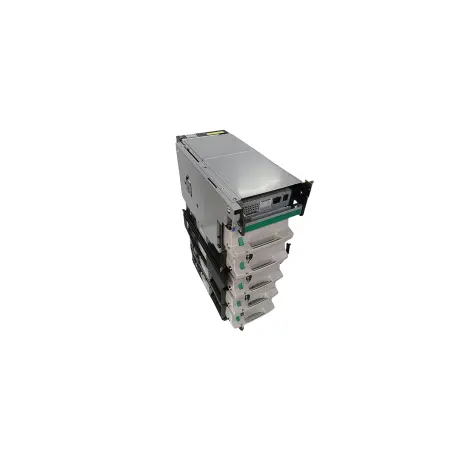
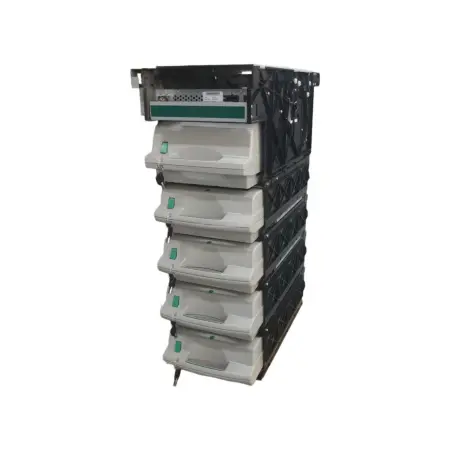
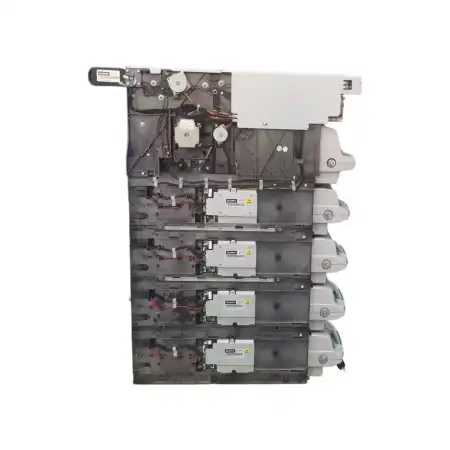
Step-by-Step NMD100 Dispenser Cleaning and Lubrication Process
The friction-based note handling architecture in your dispenser stays in good shape as long as you clean it properly. For the process to work, you need isopropyl alcohol (90% or higher), cotton cloths that don't have lint, compressed air cans, and precision oils made for financial equipment.
Essential Cleaning Workflow
First, take out all of the cassettes and open the panels that let you see the transport path. Blow out the sensor prisms and transport channels with compressed air to get rid of any dust that is on them. This will keep wind away from the circuit boards inside. Isopropyl alcohol should be used to dampen a lint-free cloth. Then, wipe down all of the friction rollers while moving in the direction of the roller rotation to avoid leaving fiber deposits. Watch out for the separation roller, which is where the ND200 module (A008646) controls note picking. This part quickly gathers note dust in places with a lot of notes.
Use a special lens cloth to clean the optical sensor windows. These parts determine whether the system gets its <0.01% double-detection error rate. NMD100 Dispenser Maintenance includes checking the sensors on the NS module (A008909) for any dust that could get in the way of measuring the thickness of the note. Dry all the cleaned parts fully in the air before putting them back together, because wet surfaces can make notes stick together while they're being dispensed.
Usoro mmanu mmanu mmanu
The NMD100 design cuts down on the number of lubrication points to make maintenance easier, but important areas still need to be checked. Every six months, put one drop of synthetic bearing oil on the nut on the ND200 stepper motor shaft. Apply a dry lubricant spray based on PTFE to the cassette guide rails and the transport path diverter gates, making sure that the whole area is covered evenly and that there is no extra that could attract dust. The timing belts that move the BOU module (A007484) should never be oiled because they use compounds that grease themselves, but these compounds break down over time.
Critical Component Replacement Schedules
In moderate-volume applications, the ND200 module's friction separation tire needs to be replaced every 200,000 rounds, or 18 months. The NQ300 module (A011263) double-detection sensors can work for more than 500,000 cycles, but they need to be checked every three months to make sure the voltage cutoff is still accurate. When timing belts attached to the PS126 power source (A007446) crack or glaze over, they show wear and should be replaced right away if they are found. Getting original parts from well-known companies makes sure that this dispenser works with a variety of platforms from different brands.
Troubleshooting Common Issues and Effective Solutions
Problems with how cash vending units work usually have clear signs that help doctors figure out what's wrong quickly. Knowing these patterns cuts down on the average time it takes to fix something and helps maintenance teams decide when they can fix something themselves and when they need help from an expert.
Frequent Error Patterns and Root Causes
When double-feed errors show up after being cleaned recently, it's usually because the friction tires on the separation roller are worn out. The second note can get past the delay device because of this wear, which sets off the IDD system. A lot of the time, intermittent jam codes are caused by timing belt tension loss, which happens when the drive system can't keep the pick roller and transport steps in sync with each other. Communication problems between the main processor and the NFC200 board assembly are usually caused by rust of the connectors in damp places, not by broken parts.
If the dispenser stops working in the middle of a transaction for no apparent reason, check the voltage of the 24V DC power supply while it is under load. A voltage drop below 22V means that the solenoids controlling the diverter gates are not getting enough power. In the NC301 cash cassette units (A004348), note that the cassettes aren't lined up right because the guide rails are old or the cassette springs are broken.
Cost Analysis of Preventive Maintenance Versus Reactive Repair
Think about a normal store ATM that handles 200 transactions every day. Preventive repair that takes four hours every three months and costs $75 an hour adds up to $1,200 a year. NMD100 Dispenser Maintenance fits into this preventive schedule, as its routine checks help avoid unexpected failures. When you compare this to reaction cases, one emergency service call for a transport path that is jammed costs about $350 for parts and labor, while an ATM that isn't working costs about $100 per day in lost surcharge income and unhappy customers. Industry operational data shows that over three years, facilities that follow structured maintenance protocols have 60% lower total costs of ownership than facilities that only do reactive maintenance.
When you consider the 30-day guarantee and online help that come with well-kept modules, the financial benefit becomes even clearer. Systematic care keeps these guarantee protections in place, but failures caused by wear and tear are often not covered if you don't take care of your things.
Choosing the Right Maintenance Solutions and Tools for NMD100 Dispenser
Choosing the right maintenance methods relies on the size of the business, the technical skills of the staff, and the need for uptime. Each of the three main methods has its own benefits for different types of organizations.
Maintenance Methodology Comparison
Smaller IADs that manage 5 to 20 ATMs can do manual repair, where technicians use simple tool kits to do regular checks. This method requires more skill, but it gives fleets of different brands the most freedom because one worker can install NCR, Wincor, and Tranax systems at the same time. Automated diagnostic systems connect to the RS232 interface to check how well sensors are working and predict when parts will break. This is perfect for networks with 50 or more machines where centralized monitoring is worth the software investment.
Hybrid approaches are a good balance between reliability and cost-effectiveness because they use both automated monitoring and human intervention. This type is often used by regional service providers, who use remote diagnostics to plan site visits and get new parts like the RV301 recycling bin (A019207) or BCU module (A007483) ready ahead of time.
Selecting Maintenance Kits and Reliable Tools
Precision screwdriver sets with magnetic tips, anti-static tweezers for cleaning sensors, calibrated torque drivers for module mounting screws, and digital multimeters for voltage checks should all be in professional-grade repair kits for friction-feed devices. Kits made to fit the NMD100 specifications also come with extra connector pins for board parts and new O-rings for cassette seals. When looking for these kits, make sure they work with both brand-new and used units, since the specs for the parts may be slightly different.
When choosing a service company, warranties are important to think about. Authorized partners can still get technical documents for complicated calibrations, especially for the BOU101-L4 extended version (A009206-3) that is used in large setups. Their certifications usually meet the insurance needs of banks, while providing unauthorized service could leave them open to liability.
Procurement Guide: Where and How to Secure NMD100 Dispenser Maintenance Supplies
Strategic procurement makes sure that parts are always available and that costs are kept low over the course of multi-year service contracts. The global market for ATM parts has both chances and dangers that smart buyers need to be aware of and carefully avoid.
Verified Supplier Channels and Quality Assurance
Established sellers with a proven inventory quantity of NMD100 parts offer important benefits over buying on the spot market. Look for sellers who keep the whole set in stock, including the NMD100 four-channel movement with cash cassette, all control board versions, and wear parts that are specific to the module. Suppliers who offer both new and used options give customers more budget-friendly choices without lowering the quality of the ngwaahịa ha na-ere.
Quality control starts with suppliers being open about where parts come from and how they are tested. Refurbished modules from reputable sellers are checked at many points, including the important IDD sensor tuning that tells the difference between single notes, doubles, and tape. NMD100 Dispenser Maintenance should also be part of the quality review, because proper upkeep directly affects sensor accuracy and long-term dispensing reliability.
They also give test reports that show that the MCBF was checked using 1,000-cycle burst testing and include notes on how the conditions were different. If a supplier can't provide these quality records, stay away from them because fake or badly fixed up parts pose a big operational risk.
Maintenance Contract Structures and Long-Term Support
Comprehensive support packages include both parts supply and expert help, which makes running costs more reliable. Maintenance visits, emergency part shipping, and direct diagnostic help through online channels are often covered by annual contracts. These agreements are especially helpful for multi-brand ATM networks that need workers with knowledge of Glory, NCR 56xx/58xx, Wincor Procash, Tranax MB1000/1500/1700, Triton 9600, and Genmega G1500 installs.
When you're discussing a contract, make sure you understand how long you have to respond to urgent cases. When you can ship important parts like the ND200 stepper motor by air, you can cut down on downtime from days to hours, which makes it worth paying more for help in places that make a lot of money. Obsolescence protection should also be included in the contract terms. Suppliers who promise long-term support will keep parts in stock even as equipment gets older, which protects your infrastructure investment.
Market Pricing Intelligence and Budget Planning
Friction-feed dispenser modules cost between $800 and $1,500 for used units and between $2,200 and $3,200 for brand-new assemblies. The price depends on how complicated the configuration is and how many cassettes are used. Common wear parts cost between $45 and $150 each, while control board assemblies cost between $400 and $600. Volume savings usually start at 10 units, and go down by 15–25% for orders of 50 units or more.
When making a budget, you should set aside about 8–12% of the starting cost of the tools each year for maintenance supplies and consumables. This number accounts for normal wear and tear while also setting aside a small amount of money in case an unexpected part fails. Operations that get higher utilization rates may change this up to 15% to account for faster wear in 24/7 deployment scenarios that are common in cryptocurrency and casino apps.
mmechi
Cipdọ aka na ntị NMD100 Dispenser Maintenance protects operational reliability and keeps long-term ownership costs low for a wide range of ATM uses. Service providers, dealers, and refurbishment operations can get the most out of their equipment by following this systematic method, which includes everything from daily checks to strategic parts buying.
Organizations keep up the precise performance that makes this large capacity dispenser platform unique by following organized cleaning routines, keeping an eye on important parts like the ND200 stepper motor, and working with reliable suppliers. Repairs that are done after the fact are always more expensive than preventative care. This is especially true when serving multi-brand networks where the supply of parts has a direct effect on service quality.
FAQ
How often should I perform cleaning on my NMD100 cash dispenser?
How often you clean depends on the environment and the number of transactions. Cleaning the transport path once a week and deep cleaning the friction rollers and optical sensors once a month is good for high-volume store and gambling installations. Moderate-volume deployments can move tasks from once a week to twice a week, but they still need to do a full cleaning once a month. Places with a lot of dust in the air, like convenience stores near busy roads, need more frequent cleaning to keep the sensors from getting dirty, which lowers the dispenser's <0.01% error rate performance.
Can internal maintenance teams handle all NMD100 servicing requirements?
Routine tasks like cleaning, eye checks, and replacing consumables are done by trained employees who know how to use the right tools and stay safe. Complex tasks like calibrating IDD sensors, diagnosing control boards, and adjusting time synchronization usually need special tools and training from the maker. Most businesses use a mix of internal teams and qualified service partners to handle preventative maintenance and more complex problems. These partners also do repairs at the component level.
What are the consequences of neglecting scheduled maintenance?
Putting off maintenance speeds up the wear and tear on parts, especially in systems that depend on friction and where dust builds up and adds to the mechanical stress. Three to four times as many mid-transaction failures and double-feed mistakes happen in organizations that don't provide planned service. In addition to the cost of repairs, unplanned downtime costs each ATM an average of $100 to $150 per day in lost income and lower customer happiness. Also, problems due to wear that happen outside of scheduled repair windows usually aren't covered by warranties, which can lead to unexpected costs for replacing parts.
Partner with RM for Expert NMD100 Dispenser Maintenance Support
RM has been a reliable NMD100 Dispenser Maintenance supplier for over 20 years thanks to our expertise in Glory ATM parts and multi-platform cash dispenser solutions. Our 3,000-square-meter building has separate departments for quality control and maintenance. These departments make sure that every part, from the A004296 ND200 stepper motor to full four-channel movements, meets strict performance standards before it is shipped. We keep a large stock of both new and used modules, so standard orders can be delivered within 15 to 20 business days. For urgent needs, we also offer expedited air freight options.
Our ISO9001-2008-certified methods make sure that the quality of the more than 80% of ATM modules we sell around the world is always the same. Our technical team provides online support in multiple languages and video tutorials within 24 hours of receiving an inquiry from you, whether you are in charge of NCR, Wincor, Tranax, Triton, or Genmega installations. We know that IADs, distributors, and refurbishment centers are under a lot of practical pressure.
That's why we offer a 30-day guarantee and let you change the hardware and language settings to make solutions that are flexible and fit your rollout needs. Esi na aka na Tony@atm-part.com to talk about how our wide range of parts and technical know-how can help you improve your repair plan and cut down on ATM network delays. You can look through our whole collection of parts at atm-part.com.
References
1. ATM Marketplace. (2022). "Best Practices for Cash Dispenser Maintenance in Multi-Brand Networks."
2. Retail Banking Research. (2023). "Global ATM Market and Forecasts to 2028."
3. Cash Automation Magazine. (2021). "Friction-Feed Dispenser Technology: Maintenance Requirements and Performance Optimization."
4. Financial Institution Technology Review. (2023). "Total Cost of Ownership Analysis for ATM Fleet Management."
5. International Journal of ATM Security. (2022). "Preventive Maintenance Impact on ATM Uptime and Operating Costs."
6. Payment Systems Review. (2023). "Component Lifecycle Management in Self-Service Banking Equipment."
Mụta maka ngwaahịa na mbelata ọhụrụ anyị site na SMS ma ọ bụ email